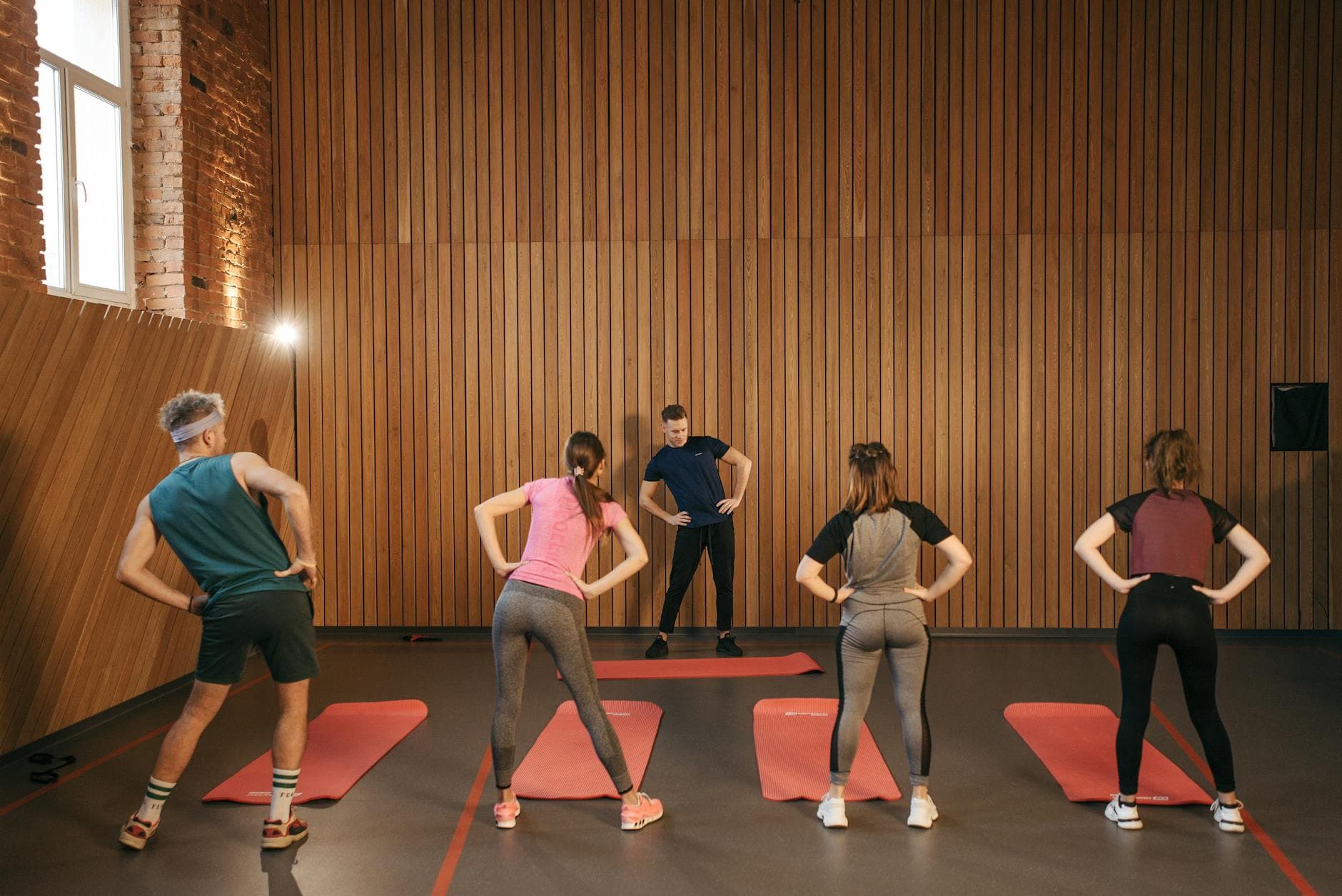
Interval Training Fitness: Why It's Not Just for Athletes
You've probably heard the buzz around interval training fitness, and maybe you've pictured elite athletes sweating through brutal sprints. Honestly, that's a common misconception. The truth is, interval training is incredibly versatile and a game-changer for pretty much anyone looking to boost their health and fitness. It’s not about punishing yourself; it’s about working smarter, not just harder. We're talking about short bursts of intense effort followed by brief recovery periods. This isn't some new fad; it's a highly effective method that’s been around for ages, adapted for all levels.
The Core Concept: Work and Recover
At its heart, interval training is simple. You alternate between periods of high-intensity exercise and periods of lower-intensity recovery or rest. Think of it like this: you go all-out for a short time, then catch your breath, then go all-out again. This cycle is repeated multiple times within a single workout session.
Beyond the "All-Out" Myth
The "high-intensity" part is key, but it doesn't always mean sprinting until you see stars. For some, it might be a brisk walk uphill, for others, it's a powerful swim stroke, and yes, for many, it's a full-on sprint. The intensity is relative to your current fitness level. What feels like a 10 on a scale of 1 to 10 for an Olympic runner might be a 7 or 8 for someone just starting out. That's the beauty of it – it scales.
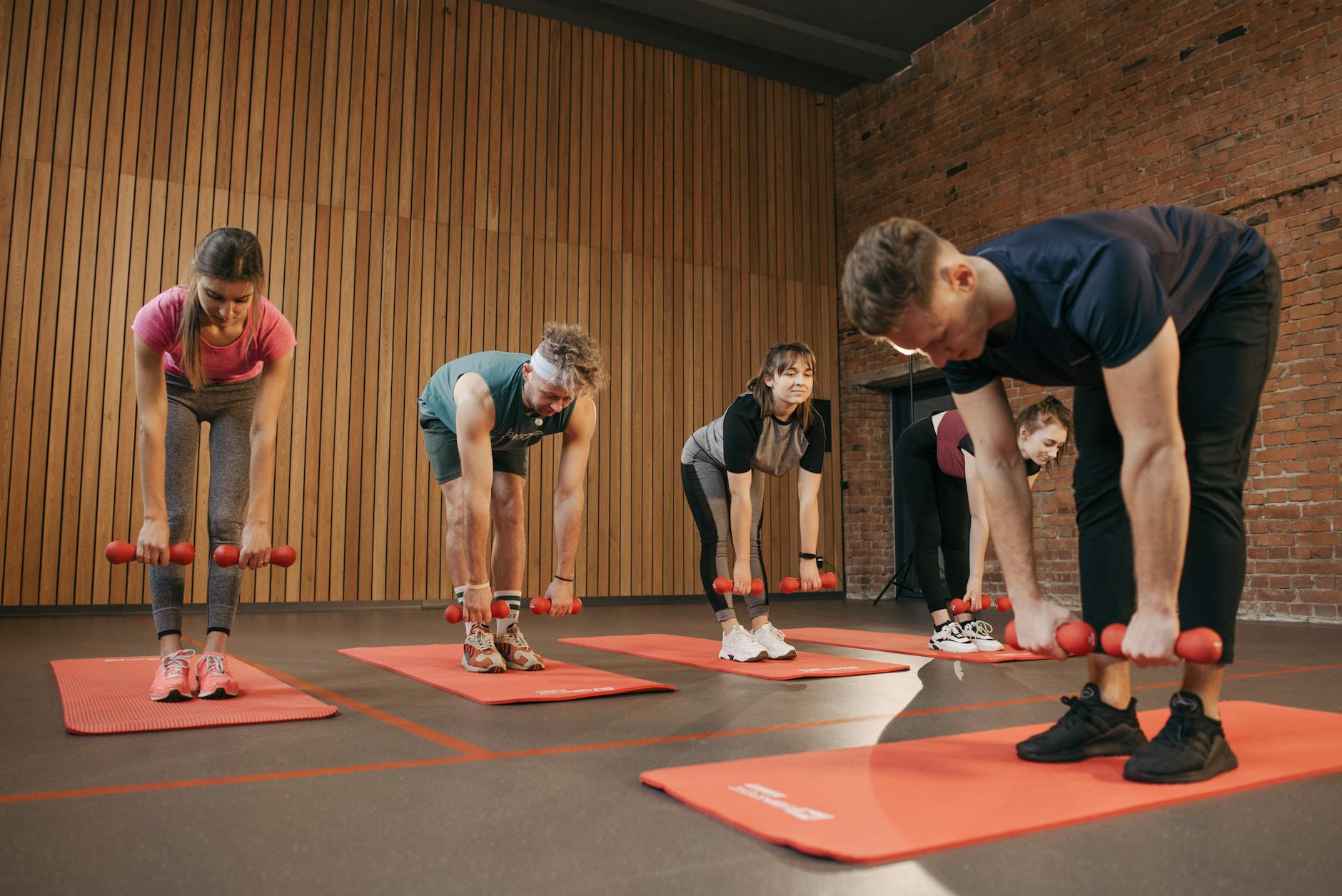
The Unbeatable Interval Workout Benefits
Let's cut to the chase: why bother with interval training? The benefits are pretty darn impressive. You get more bang for your buck in less time, which is a win in my book.
Unlocking Superior Fat Burning
One of the most talked-about interval workout benefits is its impact on fat loss. High-intensity interval training (HIIT), a popular form of interval training, is particularly effective. When you push your body to its limit during those intense bursts, you create an oxygen debt. Your body then has to work harder post-workout to recover and return to its resting state, a process known as EPOC (Excess Post-exercise Oxygen Consumption). This means you continue to burn calories long after your workout is finished. Studies, like those published by the Centers for Disease Control and Prevention research on interval training fitness, have consistently shown its efficacy.
Boosting Your Cardiovascular Engine
Your heart is a muscle, and like any muscle, it gets stronger with the right kind of training. Interval training pushes your cardiovascular system to its limits, improving your heart's ability to pump blood efficiently and increasing your overall endurance. This translates to feeling less winded during everyday activities and being able to sustain effort for longer periods. It's a fantastic way to improve your V02 max, which is essentially a measure of how well your body uses oxygen.
The Time-Saving Advantage
Let’s be real, most of us have busy lives. The thought of spending an hour or more at the gym can be daunting. This is where interval training truly shines. You can achieve significant fitness gains in as little as 20-30 minutes. This makes it much easier to fit into a packed schedule, removing a common barrier to consistent exercise. Think about it: you can get an incredibly effective workout in the time it takes to watch half an episode of your favorite show.

HIIT for Performance: Elevating Your Game
If you're an athlete, or even just someone who wants to perform better in any physical activity, HIIT for performance is a no-brainer. It’s about building resilience, power, and speed.
Developing Explosive Power and Speed
For sports that require bursts of speed and power – think sprinting, jumping, or quick changes in direction – interval training is invaluable. By mimicking these types of efforts in a controlled environment, you train your muscles to fire faster and with more force. This can directly translate to improved performance on the field, court, or track. It’s about conditioning your body for the demands of your sport.
Enhancing Anaerobic Capacity
Many athletic movements rely heavily on your anaerobic system, which provides energy for short, intense bursts of activity. Interval training, especially the high-intensity kind, is excellent at improving your body's ability to produce energy without oxygen. This means you can maintain high-intensity efforts for longer before fatigue sets in. You'll notice a difference in your ability to push through those critical moments in competition or during tough training sessions.
Building Mental Toughness
Beyond the physical, there's a significant mental component to interval training. Pushing yourself through those tough intervals builds resilience and mental fortitude. Learning to tolerate discomfort and push through fatigue is a skill that transfers to all areas of life. It teaches you that you're capable of more than you might think, fostering a stronger mindset for tackling challenges both in and out of fitness.

Peak Performance Training: More Than Just Cardio
When we talk about peak performance training, it's not just about doing endless cardio. It's about a well-rounded approach, and interval training is a crucial piece of that puzzle.
The Synergy of Strength and Cardio Intervals
The best interval training programs often combine both cardiovascular and strength-based intervals. Imagine doing a set of burpees, followed by a short rest, then a set of kettlebell swings, followed by another rest, and repeating. This type of workout challenges your entire body, building both muscular endurance and cardiovascular fitness simultaneously. It’s a fantastic way to get a full-body conditioning effect that’s hard to replicate with traditional steady-state cardio or pure weightlifting alone.
Tailoring Intervals for Specific Goals
What makes interval training so powerful is its adaptability. You can tailor interval training routines to your specific goals. Are you training for a marathon? Your intervals might focus on sustained, faster-than-race-pace running bursts. Are you a cyclist looking to improve climbing? You'll incorporate longer, intense uphill intervals. The key is to align the intensity, duration, and recovery periods with the demands of your target activity. This targeted approach is the essence of peak performance training.
The Importance of Proper Recovery
Here's the thing nobody tells you enough: recovery is just as important as the work itself. Overtraining can lead to injury, burnout, and stalled progress. For interval training fitness, this means not jumping into another high-intensity session the day after a grueling one. Listen to your body. Active recovery, like light stretching or a gentle walk, can be beneficial. Adequate sleep and nutrition are also non-negotiable components of any effective peak performance training program. Harvard Health research on interval training fitness often highlights the crucial role of recovery.

Spring Fitness Training: Re-Energizing Your Routine
With spring in the air, it's the perfect time to inject some energy into your fitness routine, and interval training is an excellent way to do it. The longer days and warmer weather practically beg us to get outside and move.
Bringing Intervals Outdoors
Who says interval training has to be confined to a gym? Spring fitness training is ideal for taking your interval workouts outside. Think hill sprints in a local park, sprints on a running track, or even cycling intervals on a scenic route. This change of scenery can be incredibly motivating and adds an element of fun to your training. You can even incorporate bodyweight exercises like jump squats or burpees between running intervals for a killer outdoor session.
Intervals for Hiking and Running Enthusiasts
If you're looking forward to longer hikes or runs this spring, interval training can significantly boost your preparation. For runners, incorporating speed work with intervals will build the necessary stamina and leg speed for longer distances. For hikers, especially those tackling steeper trails, interval training that mimics uphill climbs can build leg strength and cardiovascular endurance. Consider a structured plan like the Spring Hiking Running: 30-Day Challenge Plan, which often incorporates interval principles.
Renewed Energy with Outdoor Cardio Intervals
The feeling of sunshine on your skin and fresh air in your lungs can be incredibly invigorating. Cardio interval training outdoors taps into this natural energy boost. You might do a series of fast-paced laps around a park, followed by a brisk walk to recover, repeating the cycle. This type of workout, combined with the natural environment, can lead to a profound sense of renewal and increased energy levels, much like what you might find with Outdoor Yoga Spring: Poses for Renewal & Energy, but with a different kind of intensity.
Designing Your Own Interval Training Program
Creating your own interval training program doesn't require a degree in exercise science. It's about understanding the basic principles and applying them to your own needs.
The Work-to-Rest Ratio Explained
This is a fundamental concept in interval training. The ratio of your work period to your rest period is crucial. For beginners, a 1:2 ratio (e.g., 30 seconds of work, 60 seconds of rest) is a good starting point. As you get fitter, you can gradually decrease the rest time or increase the work time, moving towards a 1:1 or even a 2:1 ratio. The goal is to challenge yourself during the work interval while allowing enough recovery to perform the next interval effectively. Interval Training Workouts: Boost Fitness Fast offers great examples of these ratios.
Choosing Your Modalities
The beauty of interval training is its versatility across different forms of exercise. You can perform intervals on treadmills, stationary bikes, rowing machines, or even using just your bodyweight. The key is to choose activities that allow you to safely and effectively reach a high intensity. If you're at the gym, you might experiment with different Gym Cardio Machines: Top 10 Workouts for Fat Loss to find what suits you best for interval work.
Progressing Safely and Effectively
As you become more comfortable with interval training, you'll want to progress. This can be done in several ways: increase the duration of your work intervals, decrease the duration of your rest intervals, increase the number of intervals in your workout, or increase the intensity of your work intervals. Always listen to your body and avoid pushing too hard too soon. Consistent, gradual progression is the most sustainable path to long-term fitness gains. Research from the National Institutes of Health research on interval training fitness provides further insights into safe progression.
The Best Interval Training: What Really Matters
So, what's the secret to the best interval training? It's not about finding some magic formula, but about consistency, smart design, and most importantly, enjoyment.
Consistency is King
The most effective interval training program is the one you actually stick with. Whether you're aiming for advanced interval training or just starting out, making it a regular part of your week is paramount. Aim for 2-3 interval sessions per week, allowing for rest days in between.
Listen to Your Body, Always
This is perhaps the most crucial piece of advice. There will be days you feel amazing and can push harder, and days you feel fatigued. Pushing through genuine exhaustion can lead to injury. The best interval training adapts to your current state. Don't be afraid to modify an interval session if needed. Your body will thank you in the long run.
Find What You Love
If you dread your workouts, they won't last. Experiment with different types of interval training, different exercises, and different environments. Maybe you love the feeling of crushing a sprint on a bike, or perhaps you prefer bodyweight circuits. The best interval training is the kind that you look forward to, that challenges you, and that leaves you feeling accomplished. It might even involve considering exercises for flexibility, like Knee Flexibility Exercises: Boost Range of Motion Today, to support your overall movement quality during intense sessions.
Interval training fitness is a powerful tool, accessible to everyone. It's efficient, effective, and adaptable. By understanding the principles and applying them thoughtfully, you can unlock a new level of fitness and well-being. So, get out there, push your limits (smartly!), and enjoy the incredible results.