The Truth About Muscle Recovery After Workout: It's Not What You Think
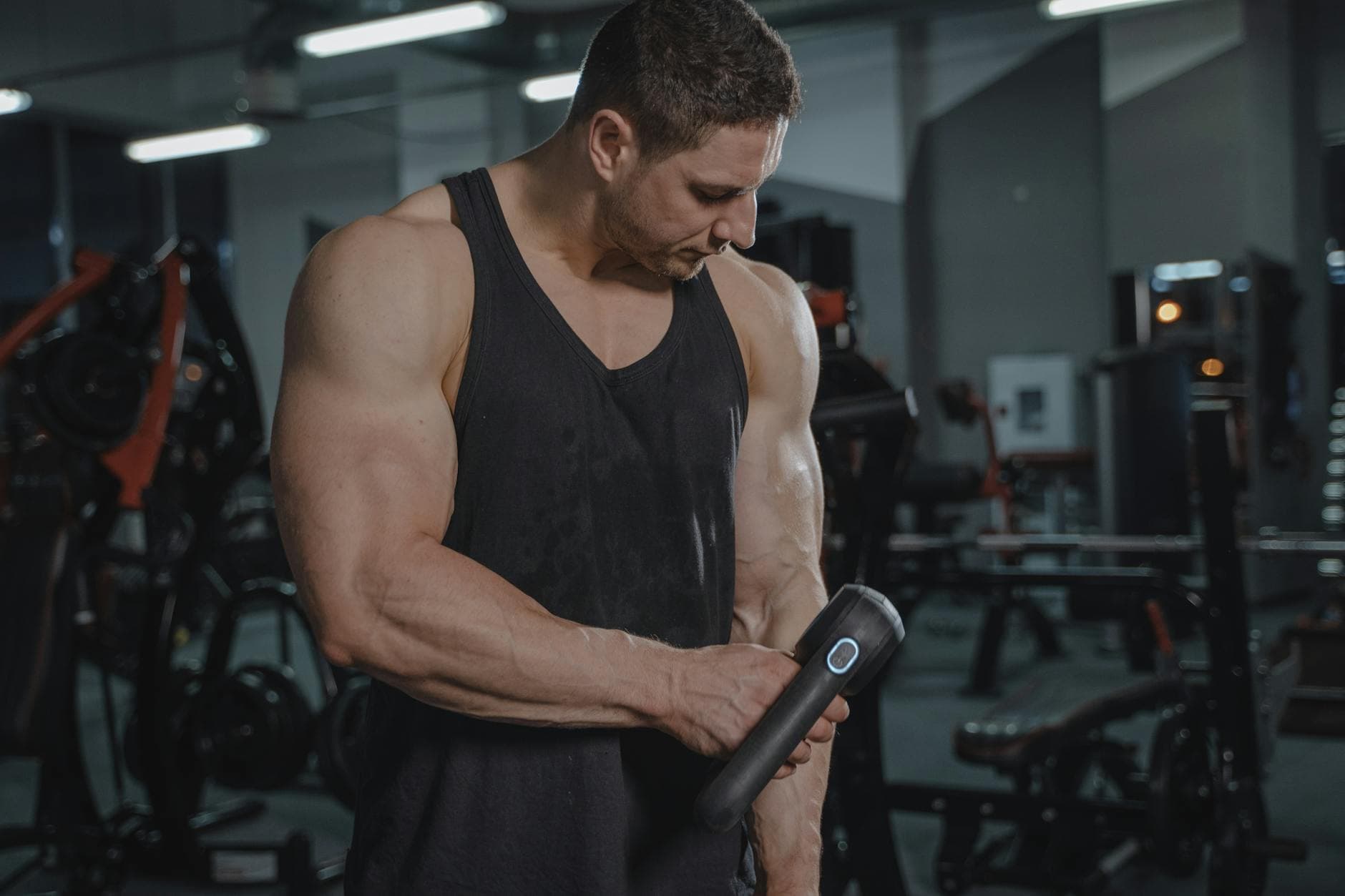
You know what I hear all the time? People think muscle soreness after a brutal workout is a sign of progress. They wear it like a badge of honor. Honestly, that’s not always the case. While some soreness is normal, if you're consistently crippled for days, you're not recovering effectively. True muscle recovery after workout is about more than just enduring pain; it's about optimizing your body's ability to rebuild and get stronger.
Here’s the thing: effective post workout muscle recovery is a complex process. It’s about more than just rest; it’s about fueling your body correctly, managing inflammation, and supporting muscle repair. Ignoring these factors can lead to plateaus, injuries, and burnout.
Why Muscle Soreness Isn't Always a Good Thing
Delayed Onset Muscle Soreness (DOMS)
You’ve probably noticed that muscle soreness, or DOMS, usually peaks 24-72 hours after exercise. This is due to microscopic muscle damage. While a little bit is inevitable, excessive soreness can hinder your progress. It can limit your range of motion and make it difficult to maintain proper form during subsequent workouts, increasing your risk of injury.
Overtraining and Its Effects
Consistently pushing your body past its recovery capacity leads to overtraining. This can manifest as chronic fatigue, decreased performance, and increased susceptibility to illness. Your body simply can't adapt and improve if it's constantly in a state of stress. You need to be smart about your training, not just hard.
The Importance of Listening to Your Body
Pay attention to what your body is telling you. If you're constantly sore and fatigued, it's a sign you need to adjust your training volume, intensity, or recovery strategies. Ignoring these signals can be a recipe for disaster. I learned this the hard way, pushing through pain that ultimately sidelined me for months.
The Pillars of Effective Post Workout Muscle Recovery
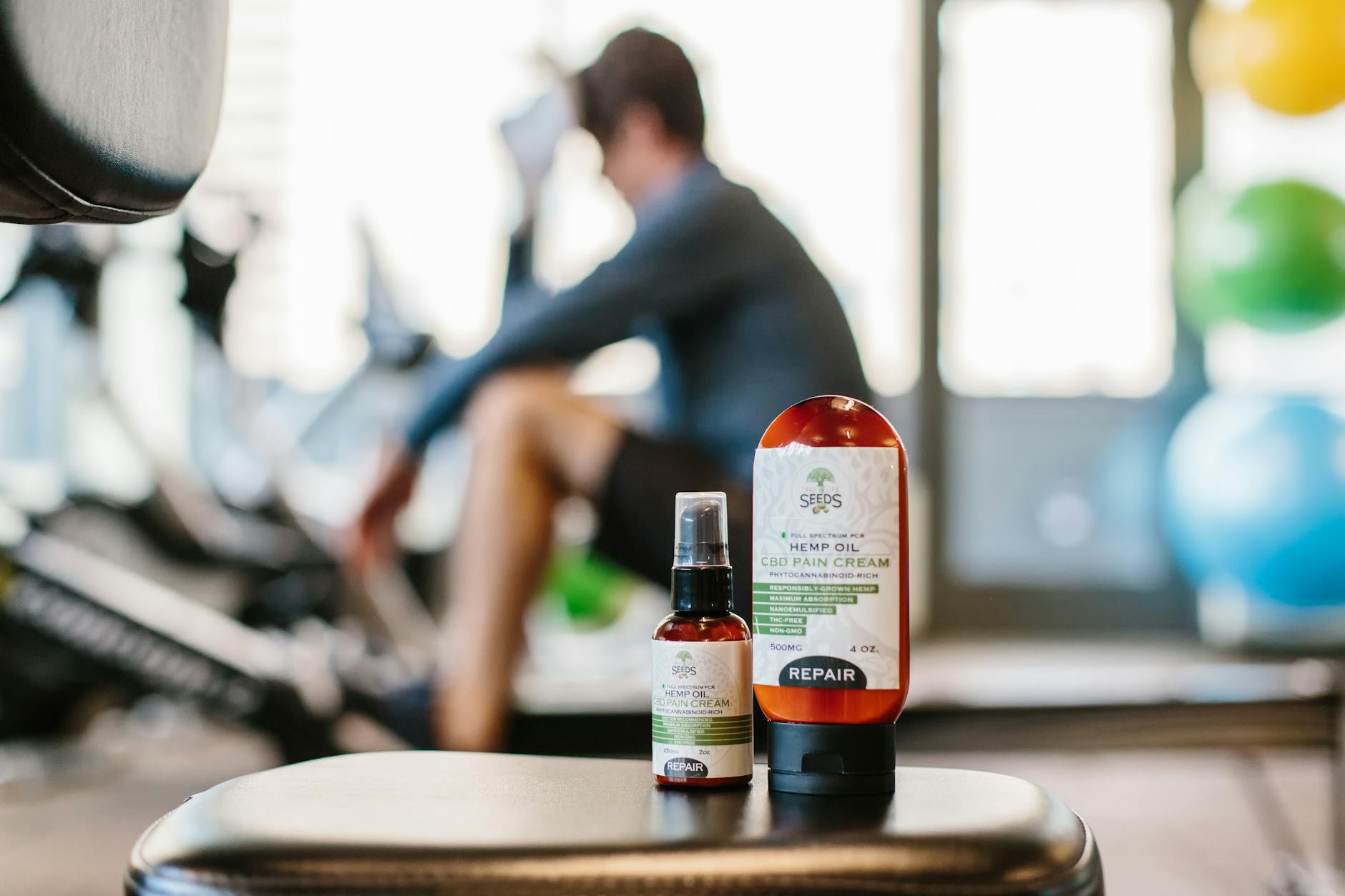
Let's get down to the nitty-gritty. Achieving optimal muscle recovery after workout involves several key components, all working in synergy. It's not about one magic bullet, but a holistic approach.
Nutrition: Fueling the Repair Process
You've probably heard it a million times, but it's true: what you eat matters. After a workout, your muscles need fuel to rebuild. Protein is king here, but it's not the only player. Think of it like this: protein is the building material, and carbohydrates are the energy source that helps transport it. I find a mix of both is most effective.
Protein Intake and Timing
Aim for 0.8 to 1 gram of protein per pound of body weight per day, spread throughout the day. Consuming protein within an hour or two after your workout is a good strategy to maximize protein synthesis. I used to think the timing was everything, but consistency is key. A consistent intake of protein is more important than a specific window.
Carbohydrates and Glycogen Replenishment
Don't fear carbs! They are crucial for replenishing glycogen stores, your muscles' primary energy source. After a tough workout, your glycogen levels are depleted. Refueling with complex carbohydrates like whole grains, fruits, and vegetables helps your muscles recover and prepares you for your next session. It's all about finding the right balance.
Hydration is Key
Proper hydration is absolutely vital for every aspect of recovery. Muscles are mostly water, and dehydration can impair their function and recovery. Drink plenty of water throughout the day, and especially after your workouts. I always keep a water bottle with me, and I'm constantly sipping. It's a simple habit, but it makes a huge difference.
Rest and Sleep: The Body's Repair Shop
You might be wondering: what's more important, going hard in the gym or getting enough sleep? The truth is, both are critical, but sleep is where the magic happens. Your body repairs and rebuilds muscle tissue while you sleep. Without sufficient rest, your recovery will be severely compromised. In fact, Centers for Disease Control and Prevention research on muscle recovery after workout highlights the importance of sleep for overall health and recovery.
The Importance of Sleep Duration and Quality
Aim for 7-9 hours of quality sleep per night. Creating a consistent sleep schedule is important, even on weekends. Your sleep environment should be dark, quiet, and cool. Consider investing in blackout curtains and a white noise machine if necessary. I've found that improving my sleep quality has directly translated to better workouts and faster recovery.
Active Recovery vs. Complete Rest
Complete rest has its place, but active recovery can be just as important. Light activities like walking, swimming, or cycling on your off days can increase blood flow to your muscles, helping to flush out metabolic waste products and reduce muscle soreness recovery. Think of it as gently lubricating the machine.
Managing Inflammation: The Silent Enemy
Inflammation is a natural response to exercise, but chronic inflammation can impede recovery. Thankfully, there are ways to manage it, and it starts with what you eat. Here's a look at how to combat inflammation.
Anti-Inflammatory Foods
Focus on incorporating anti-inflammatory foods into your diet, such as fatty fish (salmon, mackerel), berries, leafy green vegetables, and nuts. These foods are rich in antioxidants and omega-3 fatty acids, which can help reduce inflammation and support muscle repair. I've personally seen a huge difference in my recovery since I started prioritizing these foods.
Supplements That Can Help
Certain supplements can also aid in reducing inflammation. Consider supplementing with omega-3 fatty acids, curcumin (from turmeric), and creatine. However, always consult with a healthcare professional before starting any new supplement regimen. I always do my research before taking anything new, and I recommend you do the same.
The Role of Cold Therapy
Ice baths or cold showers can help reduce inflammation and muscle soreness. The cold constricts blood vessels, reducing swelling and pain. But remember, listen to your body. You don't have to jump into an ice bath every day, especially if you find it unpleasant. This one surprised me, it's not for everyone!

Fast Muscle Recovery Tips: Practical Strategies You Can Use
I'll be real with you: there's no silver bullet for fast muscle recovery tips. But by combining the strategies above, you can significantly accelerate your body's ability to bounce back after a workout. Here's a look at some practical things you can do.
Prioritize Proper Warm-Up and Cool-Down
Warming up prepares your muscles for exercise, reducing the risk of injury. A good warm-up includes dynamic stretching and light cardio. Cooling down after your workout helps gradually reduce your heart rate and allows your muscles to recover. I always do a thorough warm-up and cool-down, no matter how short my workout is.
Dynamic Stretching vs. Static Stretching
Dynamic stretching involves moving your body through a range of motion, such as arm circles or leg swings. This is great for preparing your muscles for exercise. Static stretching, where you hold a stretch for a period of time, is best done after your workout, when your muscles are warm and more pliable. Remember to focus on your posture and range of motion. You can incorporate Exercises for Posture Correction: Your Guide to Better Po... to improve your workout.
The Benefits of Foam Rolling
Foam rolling is a form of self-myofascial release that can help reduce muscle soreness and improve flexibility. It involves applying pressure to your muscles using a foam roller. I find it especially helpful for targeting tight spots and knots. It might be uncomfortable at first, but the relief is worth it. For those with poor posture, foam rolling can be especially beneficial, helping to counteract the effects of Exercises for Bad Posture: Improve Posture & Feel Great!.
Adjusting Your Training Schedule
Sometimes, the best thing you can do for muscle recovery after workout is to adjust your training schedule. This might mean incorporating rest days, varying your training intensity, or focusing on different muscle groups on different days. This all comes down to planning.
Deload Weeks and Their Importance
A deload week involves reducing your training volume or intensity for a short period. This allows your body to recover and adapt to the training stimulus. Deload weeks are crucial for preventing overtraining and ensuring long-term progress. I used to think I had to push myself every week, but deload weeks have become a non-negotiable part of my training.
Strategic Workout Splits
Consider using a workout split that allows you to train different muscle groups on different days. For example, you could do a push/pull/legs split, or focus on upper body one day and lower body the next. This allows each muscle group to recover fully before being worked again. This also helps with Forward Head Posture Exercises: Fix Your Neck & Improve P..., allowing different muscles to rest and recover.

Putting It All Together: A Sustainable Approach
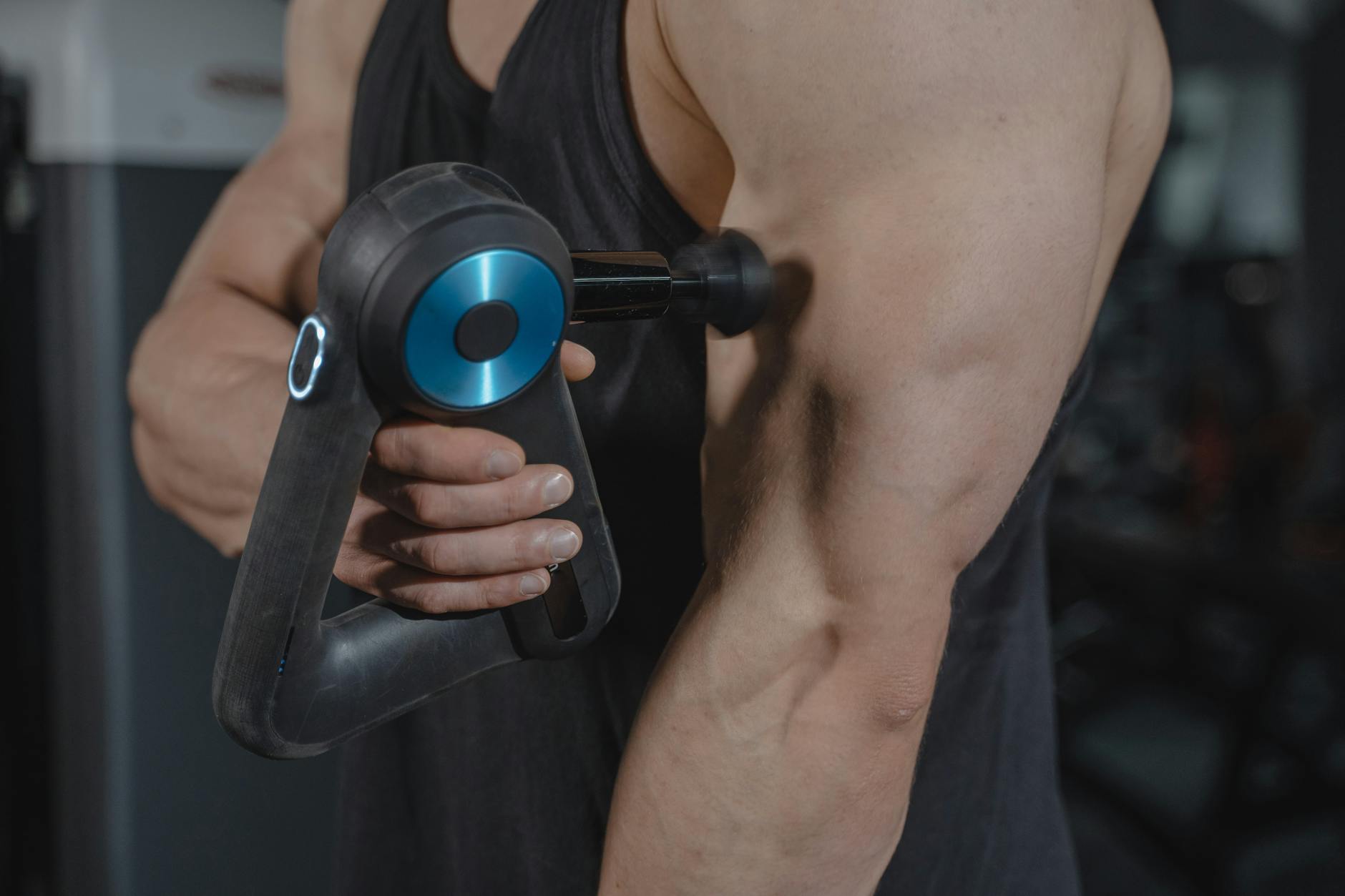
Remember, achieving optimal muscle recovery after workout is a marathon, not a sprint. Consistency is key. It's about developing sustainable habits that support your body's ability to rebuild and get stronger. You should focus on the big picture.
Think about the last time you were consistently sore for days after a workout. How did it affect your motivation? How did it affect your ability to train? This is a great example of why recovery is so important. By prioritizing recovery, you can train harder, more consistently, and achieve better results.
So, what's my final piece of advice? Don't just chase the pump. Prioritize recovery as much as you prioritize your workouts. Your body will thank you for it. Look at improving your overall health by implementing some of the great benefits of Swimming Benefits for Men: Stay Fit & Healthy! or even Swimming Benefits Women: Boost Health & Wellness! into your routine.