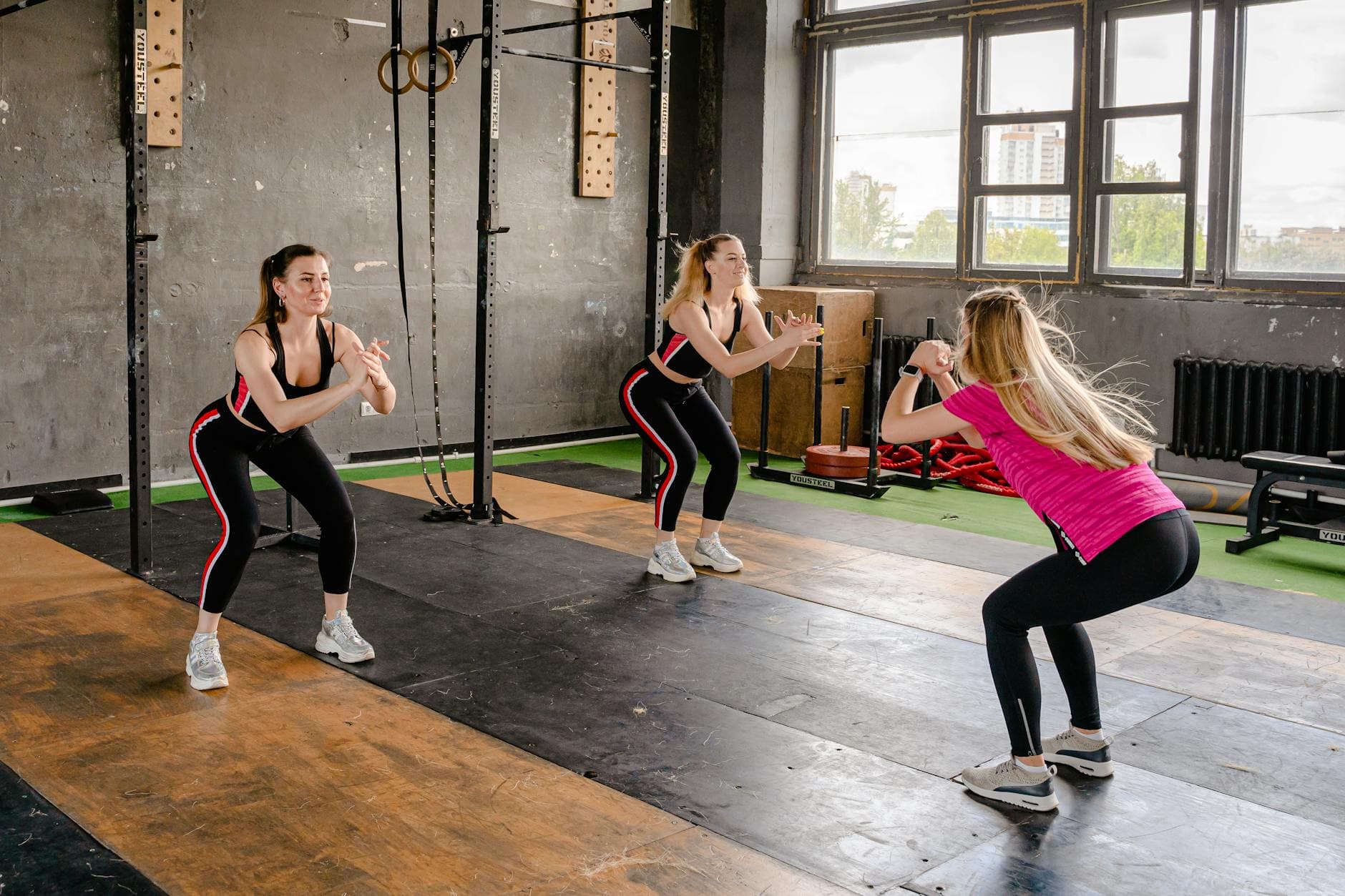
The Slouching Epidemic: Why We Need Exercises for Bad Posture
I'll be honest, I used to be a total slouch. Hours spent hunched over a laptop, shoulders rounded, neck jutting forward – it was a disaster. I didn't realize how much my poor posture was affecting me until the constant upper back pain became unbearable. Then I started exploring the world of exercises for bad posture, and it changed everything. You might be surprised by how simple, yet effective, the right exercises can be. We're talking about a shift in how you carry yourself, how you feel, and even how you breathe.
Think about the last time you saw someone with perfect posture. They probably looked confident, healthy, and maybe even a little bit younger, right? That's not just a coincidence. Good posture is a sign of a strong body and a healthy spine. And, conversely, bad posture can lead to a host of problems, from chronic pain to breathing difficulties. That's why I'm so passionate about sharing what I've learned.
Understanding the Culprits: What Causes Poor Posture?
The Modern Lifestyle's Impact
Our modern lifestyle is often the enemy of good posture. We spend hours sitting, whether at a desk, in a car, or on the couch. This prolonged sitting, combined with the use of technology, encourages poor postural habits. Look around – you'll see it everywhere.
The human body wasn't designed to sit for extended periods. When we sit, we often slump, which weakens the muscles that support our spine. Think about your neck posture when you're texting. This puts extra strain on your neck and upper back.
Muscle Imbalances and Weaknesses
Muscle imbalances play a huge role in developing poor posture. If certain muscle groups are weak while others are tight, it can pull your body out of alignment. For example, weak back muscles and tight chest muscles can lead to rounded shoulders. This is a common problem.
The core, often overlooked, is a crucial player. A weak core can't provide the support your spine needs, leading to slouching and other postural issues. The good news is that these imbalances can be corrected.
Other Contributing Factors
Other factors can contribute to poor posture. Genetics can play a role, as can certain medical conditions. Even things like your mattress and pillow can impact your spinal alignment while you sleep. Awareness is the first step.
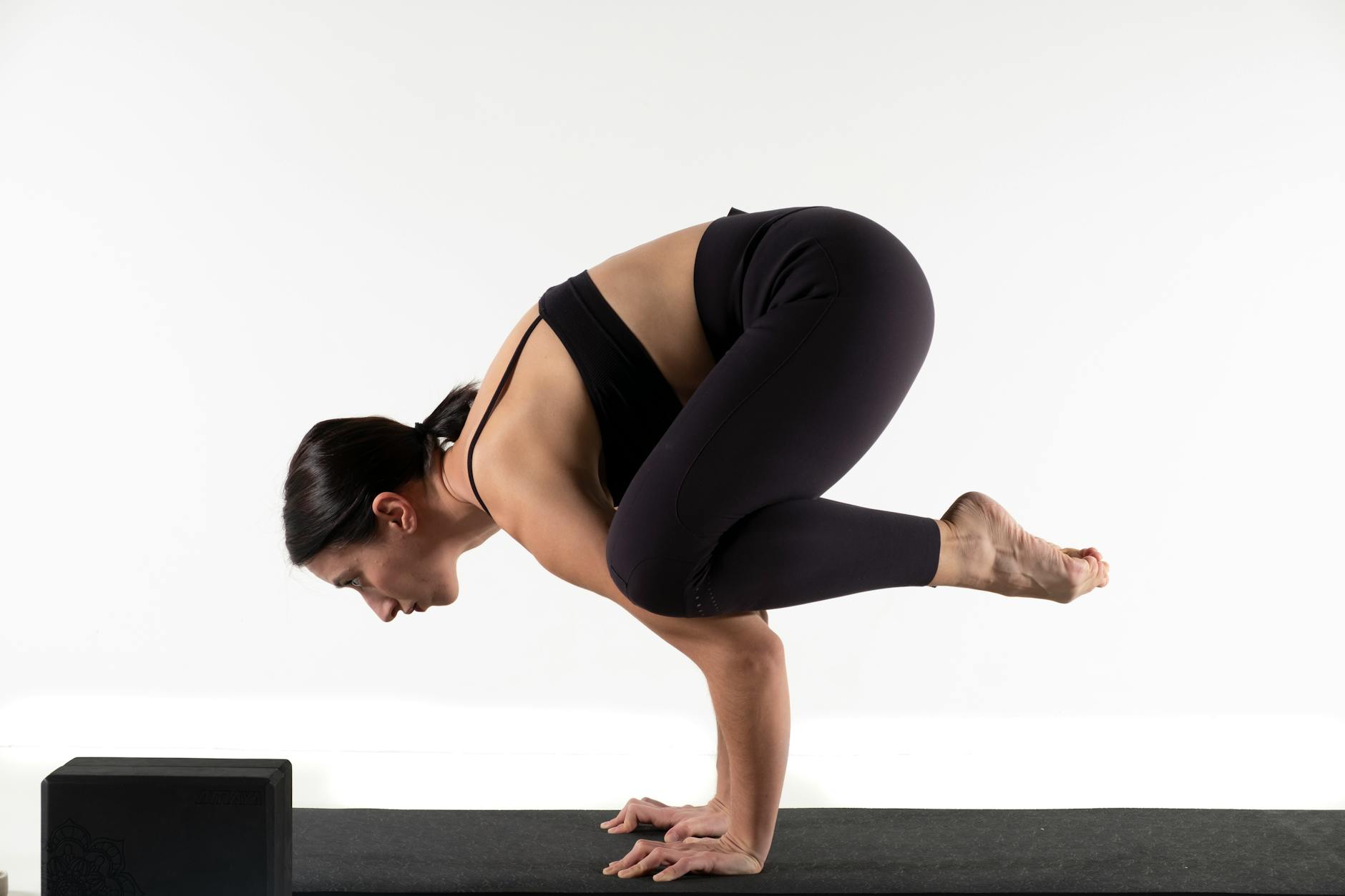
Posture Correction Exercises: Your Path to a Stronger Spine
Exercises for the Upper Back and Shoulders
These exercises are crucial for counteracting the effects of rounded shoulders. The goal is to strengthen the muscles that pull your shoulders back and down. A key focus is on scapular retraction, or squeezing your shoulder blades together.
One of the most effective is the shoulder blade squeeze. Simply stand or sit with your shoulders relaxed. Then, squeeze your shoulder blades together as if you're trying to pinch something between them. Hold for a few seconds, then release. Repeat this 10-15 times. Another great exercise is the face pull, using a resistance band.
Core Strengthening for Posture
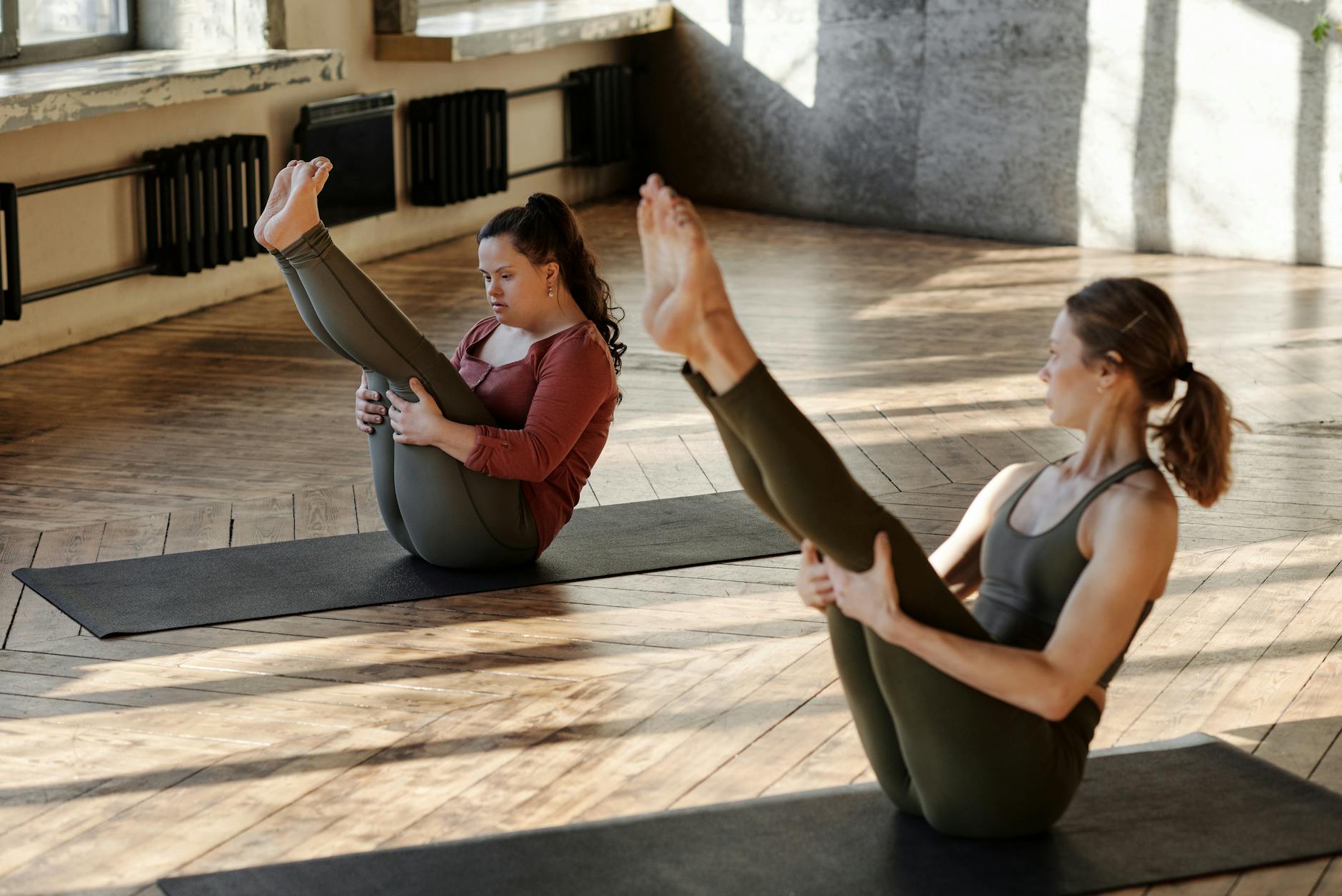
A strong core is the foundation of good posture. Your core muscles support your spine and help you maintain an upright position. Incorporate core strengthening exercises into your routine regularly.
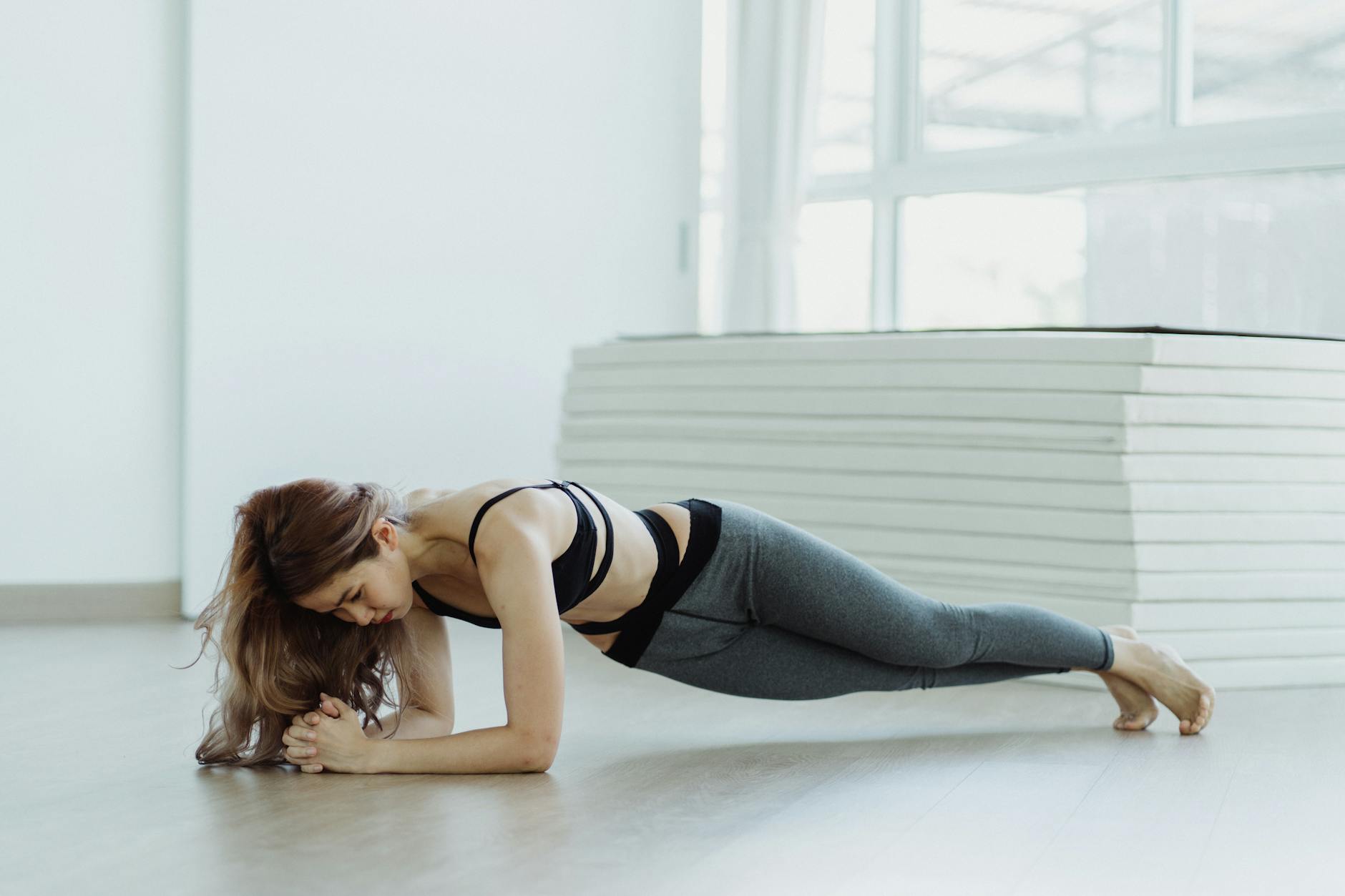
Planks are your best friend here. Hold a plank for as long as you can maintain good form, focusing on keeping your back straight and your core engaged. Crunches, leg raises, and bird dogs are also useful. Aim for consistency, not necessarily intensity.
Neck and Chest Stretches
Tight chest muscles can pull your shoulders forward, contributing to rounded shoulders. Tightness in your neck muscles can also affect your posture. Stretching these areas is essential.
Try a chest stretch by placing your hands behind your back and gently pulling your shoulder blades together. For neck stretches, gently tilt your head towards your shoulder, holding the stretch for 20-30 seconds. Repeat on the other side. You'll feel the difference.
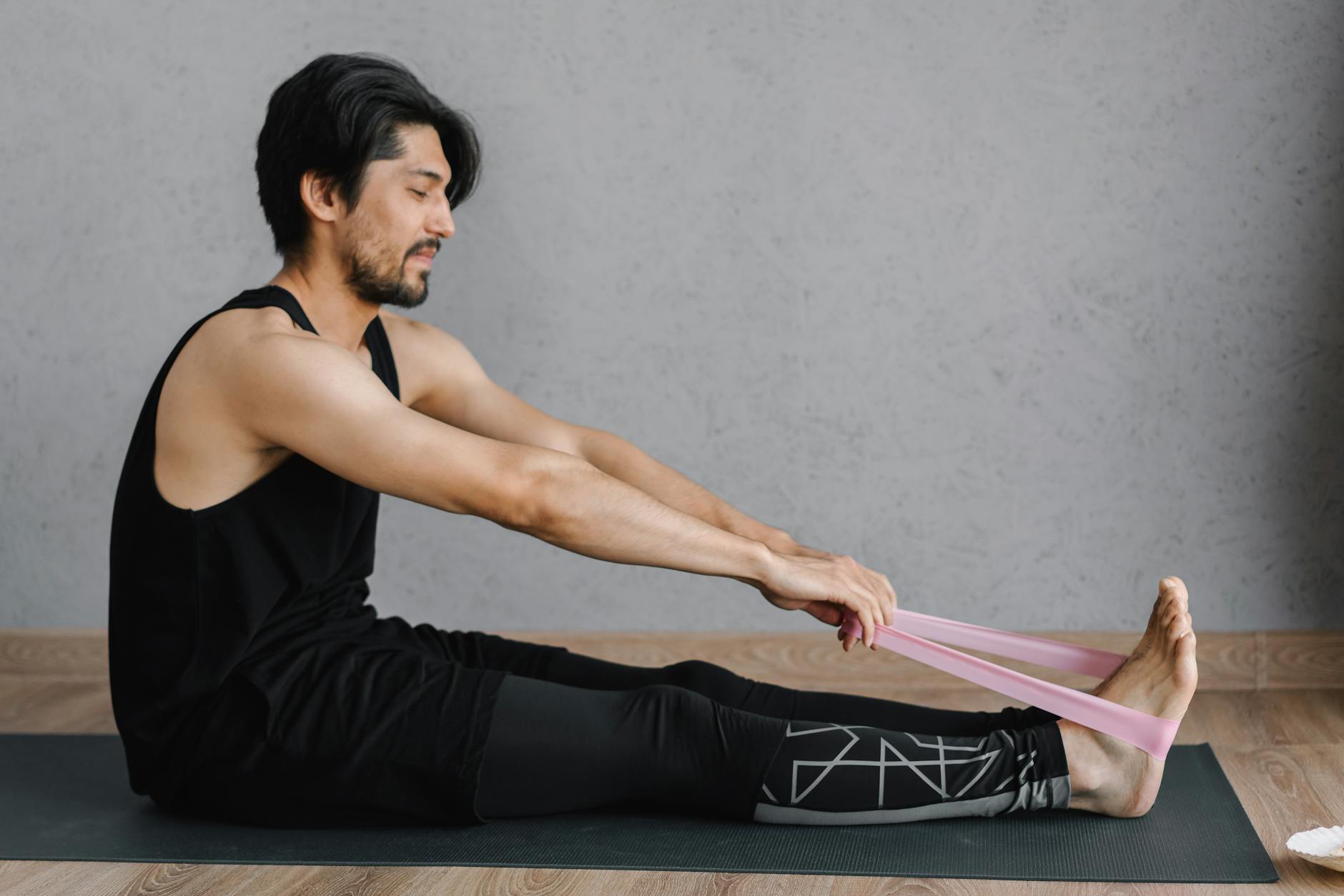
Simple Daily Habits to Improve Posture
Ergonomics: Setting Up Your Workspace
Your workspace plays a huge role in your posture. If you're spending hours at a desk, make sure it's set up ergonomically. Your monitor should be at eye level, so you don't have to strain your neck. Your chair should provide good lumbar support.
Ensure your feet are flat on the floor or supported by a footrest. Take breaks to stand up and move around every 30 minutes. Little adjustments can make a big difference over time. This is something I wish I'd learned earlier.
Mindful Movement Throughout the Day
Pay attention to your posture throughout the day. Remind yourself to sit up straight, relax your shoulders, and engage your core. It takes conscious effort at first, but it will become more natural.
Try setting reminders on your phone to check your posture. When you're walking, focus on standing tall and keeping your shoulders back. Even small changes can accumulate over time and lead to significant improvements.
Breathing and Relaxation Techniques
Believe it or not, breathing can impact your posture. Shallow breathing can contribute to poor posture. Practice deep breathing exercises to help relax your muscles and improve your spinal alignment.
Consciously take deep breaths, filling your lungs completely. This can help to release tension and encourage better posture. Meditation and other relaxation techniques can also help by reducing stress, which can often lead to slouching.
Beyond Exercises: A Holistic Approach
The Importance of Overall Fitness
While targeted exercises are key, your overall fitness level matters too. Regular exercise, including cardio, can improve your posture. It helps strengthen your core and back muscles.
Consider incorporating activities like upper body cardio workouts and cardio exercises into your routine. These can help to build a stronger, more resilient body. Swimming, with its focus on proper alignment, is another great option. Consider the swimming benefits for women and swimming benefits for men.
Professional Guidance: When to Seek Help
If you're experiencing chronic pain or if you're unsure where to start, consider seeking professional help. A physical therapist or a chiropractor can assess your posture and create a personalized plan. They can also provide guidance on proper form and technique.
This is especially important if you've had an injury or if you have a pre-existing medical condition. A professional can help identify any underlying issues and ensure you're exercising safely and effectively.
Consistency is Key
The most important thing is consistency. Making postural improvements takes time and effort. Don't get discouraged if you don't see results immediately. Stick with your exercises and daily habits, and you will see improvements.
I've been there. I remember how frustrating it was at first. But the payoff – less pain, more confidence, and a healthier body – is absolutely worth it.
Personal Reflection: My Posture Journey
Honestly, I used to think posture was just about standing up straight. I had no idea about the intricate interplay of muscles, the impact of ergonomics, and the role of breathing. It wasn't until my upper back pain became a constant companion that I really started paying attention.
I started small, with simple shoulder blade squeezes and conscious reminders to sit up straight. Then, I gradually incorporated more exercises and paid attention to my workspace setup. The results weren't immediate, but over time, the pain subsided, my shoulders relaxed, and I felt a newfound sense of confidence.
This journey showed me that improving your posture is about more than just physical exercises; it's about developing a new awareness of your body and how you move. It's about taking ownership of your health and making small, consistent changes that add up to big results.
Putting It All Together: Your Action Plan
So, where do you start? Start with awareness. Pay attention to your posture throughout the day. Then, incorporate some of the exercises for posture correction mentioned above, like shoulder blade squeezes and core strengthening exercises, into your routine.
Set up your workspace ergonomically and take regular breaks to move around. Remember to breathe deeply and consciously throughout the day. Consider seeking professional guidance if needed. And most importantly, be patient and consistent.
The Mayo Clinic and the Centers for Disease Control and Prevention both have some great resources on this topic. Don't be afraid to do some research and learn more.
This is a journey, not a destination. With dedication and the right approach, you can improve your posture, reduce pain, and boost your overall well-being. The World Health Organization highlights the importance of incorporating movement into your daily life. Now get out there and start standing tall!