The Tech Neck Tango: Why We're All Leaning Forward
You know that feeling? The one where your neck feels tight, your shoulders are slumped, and you're pretty sure you're adding another inch to your "tech neck" every day? Yeah, that's forward head posture, and honestly, it's become an epidemic. I see it everywhere – in the office, on the bus, even at the gym. This is why learning some effective forward head posture exercises is so crucial in today's world. It's not just about aesthetics; it's about your long-term health and well-being.
Think about the last time you were glued to your phone. Did you notice your head jutting forward, your chin dipping down towards your chest? Or maybe you were hunched over your laptop, squinting at the screen. These seemingly small habits can have a big impact, leading to a cascade of problems like neck pain, headaches, and even breathing difficulties.
Understanding the Culprit: What Causes Forward Head Posture?
The Modern Lifestyle
The primary culprit behind forward head posture is our modern, screen-filled lives. We spend hours each day looking down at our phones, tablets, and computers. This constant forward and downward gaze puts excessive strain on the neck muscles, causing them to weaken over time. The muscles in the front of the neck become shortened and tight, while those in the back become stretched and weak.
Poor Posture Habits
Beyond screens, bad habits contribute. Slouching in chairs, carrying heavy bags on one shoulder, and even sleeping in the wrong position can exacerbate the issue. You might be surprised how much your daily habits contribute to this.
The Domino Effect: How Forward Head Posture Affects Your Body
Forward head posture isn't just a cosmetic concern; it sets off a chain reaction throughout your body. It can lead to upper crossed syndrome, a postural imbalance where certain muscle groups become overactive and others become inhibited. This imbalance can cause rounded shoulders, a hunched upper back, and even issues with your breathing. It's a real problem that needs to be addressed.
Forward Head Posture Exercises: Your Path to a Better Posture
Chin Tucks: The Foundation of Head Posture Correction
This is the cornerstone of any head posture correction exercises routine. It's simple, effective, and can be done anywhere, anytime.
How to do a chin tuck:
- Stand or sit tall with your shoulders relaxed.
- Gently tuck your chin towards your neck, as if you're trying to make a double chin.
- Keep your eyes and head level – don't tilt your head up or down.
- Hold for a few seconds, then release.
- Repeat 10-15 times.
It sounds easy, but the key is to be mindful of your form. You should feel a gentle stretch in the back of your neck. If you’re not feeling anything, you might not be doing it right.
Scapular Retraction: Bringing Your Shoulders Back
Rounded shoulders often accompany forward head posture. Scapular retraction helps counteract this.
How to do scapular retraction:
- Sit or stand tall, with your arms relaxed at your sides.
- Squeeze your shoulder blades together, as if you're trying to pinch a pencil between them.
- Keep your shoulders down and relaxed, avoiding shrugging.
- Hold for a few seconds, then release.
- Repeat 10-15 times.
This exercise strengthens the muscles that pull your shoulders back, helping to counteract the effects of prolonged sitting and screen time.
Thoracic Spine Mobility Exercises: Unlocking Your Upper Back
Often overlooked, the thoracic spine (the middle part of your back) plays a crucial role in good posture. Limited mobility here can exacerbate forward head posture. Consider adding these exercises to improve thoracic spine mobility.
Cat-Cow Stretch
This yoga-inspired stretch is excellent for warming up the spine and improving its flexibility.
Foam Rolling
Using a foam roller can help release tension in the muscles of the upper back.
Beyond the Exercises: Lifestyle Adjustments for Lasting Results
Ergonomics: Your Workspace Makeover
Your workspace is a critical factor. Ensure your monitor is at eye level, your chair provides good lumbar support, and your keyboard and mouse are positioned to prevent reaching and straining.
Regular Breaks: The Tech Neck Detox
Take frequent breaks from screens. Every 20-30 minutes, stand up, stretch, and move around. Even a few minutes of mindful movement can make a difference. This is something I learned the hard way after experiencing some serious neck pain myself.
Conscious Awareness: The Posture Police
Become aware of your posture throughout the day. Set reminders on your phone to check in with yourself. Are you slouching? Are you aware of where your head is in space? Make a conscious effort to correct your posture whenever you catch yourself slipping. This is one of the most important steps to improving your posture.
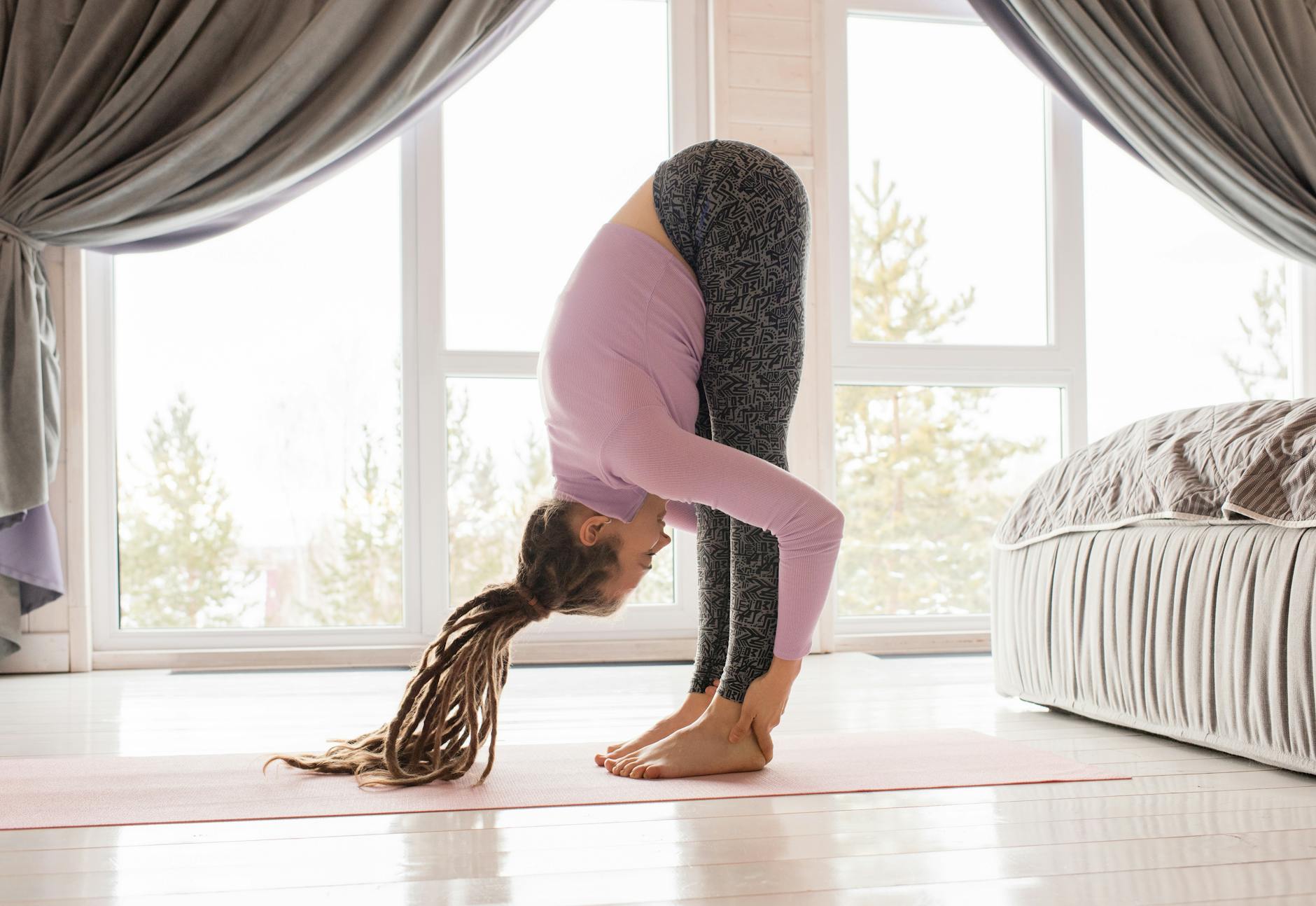
My Personal Journey: A Story of Neck Pain and Recovery
I'll be real with you; I used to think posture was just about looking good. I spent years hunched over a desk, and the effects caught up to me. I started experiencing persistent neck pain, headaches, and a general feeling of stiffness. It wasn't until I started incorporating forward head posture exercises into my routine that I truly understood the impact.
I remember my first chin tuck attempt. I thought it was simple, but I quickly realized how weak the muscles in my neck had become. It was a wake-up call. I started small, incorporating chin tucks, scapular retractions, and thoracic spine mobility exercises into my daily routine. Slowly but surely, the pain subsided, my posture improved, and I felt more energetic. It wasn't an overnight fix, but consistency was key. This one surprised me, how much time it took to heal.
I also made significant changes to my workspace. I invested in an ergonomic chair, adjusted my monitor height, and took regular breaks to move around. These adjustments, coupled with the exercises, transformed my life. I'm now a firm believer in the power of posture correction.
The Takeaway: Invest in Your Future Self
Improving your posture is an investment in your long-term health and well-being. It's not just about looking better; it's about feeling better, moving better, and preventing pain. By incorporating forward head posture exercises, making lifestyle adjustments, and being mindful of your posture, you can reclaim your health and vitality. You’ll be surprised at the difference it makes.
If you're experiencing neck pain or discomfort, consider consulting a healthcare professional. They can help diagnose any underlying issues and recommend a personalized plan. Remember, consistency is key. Don't get discouraged if you don't see results immediately. Stick with it, and you'll be amazed at what you can achieve. Furthermore, you might find that incorporating regular exercises for posture correction is also beneficial. You can also explore the benefits of exercises for bad posture to help improve your overall health. I encourage you to start today. Your future self will thank you.