The Shocking Truth About Your Posture
Did you know that a staggering 80% of adults experience some form of back pain in their lives? What's even more concerning is that poor posture is a major contributing factor, often overlooked in the quest for physical well-being. That's why understanding the right exercises for posture correction is so crucial, not just for aesthetics, but for long-term health and vitality. It's not about achieving some idealized image; it's about building a foundation of strength and flexibility that supports your body.
Why Your Posture Matters More Than You Think
The Hidden Dangers of Bad Posture
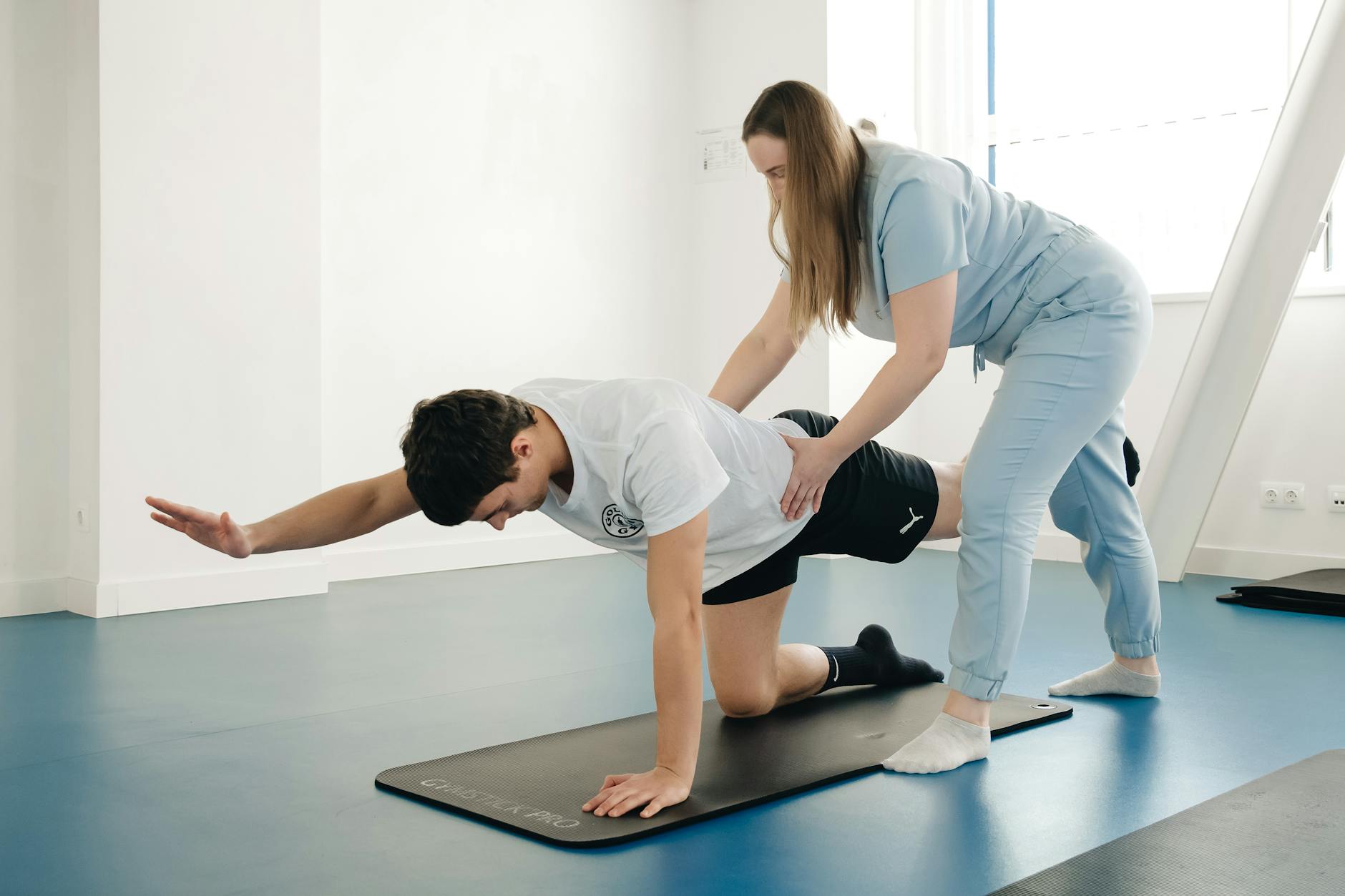
You might be thinking, "It's just posture; what's the big deal?" Well, here's the thing: chronic poor posture can lead to a cascade of problems. It can affect your spinal alignment, causing muscle imbalances and putting undue stress on your joints. This, in turn, can contribute to headaches, fatigue, and even digestive issues. Look, I used to think posture was just about standing up straight, but I've learned the hard way that it's intricately linked to overall well-being.
The Link Between Posture and Pain
Think about the last time you sat hunched over a computer for hours. Did your back start to ache? Did your shoulders round forward? That's the result of postural strain. Over time, these habits can lead to conditions like kyphosis (excessive rounding of the upper back) or even scoliosis (a sideways curvature of the spine). Addressing these issues with the right posture exercises for back is vital to avoid chronic pain.
Posture's Impact on Your Breathing and Energy Levels
Believe it or not, your posture can even impact your breathing. When you slouch, your lungs don't have enough space to fully expand, which can lead to shallow breaths and reduced oxygen intake. This can leave you feeling tired and sluggish. Corrective posture exercises can help open up your chest, allowing for deeper, more efficient breathing and increased energy levels.
Unlocking the Power of Corrective Posture Exercises
The Foundation: Strengthening Your Core
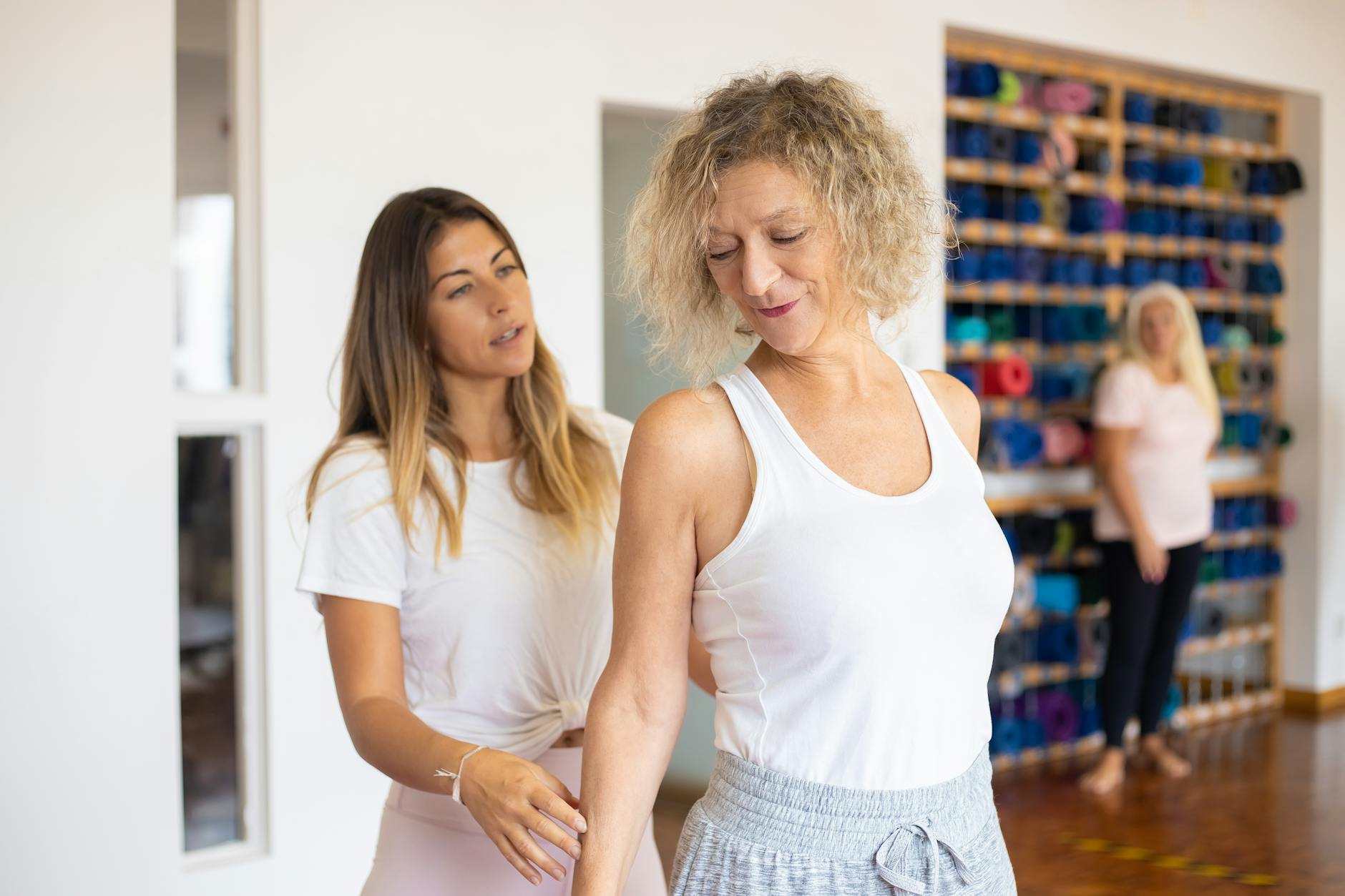
One of the most important aspects of exercises for posture correction is a strong core. Your core muscles act as the foundation for your entire body, supporting your spine and helping you maintain good posture. Think of exercises like planks, bird dogs, and dead bugs. These aren’t just about getting a six-pack; they’re about building the stability you need to stand tall.
Targeting Muscle Imbalances
Posture improvement exercises often involve addressing muscle imbalances. For example, if you spend a lot of time sitting, your chest muscles might become tight, while your upper back muscles become weak. This can lead to rounded shoulders. You can combat this with exercises that stretch the chest (like doorway stretches) and strengthen the back (like rows).
Flexibility is Key: Stretching for Better Posture
Flexibility plays a huge role in posture. Tight muscles can pull your body out of alignment. Incorporate regular stretching into your routine, focusing on areas like your chest, hip flexors, and hamstrings. Simple stretches, done consistently, can make a world of difference.
The Best Posture Exercises at Home: Your Starter Kit
Easy Exercises for Your Back
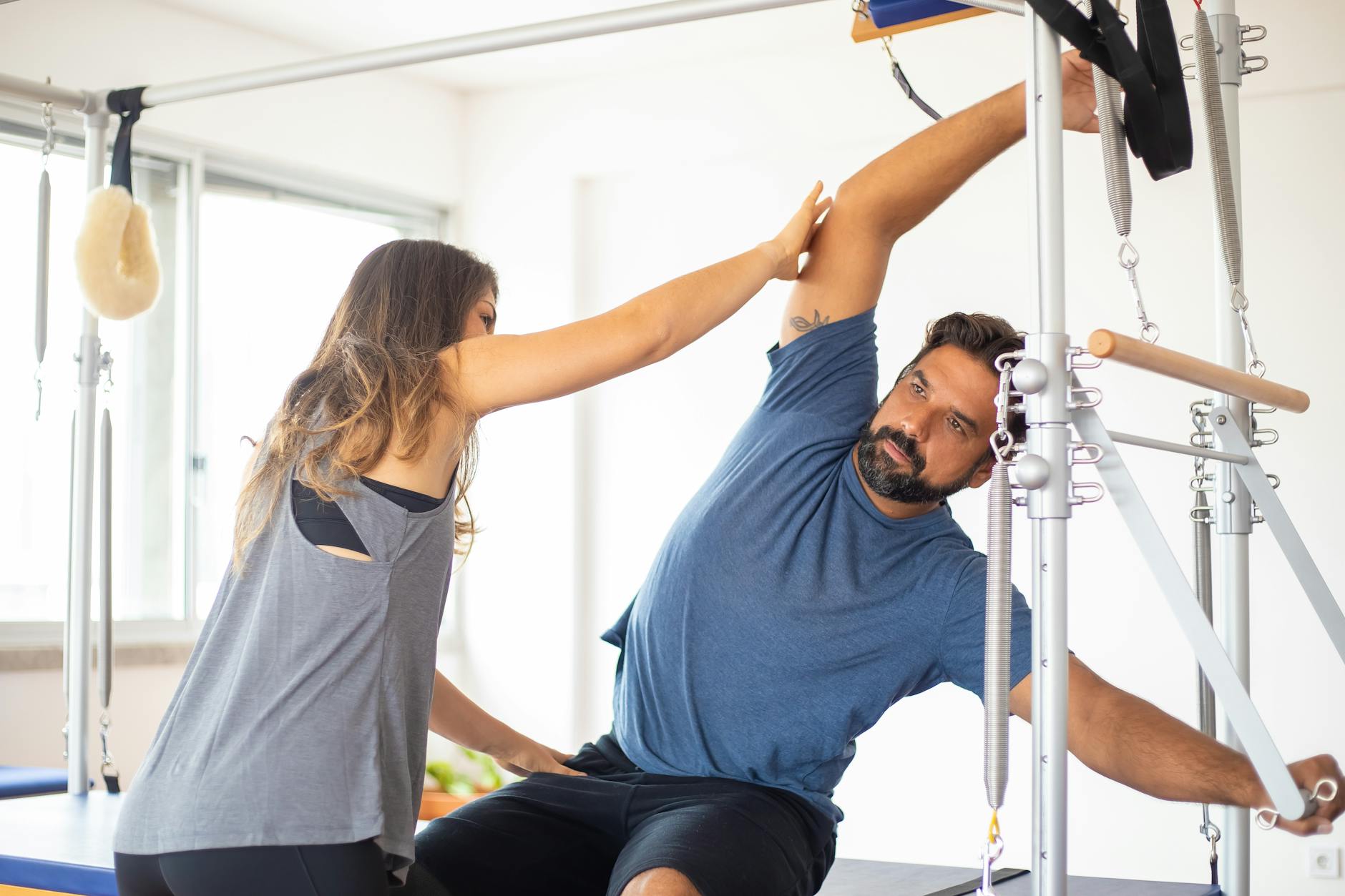
You don't need a gym to start improving your posture. Many of the best posture exercises at home can be done with minimal equipment. Try wall slides to strengthen your upper back, or the cat-cow stretch to improve spinal mobility. These are easily integrated into your daily routine.
Exercises for Rounded Shoulders
Rounded shoulders are a common problem, especially for those who spend a lot of time at a desk. To combat this, focus on exercises that open up your chest and strengthen your upper back. Resistance bands are great for rows and face pulls. These exercises can help pull your shoulders back and down.
Simple Stretches You Can Do Anywhere
Here's the thing: stretching doesn't have to be a big production. You can do simple stretches throughout the day to improve your posture. For instance, a quick chest stretch against a wall or a neck stretch to the side can help counteract the effects of prolonged sitting.
Beyond the Exercises: Lifestyle Changes for Long-Term Results
Ergonomics: Setting Up Your Workspace
Your workspace plays a huge role in your posture. Make sure your chair provides good lumbar support, and that your monitor is at eye level. Taking regular breaks to stand up and move around is also crucial. This can make a huge difference in your posture.
The Importance of Regular Movement
Sitting for extended periods is a posture killer. Make a conscious effort to move throughout the day. Set a timer to remind yourself to stand up and walk around every hour. Consider taking the stairs instead of the elevator. Incorporate some light cardio into your routine, like a quick walk or some jumping jacks, to keep your body active.
Mindfulness and Posture Awareness
It's not just about the exercises; it's about being aware of your posture throughout the day. Pay attention to how you're sitting and standing. Make a conscious effort to correct your posture whenever you notice yourself slouching. This is where Mayo Clinic research on exercises for posture correction suggests that awareness is a huge factor in success.
Staying Consistent: The Key to Lasting Posture Improvement
Making Exercise a Habit
The most effective exercises for posture correction are the ones you stick with. Find exercises you enjoy and that fit into your lifestyle. Start small and gradually increase the intensity and duration of your workouts. Consistency is king, plain and simple.
Tracking Your Progress and Staying Motivated
It's easy to get discouraged if you don't see results immediately. Track your progress by taking photos or videos of yourself, or by measuring your height and comparing it over time. Celebrate your small victories to stay motivated. Remember, improvement takes time, but it's worth it.
Seeking Professional Guidance When Needed
If you have persistent pain or are unsure about how to proceed, don't hesitate to seek professional help. A physical therapist or a certified trainer can assess your posture and create a personalized exercise plan. Sometimes, a little expert guidance can make all the difference.
Exercises For Posture Correction: Your Path to a Healthier You
I'll be real with you: improving your posture is a journey, not a destination. It requires consistent effort, self-awareness, and a willingness to make lifestyle changes. But the rewards – reduced pain, increased energy, and a greater sense of confidence – are well worth it. Start today, incorporate these exercises for posture correction into your routine, and watch your body and your life transform. You might be surprised by how much better you feel. Remember, the Centers for Disease Control and Prevention research on exercises for posture correction confirms the positive impact on overall health. Embrace the process, and you'll be standing tall in no time. For a faster approach, consider incorporating an upper body cardio workout into your routine. Also, consider the best cardio exercises to enhance your overall fitness. Don't forget the importance of staying hydrated, so consider the swimming benefits for men and women to boost your fitness.