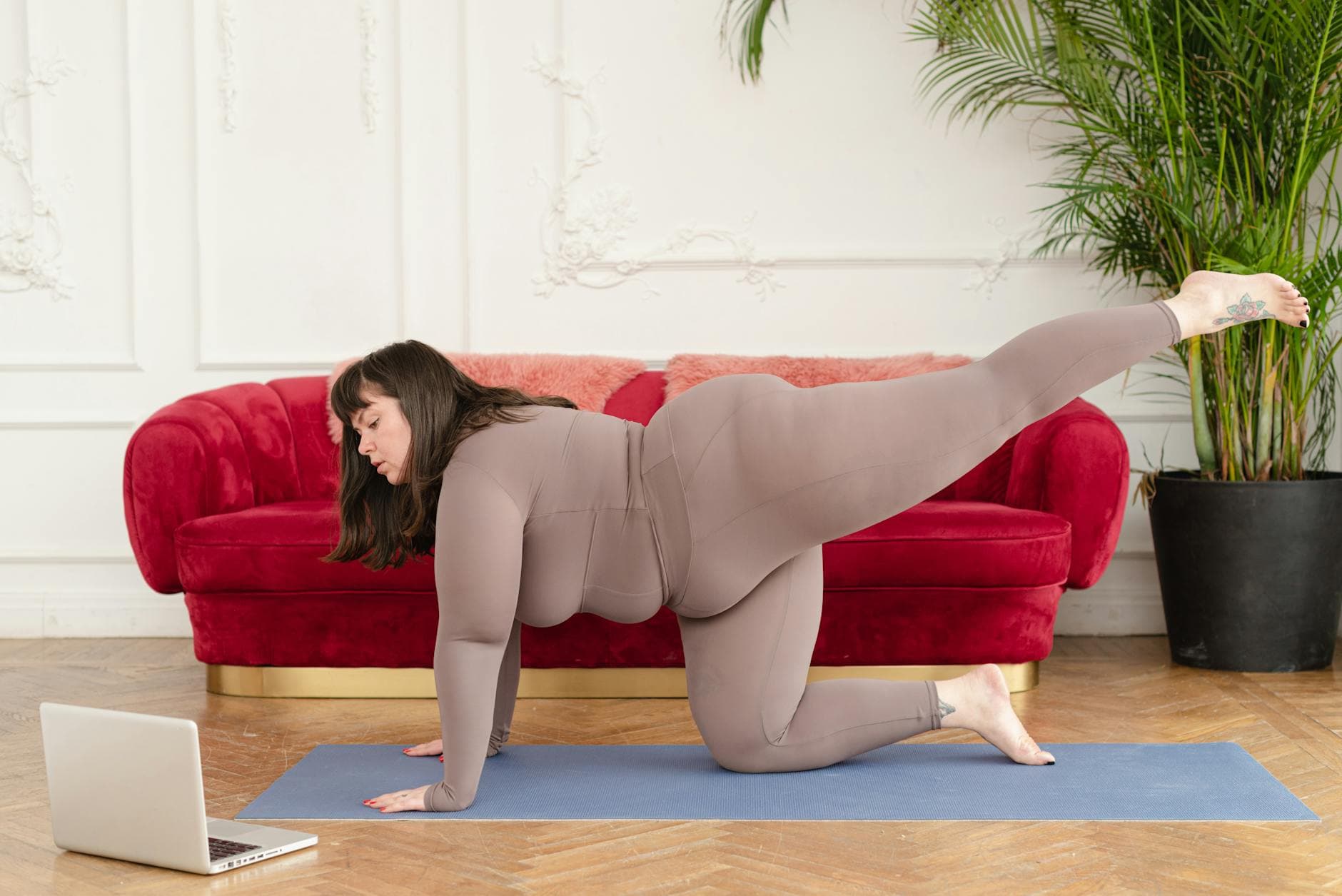
Imagine This: Yoga in Your Pajamas
What if you could effortlessly weave a bit of zen into your everyday life, without the commute, the awkwardness, or the price tag? Picture this: you wake up, roll out of bed, and with minimal effort, are already in your "yoga studio." That's the beauty of beginner yoga at home. It's accessible, convenient, and a fantastic way to introduce movement and mindfulness into your routine. Forget the crowded studios and rigid schedules. With a little guidance, you can cultivate a personal practice that fits *your* life, not the other way around.
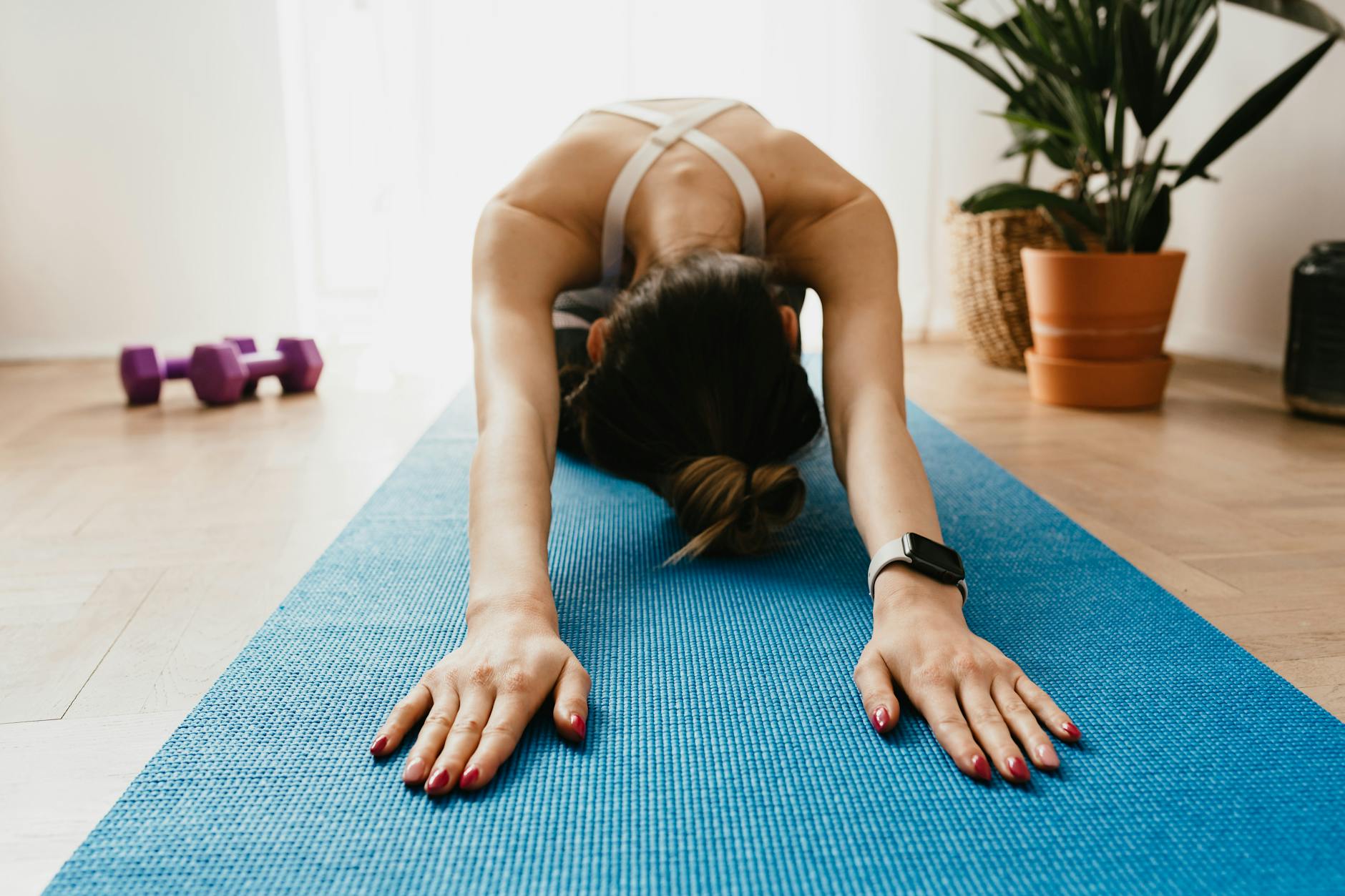
Why Home Yoga? The Unexpected Perks
The Convenience Factor: Your Schedule, Your Rules
Let's be real, life is busy. Between work, family, and everything else, finding time for self-care can feel like a Herculean task. That's where home yoga shines. You set the time, you set the pace, and you don't have to worry about rushing across town. Want a quick 15-minute session before work? Done. Need a longer, more restorative flow on the weekend? Absolutely. The flexibility is unmatched.
Breaking Down the Barriers: Accessibility for Everyone
One of the biggest hurdles to starting yoga is the perceived intimidation factor. Studios can feel exclusive, and the jargon can be overwhelming. But home yoga eliminates that. You can ease into it at your own speed, in the comfort of your own space. There's no pressure to keep up, no judgment, and no need to compare yourself to anyone else. It's just you, your mat, and the journey. You can even find beginner yoga classes online which gives you a great starting point.
The Budget-Friendly Option: Less Spending, More Savings
Let's not forget the financial aspect. Yoga classes can be expensive, especially if you're attending several times a week. Home yoga offers a much more affordable route. All you really need is a yoga mat (which you probably already have), a little bit of space, and access to online resources – many of which are completely free. That extra money in your pocket? Well, that's just an added bonus.
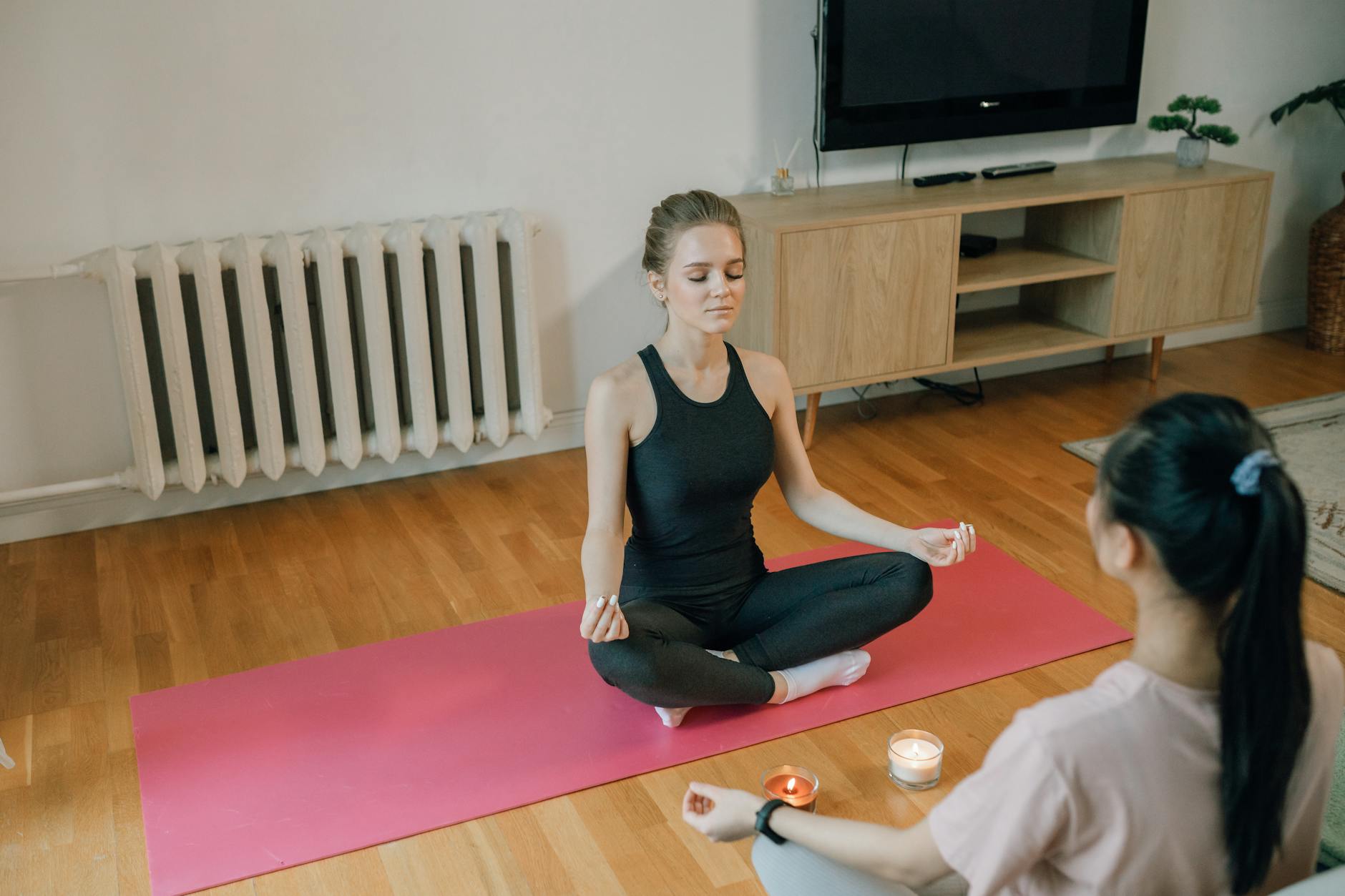
Getting Started with Beginner Yoga at Home: The Essentials
Creating Your Yoga Sanctuary: Space and Setup
You don't need a dedicated yoga room to practice at home. Honestly, a small, clear space is all you need. A corner of your living room, a spare bedroom, or even your backyard will work. The key is to create a space that feels calm and inviting. Roll out your yoga mat, dim the lights, and maybe light a candle or diffuse some essential oils. Make it a place you *want* to be.
Essential Gear: What You Really Need
The good news is, you don't need a lot of fancy equipment to start. Here's the bare minimum:
- A Yoga Mat: This is the foundation of your practice. Choose one that's comfortable and provides good grip.
- Comfortable Clothing: Wear something that allows you to move freely. Think leggings, shorts, or a t-shirt.
- Optional Props: Blocks, straps, and blankets can be helpful, especially for beginners. But don't feel like you need them right away.
Finding the Right Resources: Yoga Videos and Guides
The internet is overflowing with yoga videos and tutorials, so finding the right ones for you is essential. Look for beginner-friendly classes that focus on proper alignment and modifications. YouTube is a great place to start, with countless free options. Consider trying a few different instructors to see whose style resonates with you.
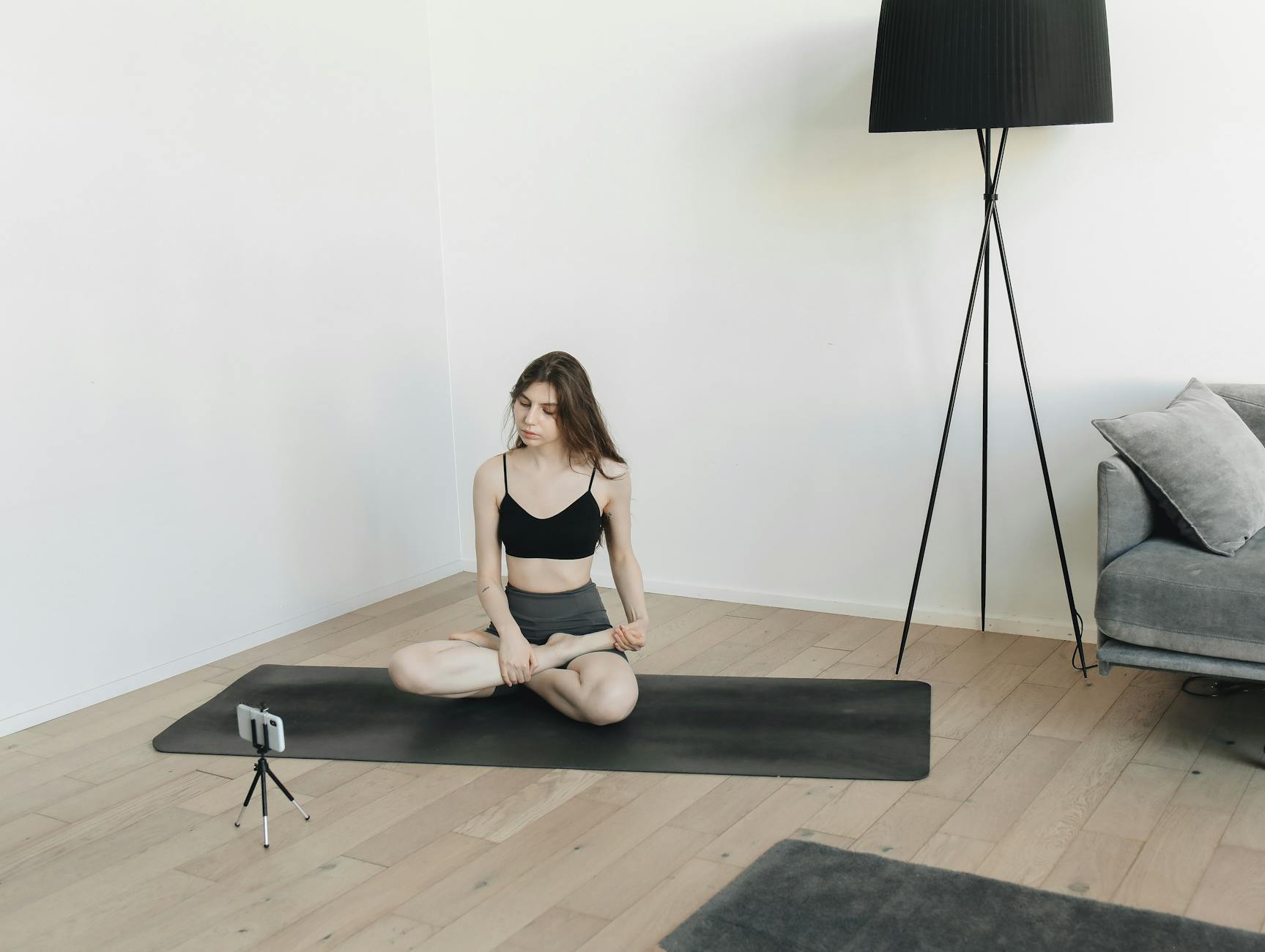
Easy Yoga Poses for Beginners at Home
The Foundation: Basic Poses to Master
Before you start flowing, it's essential to build a solid foundation. These poses are the building blocks of many yoga sequences:
- Mountain Pose (Tadasana): Ground yourself, stand tall, and breathe.
- Downward-Facing Dog (Adho Mukha Svanasana): A classic pose that stretches the entire body.
- Warrior I & II (Virabhadrasana I & II): Strengthens legs and opens the hips.
- Triangle Pose (Trikonasana): Improves flexibility and balance.
- Child's Pose (Balasana): A restorative pose for relaxation.
Step-by-Step Instructions: Mastering the Basics
Don't worry if you don't get it right away. Here's a simplified guide to get you started:
- Mountain Pose: Stand with your feet hip-width apart, arms at your sides. Engage your core, and breathe deeply.
- Downward-Facing Dog: Start on your hands and knees. Tuck your toes and lift your hips up and back, forming an inverted V-shape.
- Warrior I: Step one foot forward, bend your front knee, and raise your arms overhead.
- Warrior II: Turn your torso to the side, extend your arms, and look over your front hand.
- Triangle Pose: Step your feet wide, reach one arm down towards your leg, and lift the other arm towards the ceiling.
- Child's Pose: Kneel, bring your forehead to the floor, and rest your arms at your sides.
Modifications and Variations: Adapting to Your Body
Remember, yoga is about listening to your body. Don't push yourself too hard, especially when you're just starting out. Use modifications to make poses easier. For example, if Downward-Facing Dog is too intense, you can bend your knees. If you have tight hamstrings, use blocks to support your hands in a forward fold.
Home Yoga for Beginners: Crafting Your Routine
Building a Consistent Practice: The Power of Habit
The key to reaping the benefits of home yoga is consistency. Aim to practice a few times a week, even if it's just for 15-20 minutes. Schedule it into your day, just like any other important appointment. Over time, it will become a natural part of your routine.
Creating a Yoga Flow: Putting Poses Together
Once you're comfortable with the basic poses, you can start stringing them together into a flow. Start with a warm-up, followed by sun salutations, standing poses, and then some floor poses. Finish with a cool-down and savasana (corpse pose). There are countless pre-made yoga flows online, or you can create your own.
Finding Your Flow: Tips for a Sustainable Practice
Listen to your body, and don't be afraid to modify poses. Experiment with different styles of yoga to find what you enjoy most. Maybe you prefer a more dynamic, energetic flow, or perhaps you're drawn to a slower, more restorative practice. The goal is to find something that you can stick with long-term.
What Nobody Tells You About Beginner Yoga at Home
The Mental Benefits: Beyond the Physical
While yoga is fantastic for your physical health, the mental benefits are often overlooked. Yoga is a powerful tool for reducing stress, improving focus, and cultivating a sense of calm. You'll probably notice a difference in your mood and outlook after just a few sessions. Think about the last time you felt overwhelmed; yoga can help.
Addressing Common Concerns: Staying Motivated
It's easy to get sidetracked when practicing at home. To stay motivated, set realistic goals, find a time that works for you, and create a designated yoga space. If you're struggling, consider joining an online community or finding a virtual yoga buddy to keep you accountable.
Here's the truth: You Don't Have to Be Flexible
I used to think you had to be incredibly flexible to do yoga. But that's a myth! Yoga is for everyone, regardless of their level of flexibility. The poses will help you increase your flexibility over time, but it's not a prerequisite. The goal isn't to touch your toes, it's to connect with your body and your breath.
Yoga for Beginners at Home: Addressing Common Issues
Yoga for Flexibility: Stretching Your Limits
Yoga is incredibly effective for improving flexibility. Certain poses, like forward folds and hip openers, are designed to stretch and lengthen muscles. Regular practice will help you become more flexible over time. You might find that you can touch your toes, or even improve your posture.
Yoga for Stress Relief: Finding Your Calm
The combination of movement and breathwork makes yoga a powerful stress reliever. Yoga can help you calm your nervous system and reduce the production of stress hormones. You can even use it to help with muscle recovery after a workout.
Yoga for Weight Loss: A Holistic Approach
While yoga isn't a high-intensity workout, it can contribute to weight loss. It helps to build muscle, which boosts your metabolism. Furthermore, the mindful aspect of yoga can help you become more aware of your eating habits. Some studies, like those found on National Institutes of Health research on beginner yoga at home, have explored this connection.
Taking the First Step: Your Beginner Yoga at Home Journey
So, are you ready to roll out your mat? Remember, beginner yoga at home is about more than just physical postures. It's about self-discovery, mindfulness, and creating a healthier, happier you. Start small, be patient, and embrace the journey. Don't worry about being perfect; just show up for yourself. You might even notice improvements in your forward head posture.
Embrace the simple joy of moving your body, connecting with your breath, and finding your own personal oasis of calm. Start today, and you'll be amazed at the transformation.