I'll be real with you: most people think flexibility is just about touching your toes. That's it. But that's like saying a car is just about having wheels. It misses the entire engine, the chassis, the whole point of getting from A to B. In reality, true flexibility is about unlocking your body's full potential, preventing those nagging aches, and actually making your workouts more effective. Forget the fluffy stuff; this is about practical movement. If you're looking to truly enhance your physical capabilities, understanding a solid flexibility exercises list is non-negotiable.
The Real Reason Flexibility Matters (It's Not What You Think)
Most of us associate flexibility with dancers or yogis. And sure, they're flexible. But so is a construction worker who can squat deep to lift heavy materials without straining their back, or a runner who can stride powerfully without their hamstrings feeling like concrete. Flexibility isn't just a nice-to-have; it's foundational for everyday life and athletic performance. It directly impacts your range of motion exercises, how well you recover, and critically, how you prevent injuries.
Beyond the Stretch: What Flexibility Truly Does
Think about the last time you reached for something on a high shelf, or bent down to tie your shoes. These simple acts require a certain degree of flexibility. When that's compromised, you compensate. This compensation often leads to other muscles overworking, joints being stressed in ways they shouldn't be, and eventually, pain. It’s a domino effect, and it starts with stiffness.
Your Body's Warning Signs
You might be experiencing stiffness without even realizing it's a flexibility issue. Limited shoulder mobility preventing you from a full overhead press, tight hips making it hard to sit comfortably for long periods, or a stiff lower back that makes getting out of bed a chore – these are all signals.
The Injury Prevention Powerhouse
This is where I see so many people miss the mark. They focus on strength, which is vital, but neglect the connective tissue and muscle length that allow those strong muscles to move through their full, intended range. When muscles are tight and inflexible, they become more prone to tears and strains, especially under load or during sudden movements. The World Health Organization has consistently highlighted the importance of physical activity, and that includes maintaining supple muscles and joints. Studies, like those found on National Institutes of Health research on flexibility exercises list, often link improved flexibility to a reduced risk of musculoskeletal injuries.
When Muscles Say "No"
Imagine a rubber band that's been left out in the cold. It's brittle, right? Apply a sudden stretch, and it snaps. Human muscle and fascia can behave similarly when they're chronically tight. This is why a comprehensive flexibility exercises list is so crucial for anyone engaged in physical activity.
Your Essential Flexibility Exercises List: The Go-To Moves
Alright, let's get down to brass tacks. This isn't just a random collection; these are tried-and-true movements that target major muscle groups. We'll cover both static and dynamic stretches, because both have their place. Remember, consistency is king here. Doing these a few times a week is far better than one marathon session every month.
Lower Body Powerhouses
Your legs do a lot of work. Let's give them some love.
Hamstring Stretches
Tight hamstrings are a plague for runners and desk-dwellers alike.
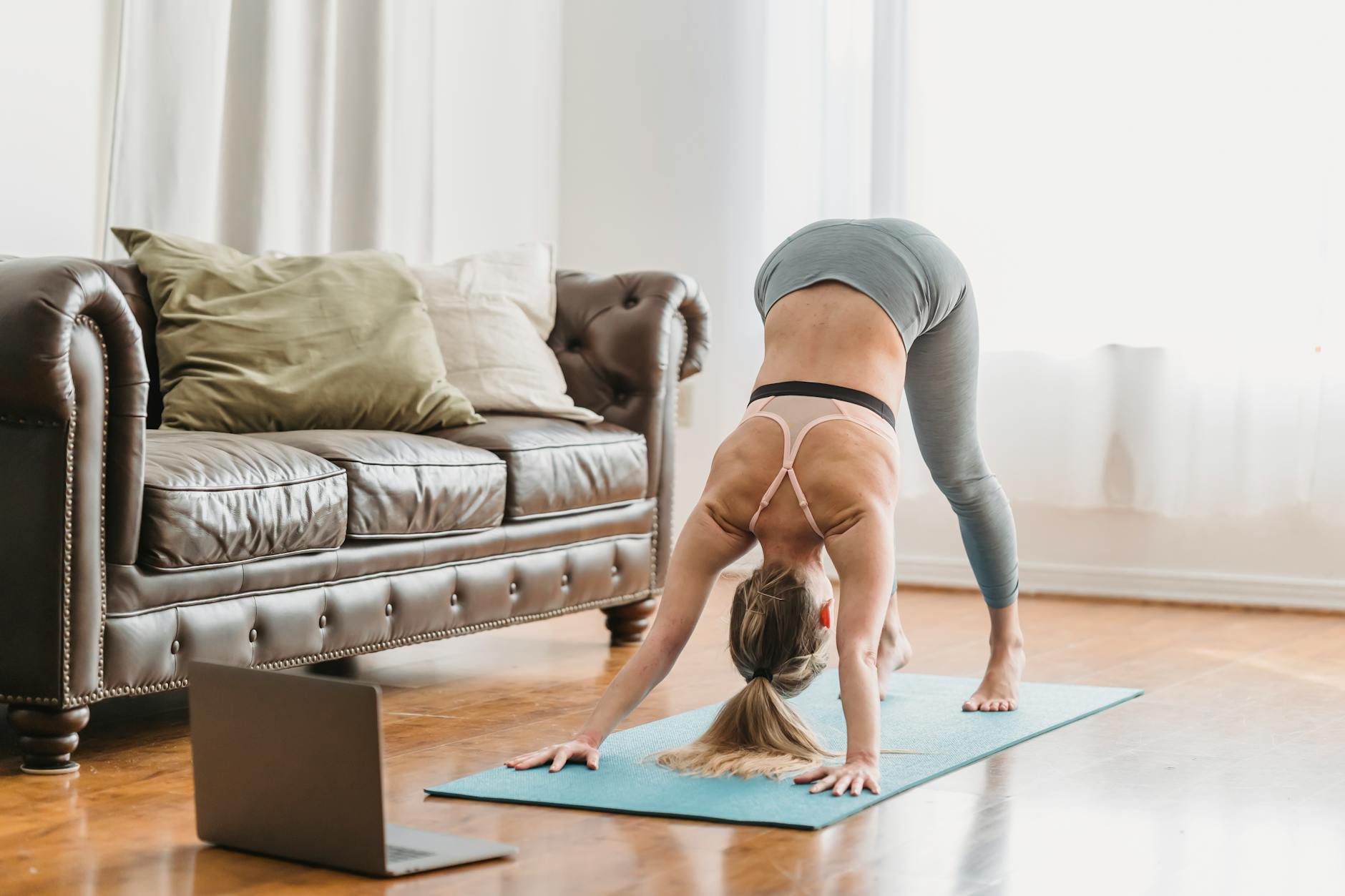
- Standing Hamstring Stretch: Stand tall, then hinge at your hips, keeping your back straight. Reach towards your toes. Don't worry if you can't touch them; aim for a comfortable stretch in the back of your thighs. Hold for 20-30 seconds.
- Seated Hamstring Stretch: Sit on the floor with one leg extended and the other bent, sole of the foot against the inner thigh of the extended leg. Lean forward from your hips towards the foot of the extended leg. Repeat on the other side.
Quad Stretches
These are often overlooked but crucial for knee health and hip flexor mobility.
- Standing Quad Stretch: Stand with your feet hip-width apart. Grab your right ankle with your right hand and gently pull your heel towards your glutes, feeling the stretch in the front of your thigh. Keep your knees close together. Hold for 20-30 seconds and switch legs.
Hip Flexor and Glute Stretches
Tight hips can lead to back pain. Let's open them up.
- Kneeling Hip Flexor Stretch: Kneel on one knee, with the other foot flat on the floor in front of you, forming a 90-degree angle at the knee. Gently push your hips forward, keeping your torso upright. You should feel a stretch in the front of the hip of the kneeling leg. Hold for 20-30 seconds and switch.
- Pigeon Pose (Modified): From a tabletop position, bring one knee forward towards your wrist, with your shin angled across your mat. Extend the other leg straight back. If this is too intense, place a block or pillow under the hip of the bent leg. Gently lower your torso towards the floor. This is a deep stretch, so ease into it.
Upper Body and Torso Mobility
Don't forget your shoulders, chest, and back. They're just as important.
Chest and Shoulder Openers
Many of us spend hours hunched over keyboards or phones. This opens things up.
- Doorway Chest Stretch: Stand in a doorway and place your forearms on the doorframe, elbows bent at 90 degrees and at shoulder height. Step forward gently until you feel a stretch across your chest and the front of your shoulders. Hold for 20-30 seconds.
- Arm Circles (Dynamic): Stand with your arms extended to the sides. Make small circles forward, gradually increasing the size. Then reverse and make circles backward. Do 10-15 circles in each direction.
Back and Torso Twists
A mobile spine is a healthy spine.
- Seated Spinal Twist: Sit on the floor with your legs extended. Bend your right knee and cross your right foot over your left thigh, placing it flat on the floor. Place your right elbow on the outside of your right knee and gently twist your torso to the right, looking over your right shoulder. Hold for 20-30 seconds and switch sides.
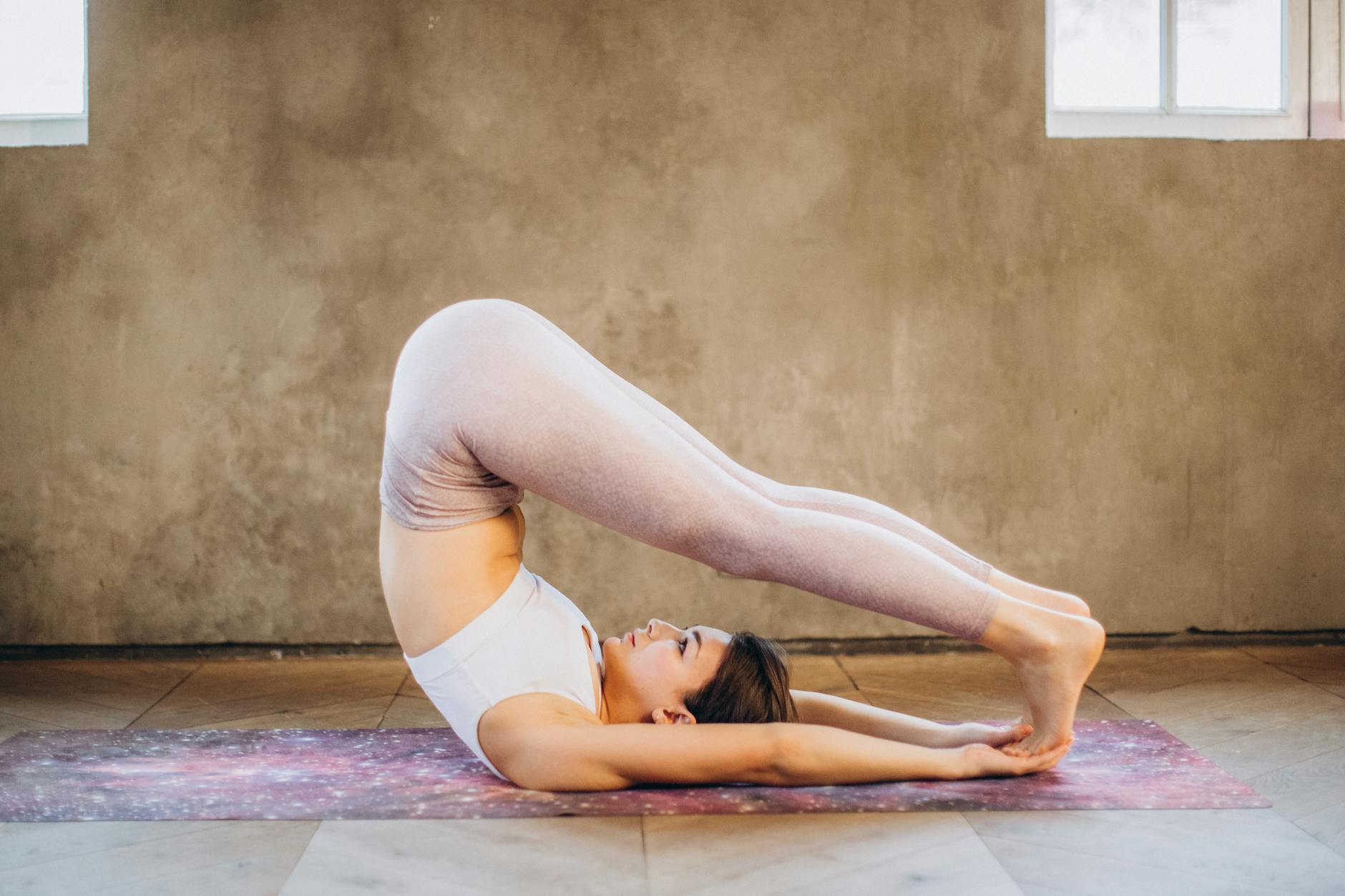
- Cat-Cow Pose: Start on your hands and knees. As you inhale, drop your belly, arch your back, and look up (Cow pose). As you exhale, round your spine, tuck your chin to your chest, and let your back rise (Cat pose). Flow between these two for 5-10 breaths.
Dynamic vs. Static Stretching: When to Use What
This is a crucial distinction that many people gloss over. Using the wrong type of stretch at the wrong time can actually be counterproductive.
Dynamic Stretching: The Warm-Up Warrior
Dynamic stretching involves controlled movements through a joint's range of motion. Think of it as actively preparing your muscles for work. It increases blood flow, warms up the muscles, and improves mobility. It's perfect before a workout. I used to just jump into static stretches before running, and honestly, I felt tighter. Dynamic is the way to go pre-activity.
Examples of Dynamic Stretches
These are movements that mimic the actions you'll be doing.
- Leg swings (forward/backward and side-to-side)
- Arm swings (forward and backward)
- Torso twists (gentle, controlled rotation)
- Walking lunges with a twist
Static Stretching: The Cool-Down Champion
Static stretching involves holding a stretch for a period of time (typically 20-30 seconds) until you feel a mild tension. This is best done after your workout when your muscles are warm and more pliable. It helps to increase muscle length and improve overall flexibility over time. Trying to force a deep static stretch on cold muscles is a recipe for strain.
When Static Stretching Shines
After a good sweat session is prime time. It aids recovery and helps return muscles to their resting length. This is where your full body flexibility routine truly shines. If you're looking for beginner workout routines, incorporating static stretches post-exercise is a fantastic starting point.
Building a Full Body Flexibility Routine
Creating a routine that hits all your major muscle groups is key to balanced flexibility. It doesn't need to take hours. Even 10-15 minutes several times a week can make a significant difference. This is where a structured flexibility exercises list becomes your roadmap.
Consistency is Non-Negotiable
Here's the thing: you won't see results if you only stretch when you remember. Schedule it in. Maybe it's after your morning coffee, or before bed. Or dedicate a specific day of the week for a longer session. I find that pairing it with something I already do, like after my Cardio Fat Burning Workouts: Torch Calories Fast!, makes it stick.
Your Weekly Plan
Aim for at least 3-5 sessions per week.
- Pre-Workout (5-10 mins): Focus on dynamic stretches.
- Post-Workout (10-15 mins): Focus on static stretches, hitting the muscles you worked.
- Rest Days (15-20 mins): A more relaxed, full-body static stretching session.
Listen to Your Body
This is paramount. Never push into pain. A stretch should feel like a mild tension, not a sharp, burning sensation. If something hurts, back off. You might be overdoing it, or you might be stretching a muscle that's already injured. Consulting with a physical therapist or a certified trainer can be invaluable if you're unsure about specific movements or have existing pain. The National Institutes of Health offers a wealth of information on safe exercise practices.
When to Seek Professional Guidance
If you experience persistent pain, limited mobility that doesn't improve, or have specific concerns about an injury, don't hesitate to reach out to a healthcare professional. They can help tailor a flexibility program to your unique needs.

Flexibility Training Exercises for Long-Term Gains
This isn't a quick fix. Building lasting flexibility takes time and dedication. It's about creating habits that support your body's health and function for years to come. Incorporating a diverse flexibility exercises list into your life pays dividends in how you feel and move every single day. It’s about more than just touching your toes; it’s about living a more capable, pain-free life. Think about how much better you'll feel on your next hike, or how much easier that strenuous workout becomes when your body is moving freely. It’s a game-changer.