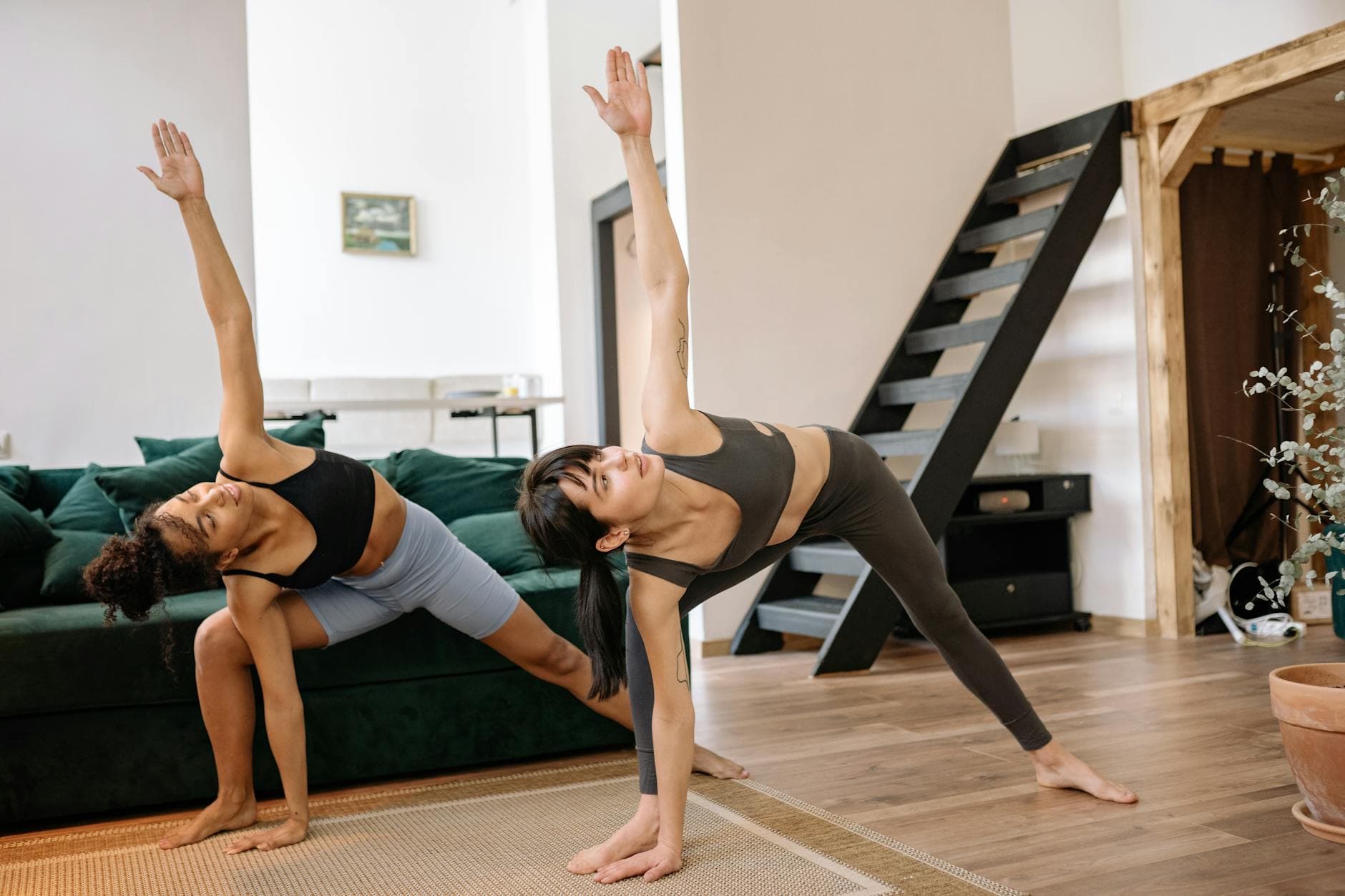
Imagine…
What if you could touch your toes with ease? Picture yourself moving through your day, feeling loose, limber, and energized. Imagine the relief from nagging aches and pains, the newfound freedom in your movements. This is the potential of the best flexibility exercises, a practice that can transform your body and your life.
Why Flexibility Matters More Than You Think
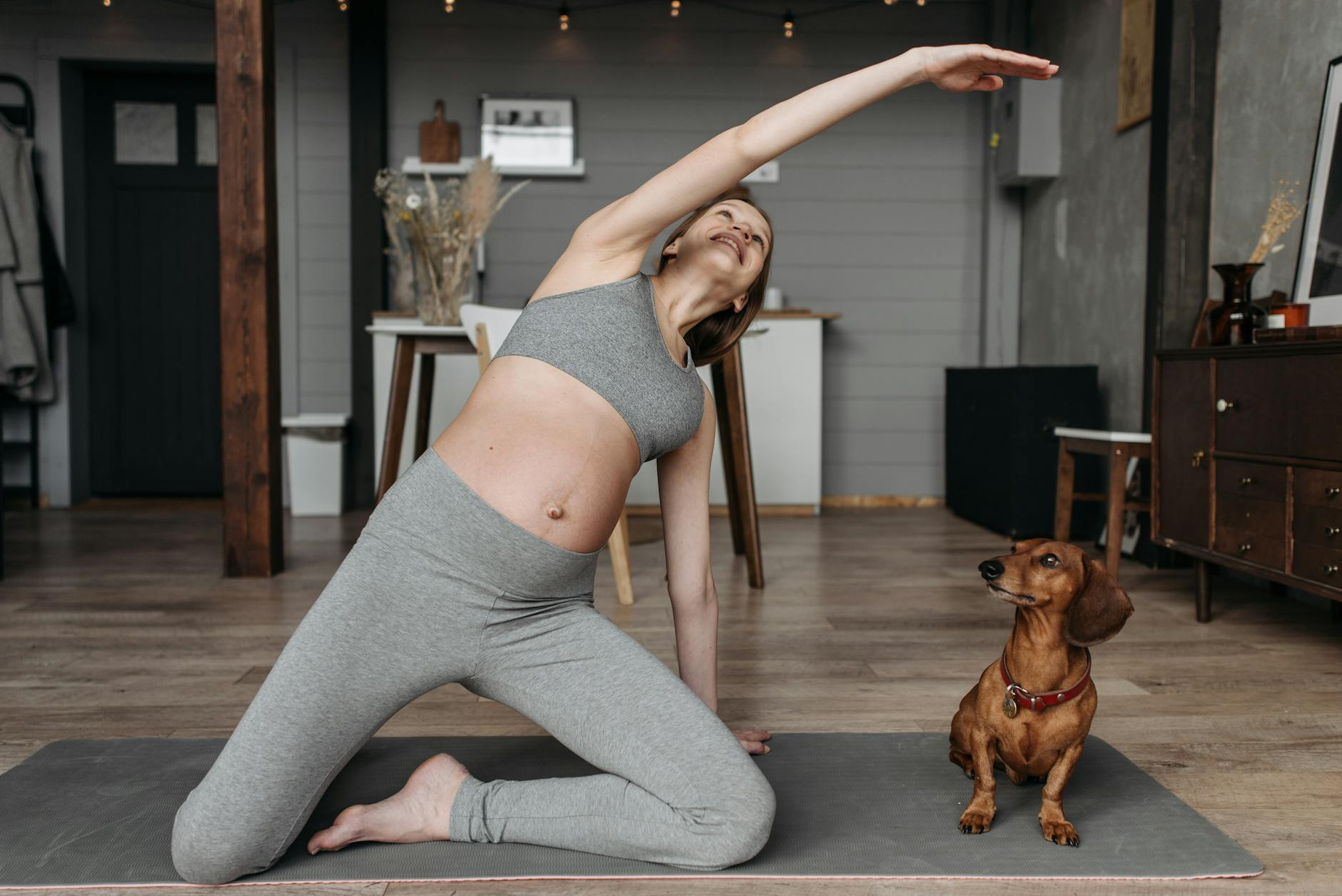
You might be wondering, why bother with flexibility? I get it. We're all busy, and it's easy to prioritize other things. But here's the thing: flexibility is the foundation of so much more than just being able to do the splits. It impacts your overall well-being in ways you might not realize.
The Hidden Benefits of a Flexible Body
Think about the last time you bent down to pick something up. Or twisted to reach for something in the back seat of your car. If you felt a twinge or a stiffness, you understand the importance of flexibility. It's crucial for everything from everyday movements to athletic performance. Improved flexibility reduces your risk of injuries, improves your posture, and even boosts your mood. The Centers for Disease Control and Prevention highlights the importance of physical activity, and flexibility is a key component.
Flexibility and Pain Management
You've probably noticed that as we age, we tend to stiffen up. This stiffness can contribute to chronic pain, especially in your back, neck, and hips. Regular stretching exercises can help alleviate this pain by improving blood flow, reducing muscle tension, and increasing your range of motion. Honestly, it's a game-changer.
Flexibility's Role in Athletic Performance
For athletes, flexibility is non-negotiable. Whether you're a runner, a weightlifter, or a yoga enthusiast, having a good range of motion is crucial for optimal performance. It allows you to move more efficiently, generate more power, and reduce your risk of injury. I used to think flexibility was just for yoga, but I learned that it is a critical component for every sport.
Getting Started: Best Flexibility Exercises for Beginners
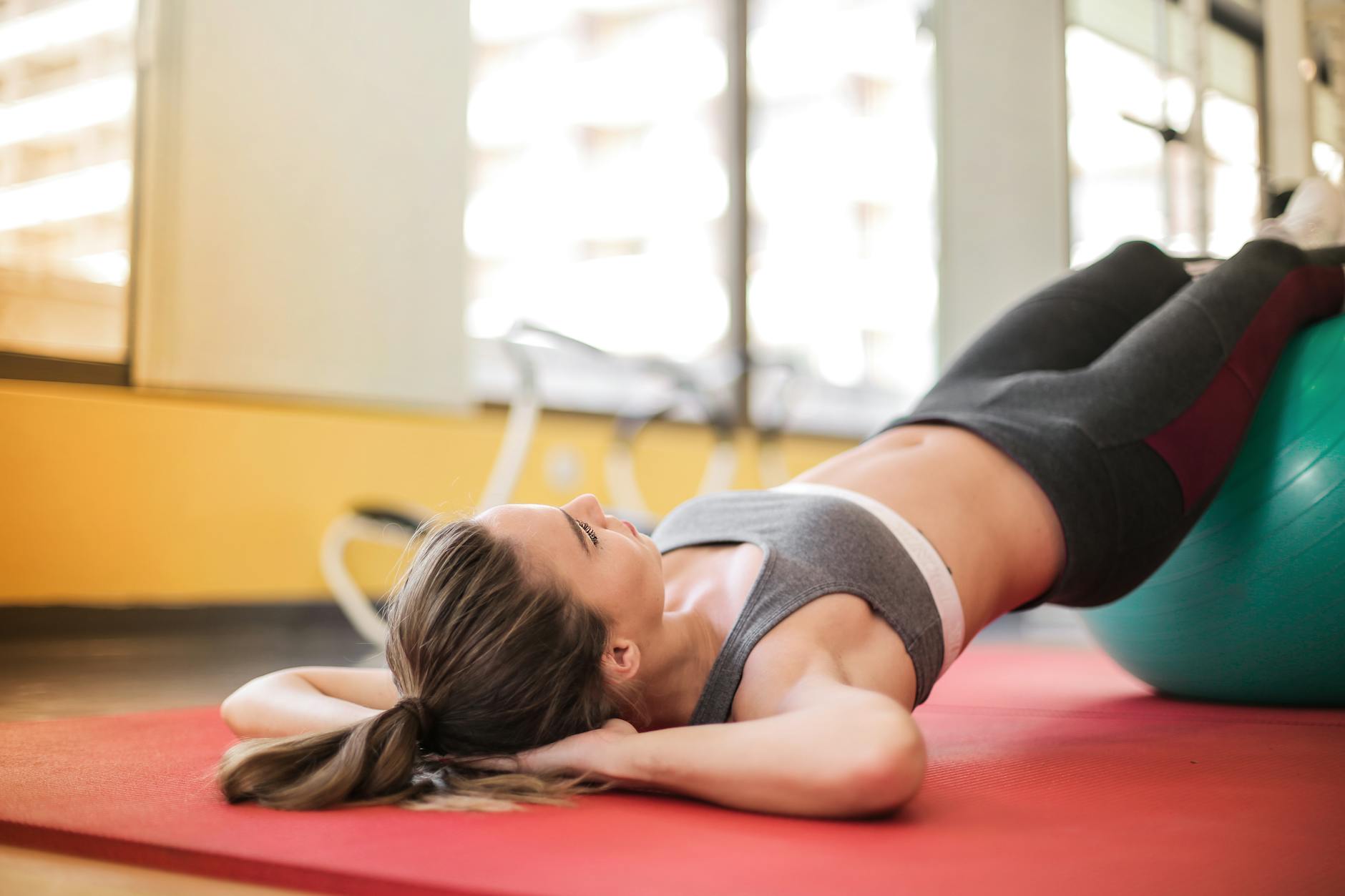
If you're new to the world of flexibility, don't worry. It's never too late to start. The key is to start slow, be consistent, and listen to your body. There are plenty of beginner-friendly stretching exercises that can help you improve your flexibility.
Warm-Up Exercises to Prep Your Body
Before you dive into any stretching routine, it's essential to warm up your muscles. This increases blood flow, making your muscles more pliable and less prone to injury. Simple warm-up exercises include light cardio, such as jogging in place or jumping jacks, and dynamic stretches, which involve movement. Dynamic stretches are active movements that take your joints through their full range of motion.
Foundational Stretching Exercises
Some of the best stretches for flexibility are also some of the simplest. Consider these starting points:
- Hamstring Stretch: Sit with your legs extended, reach toward your toes.
- Quadriceps Stretch: Stand and pull your heel towards your glutes.
- Shoulder Stretch: Reach one arm across your body and gently pull it towards your chest.
Perform each stretch for 20-30 seconds, focusing on deep, controlled breathing. Remember, it's about feeling a gentle stretch, not pushing yourself to the point of pain.
Cool-Down Stretches After Exercise
After your workout, cool-down stretches are just as important as your warm-up. These cool down stretches help your muscles recover and prevent soreness. Hold each stretch for a longer duration, around 30-60 seconds.
Beyond the Basics: Improving Flexibility Exercises
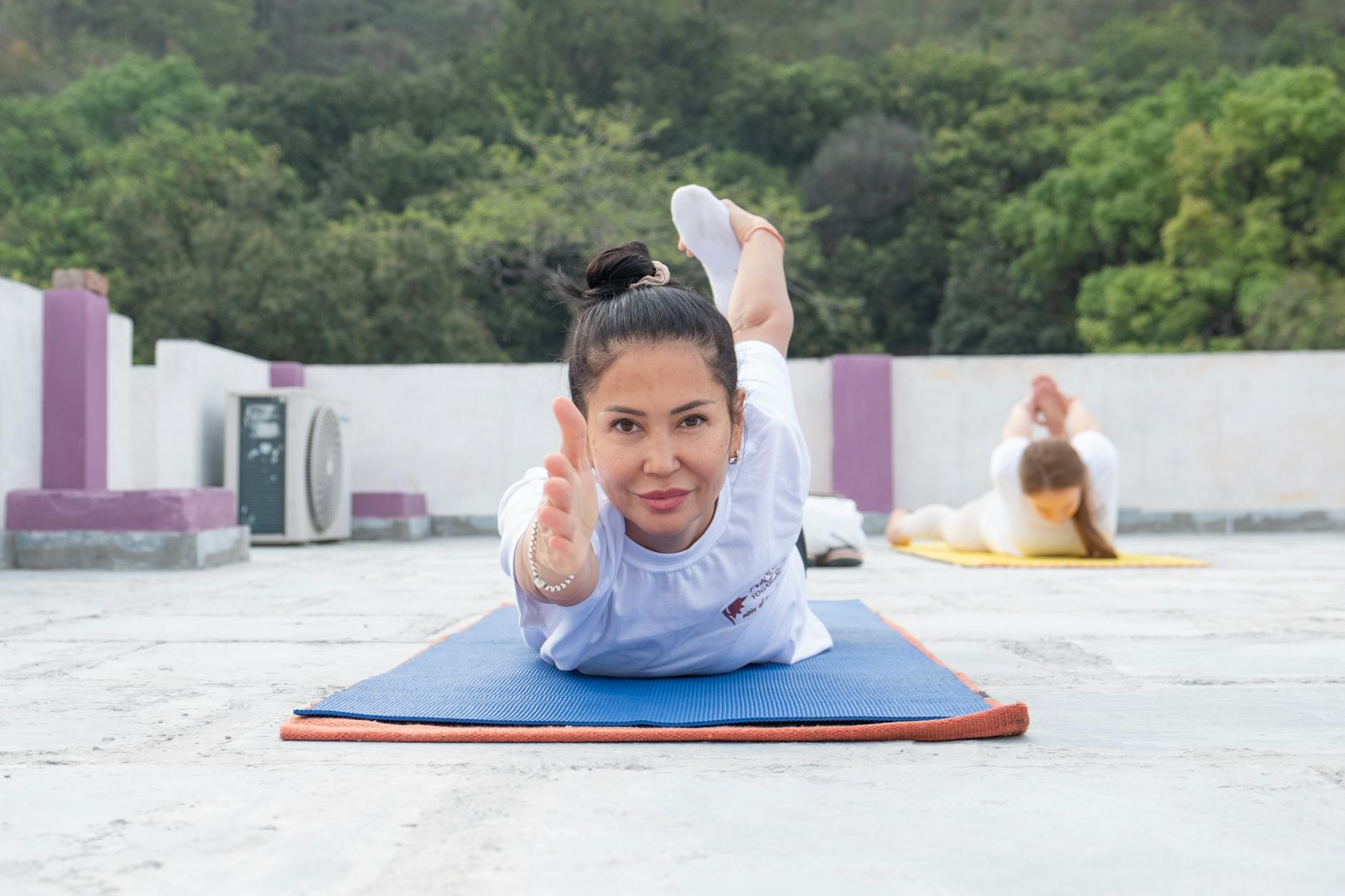
Once you've established a foundation, you can start incorporating more advanced stretching exercises to further improve your flexibility. This will gradually increase your range of motion.
Exploring Yoga Poses for Enhanced Flexibility
Yoga is a fantastic way to improve flexibility. Yoga poses, or asanas, are designed to stretch and strengthen your muscles while promoting relaxation and mindfulness. Many yoga poses are excellent examples of stretching exercises for flexibility. The practice of yoga is more than just physical; it's a holistic approach to wellness.
The Benefits of Pilates for Flexibility and Core Strength
Pilates is another excellent option. It focuses on core strength and flexibility, and it's a great way to improve your posture and body awareness. Pilates exercises often incorporate controlled movements that challenge your muscles and improve your range of motion. This one surprised me, but Pilates really helped with my hip mobility.
Progressive Stretching Techniques
As you become more flexible, you can gradually increase the intensity of your stretches. This might involve holding stretches for longer durations, using props like resistance bands or blocks, or incorporating more challenging variations of your favorite stretches. But be patient! The key is to listen to your body and avoid pushing yourself too hard, too fast.
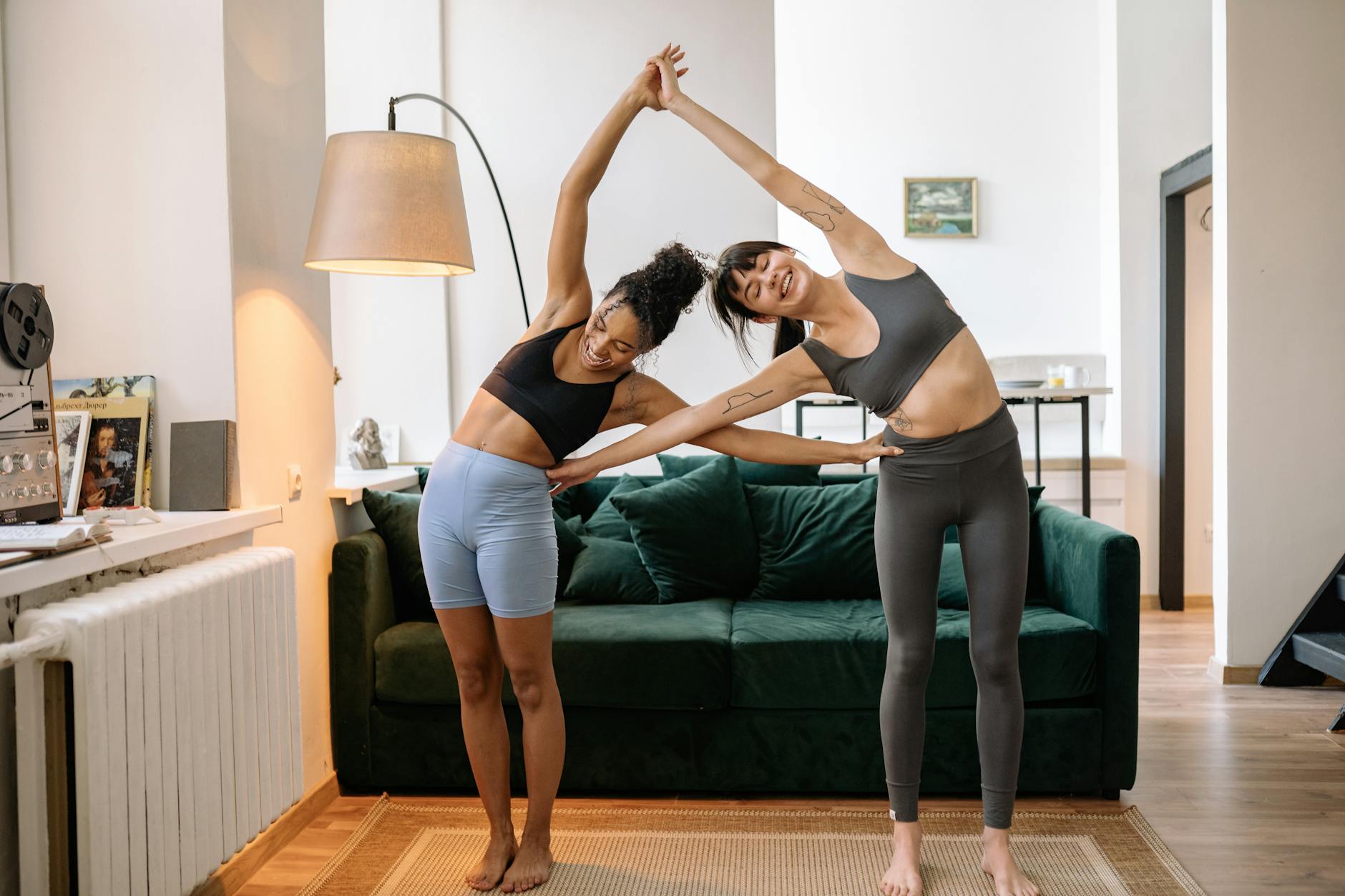
Crafting Your Daily Flexibility Routine
Consistency is key when it comes to improving your flexibility. Creating a daily flexibility routine is the best way to see results. It doesn't have to be long or complicated, but it should be something you can stick to.
Creating a Realistic Schedule
Aim to stretch at least 3-5 times per week. Even 10-15 minutes of stretching each day can make a big difference. The best time to stretch is when your muscles are warm, such as after a workout or after a warm shower.
Sample Daily Routine
Here's a simple routine you can follow:
- Warm-up: 5 minutes of light cardio and dynamic stretches.
- Main Stretches: Hold each stretch for 30 seconds.
- Cool-down: 5 minutes of static stretches.
Remember, this is just a starting point. Feel free to adjust the routine to fit your needs and preferences.
Listen to Your Body
It's absolutely essential to pay attention to your body's signals. If you feel any pain, stop the stretch immediately. Don't try to force yourself into a position that feels uncomfortable. The goal is to improve your flexibility, not to injure yourself.
Avoiding Common Mistakes in Flexibility Training
There are a few common pitfalls to avoid when working on your flexibility. By being aware of these mistakes, you can maximize your results and minimize your risk of injury.
Overstretching and Pushing Too Hard
One of the biggest mistakes is pushing yourself too hard, too fast. It's tempting to want to see results quickly, but forcing a stretch can lead to muscle strains or other injuries. Remember, slow and steady wins the race.
Ignoring Proper Form
Improper form can also lead to injuries. Make sure you're performing each stretch correctly, focusing on proper alignment and controlled movements. If you're unsure about the correct form, consider consulting with a qualified fitness professional.
Neglecting Consistency
Consistency is the cornerstone of any successful flexibility program. Skipping workouts or only stretching occasionally won't get you very far. Make stretching a regular part of your routine, just like brushing your teeth or eating healthy meals.
The Science Behind Flexibility: Why It Works
Understanding the science behind flexibility can help you appreciate its importance and motivate you to stick with your routine.
The Role of Muscles and Connective Tissue
Your flexibility is determined by the length and elasticity of your muscles, tendons, and ligaments. Regular stretching helps to lengthen these tissues, increasing your range of motion.
How Stretching Improves Range of Motion
Stretching also improves your range of motion by improving the communication between your nervous system and your muscles. This allows your muscles to relax and lengthen more effectively. National Institutes of Health research on best flexibility exercises supports the benefits of stretching.
The Impact on Joint Health
Flexibility exercises also contribute to good joint health. By keeping your muscles and connective tissues flexible, you can reduce the stress on your joints and prevent wear and tear.
The Takeaway: Your Path to a More Flexible You
So, what's the bottom line? The best flexibility exercises are those that you enjoy and that you can consistently incorporate into your life. Whether you choose yoga, Pilates, or a combination of different stretches, the key is to be patient, persistent, and listen to your body.
I'll be real with you: it won't happen overnight. Building flexibility is a journey, not a destination. But with dedication and the right approach, you can significantly improve your range of motion, reduce pain, and enhance your overall well-being. Think about the last time you felt truly free in your body. Now, imagine that feeling every day. That's what's waiting for you. This journey can also complement muscle-building workout plans, and other fitness goals.