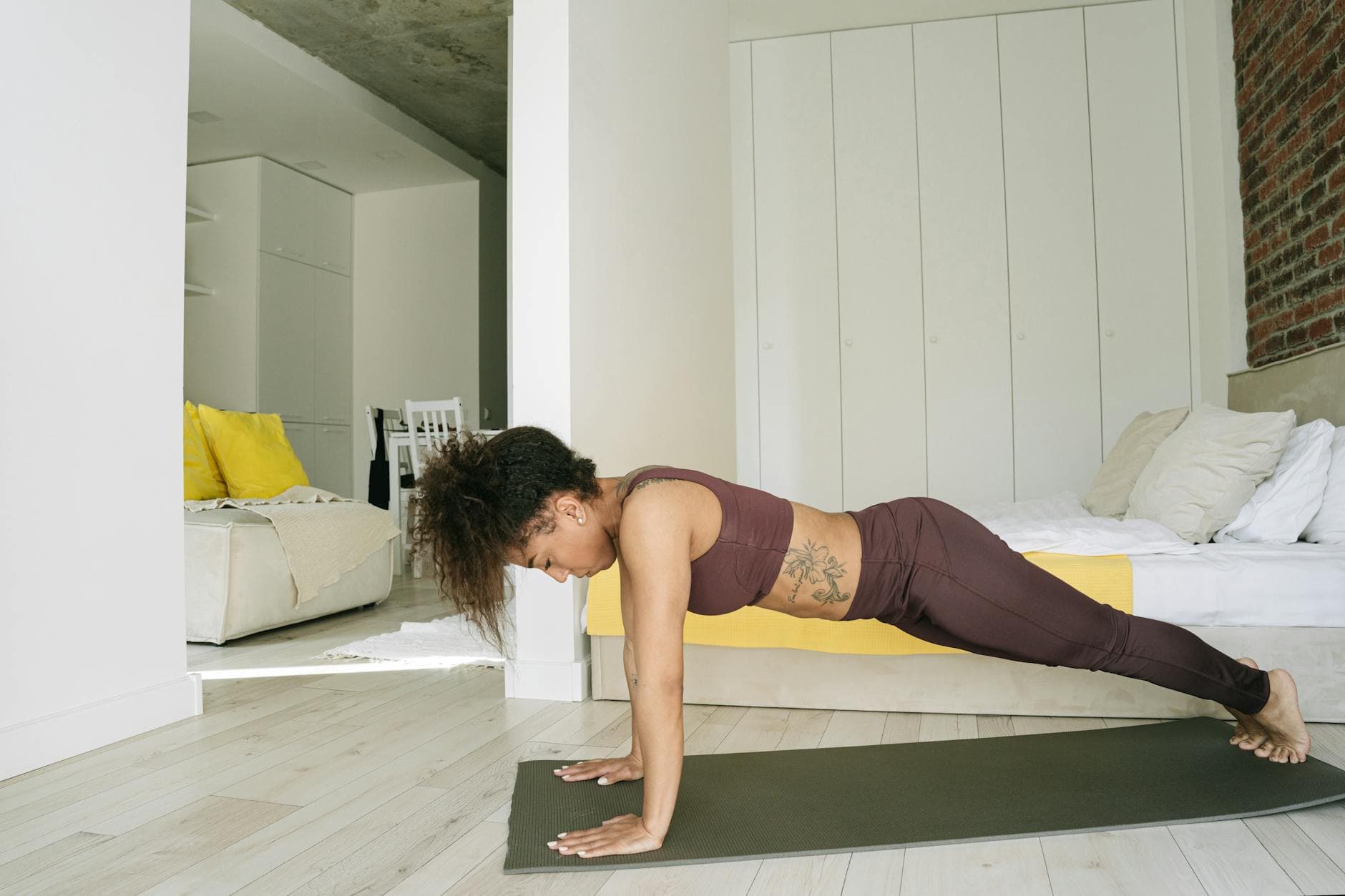
There's this pervasive myth that to get a serious workout, you need a gym membership, fancy equipment, or at least a dedicated home gym. I'll be real with you, for years I bought into that. I thought if I wasn't dripping sweat on a treadmill or grunting under a heavy barbell, I wasn't really "training." But then life happened. Travel, financial shifts, just plain old wanting more freedom – these all pushed me to explore the incredible potential of bodyweight workouts home. And guess what? My mind was blown. You don't need much, if anything, to build strength, boost your metabolism, and sculpt your body right in your living room. This isn't just about convenience; it's about rediscovering a primal, effective way to move your body that's been with us forever.
The Underestimated Power of Your Own Body
Dispelling the "No Pain, No Gain" Fallacy
You've probably heard the saying, "no pain, no gain." It’s a catchy phrase, but it’s also incredibly misleading when it comes to fitness. True progress isn't about enduring agony; it's about consistent, intelligent effort. For years, I pushed myself to the brink, thinking that was the only way to see results. I’d spend hours in the gym, feeling completely wrecked afterwards. What I learned is that consistency trumps intensity. A well-structured bodyweight workout done regularly will yield far better results than sporadic, brutal sessions that leave you sidelined with injury. It’s about listening to your body, understanding its limits, and pushing them intelligently.
Strength Isn't Just About Heavy Weights
Think about it: the most powerful athletes in the world – gymnasts, rock climbers, parkour athletes – they often rely heavily on their own body weight. They’ve mastered the art of using leverage, tension, and movement to create incredible strength. This is proof that you don't need external resistance to build a powerful physique. Your body weight provides a dynamic and ever-adapting load. As you get stronger, you can increase the difficulty by changing the tempo, the range of motion, or the exercise variations themselves. This is the essence of progressive overload, and it’s entirely achievable without a single dumbbell.
Accessibility: Fitness for Everyone, Everywhere
The beauty of bodyweight workouts home is their unparalleled accessibility. No commute to the gym, no waiting for equipment, no weather concerns. You can roll out of bed and start your workout. This removes so many common barriers that prevent people from exercising regularly. For those who are just starting out, a beginner bodyweight workout is the perfect entry point. It allows you to build a solid foundation of strength and coordination without the intimidation factor of a gym environment. Honestly, it’s one of the most democratic forms of exercise available.
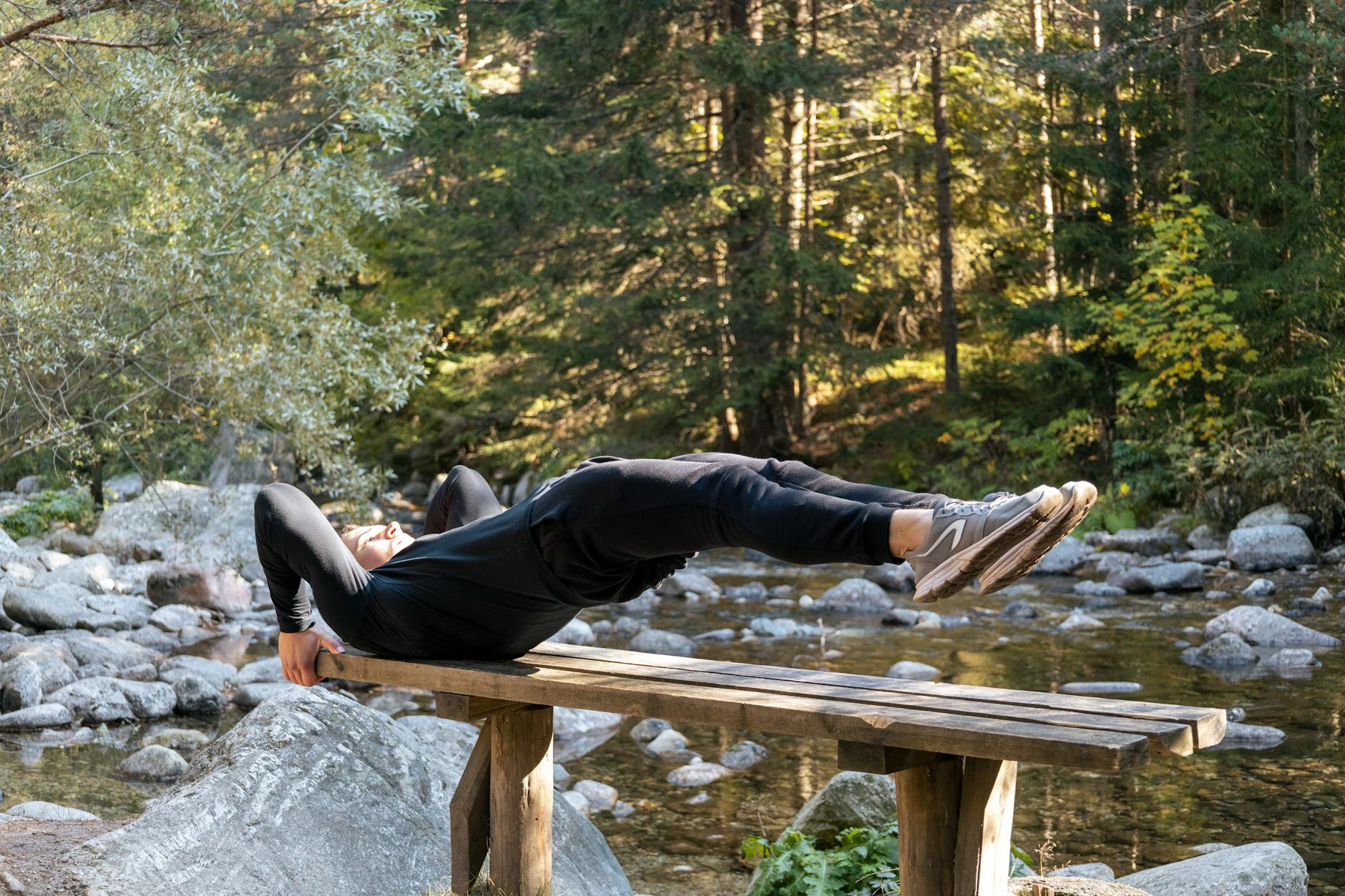
Building Your Foundation: Essential Bodyweight Exercises
The Cornerstones of a Full Body Workout
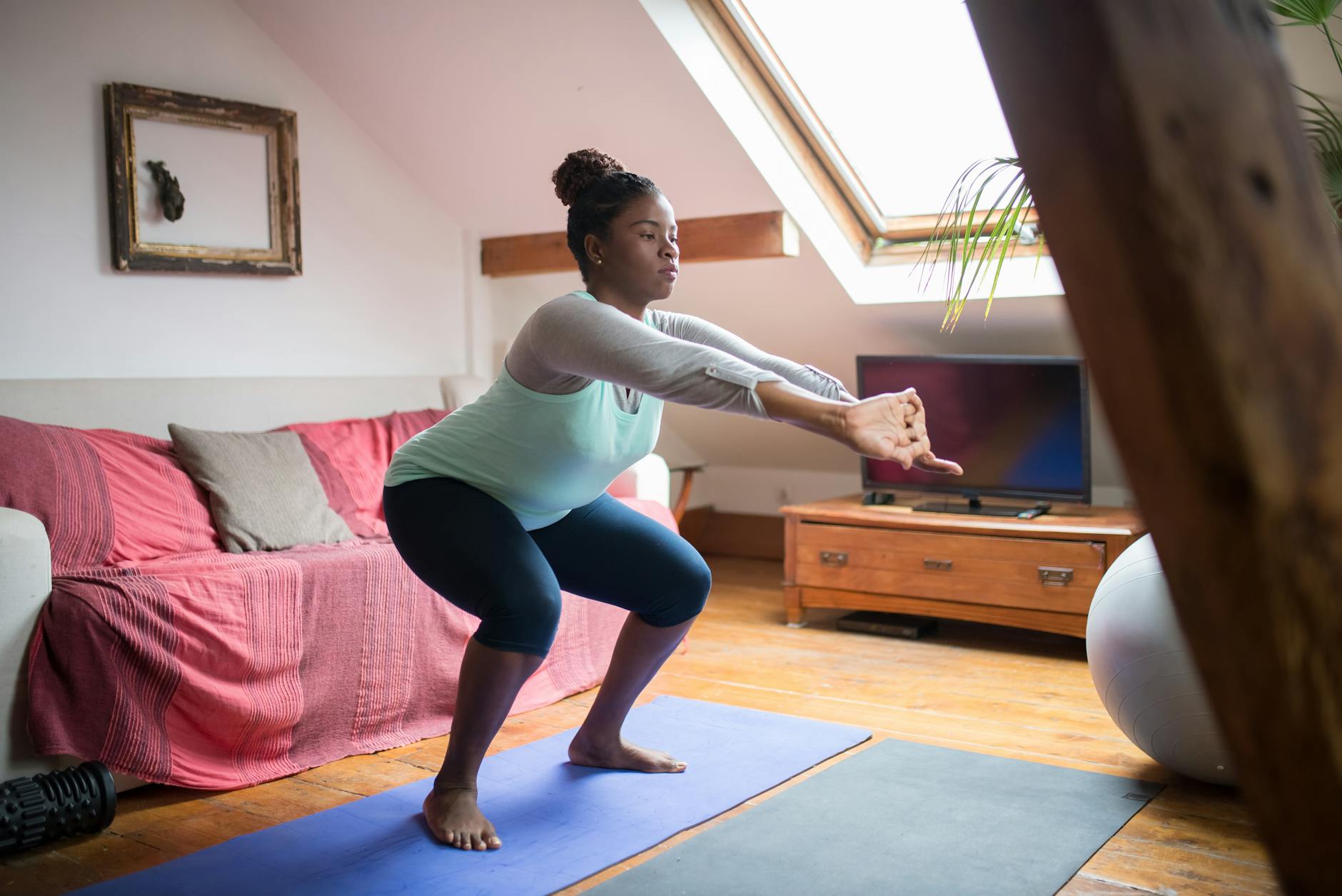
When you're starting with bodyweight workouts home, it’s crucial to focus on compound movements. These are exercises that work multiple muscle groups simultaneously, making them highly efficient. Squats, for instance, are phenomenal for your legs and glutes, but they also engage your core and back. Push-ups, even on your knees initially, are fantastic for your chest, shoulders, and triceps. Lunges add a unilateral challenge, improving balance and targeting each leg independently. And for the posterior chain, glute bridges are a simple yet effective way to activate your hamstrings and glutes.
Mastering the Basics: Form Over Speed
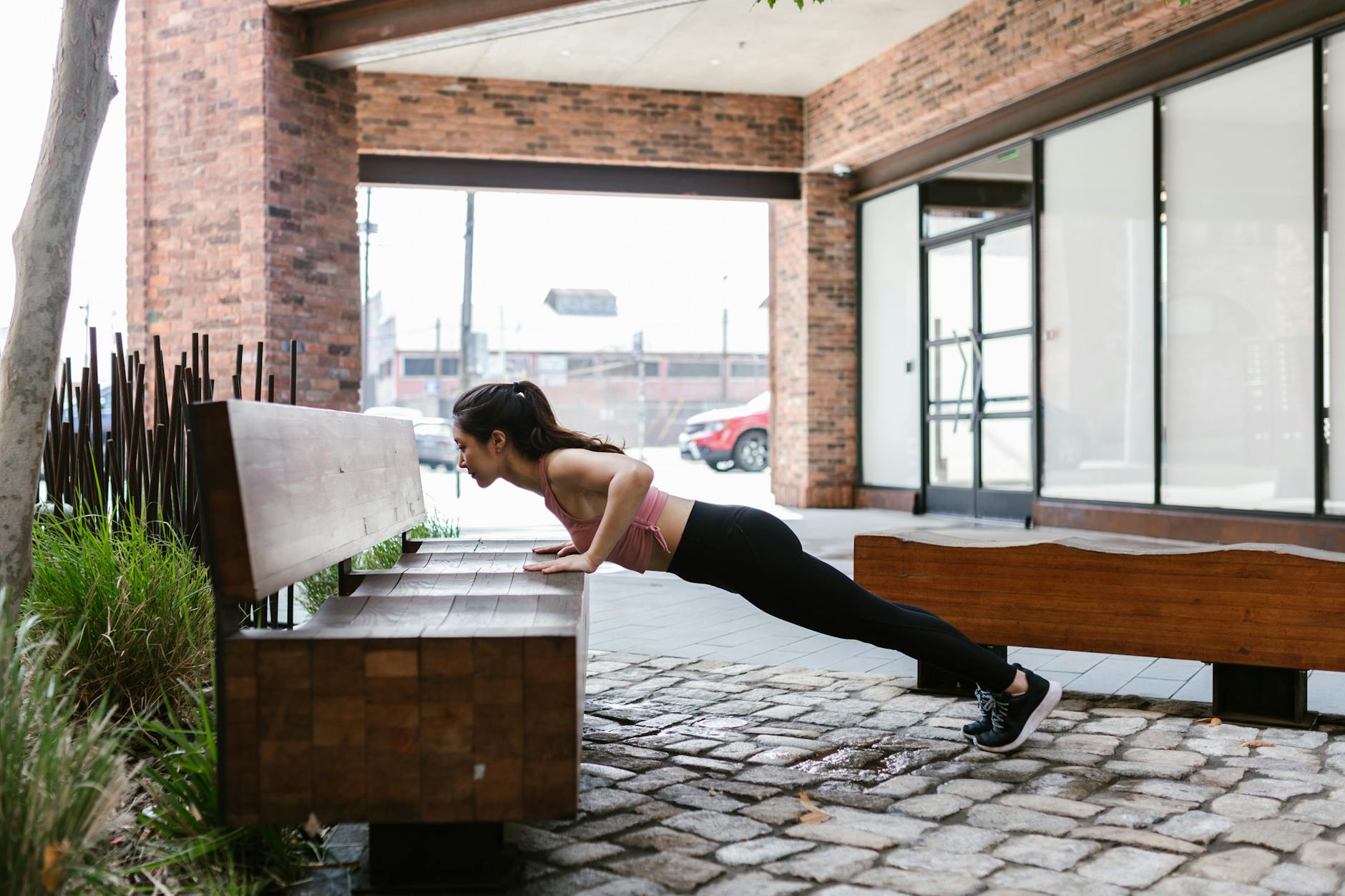
Here's the thing: I used to rush through exercises, focusing on reps rather than technique. That’s a recipe for injury and stalled progress. With easy bodyweight exercises, proper form is paramount. For squats, imagine sitting back into a chair, keeping your chest up and your back straight. For push-ups, maintain a rigid plank position from head to heels. Don't let your hips sag or your back arch. It’s better to do five perfect push-ups than twenty sloppy ones. This mindful approach not only prevents injuries but also ensures you’re effectively targeting the intended muscles. You can find countless resources online to check your form, or even record yourself for self-correction.
Progressive Overload: How to Keep Getting Stronger
So, you’ve mastered the basic squat. What next? This is where the magic of progressive overload comes in, even without adding weight. You can increase the time under tension by slowing down the eccentric (lowering) phase of the movement. For example, take four seconds to lower yourself into a squat and one second to come up. You can also increase the range of motion – try Bulgarian split squats by elevating your rear foot. Another effective method is increasing the number of repetitions or sets, or decreasing rest periods between sets. For an even greater challenge, explore plyometric variations like jump squats once your strength base is solid. This constant adaptation keeps your body challenged and growing.

Crafting Your Home Workout Routine No Equipment
Structuring Your Week for Success
A common mistake people make is doing the same thing every day. Your body needs rest and recovery to build muscle. For a full body bodyweight workout routine, I recommend aiming for 3-4 sessions per week, with at least one rest day in between. This allows your muscles to repair and grow stronger. Think of it like this: Monday, Wednesday, Friday. Or Tuesday, Thursday, Saturday. The exact days aren't as important as the consistency and the recovery. On rest days, focus on active recovery like light walking or stretching. This approach ensures you're not overtraining and are giving your body the best chance to adapt.
The Importance of Warm-Up and Cool-Down
You wouldn't drive your car without letting the engine warm up, right? Your body is no different. A good warm-up prepares your muscles and joints for the work ahead, reducing the risk of injury and improving performance. Start with 5-10 minutes of light cardio, like jogging in place or jumping jacks, followed by dynamic stretches such as arm circles, leg swings, and torso twists. Similarly, a cool-down helps your body gradually return to its resting state. Static stretches, holding each for 20-30 seconds, are great for improving flexibility. Spending just a few minutes on each can make a significant difference in how you feel during and after your workout.
Listen to Your Body: The Ultimate Feedback Loop
This one surprised me early on. I used to push through pain, thinking it was just muscle soreness. But sharp, persistent pain is your body's way of telling you something is wrong. If an exercise consistently causes discomfort, don't just power through it. Assess your form, consider if the exercise is appropriate for your current level, or if you need to modify it. For instance, if regular push-ups are too much, drop to your knees. If even that's difficult, try wall push-ups. The goal is sustainable progress, not a quick fix that leads to injury. Your body is your greatest tool and your most honest feedback system.
Beyond the Basics: Enhancing Your Bodyweight Training
Incorporating High-Intensity Intervals
Once you've built a solid foundation, you might be looking to boost your metabolism and cardiovascular fitness. This is where high intensity cardio can be incredibly effective, even with bodyweight exercises. Instead of doing steady-state cardio, you can implement High-Intensity Interval Training (HIIT). This involves short bursts of maximal effort followed by brief recovery periods. For example, you could do 30 seconds of burpees, followed by 30 seconds of rest, repeating for several rounds. This method is fantastic for burning calories in a shorter amount of time and improving your overall conditioning. I found that incorporating HIIT twice a week dramatically changed my fitness level.
The Role of Core Strength in All Movements
Your core is the powerhouse of your body, and it's engaged in almost every movement, especially in bodyweight workouts home. A strong core improves your posture, reduces your risk of back pain, and enhances your athletic performance. Beyond planks, incorporate exercises like Russian twists (even without weight), leg raises, and bird-dogs. Think about how your core stabilizes you during squats and push-ups. Strengthening it directly translates to better performance in all other exercises. It’s truly the foundation upon which all other strength is built. You can find a wealth of specific core exercises that require no equipment.
Mind-Muscle Connection: Feeling the Work
This is a more subtle but incredibly powerful aspect of training. It’s about consciously engaging the muscles you intend to work. When you do a squat, don't just go through the motions. Feel your glutes and quads working. With push-ups, focus on squeezing your chest and triceps. This mental connection amplifies the effectiveness of each repetition. It’s like the difference between just going through the steps of a recipe and truly understanding the ingredients and how they interact. Cultivating this mind-muscle connection will elevate your bodyweight workouts home from simply moving your body to intelligently sculpting it.
Making Fitness a Sustainable Part of Your Life
Fueling Your Body for Optimal Performance
You can have the best home exercise program in the world, but without proper fuel, you're not going to see the results you desire. Hydration is absolutely critical. I can't stress this enough. Dehydration can lead to fatigue, headaches, and decreased performance. Make sure you're drinking enough water throughout the day, especially before, during, and after your workouts. Explore Hydration Hacks: Boost Spring Fitness & Energy Fast for some great tips. Beyond water, ensure you're consuming a balanced diet with adequate protein to support muscle repair and growth. Think of your body as a high-performance machine; it needs premium fuel to run its best.
Consistency is King, Even in Small Doses
The biggest hurdle for most people isn't the difficulty of the exercises, but maintaining consistency. Life gets busy, motivation wanes. That's why I advocate for short, effective workouts. Even 20-30 minutes of focused effort can make a significant difference. It’s far better to do a shorter workout consistently than to aim for an hour-long session sporadically. You might be wondering if a short workout is truly effective. The research on exercise frequency and consistency shows that regular, shorter bouts of activity are often more sustainable and lead to better long-term adherence than infrequent, longer sessions. This is key for anyone looking to lose weight at home or simply improve their overall fitness.
Finding Your "Why": The Driving Force
Why are you doing this? What’s your motivation for seeking out bodyweight workouts home? Is it to feel more energetic, to keep up with your kids, to boost your confidence, or to improve your health markers? Identifying your "why" is crucial for long-term adherence. When motivation dips, your "why" will be there to pull you through. For me, it started as a way to stay fit while traveling, but it evolved into a deep appreciation for my body's capabilities and the freedom that comes with being strong and healthy, regardless of my surroundings. Remember, this is your journey, and defining your personal goals will make all the difference.