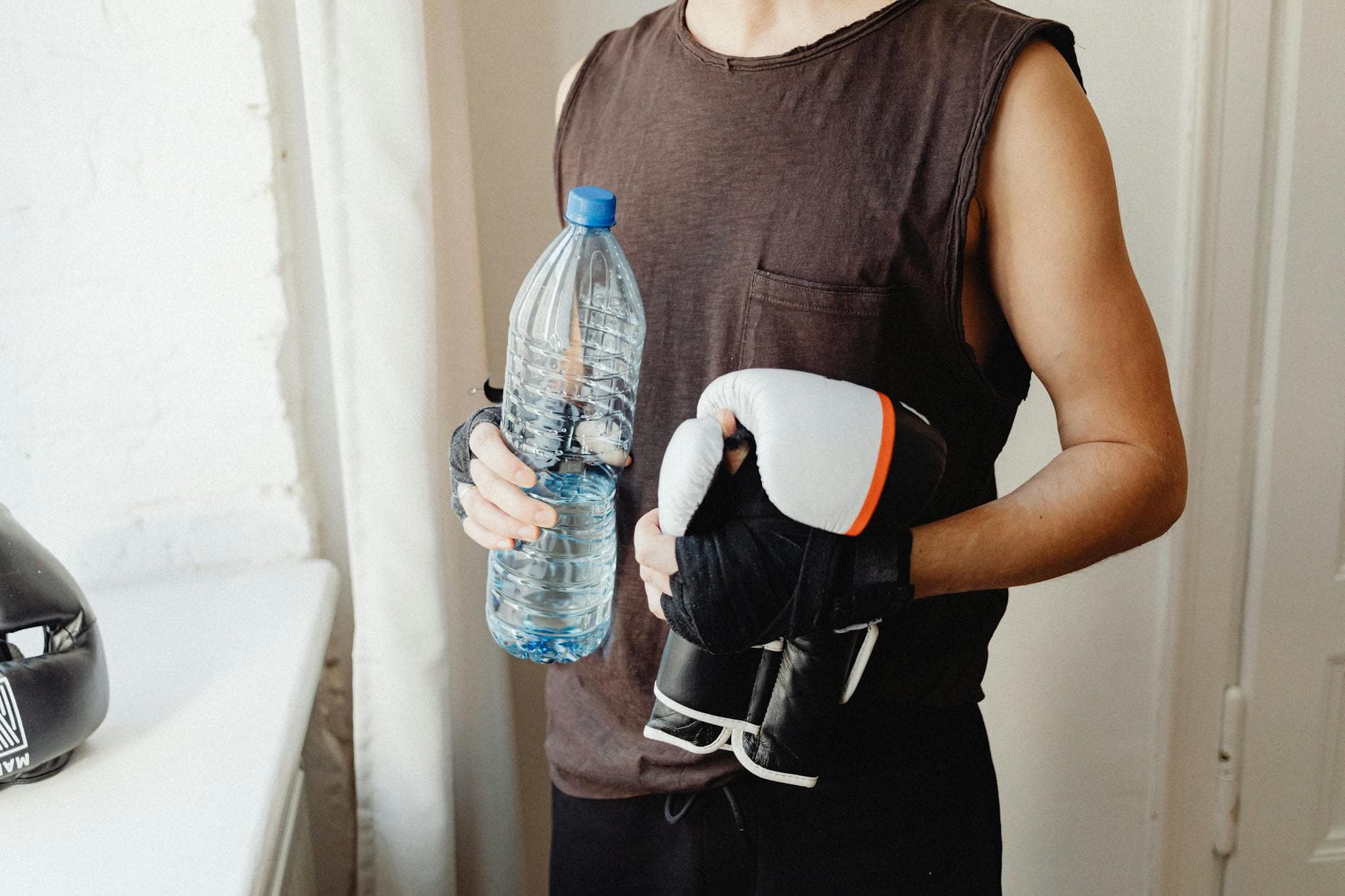
The midday sun beat down, relentless. I remember this one summer, training for a half-marathon, feeling like I was running through molasses. My legs felt heavy, my head swam, and every breath was a struggle. I’d chugged water all morning, or so I thought, but something was fundamentally off. It wasn’t just about gulping down plain water; it was about *how* and *when* I was doing it. That’s when I stumbled down the rabbit hole of truly understanding hydration, and let me tell you, the world of "hydration hacks" is a game-changer. It’s more than just quenching thirst; it’s about optimizing performance, boosting energy, and feeling genuinely good in your own skin.
Unlocking Peak Performance with Smarter Hydration
You might think you’re drinking enough, but are you drinking effectively? This is where the real magic happens, moving beyond basic water intake to strategic hydration.
The Subtle Art of Timing
When you choose to drink can be as crucial as how much. Your body has natural rhythms, and aligning your water intake with them can make a significant difference.
Morning Activation
I used to roll out of bed and immediately reach for coffee. Big mistake. Your body dehydrates overnight. Drinking a glass of water first thing in the morning is like a gentle wake-up call for your cells. It kickstarts your metabolism and prepares your system for the day.
Pre-Workout Power-Up
Don't wait until you're in the gym to think about hydration. Starting your workout already adequately hydrated is key. Aim to drink about 16-20 ounces of water two to three hours before exercise and another 8 ounces 20-30 minutes before you start. This ensures your body has ample fluid reserves.
The "How Much" Question, Answered
The old adage of eight glasses a day is a decent starting point, but it’s far from a universal truth. Your individual needs fluctuate based on activity level, climate, and even your diet.
Personalized Water Intake Fitness
Listen to your body. If you’re exercising intensely, especially in warmer weather, you'll need significantly more. A general guideline, often cited by health professionals, is to drink half your body weight in ounces of water daily. So, a 150-pound person might aim for 75 ounces. This is a solid baseline, but it’s not set in stone.
Beyond the Scale: Activity and Environment
Think about the last time you did an intense endurance cycling training session or spent a day working in the garden without adequate breaks. You sweat more, and you need to replenish that fluid loss. For every hour of strenuous exercise, you might need an additional 16-24 ounces of fluid. This is where understanding your workout hydration becomes critical.
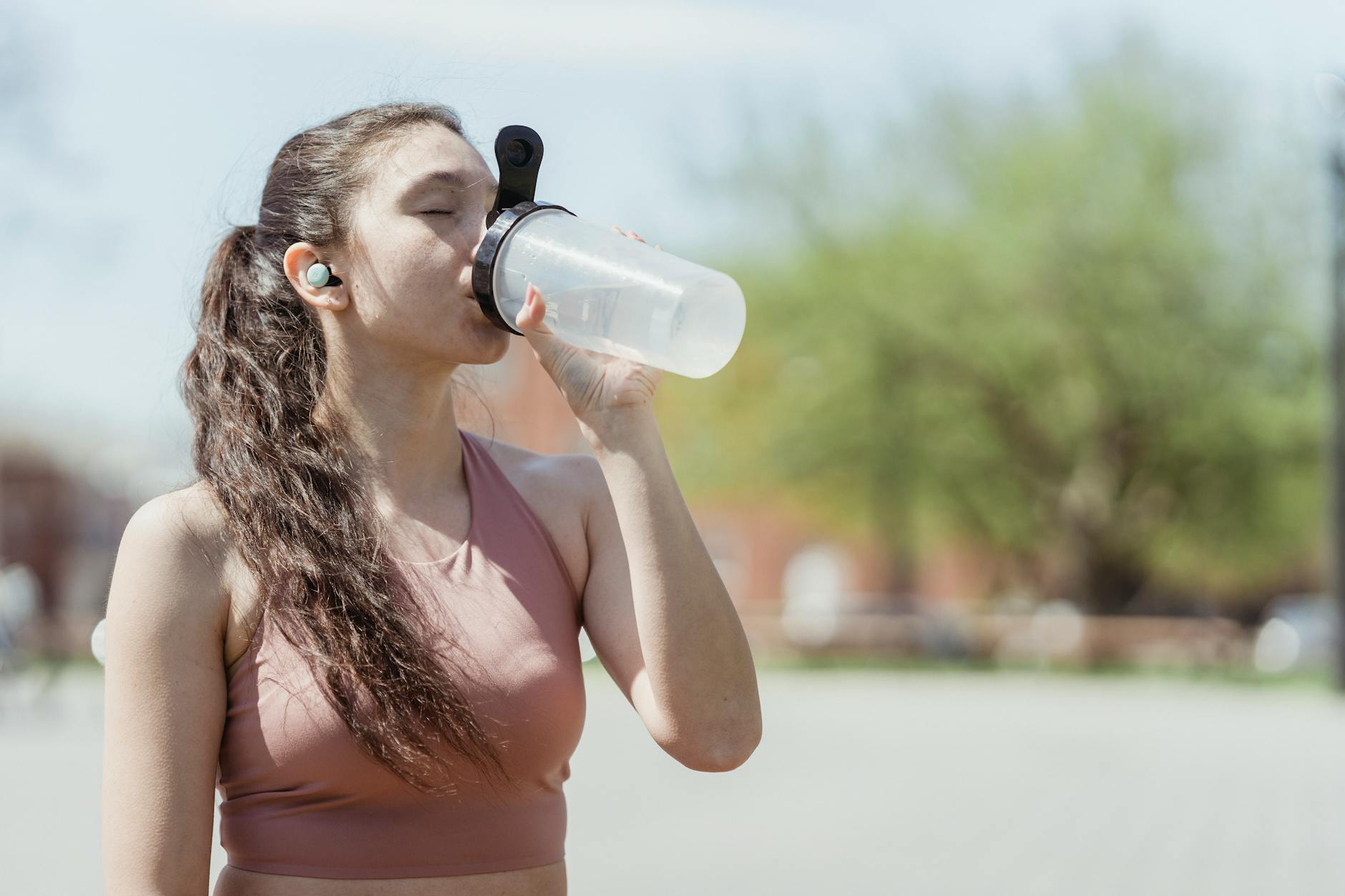
Beyond Plain Water: Delicious Hydration Hacks
Let’s be honest, sometimes plain water can feel a bit… boring. But that doesn't mean you have to sacrifice hydration for flavor. There are brilliant ways to make your water intake more appealing and even more effective.
Infused Water Wonders
This is one of my favorite, simplest hydration hacks. Adding fruits, vegetables, or herbs to your water not only makes it taste great but can also add a subtle boost of nutrients.
Citrus Zing
Lemon, lime, and orange slices are classic for a reason. They add a refreshing tang that can make you want to drink more. Cucumber slices offer a cool, spa-like feel.
Herbal Delights
Mint, basil, or even ginger can transform your water. Try a combination like cucumber and mint, or lemon and ginger for a zesty kick. This is fantastic for staying hydrated during the spring, especially with fresh produce readily available.
Electrolyte Boosts: The Secret Weapon
When you sweat, you don't just lose water; you lose electrolytes – vital minerals like sodium, potassium, and magnesium that help regulate fluid balance and muscle function. This is particularly important for runners or anyone engaged in prolonged, intense exercise.
Natural Replenishment
Coconut water is a fantastic natural source of electrolytes. It’s lower in sugar than many sports drinks and tastes great. You can also find electrolyte powders or tablets that you can add to your water.
DIY Electrolyte Drinks
For those on a budget or looking for more control over ingredients, a homemade electrolyte drink can be a lifesaver. Mix about 16 ounces of water with the juice of half a lemon or lime, a pinch of salt (for sodium), and a teaspoon of honey or maple syrup (for a little energy and potassium). This is a game-changer for sustained energy during long workouts.
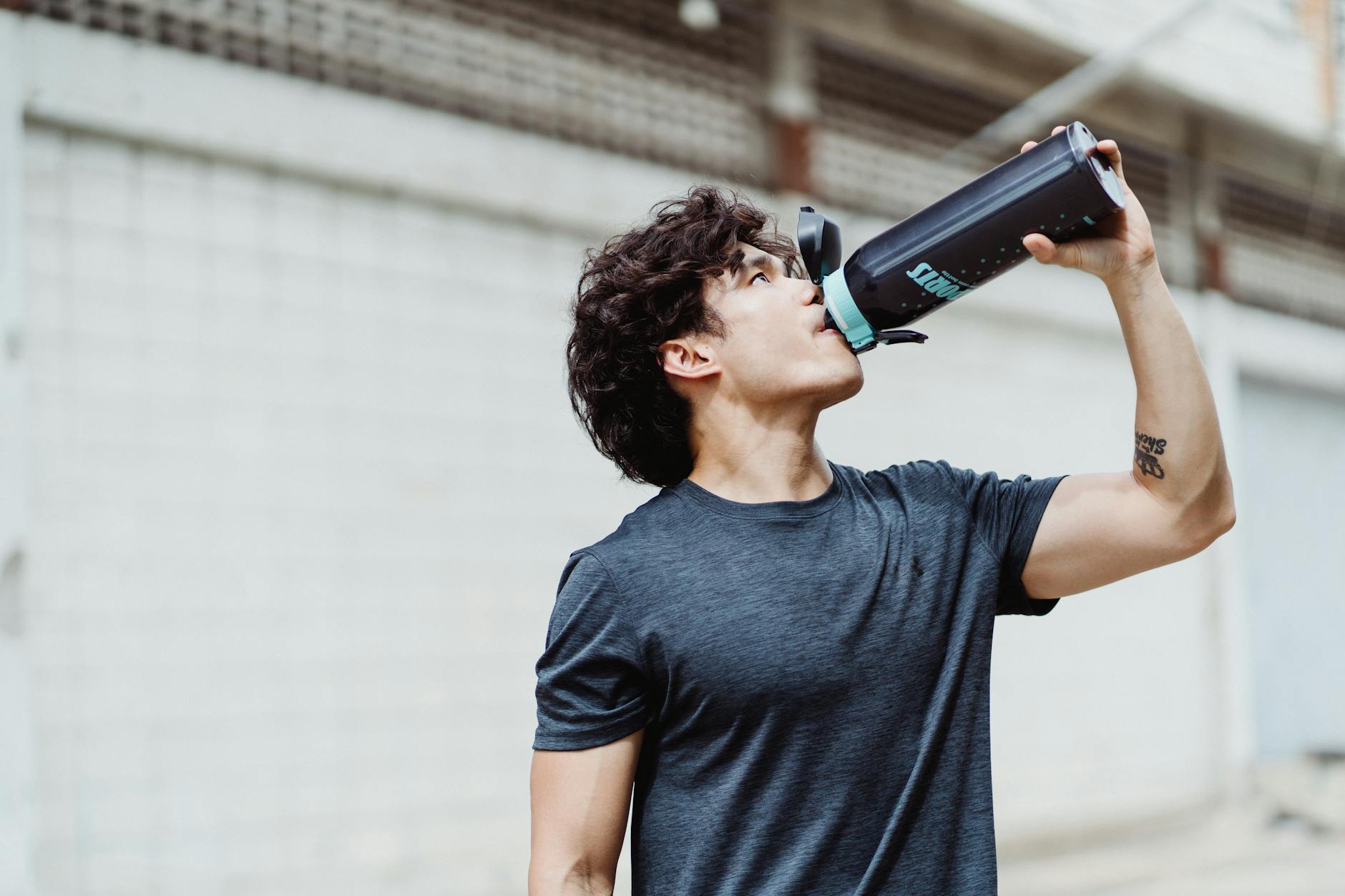
Common Pitfalls and How to Avoid Them
We all make mistakes. I certainly have! Understanding the common traps people fall into with hydration can save you a lot of discomfort and subpar performance.
The Dehydration Deception
Dehydration doesn't always announce itself with extreme thirst. Sometimes, the symptoms are more subtle and can be mistaken for fatigue or lack of motivation.
Recognizing the Signs
You might experience headaches, dizziness, dry mouth, reduced urine output (and it’s darker than usual), muscle cramps, or even irritability. If you're starting to feel these, you're likely already behind. I’ll be real with you, I’ve pushed through workouts feeling “off” only to realize later I was severely dehydrated. It’s not worth it.
The Morning Fog
That sluggish feeling when you wake up? Often, it's just mild dehydration from the night. A quick glass of water can clear that fog faster than you might think.
The "I'll Drink Later" Trap
Procrastinating on your water intake is a surefire way to fall behind. Your body needs a steady supply of fluids throughout the day, not just when you feel parched.
Sip Steadily
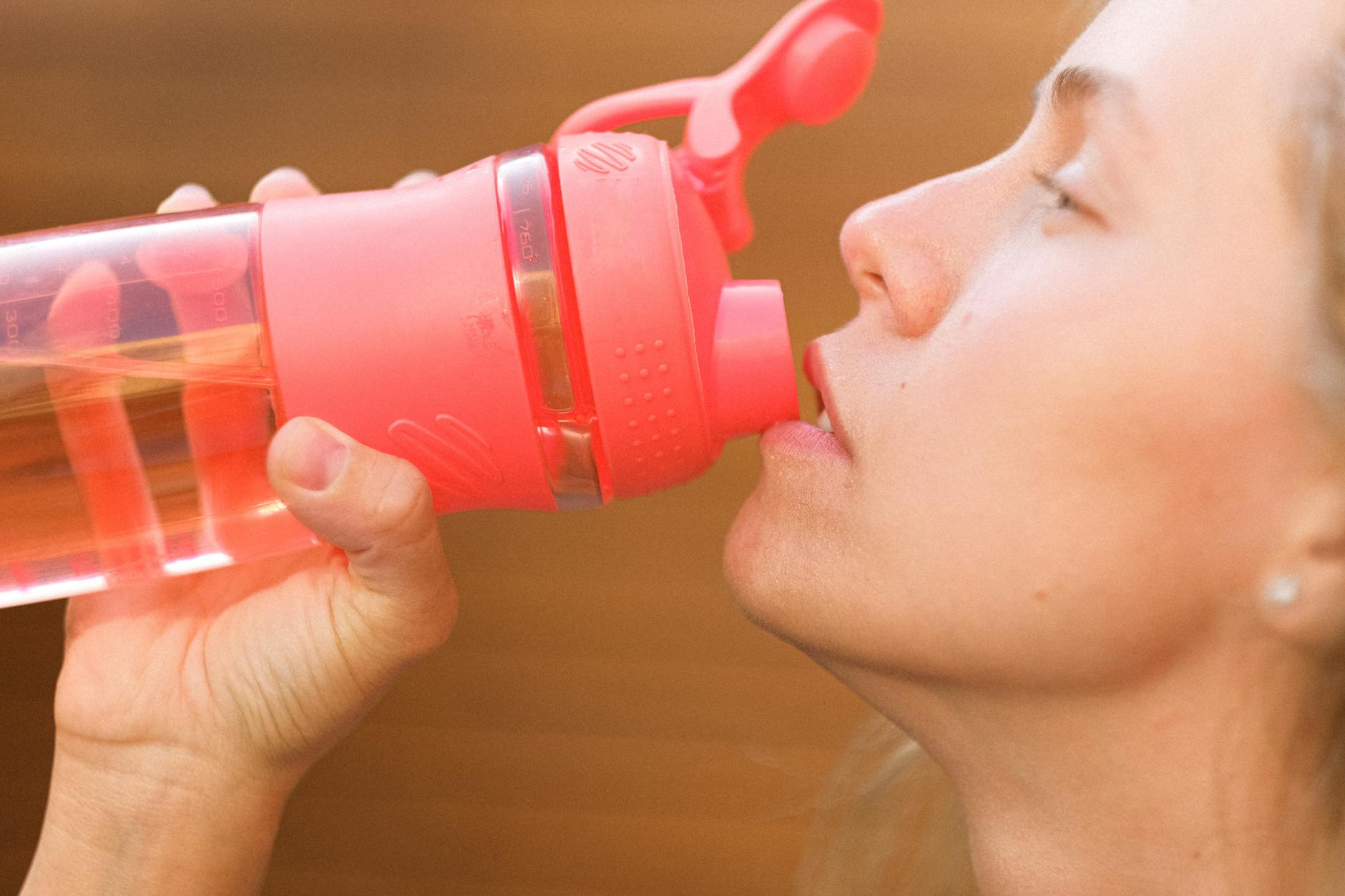
The best approach is consistent sipping. Keep a water bottle with you at all times and take small sips throughout the day. This allows your body to absorb the water more effectively.
Visual Cues
Use visual cues to remind yourself. If your desk is cluttered, place your water bottle in a prominent spot. Set reminders on your phone if you need to. It sounds simple, but these little nudges make a big difference.
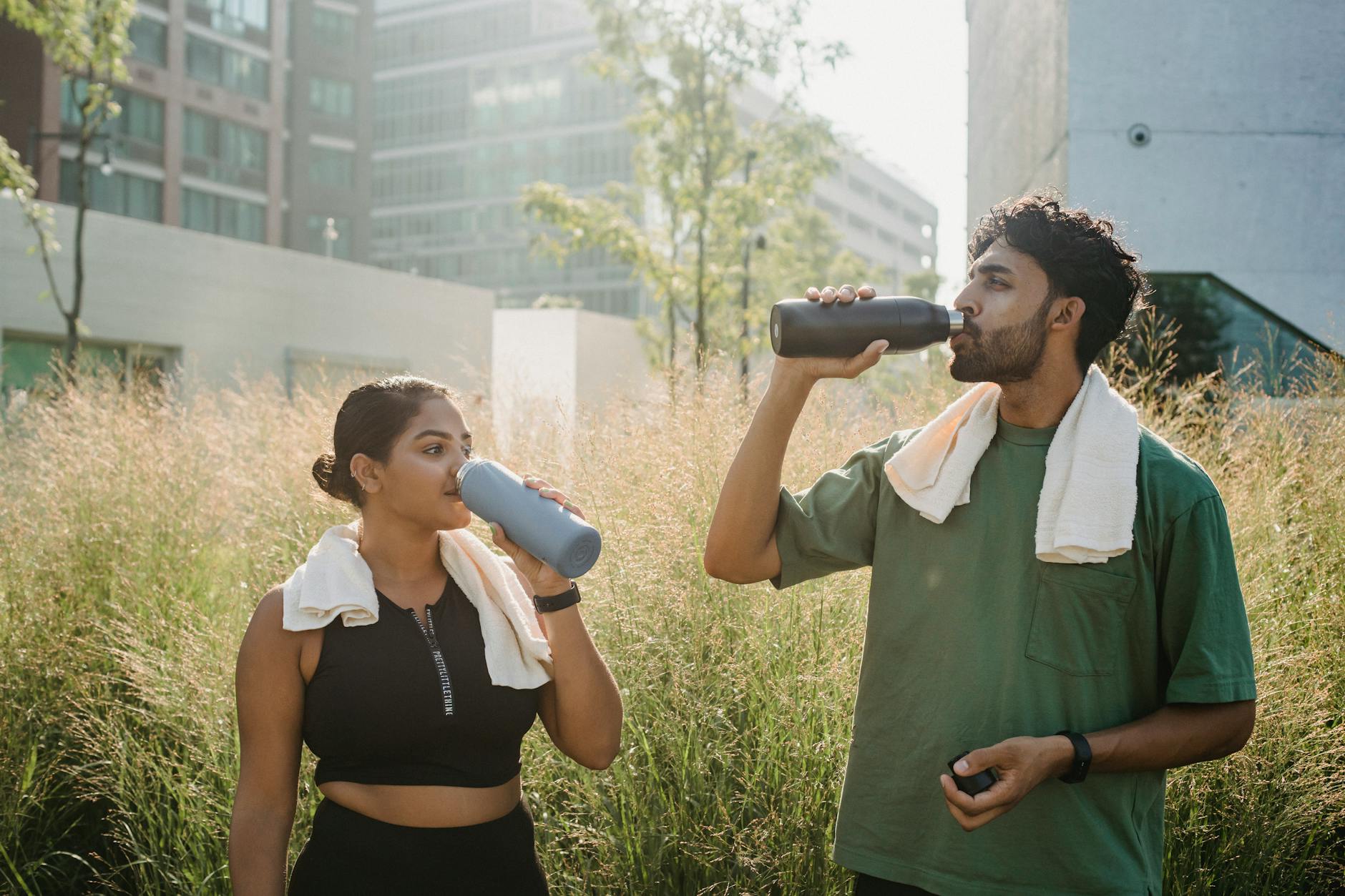
Hydration for Specific Fitness Goals
Your hydration strategy should evolve with your fitness aspirations. Whether you’re aiming for a 30-day fitness challenge or preparing for a marathon, smart hydration is non-negotiable.
Fueling Endurance Activities
For events or training sessions lasting over an hour, your hydration needs shift significantly. This is where understanding electrolytes for runners becomes crucial.
Carb and Electrolyte Balance
During prolonged exercise, you lose both water and energy (carbohydrates). Many sports drinks are designed to replenish both. However, for many, plain water combined with easily digestible snacks or electrolyte supplements is sufficient.
Post-Exercise Recovery
Rehydration after a long workout is just as important as during. Replenishing fluids and electrolytes helps your muscles recover and prevents post-exercise fatigue. Aim to drink 16-24 ounces of fluid for every pound of body weight lost during your workout.
Boosting Strength Training
Even shorter, intense strength training sessions require attention to hydration. Muscles are about 75% water, and dehydration can impair muscle function and recovery.
Pre- and Post-Lift Fluids
Similar to cardio, ensure you're well-hydrated before and after your lifting sessions. This supports muscle contractions and aids in nutrient transport to muscle tissues.
Maintaining Focus
Dehydration can also impact cognitive function, which means your focus and form in the gym can suffer. Staying hydrated helps you maintain concentration and execute exercises safely and effectively.
The Long-Term Benefits of Consistent Hydration
This isn't just about getting through your next workout. Mastering hydration hacks can positively impact your overall health and well-being in profound ways.
Enhanced Physical Function
Beyond immediate performance, consistent hydration plays a role in joint lubrication, temperature regulation, and nutrient transport. It’s the foundation upon which all other bodily functions are built.
Skin Health and Vitality
You’ve probably noticed how your skin looks after a few days of really focusing on your water intake. It’s plumper, clearer, and more radiant. Proper hydration is essential for maintaining skin elasticity and a healthy complexion.
Digestive Harmony
Water is crucial for a healthy digestive system. It helps break down food, allows nutrients to be absorbed, and prevents constipation. Think of it as the internal cleaning crew for your body.
Cognitive Clarity and Mood
The connection between hydration and brain function is undeniable. Even mild dehydration can affect your mood, energy levels, and ability to concentrate.
Boosting Brainpower
Research from institutions like the National Institutes of Health research on hydration hacks has shown that being adequately hydrated can improve memory, alertness, and overall cognitive performance.
Mood Stabilization
Feeling irritable or anxious? Sometimes, the simplest solution is a tall glass of water. Hydration helps regulate neurotransmitters, which can have a significant impact on your mood. It’s a low-cost, high-reward strategy for mental well-being.
Honestly, I used to think hydration was just about drinking water. But the deeper I’ve delved into it, the more I’ve realized it’s a sophisticated, dynamic process that can be optimized. Experiment with these hydration hacks. Find what works for you. Your body will thank you for it, and you'll feel the difference in every stride, every lift, and every moment of your day. It's a journey, but one that yields incredible rewards, making every spring workout refresh and every fitness endeavor that much more enjoyable and effective.