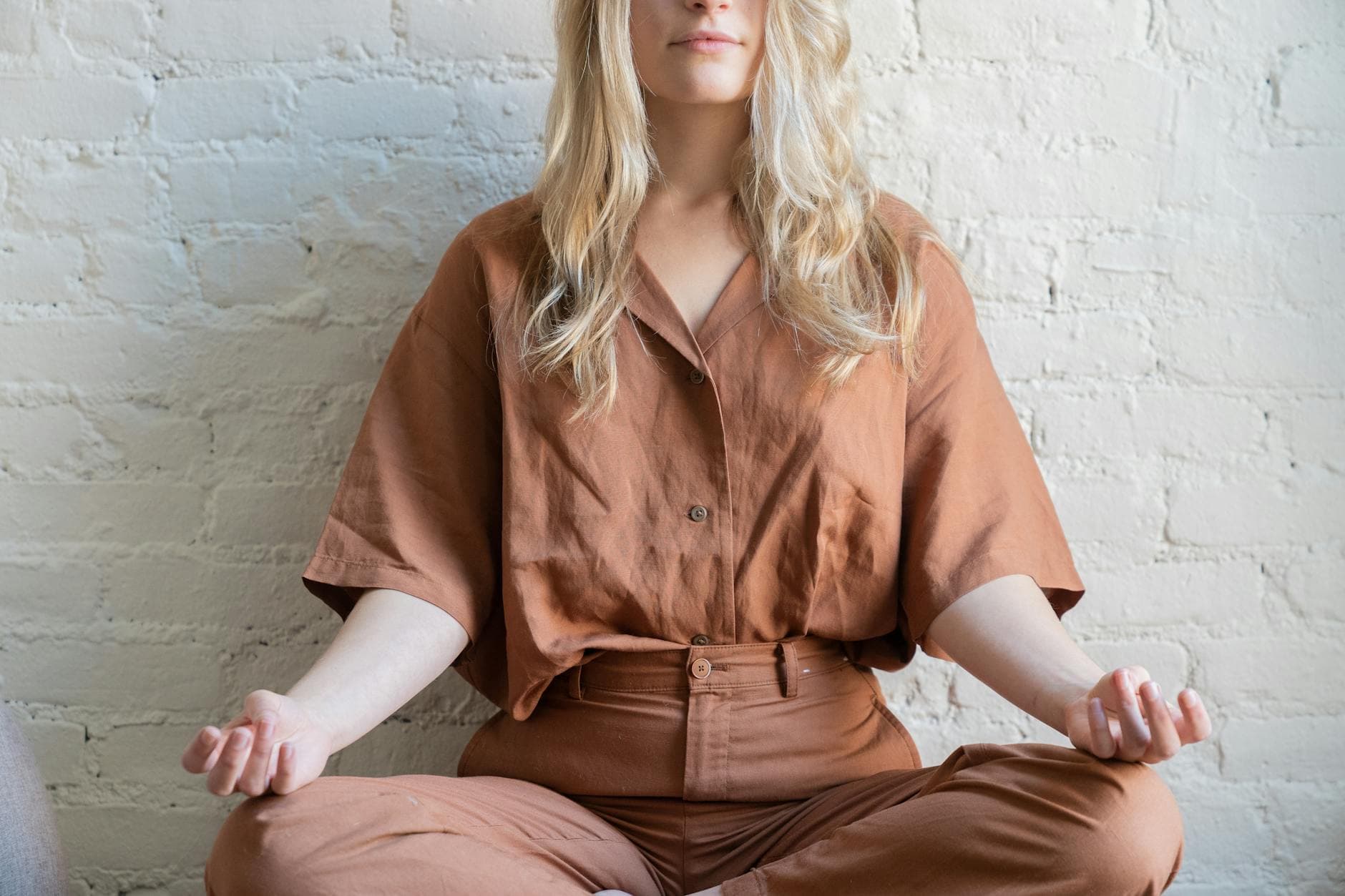
Imagine a World Without Overwhelm
What if you could navigate the chaos of everyday life with a sense of calm resilience? Picture yourself facing a stressful situation, but instead of spiraling into anxiety, you respond with clarity and composure. This is the promise of mindfulness, and it all starts with understanding the World Health Organization research on best mindfulness meditation techniques. The good news? It's not as difficult as it might sound. The Mindfulness Meditation for Beginners: Your Simple Guide is a great place to start. Let's explore some of the best mindfulness meditation techniques to help you achieve this.
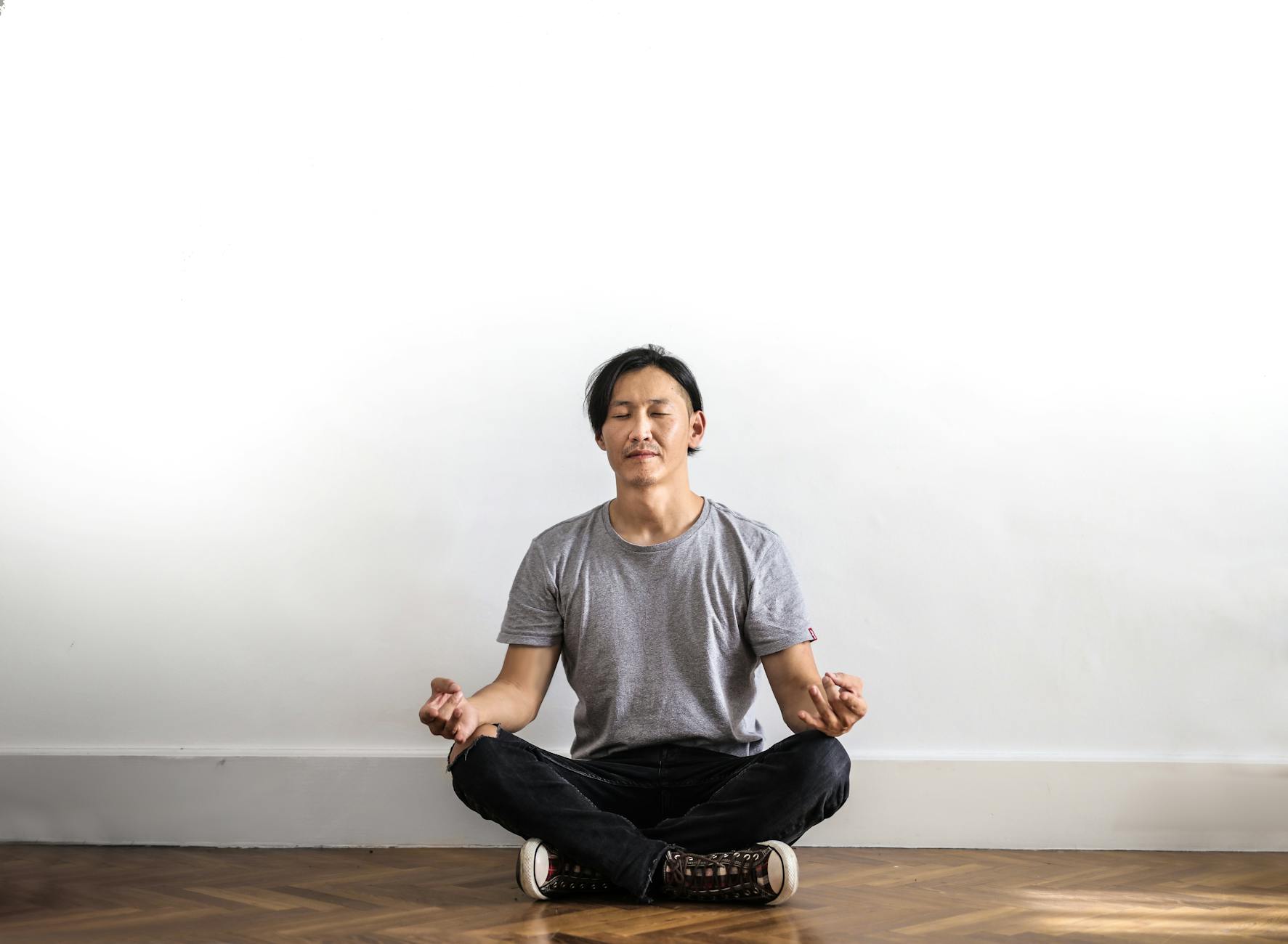
Understanding the Core Principles of Mindfulness
Mindfulness is about paying attention to the present moment without judgment. It's about observing your thoughts, feelings, and sensations as they arise, without getting carried away by them. This simple practice can have a profound impact on your mental and emotional well-being.
The Power of the Present Moment
The key to mindfulness is anchoring yourself in the now. You've probably noticed how easily your mind wanders – replaying the past or worrying about the future. Mindfulness trains you to gently redirect your attention to the present. You can think of it as a mental muscle that strengthens with regular practice. This is the foundation upon which the best mindfulness meditation techniques are built.
Non-Judgmental Awareness
One of the biggest hurdles for beginners is the tendency to judge their thoughts and feelings. "I shouldn't be feeling this way," or "My mind is too busy" are common reactions. Mindfulness encourages you to observe these judgments without getting caught up in them. It's about accepting your experience as it is, without trying to change it.
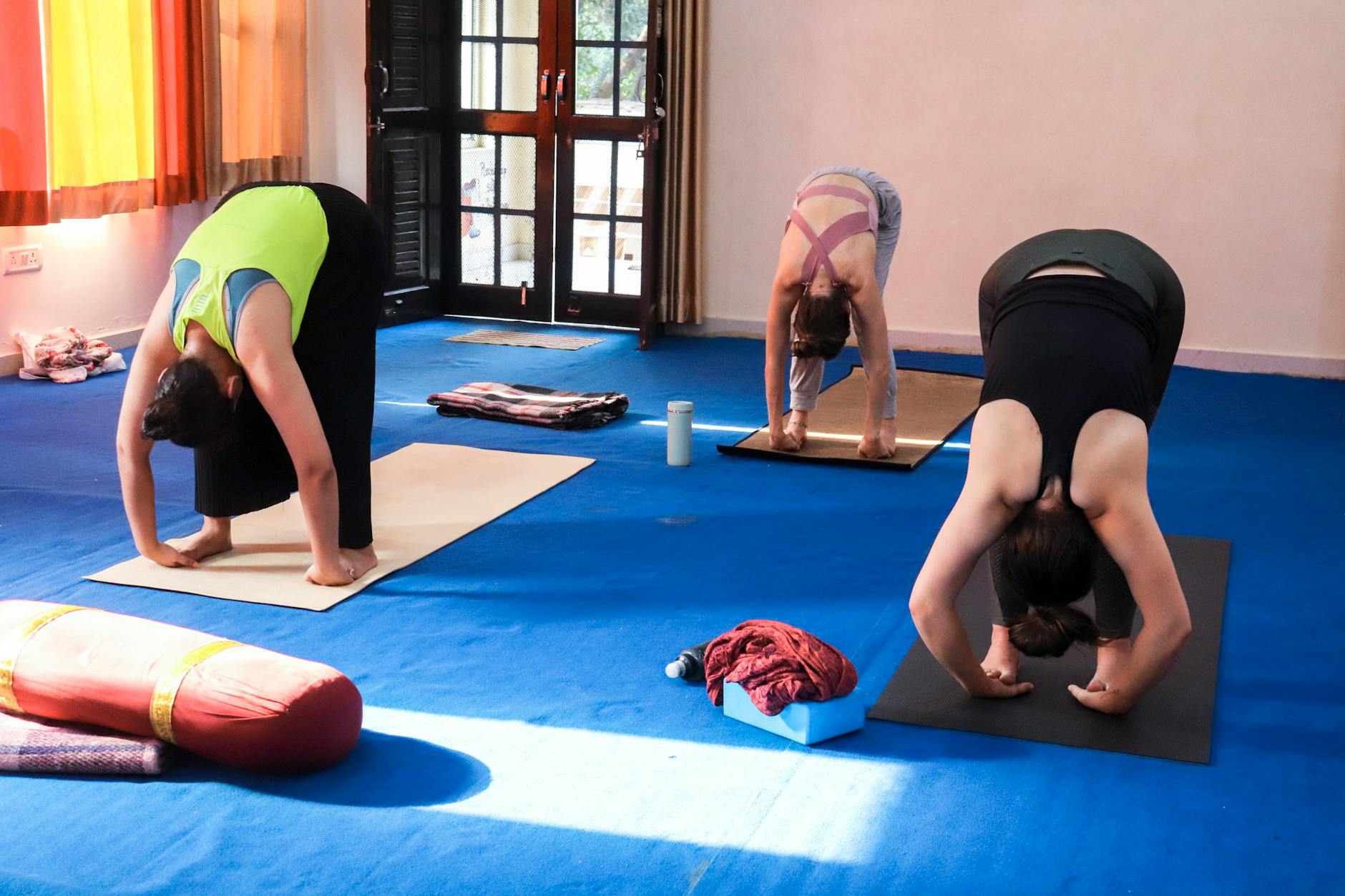
Exploring the Best Mindfulness Meditation Techniques
There's no single "right" way to meditate. The best mindfulness meditation techniques are the ones that resonate with you and that you'll actually stick with. Experimenting with different approaches can help you find what works best for your personality and lifestyle.
Mindful Breathing: A Gateway to Calm
Mindful breathing is perhaps the most accessible and widely practiced technique. It's incredibly simple, yet profoundly effective.
How to Practice Mindful Breathing
- Find a comfortable position, either sitting or lying down.
- Close your eyes gently or keep them softly focused on a point in front of you.
- Bring your attention to your breath. Notice the sensation of the air entering and leaving your body.
- You don't need to change your breath in any way. Just observe it.
- When your mind wanders (and it will!), gently redirect your attention back to your breath.
Why Mindful Breathing Works
Focusing on your breath provides a readily available anchor for your attention. It's always with you, and it's something you can return to again and again. Mindful breathing is also a powerful tool for Mayo Clinic research on best mindfulness meditation techniques stress reduction because it activates the parasympathetic nervous system, which promotes relaxation.
Body Scan Meditation: Cultivating Body Awareness
Body scan meditation involves systematically bringing your attention to different parts of your body. This practice enhances your awareness of physical sensations and can help you release tension.
The Body Scan Process
- Lie down comfortably, with your arms at your sides and your palms facing up.
- Start by focusing on your toes. Notice any sensations – warmth, tingling, pressure, or nothing at all.
- Gradually move your attention up your body – to your feet, ankles, shins, knees, thighs, and so on.
- As you scan each area, simply observe the sensations without judgment.
- If you encounter tension, acknowledge it without trying to force it away. Allow it to be there.
Benefits of Body Scan Meditation
Body scan meditation can help you become more attuned to your body's signals. It can also help you identify and release areas of physical tension, which can contribute to chronic pain and other health problems.
Walking Meditation: Mindfulness on the Move
Walking meditation brings mindfulness into your daily routine. It's a great way to combine physical activity with mental clarity.
How to Practice Walking Meditation
- Find a quiet space where you can walk without interruption.
- Stand with your feet shoulder-width apart.
- Bring your attention to the sensations in your feet as you stand.
- Begin walking slowly and deliberately. Notice the feeling of your feet making contact with the ground.
- Pay attention to the movement of your legs, the swing of your arms, and the overall rhythm of your body.
- When your mind wanders, gently redirect your attention back to the sensations of walking.
Integrating Walking Meditation into Your Day
You can practice walking meditation anywhere – in your backyard, at a park, or even in your office during a break. It's a simple yet effective way to cultivate mindfulness throughout your day.
Finding Your Perfect Meditation Practice
It's important to remember that there's no "one-size-fits-all" approach to meditation. The best mindfulness meditation techniques are the ones that you find most enjoyable and sustainable. Experiment with different techniques to find what works best for you.
Creating a Consistent Practice
Consistency is key when it comes to meditation. Even a few minutes of daily practice can make a significant difference. Try to set aside a specific time each day for meditation, even if it's just for five or ten minutes.
Dealing with Common Challenges
It's normal for your mind to wander during meditation. Don't get discouraged! When you notice your mind drifting, gently bring your attention back to your chosen anchor – your breath, your body, or the sensations of walking.
The Importance of Patience and Self-Compassion
Learning to meditate takes time and practice. Be patient with yourself, and don't judge your progress. Treat yourself with kindness and compassion, especially when you find it challenging to stay focused.
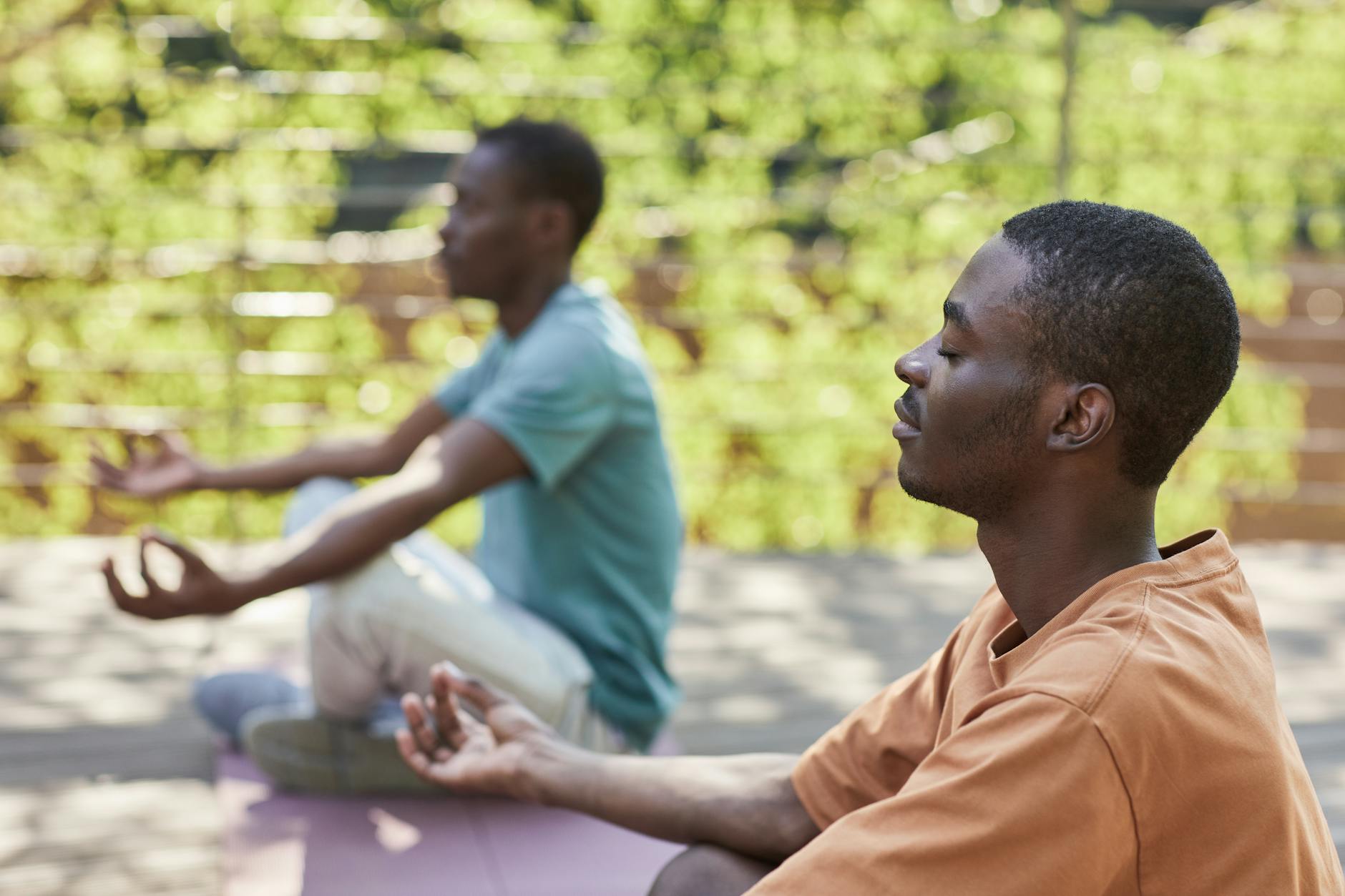
A Story of Transformation: The Power of Mindfulness
Here's a little story to illustrate the impact of mindfulness. Sarah, a high-powered executive, used to be a chronic worrier. Her days were filled with anxiety, and she struggled to sleep at night. She tried various stress-reduction techniques, but nothing seemed to stick. Then, she discovered mindfulness.
She started with five minutes of mindful breathing each morning. At first, her mind was a whirlwind of thoughts and worries. But she persisted. Gradually, she noticed a shift. She became more aware of her thoughts and feelings, and less reactive to them. She learned to pause before responding to stressful situations, giving herself time to choose her response.
Over time, Sarah's anxiety decreased dramatically. She found that she was more focused at work, more present with her family, and more able to enjoy life. She began using Guided Meditation for Beginners: Start Your Journey Now to enhance her practice. This one surprised me, because I used to think meditation was only about sitting still! This experience illustrates the profound impact of even a small amount of regular mindfulness practice.
Applying Mindfulness to Daily Life
Mindfulness isn't just for the meditation cushion. The goal is to integrate mindfulness into all aspects of your life. This is where the real magic happens.
Mindful Eating
Think about the last time you ate a meal mindlessly – while watching TV or scrolling through your phone. Mindful eating involves paying attention to the taste, texture, and smell of your food. It can help you savor your meals, make healthier choices, and develop a more positive relationship with food.
Mindful Communication
You might be wondering how to apply mindfulness to your interactions with others. Mindful communication involves listening attentively, speaking with intention, and responding with compassion. It can improve your relationships and reduce conflict.
Mindful Movement
Incorporate mindfulness into your physical activities, such as yoga, tai chi, or even a simple walk. Pay attention to the sensations in your body and the movement of your breath.
Embracing the Journey: Your Path to Well-being
Choosing the best mindfulness meditation techniques is the first step. The real work comes in practicing them consistently and integrating them into your daily life. Remember, this is a journey, not a destination.
The Ongoing Practice
Mindfulness is not a quick fix. It's a lifelong practice. There will be times when you struggle, and times when you feel like you're making progress. The key is to keep showing up, keep practicing, and keep learning.
Seeking Support
Consider exploring resources like guided meditations, books, or workshops. Sometimes, it's helpful to have guidance from an experienced teacher or a supportive community.
The Transformative Power of Mindfulness
The benefits of mindfulness meditation are vast and well-documented. From stress reduction and improved focus to enhanced emotional regulation and greater self-awareness, mindfulness can transform your life. The National Institutes of Health research on best mindfulness meditation techniques supports this, showing the positive impact on various aspects of health. The best mindfulness meditation techniques are a powerful tool for cultivating resilience, peace, and well-being. So, take a deep breath, and begin your journey today.