
The Surprising Truth About Mindfulness
Did you know that just 10 minutes of **mindfulness meditation for beginners** each day can significantly reduce stress and improve focus? It's true! I used to think meditation was only for monks and people with way too much free time. Honestly, I thought it was all a bit...woo-woo. But after years of struggling with anxiety and feeling constantly overwhelmed, I decided to give it a try. And the results? Life-changing. This article will guide you through the basics, showing you how to incorporate this powerful practice into your daily routine.
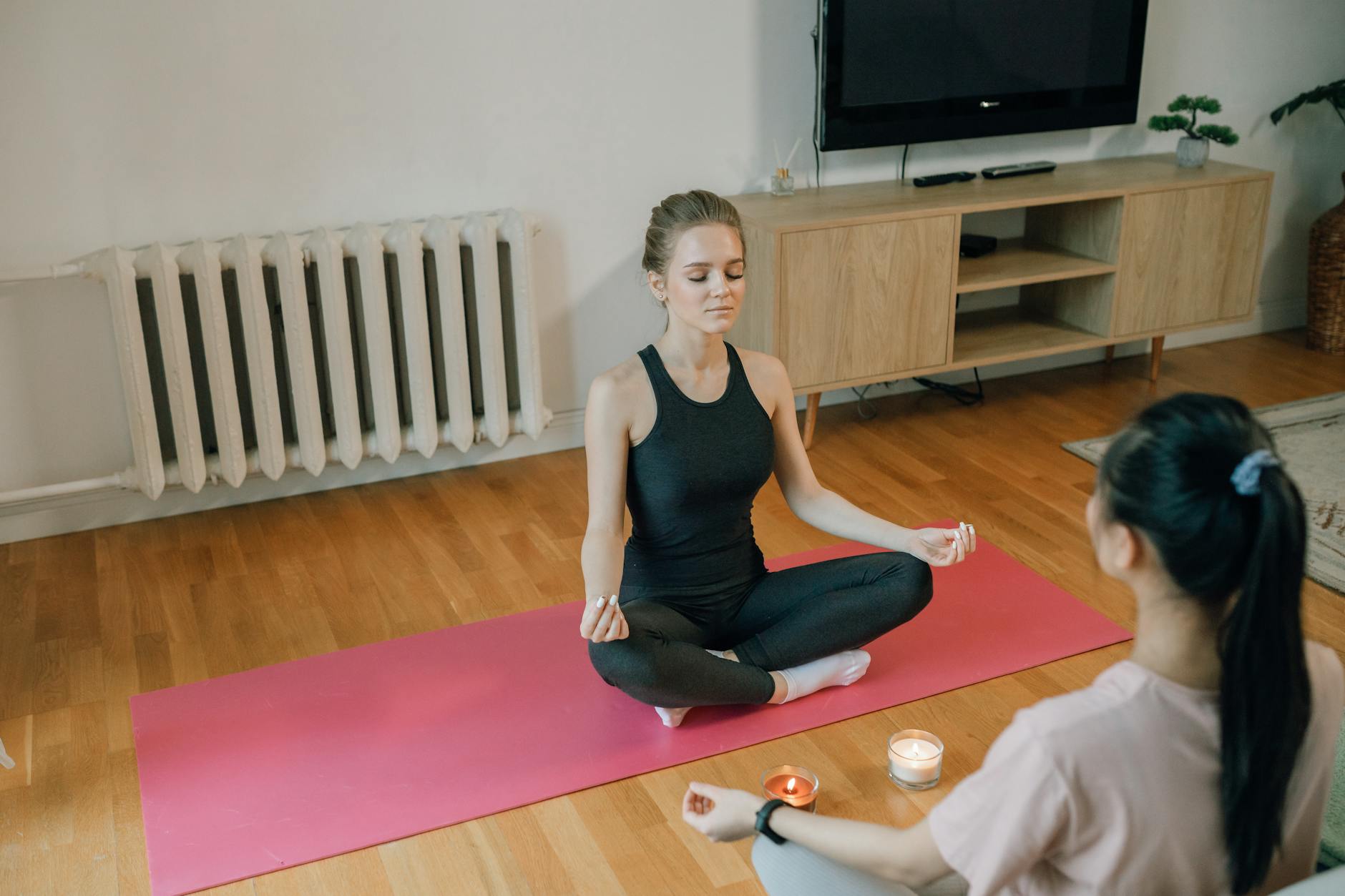
Getting Started with Mindfulness Meditation for Beginners
Understanding the Core Principles
Here's the thing: mindfulness meditation isn't about emptying your mind. It's about training your attention to be present in the moment, without judgment. You're not trying to stop your thoughts; you're simply observing them as they arise, like clouds passing in the sky. This simple shift in perspective can have a profound impact on your mental well-being. Think about the last time you were completely consumed by worry about the future or regrets about the past. Mindfulness helps you break free from those mental loops.
Finding Your Starting Point
You might be wondering, "Where do I even begin?" The good news is, you don't need any special equipment or a guru to get started. All you need is a quiet space, a few minutes of your time, and a willingness to try. Start with just five or ten minutes a day. You can gradually increase the duration as you become more comfortable. The World Health Organization research on mindfulness meditation for beginners highlights the positive effects of even short, regular practice.
Creating a Routine
Consistency is key. Try to meditate at the same time each day, perhaps first thing in the morning or before bed. This helps establish a routine and makes it easier to stick with the practice. Find a comfortable position – sitting on a cushion, in a chair, or even lying down. Just make sure your spine is straight, allowing for easy breathing. Close your eyes gently or keep them slightly open, focusing on a spot a few feet in front of you.
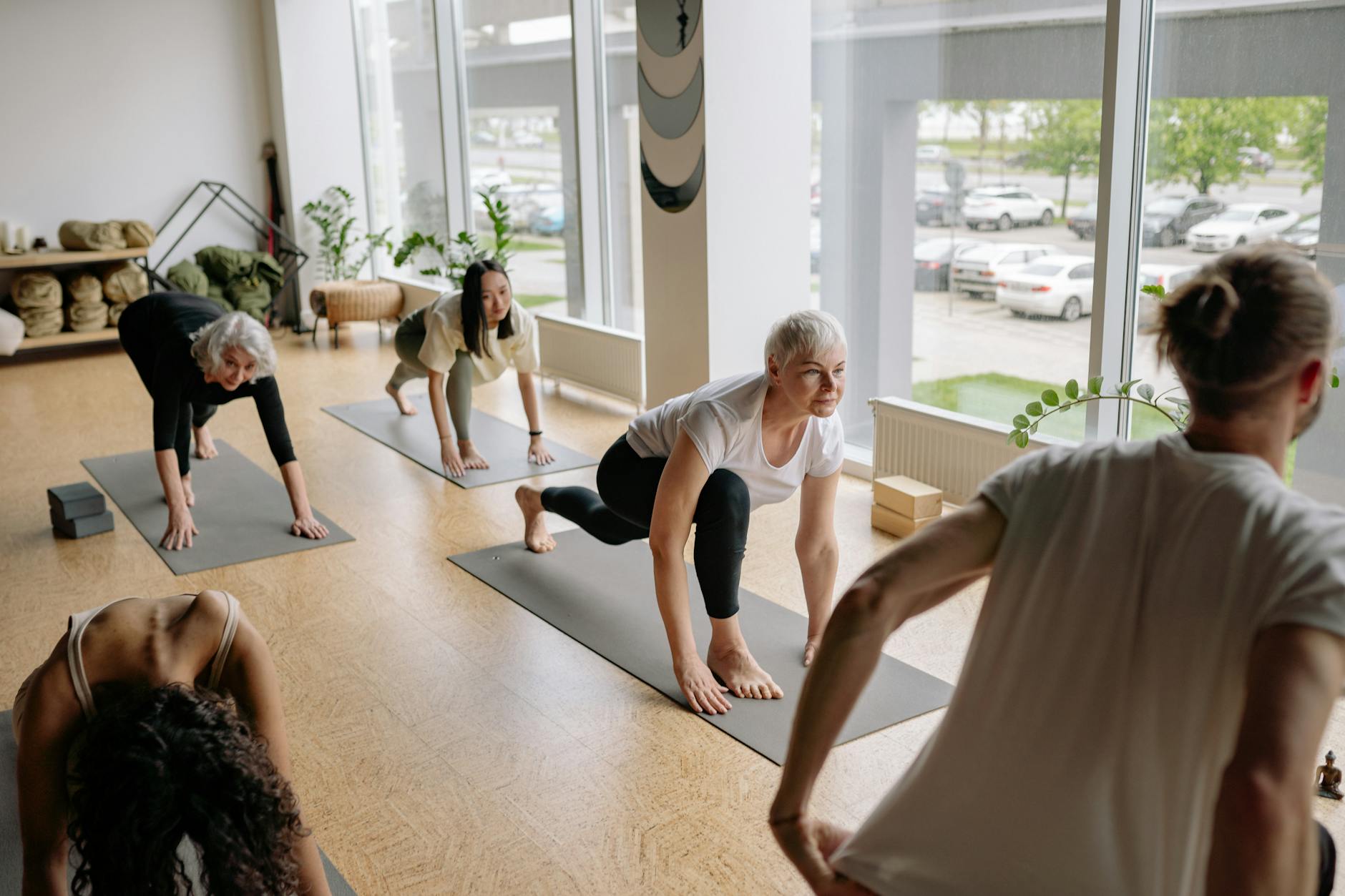
Mastering the Techniques: How to Meditate
The Power of Breath Awareness
One of the most fundamental techniques in **mindfulness meditation for beginners** is breath awareness. Simply focus your attention on your breath as it enters and leaves your body. Notice the sensation of the air moving in and out of your nostrils, or the rise and fall of your abdomen. When your mind wanders – and it will – gently bring your attention back to your breath. Don't get frustrated; this is a normal part of the process.
Body Scan Meditation
Body scan meditation is another excellent technique, especially for beginners. It involves systematically bringing your awareness to different parts of your body, noticing any sensations without judgment. Start with your toes and gradually work your way up to the top of your head. This practice helps you become more aware of physical sensations and can promote relaxation.
Guided Mindfulness Meditation
Guided mindfulness meditation can be incredibly helpful when you're first starting out. There are countless free guided meditations available online. You can find them on YouTube, Spotify, and various meditation apps. These guided sessions provide instructions and support, making it easier to stay focused and navigate your practice.
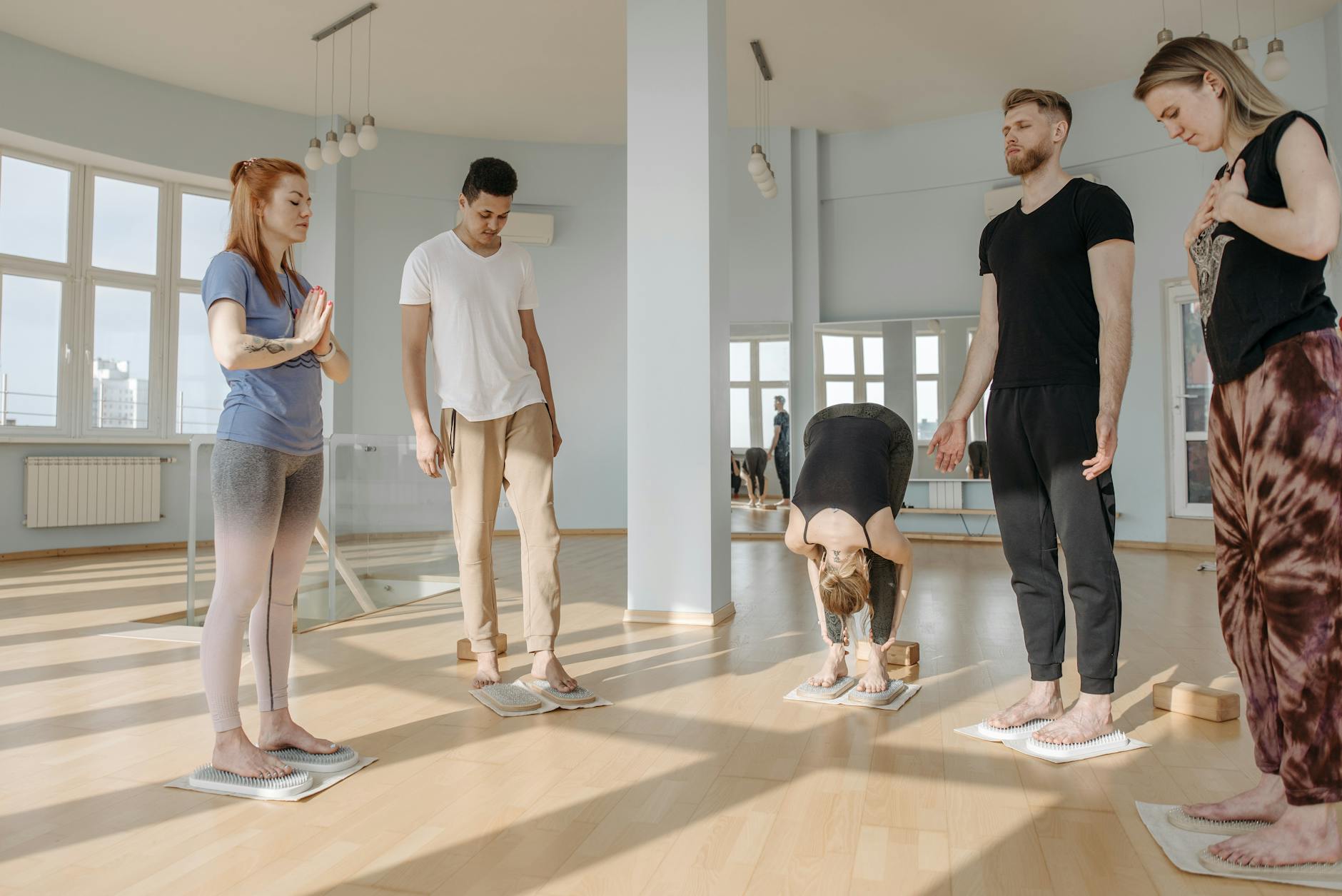
Unveiling the Benefits of Mindfulness Meditation
Stress Reduction and Anxiety Relief
One of the most well-known benefits of **mindfulness meditation for beginners** is its ability to reduce stress and anxiety. Studies have shown that regular meditation can lower cortisol levels (the stress hormone) and promote a sense of calm and well-being. I've seen firsthand how this can transform someone's life, including my own. The National Institutes of Health research on mindfulness meditation for beginners provides further insights into these benefits.
Improved Focus and Mental Clarity
Mindfulness practices can also significantly improve your focus and mental clarity. By training your mind to stay present, you become less susceptible to distractions and more able to concentrate on the task at hand. This can be incredibly beneficial in both your personal and professional life. I used to struggle to focus for more than 20 minutes at a time. Now, I can easily work for hours without getting sidetracked.
Enhanced Self-Awareness and Emotional Regulation
Through mindfulness, you develop a greater awareness of your thoughts, feelings, and emotions. This increased self-awareness allows you to better understand your emotional triggers and respond to them in a more skillful way. You'll find yourself reacting less impulsively and making more conscious choices.

Addressing Common Challenges and Misconceptions
Dealing with a Wandering Mind
Here's a common concern: "My mind wanders constantly! How can I possibly meditate?" It's completely normal for your mind to wander. The key is to gently bring your attention back to your breath or chosen focus whenever you notice your mind drifting. Don't judge yourself; simply acknowledge the thought and let it go. Each time you bring your attention back, you strengthen your ability to focus.
Finding the Right Meditation Posture
Meditation posture is important, but it doesn't have to be perfect. The most important thing is to find a position that is comfortable and allows you to maintain a straight spine. You can sit in a chair, on a cushion, or even lie down. The goal is to be relaxed yet alert. Experiment with different positions until you find what works best for you.
Overcoming Initial Resistance
Many people find it difficult to start meditating. You might feel restless, bored, or even skeptical. This is perfectly okay. The key is to be patient and persistent. Start small, set realistic expectations, and don't give up if you miss a day or two. The benefits will gradually become apparent as you continue to practice.
Advanced Techniques and Practices
Mindfulness in Daily Life
Once you've established a regular meditation practice, you can begin to incorporate mindfulness into your daily life. This means paying attention to your activities with intention and awareness. For example, when you eat, savor each bite and notice the flavors and textures. When you walk, feel your feet on the ground and observe your surroundings.
Exploring Different Meditation Styles
While the core principles of mindfulness remain the same, there are many different styles of meditation to explore. Some popular options include loving-kindness meditation, walking meditation, and transcendental meditation. Experimenting with different styles can help you find what resonates with you.
The Role of Mindfulness in Mental Clarity
Mental clarity is a wonderful byproduct of consistent mindfulness. As you cultivate present moment awareness, you'll notice a reduction in mental clutter and a greater sense of focus. This clarity can extend to all areas of your life, from your relationships to your work.
Embracing the Journey: Your Path to Mindfulness
So, you've learned a bit about **mindfulness meditation for beginners**. Now what? The most important thing is to start. Take that first step. Carve out a few minutes each day to sit quietly, focus on your breath, and observe your thoughts without judgment.
Think about the last time you felt truly present, completely immersed in the moment. Remember that feeling? That's the essence of mindfulness. It's about being fully alive, fully aware, and fully engaged in the present moment. The National Institutes of Health research on mindfulness meditation for beginners further suggests this practice can have a long-term positive effect on your mental health.
I'll be real with you: it takes practice. There will be days when your mind feels like a runaway train. But with each mindful moment, you're building a stronger, more resilient, and more peaceful mind. So, take a deep breath, close your eyes, and begin. This journey is worth it.