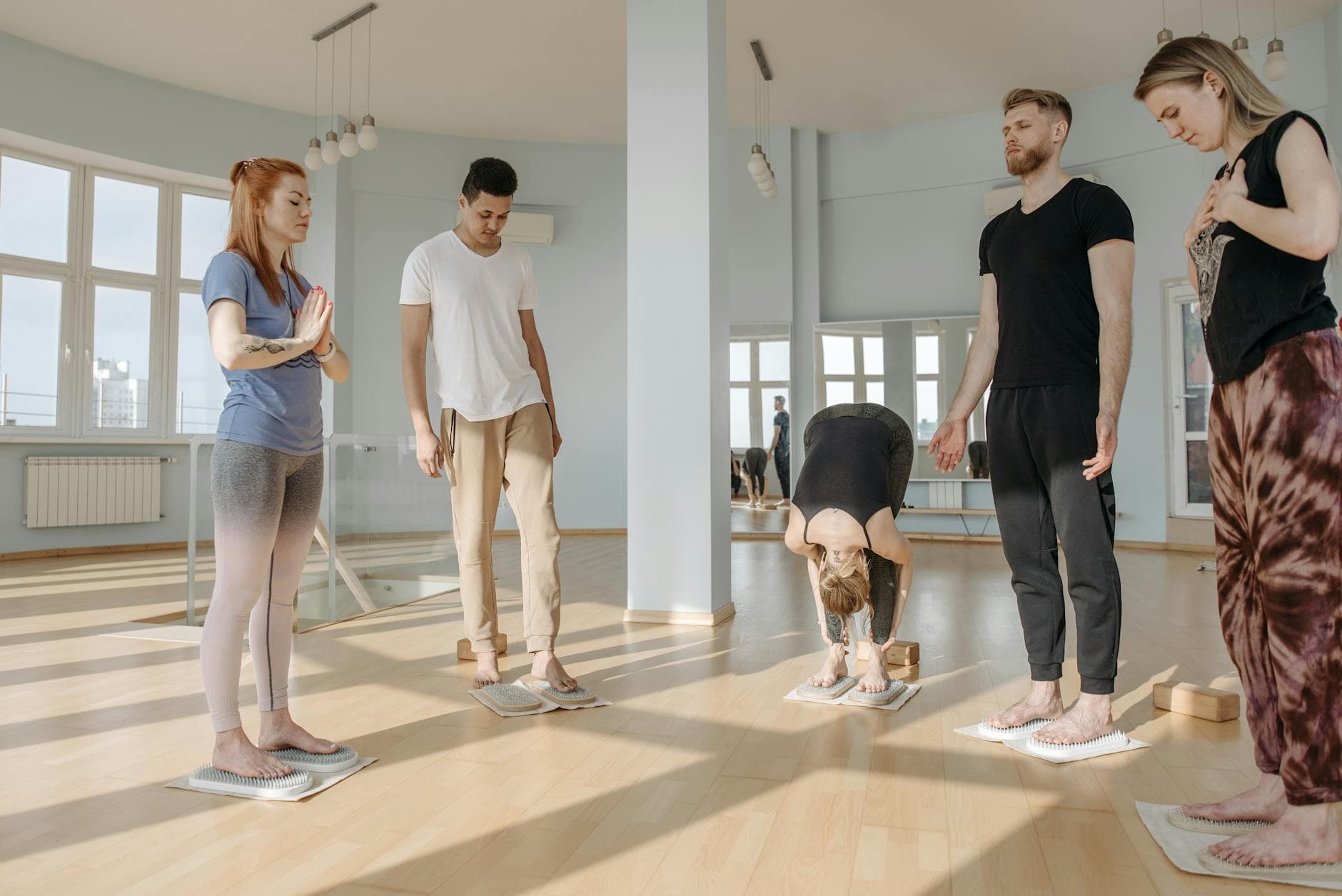
Imagine This: A World Without Overwhelm
What if you could consistently meet the day with a sense of calm, clarity, and focus? Picture a life where stress melts away, replaced by a deep well of inner peace. This isn't some far-off fantasy; it's within reach for anyone, and it starts with something incredibly simple: guided meditation for beginners. I know, I know — it might sound a little "woo-woo" at first. But trust me, after years of personal experience and witnessing its impact on countless others, I can honestly say it’s one of the most powerful tools you can add to your life.

Unpacking the Magic: What Exactly Is Guided Meditation?
Demystifying the Practice
At its core, guided meditation is a practice where a trained instructor, either live or via audio, leads you through a series of mental exercises. You're guided to focus your attention, often on your breath, a specific word or phrase, or a visualization. The goal? To quiet the mental chatter that constantly swirls in our minds, and to cultivate a state of present-moment awareness. This isn't about emptying your mind completely; that's actually impossible. It's about learning to observe your thoughts without judgment, allowing them to pass by without getting caught up in them.
The Benefits You Can Expect
You might be wondering what you’ll get out of this. Well, the benefits are numerous and well-documented. Regular practice can help with meditation for anxiety, providing a soothing balm for those racing thoughts. It’s also incredibly useful for guided meditation for sleep, helping to quiet the mind before bed. People often turn to meditation for stress relief, finding it a powerful antidote to the pressures of daily life. And it can even impact physical well-being, lowering blood pressure and boosting the immune system.
The Difference Between Guided and Unguided Meditation
So, what makes guided meditation different from simply meditating on your own? For beginners, a guide offers structure and direction. They provide a roadmap, helping you navigate the sometimes-turbulent waters of your own mind. They offer prompts, visualizations, and techniques that can help you stay focused and deepen your practice. Without a guide, you might find your mind wandering, making it harder to establish a consistent practice, particularly when you're just starting out.
Getting Started: Your Beginner's Guide to Guided Meditation
Choosing Your Practice Space
Creating a comfortable and conducive environment is crucial. You don't need a fancy meditation room, but you do need a space where you can relax and feel undisturbed. This could be a quiet corner in your bedroom, a comfortable chair in your living room, or even a quiet spot outdoors. The key is to minimize distractions. Turn off your phone, let others in your home know you need some quiet time, and find a position that allows you to feel both relaxed and alert.
Finding the Right Guided Meditation
The good news is that there are countless resources available. You can find free guided meditation recordings on platforms like YouTube, Spotify, and Insight Timer. Look for meditations specifically designed for beginners, as they'll typically be shorter and more focused on basic techniques like deep breathing and body scans. Consider trying different teachers to find one whose voice and style resonate with you. Some people prefer a gentle, calming voice, while others find a more active, engaging approach more helpful.
Your First Guided Meditation Session: Step-by-Step
- Find a Comfortable Position: Sit upright, either in a chair with your feet flat on the floor or cross-legged on a cushion. Make sure your back is straight but not stiff.
- Close Your Eyes (or Not): Some people find it easier to focus with their eyes closed, while others prefer to keep them gently open, gazing at a point on the floor. Do what feels most natural to you.
- Follow the Guide: Listen to the instructions carefully. The guide will likely start by asking you to focus on your breath.
- Acknowledge and Release Thoughts: As thoughts inevitably arise, simply acknowledge them without judgment and gently bring your attention back to your breath or the guide's instructions.
- End the Session: When the meditation ends, take a few moments to savor the feeling of calm before slowly opening your eyes and returning to your day.

Here's the Truth About Guided Meditation Nobody Tells You
The biggest misconception about meditation is that you have to clear your mind. Honestly, that's not the goal, especially when using guided meditation for beginners. The real goal is to become aware of your thoughts and feelings without getting carried away by them. You'll have thoughts, and your mind will wander. That’s perfectly normal. The most important thing is to gently bring your attention back to your focus point – your breath, a mantra, or the guide's voice. This act of returning is where the real work happens. It’s like a mental workout, strengthening your ability to focus and manage your emotions.
Tackling the Challenges: Common Obstacles and How to Overcome Them
Dealing with a Busy Mind
One of the biggest hurdles is a restless mind. You'll likely find your thoughts jumping from one thing to another, especially when you start. This is not a sign of failure! It's a sign that you're human. When you notice your mind wandering, gently bring your attention back to your breath or the guide's instructions. Don't get frustrated; just keep returning to your focus. With practice, you'll find that your mind becomes calmer and more focused.
Finding the Time
Life gets busy, and it can be tough to carve out time for meditation. The good news is that you don't need to meditate for hours each day to see benefits. Even 5-10 minutes of morning meditation guided can make a difference. Try incorporating it into your existing routine, like meditating for a few minutes before work or after your morning coffee. Consistency is key, so find a time that you can realistically stick to.
Staying Consistent
Consistency is the cornerstone of any successful meditation practice. Start small, perhaps with a 5-minute session each day, and gradually increase the duration as you become more comfortable. Make it a non-negotiable part of your routine, just like brushing your teeth. If you miss a day, don't beat yourself up about it. Just get back on track the next day.
Making It a Habit: Tips for Long-Term Success
Setting Realistic Expectations
Don't expect to become a Zen master overnight. The benefits of meditation unfold gradually. Some days you'll feel incredibly relaxed and focused; other days, you might struggle to stay present. That’s okay. Celebrate the small victories, like noticing your breath for a few extra seconds or feeling a moment of calm amidst the chaos.
Tracking Your Progress
Consider keeping a meditation journal to track your progress. Note down how you feel before and after each session. This can help you identify any patterns or triggers that affect your practice. It can also be a great source of motivation, as you can look back and see how far you've come.
Exploring Different Techniques
As you become more comfortable with guided meditation, you can experiment with different techniques and styles. Try meditations focused on mindfulness, visualization, or positive affirmations. You can even explore different instructors to find the ones that resonate most with you.
Beyond the Basics: Advanced Techniques and Resources
Deepening Your Practice
Once you've established a consistent practice, you can explore more advanced techniques. This might include longer meditation sessions, silent meditation, or specific practices for managing difficult emotions. You might also consider attending a meditation retreat to deepen your experience.
Finding a Community
Connecting with others who meditate can be incredibly supportive. Consider joining a local meditation group or online community. Sharing your experiences and hearing from others can provide encouragement and accountability.
Further Resources
There are many resources available to support your meditation journey. Look for books, apps, and online courses that offer guidance and support. The Centers for Disease Control and Prevention research on guided meditation for beginners provides valuable insights into the practice, and the National Institutes of Health research on guided meditation for beginners offers additional information.
Guided Meditation for Beginners: A Transformative Path
I started my own journey with guided meditation for beginners about a decade ago, honestly, and it completely changed my life. I used to be riddled with anxiety, constantly stressed and overwhelmed. I remember one specific time, during a particularly tough project at work, I felt like I was going to crack. That’s when I stumbled upon my first guided meditation. It didn’t magically solve everything, of course, but it gave me a space to breathe, to find a moment of peace amidst the chaos. And that, in turn, allowed me to approach my challenges with a clearer head and a more resilient spirit. You can experience this too.
So, where do you begin? Start small. Find a guided meditation that appeals to you. Commit to just a few minutes each day. Be patient with yourself. The journey of meditation is a lifelong one, but the rewards are immeasurable. You can absolutely create a life filled with more calm, clarity, and joy. Mindfulness Meditation for Beginners: Your Simple Guide can help you to get started.