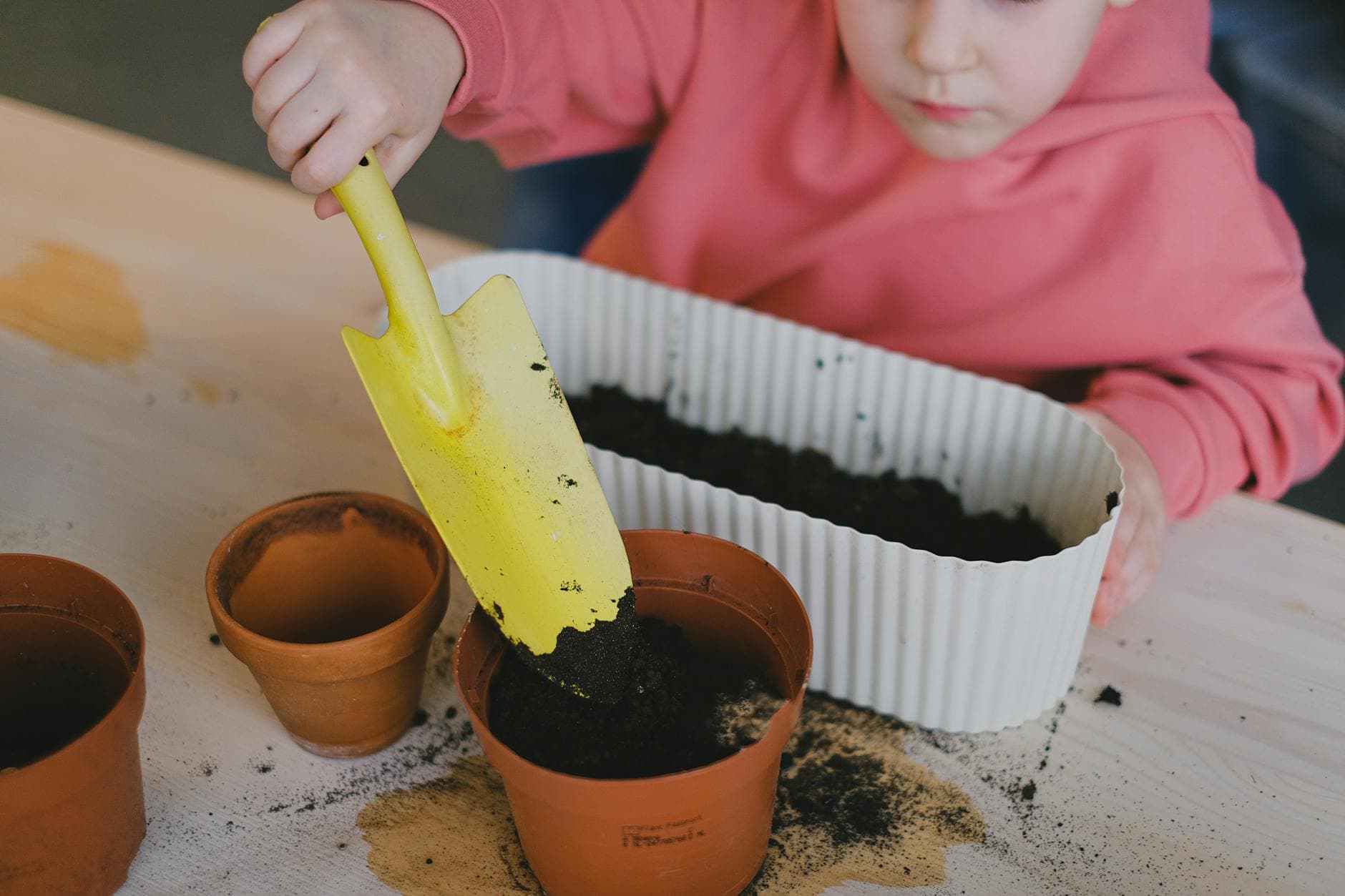
Imagine this: the sun warms your face, a gentle breeze rustles the leaves, and the rich, earthy scent of soil fills your lungs. You’ve got dirt under your fingernails, a satisfied ache in your shoulders, and a quiet sense of accomplishment blooming alongside the tiny seedlings you just planted. This isn't just a pleasant afternoon; this is the essence of **gardening for health**.
I used to think gardening was just for people with sprawling backyards and a natural green thumb. Honestly, I pictured them in straw hats, meticulously pruning roses. But my perspective shifted dramatically after a particularly rough patch a few years back. I was feeling overwhelmed, stressed, and frankly, pretty disconnected. Then, a friend dragged me to a community garden plot. It was a revelation. That simple act of digging in the dirt, nurturing something small, and watching it grow became my anchor. It’s more than a hobby; it’s a powerful tool for holistic well-being.
The Unexpected Power of Digging In
More Than Just Pretty Flowers
When we talk about gardening for health, it’s easy to picture the physical benefits: getting some exercise, breathing fresh air. And yes, those are huge. But the impact goes so much deeper. It’s about recalibrating your entire system, from your stress levels to your mood.
Gardening as Medicine
It might sound a little out there, but there’s a growing body of evidence suggesting that spending time in your garden can be genuinely therapeutic. Think of it as a form of gentle, natural medicine. The physical act of gardening itself offers a fantastic low-impact workout. Digging, weeding, planting – these movements engage various muscle groups, improving strength and flexibility. You’re not pounding the pavement on a treadmill; you’re moving with intention, connecting with the earth.
A Dose of Nature's Best
Beyond the exercise, there's the sheer immersion in nature. Studies, like those often highlighted by Harvard Health research on gardening for health, point to how exposure to natural environments can lower blood pressure, reduce heart rate, and decrease the production of stress hormones like cortisol. It’s like a reset button for your nervous system.
Your Body Will Thank You: The Physical Perks
Getting Your Steps In (and Then Some!)
Let’s be real, not everyone enjoys traditional exercise. I certainly have my days. But gardening? It’s so engaging that you often forget you're working out. Tasks like mowing the lawn, raking leaves, or even just tilling a small patch of soil can burn a surprising number of calories. For instance, an hour of moderate gardening can burn anywhere from 200 to 400 calories, depending on the intensity of your activity. That’s comparable to a brisk walk or a light jog.
The Gentle Workout
The beauty of gardening is its adaptability. Whether you’re planting a few herbs on a balcony or tending to a large vegetable patch, you’re moving. This consistent physical activity contributes to better cardiovascular health, improved muscle tone, and increased stamina. It's a slow burn, a sustainable way to build fitness without the strain of high-impact sports.
Sunshine and Vitamin D
Being outdoors naturally exposes you to sunlight, which is our primary source of Vitamin D. This vitamin is crucial for bone health, immune function, and even mood regulation. Just be smart about it – aim for moderate sun exposure, especially during cooler parts of the day, and consider sunscreen for longer sessions. The goal is to soak up the benefits, not burn yourself out.
Nourishing Your Mind: The Mental Health Benefits of Gardening
Stress Relief: A Natural Antidote
This is where gardening truly shines for me. The act of focusing on a tangible task, like coaxing a seed to sprout or nurturing a wilting plant back to health, pulls you out of your head. It’s a powerful form of stress relief. I’ve seen firsthand how the repetitive motions of weeding or watering can become almost meditative. This practice taps into the core principles of mindfulness; you’re present, engaged, and less caught up in anxious thoughts.
Combating Depression and Anxiety
The positive impact of gardening on mental well-being isn't just anecdotal. Research published on platforms like National Institutes of Health research on gardening for health has explored the therapeutic effects of horticultural therapy. This field uses gardening and plant-based activities to improve people's mental and physical health. Studies have shown it can reduce symptoms of depression, anxiety, and even PTSD. The sense of accomplishment that comes from seeing your efforts yield results – a ripe tomato, a vibrant bloom – provides a tangible boost to self-esteem and a feeling of purpose.
A Sanctuary for the Soul
Your garden, no matter how small, can become your personal sanctuary. It’s a space where you can disconnect from the digital noise and reconnect with something real. The sensory experience – the feel of the soil, the smell of blossoms, the sound of buzzing bees – is grounding. It’s a place to cultivate peace, just as you cultivate your plants. This is why creating a Home Wellness Retreat can often involve incorporating elements of nature, and a garden is the ultimate addition.
Gardening for Wellness: Cultivating a Healthier Lifestyle
The Joy of Fresh Produce
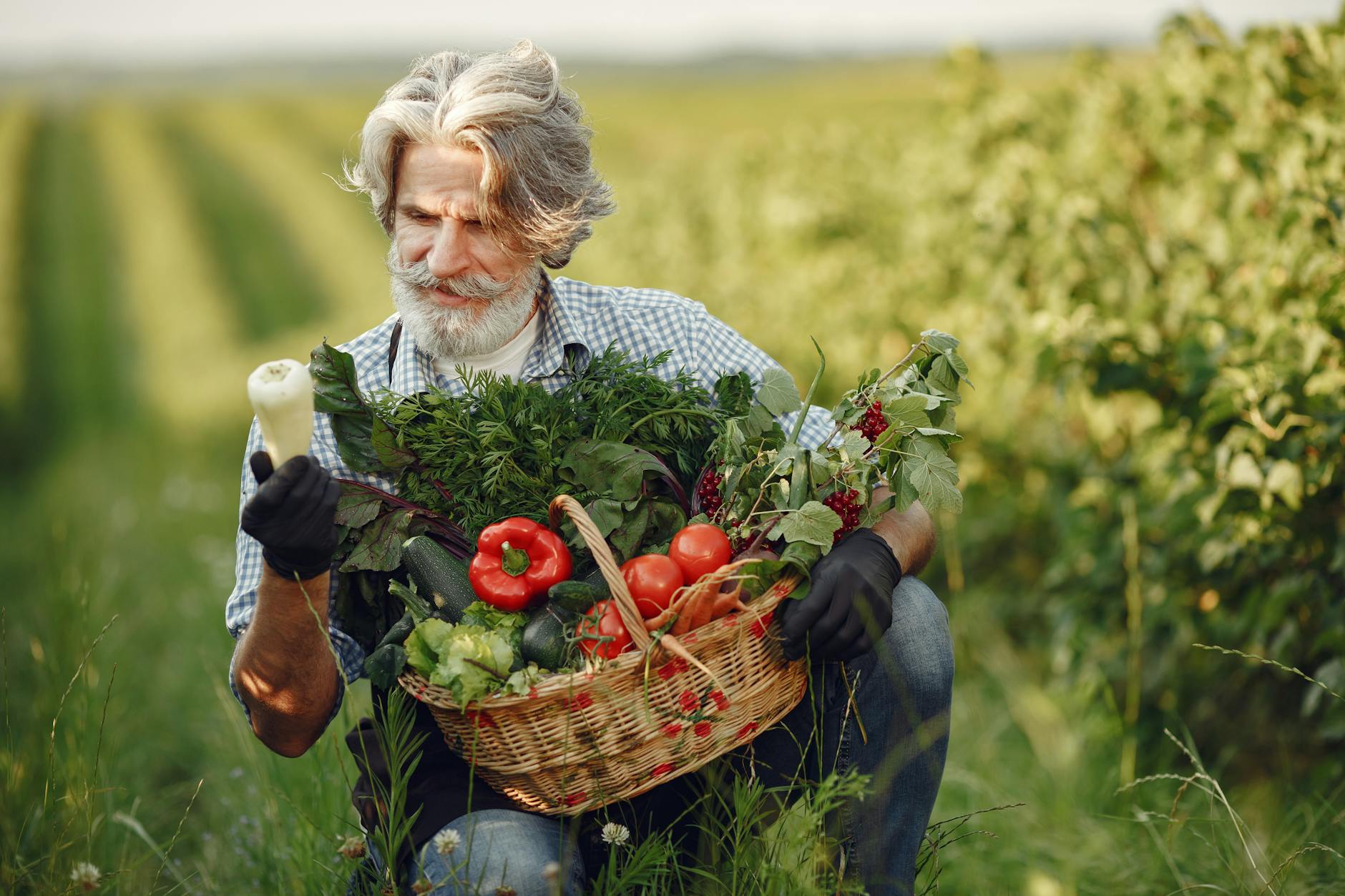
One of the most rewarding aspects of gardening is the harvest. Growing your own fruits, vegetables, and herbs means you have access to the freshest, most nutritious food imaginable. Imagine stepping outside your door to pick ripe, sun-warmed tomatoes for a salad, or snipping fresh basil for your pasta. This connection to your food source can inspire healthier eating habits and a greater appreciation for what you consume. It’s a direct link to a healthy lifestyle, from the ground up.
Building Community and Connection
Gardening doesn’t have to be a solitary pursuit. Community gardens, shared garden spaces, or even just swapping tips with neighbors can foster a sense of belonging. Sharing your bounty, trading seeds, or simply chatting over the fence creates social connections that are vital for overall well-being. These interactions combat loneliness and build stronger communities, one garden plot at a time.
Learning and Growing (Literally!)
Gardening is a continuous learning process. You’ll encounter challenges, experiment with different plants, and discover what works best in your specific environment. This constant learning keeps your mind engaged and fosters a sense of curiosity and resilience. It’s a gentle reminder that growth, even when slow and sometimes messy, is always possible. This mirrors the spirit of Spring Wellness Rituals, where we embrace new beginnings and personal growth.
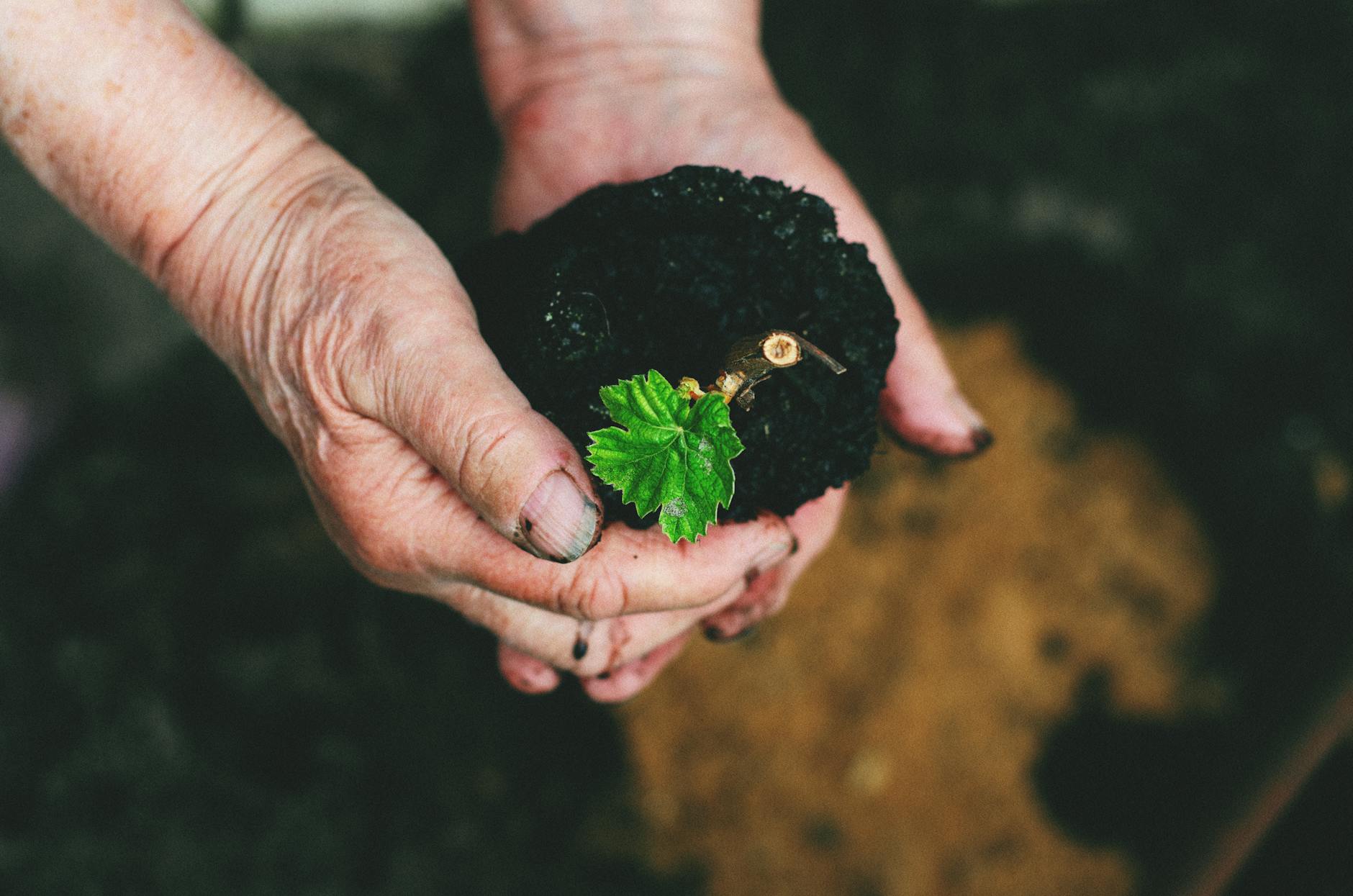
Getting Started: Your First Steps to a Healthier Garden
Start Small, Dream Big
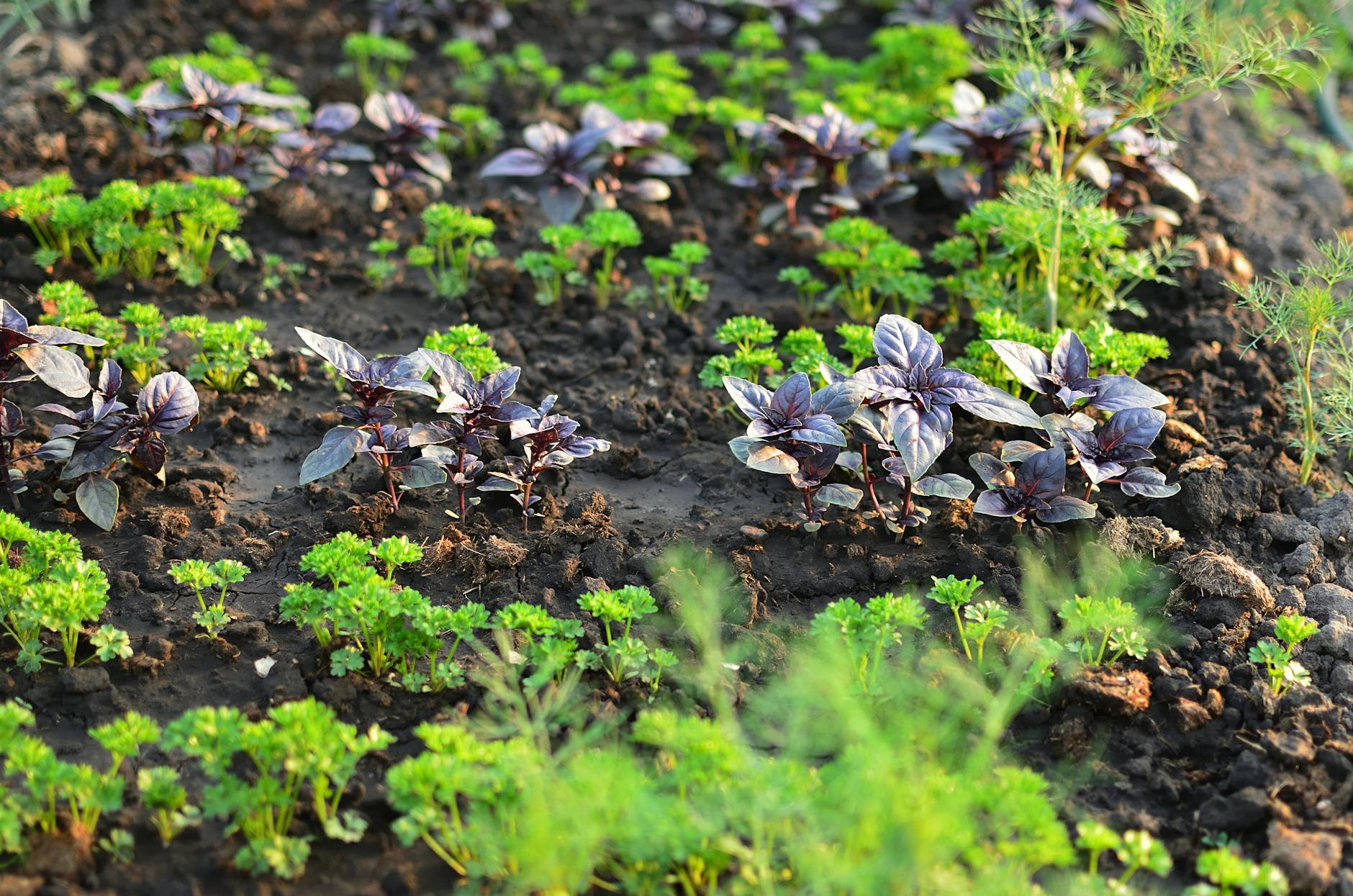
Don't feel pressured to transform your entire yard overnight. If you have limited space, a few pots on a windowsill or balcony can be a fantastic starting point. Herbs like mint, basil, and chives are incredibly forgiving and rewarding. Even a single tomato plant or a pot of cheerful marigolds can bring immense satisfaction.
Know Your Soil and Sun
Understanding your garden's conditions is key. Does the area get full sun, partial shade, or deep shade? What's the soil like? Most garden centers offer basic soil testing kits, or you can often get advice from local gardening groups. This knowledge will help you choose plants that are more likely to thrive, reducing frustration and increasing your chances of success.
Embrace the Imperfect
Here's the thing: not everything you plant will survive. Pests happen. The weather might not cooperate. You'll probably make mistakes. And that's perfectly okay. The beauty of gardening for health isn't about achieving horticultural perfection; it's about the process, the engagement, and the connection. Each experience, good or bad, is a lesson learned. Think about the last time you tried something new – did it go perfectly the first time? Probably not. Gardening is much the same.
Ultimately, gardening for health is an invitation. It’s an invitation to slow down, to connect with the natural world, and to nurture yourself as you nurture your plants. It’s a way to inject a little more calm, a little more movement, and a lot more joy into your life. So, grab a trowel, find a patch of earth, and start digging. You might just find that the most beautiful blooms are the ones that blossom within you.