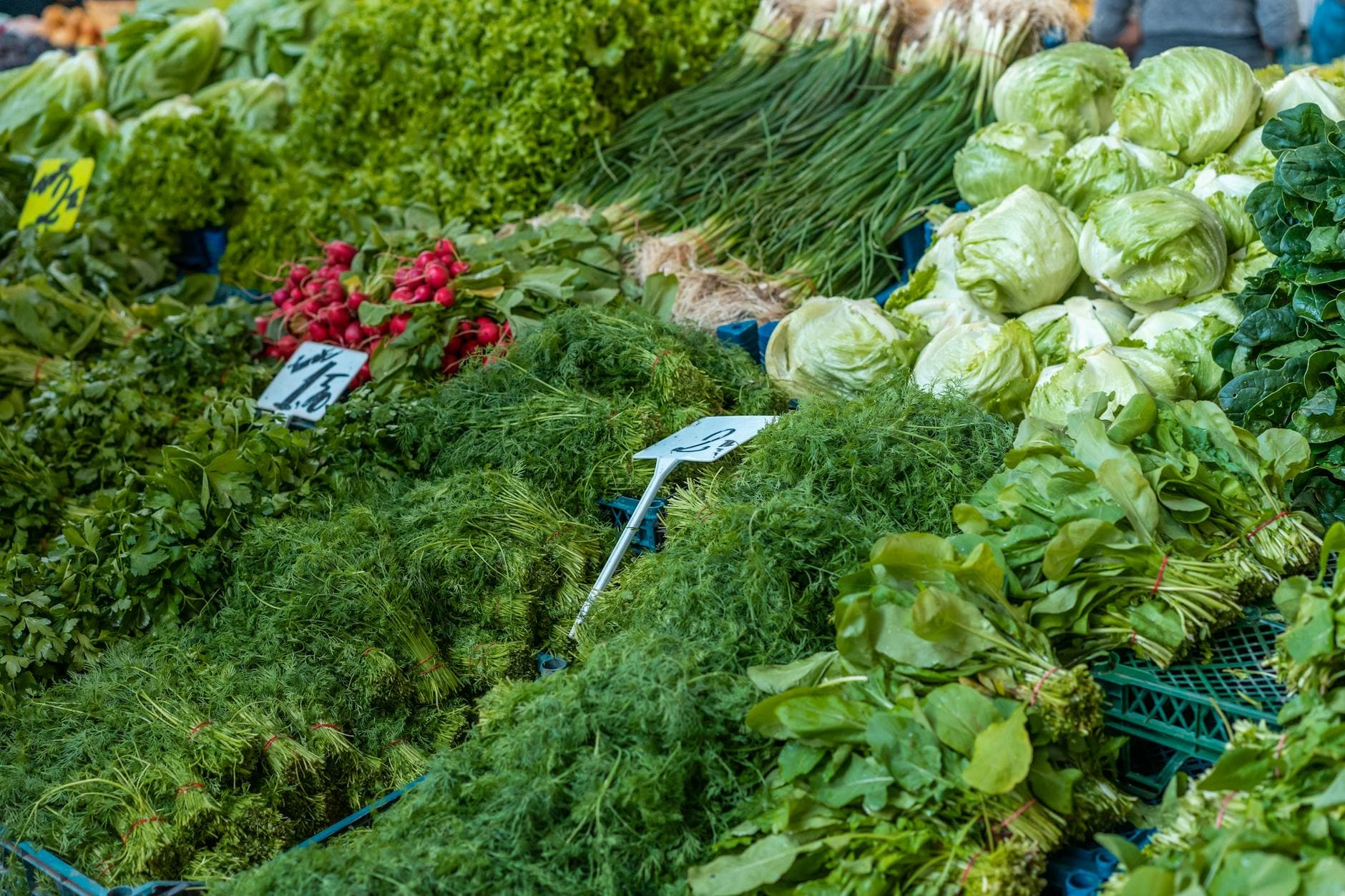
Picture this: it’s a crisp, early spring morning. The sun, still a little shy, peeks over the horizon, casting a soft golden light. You’re standing in your kitchen, the windows still a bit steamy from the lingering coolness, and you’re staring into your refrigerator. It feels… a little sad. A bit drab. The same old root vegetables from winter, maybe a few wilting greens. You crave something vibrant, something that tastes like sunshine and renewal. This is where embracing a spring produce guide truly transforms your plate and your energy. It’s not just about eating; it’s about reconnecting with the rhythm of nature and feeling that spark of vitality that this season promises.
The Magic of Eating Seasonally
There’s a reason why food tastes so much better when it’s in season. Honestly, it’s almost magical. When we talk about seasonal spring foods, we're talking about produce that has ripened naturally, hasn't traveled thousands of miles, and is bursting with peak flavor and nutrients. This isn't some faddish trend; it's a practice rooted in common sense and a deep respect for the earth’s cycles. Think about the last time you bit into a perfectly ripe strawberry in June – it’s a different experience than one you might get in December, right? That’s the power of seasonality.
Why Your Body Loves Seasonal Eating
Our bodies are pretty smart, and I think they instinctively crave what the environment is offering at any given time. Winter calls for hearty, grounding foods that provide sustained energy and warmth. Spring, on the other hand, brings lighter, more cleansing produce, rich in vitamins and antioxidants that help our bodies shake off the winter sluggishness. It's like nature's way of nudging us towards a reset. The benefits of seasonal eating extend beyond just taste; they're about aligning our diet with what our bodies naturally need at different times of the year.
The Environmental Hug of Seasonal Choices
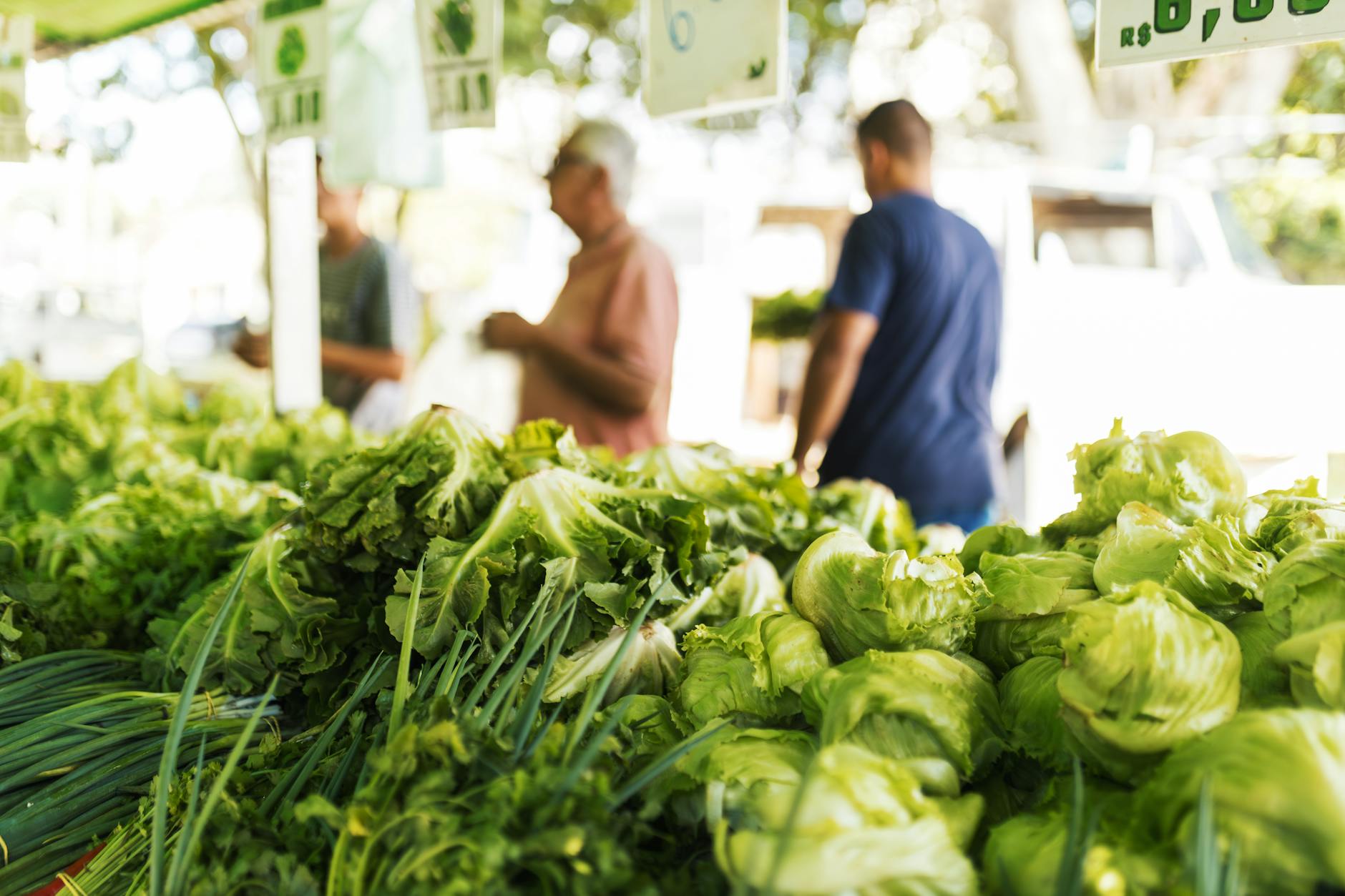
Beyond personal health, choosing seasonal produce is a small but significant way to support a more sustainable food system. When you buy what's in season locally, you're often reducing transportation emissions, supporting local farmers, and minimizing the demand for energy-intensive greenhouses. It’s a win-win-win situation, really. The farmers market spring produce is often the best place to see this in action, with vibrant displays of what’s truly ready to be harvested.
What's In Season This Spring? A Deep Dive
So, what exactly should you be looking for as the weather warms up? This is where our spring produce guide really comes into play. You’ve probably noticed the markets starting to fill with brighter colors and more delicate textures. It’s an exciting time for food lovers!
The Delicate Dance of Spring Greens
Spring is the undisputed champion of leafy greens. After months of heavier fare, these tender leaves are exactly what we need. They’re packed with vitamins K, A, and C, as well as minerals like folate and iron. I used to think greens were just… greens, but the variety in spring is astonishing.
Spinach: The All-Rounder
Spinach is one of the first greens to truly shine in spring. It’s incredibly versatile. You can toss it raw into salads, wilt it into omelets, or blend it into smoothies for a hidden nutrient boost. Its mild flavor makes it super accessible, even for picky eaters. Plus, it’s a fantastic source of iron, which is crucial for energy. If you're looking to boost your energy levels, exploring Iron Protein Foods: Boost Energy & Build Muscle Today! can be a game-changer.
Arugula: The Peppery Kick
If you like a little zest, arugula is your friend. Its peppery bite adds a sophisticated flair to any dish. I love tossing it with some grilled chicken or shrimp, a squeeze of lemon, and a drizzle of olive oil. It feels so light and sophisticated. It’s also loaded with antioxidants.
Lettuce Varieties: Beyond the Iceberg
Spring brings a beautiful array of lettuces – crisp romaine, tender butter lettuce, frilly loose-leaf varieties. These are the foundation of vibrant spring salads. They offer hydration and essential vitamins. Don't underestimate the power of a good salad; it’s a cornerstone of healthy spring produce eating.
The Sweetness of Spring's First Fruits (Yes, Fruits!)
While we often think of spring as the season for vegetables, don’t forget the early fruits that start to appear. These are often harvested in warmer climates and make their way to our tables, offering a welcome sweetness.
Strawberries: The Quintessential Spring Fruit
Oh, strawberries. They’re practically synonymous with spring and early summer. Their vibrant red color is a visual treat, and their sweet-tart flavor is unbeatable. They are loaded with Vitamin C and antioxidants. A bowl of fresh strawberries is a perfect, simple dessert or a fantastic addition to your breakfast. You might even consider making some Apple Detox Water: Refresh & Rejuvenate Your Body with a few strawberries for an extra burst of flavor and hydration.
Rhubarb: The Tart Surprise
Rhubarb is a bit of a unique character. Technically a vegetable, it’s almost always used as a fruit in cooking due to its incredibly tart flavor. It’s usually stewed with sugar and paired with strawberries or apples. It’s a classic spring ingredient that signals the transition to warmer weather for many.
Root Vegetables: Still Relevant, But Different
Don't think all root vegetables are just for winter! Some spring varieties offer a sweeter, milder profile.
Radishes: The Crisp Little Zingers
Radishes are one of the fastest-growing vegetables, and they arrive in spring with a satisfying crunch and a peppery bite. They’re fantastic thinly sliced in salads, added to sandwiches, or even roasted to bring out their sweetness. Their vibrant pink and white colors also add a beautiful visual element to your dishes.
New Potatoes: Tender and Sweet
These are baby potatoes, harvested before they fully mature. They have a wonderfully tender skin and a sweeter, milder flavor than their mature counterparts. They’re perfect boiled, roasted, or mashed. You can cook them with fresh herbs like dill or parsley for a truly spring-inspired side dish.
Alliums and Other Delights
Spring brings a fresh wave of aromatic ingredients that can elevate any meal.
Asparagus: The Star of the Show
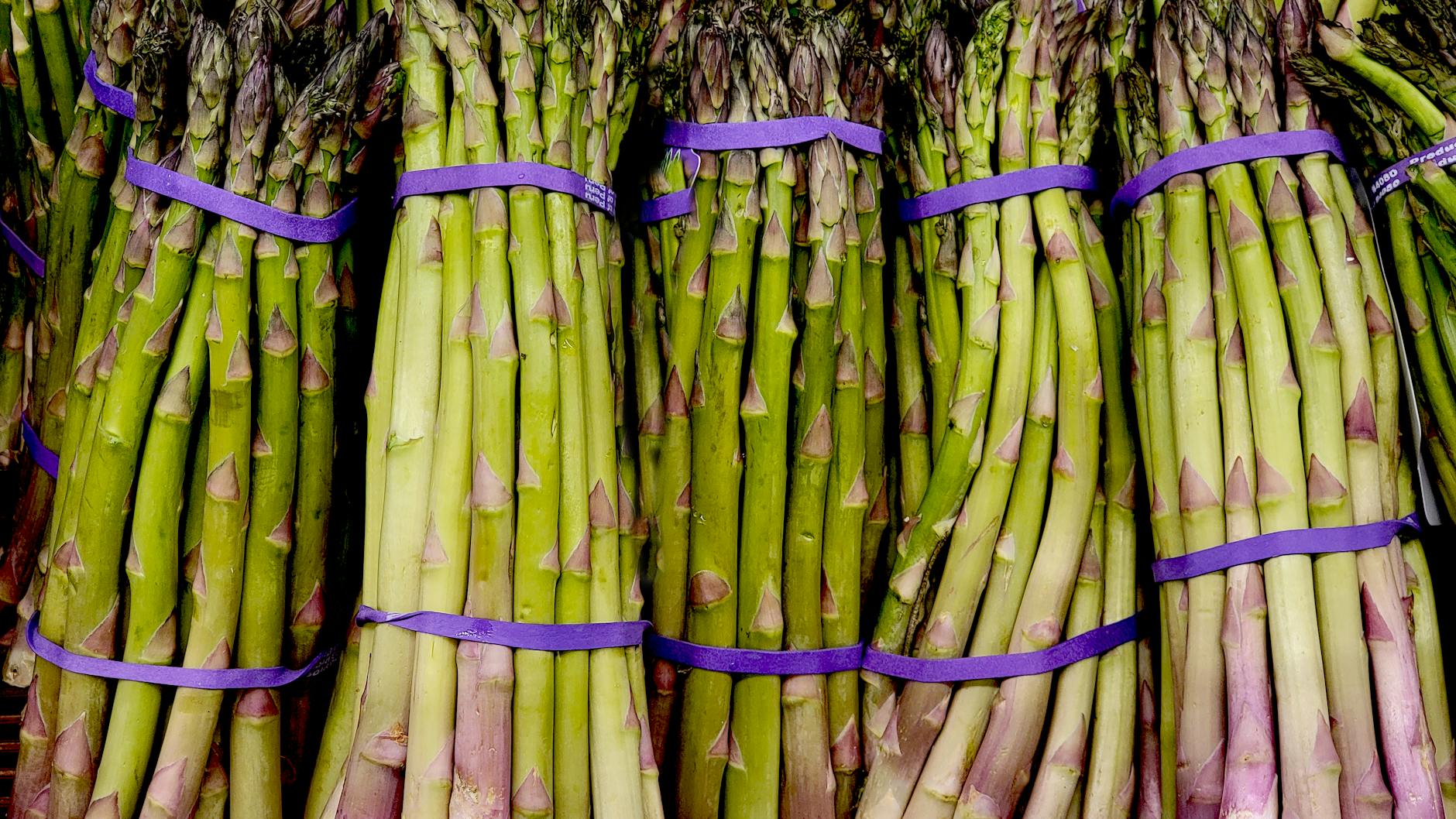
Asparagus is, for many, the undisputed king of spring produce. Its unique flavor and tender spears are a delight. Whether roasted, steamed, grilled, or shaved raw into a salad, asparagus is a must-have. It’s a good source of folate and vitamins A, C, and K. I'll be real with you, I eagerly await asparagus season every year. It just tastes like spring.
Spring Onions and Scallions: Gentle Flavor
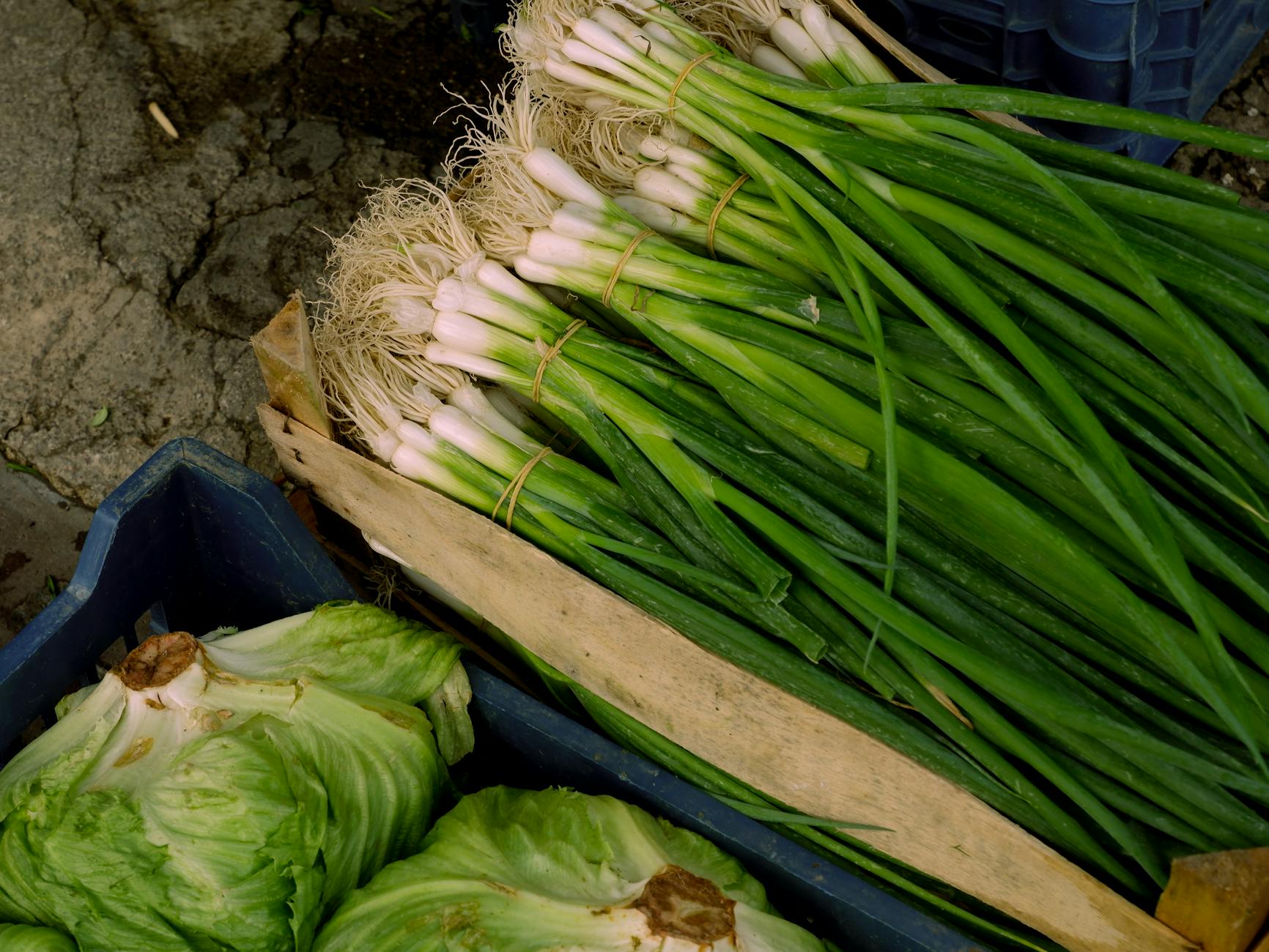
These are younger, milder versions of onions. Their green tops are as flavorful as their bulbs and can be used as a fresh garnish or added to stir-fries and sautés. They provide a subtle oniony flavor without the harshness of mature onions.
Peas: Sweet Little Pops of Flavor
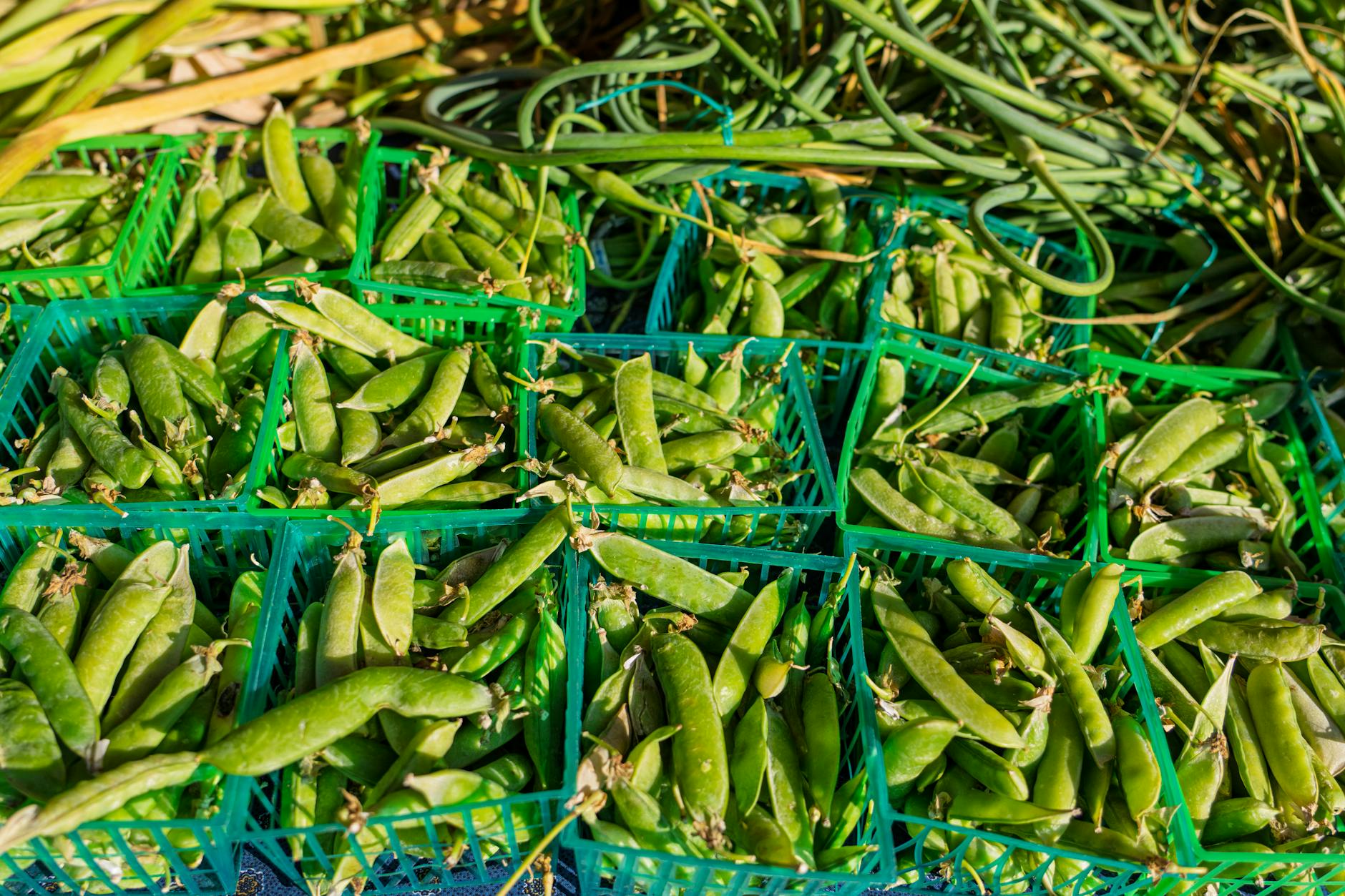
Fresh peas, especially shelling peas and sugar snap peas, are a springtime treasure. The sweetness of fresh peas is unparalleled. They’re wonderful in salads, pasta dishes, or simply steamed and served with a knob of butter. Sugar snap peas can be eaten whole, pods and all, offering a delightful crunch.
Spring Eating Recipes: Bringing it All Together
Now that you know what’s available, how do you actually use it? The beauty of spring eating recipes is their simplicity. They often highlight the natural flavors of the produce without a lot of fuss.
Light and Bright Salads
Salads are the perfect vehicle for showcasing spring’s bounty. Think beyond just lettuce. Add shaved asparagus, radishes, fresh peas, and maybe some grilled chicken or chickpeas for protein. A lemon-Dijon vinaigrette is often a perfect complement to these lighter flavors. You can even incorporate some Vegan Protein Sources: Top Foods for Muscle & Health to make your salads a complete meal.
Simple Sautéed and Roasted Dishes
Quick sautéing or roasting can bring out the best in spring vegetables. Asparagus with a little garlic and olive oil, or new potatoes tossed with herbs and roasted until tender, are fantastic sides. A simple spring vegetable medley can be a delicious and healthy main course.
Soups and Lighter Mains
Spring is also a great time for lighter soups. Think a creamy asparagus soup or a pea and mint soup. For mains, consider pan-seared fish or chicken served with a generous portion of seasonal vegetables. This aligns perfectly with the idea of a spring diet plan focused on fresh, vibrant ingredients.
The Nutritional Powerhouse of Spring Produce
Let’s talk about the nutrients in spring produce. This season is a fantastic time to stock up on vitamins and minerals that are essential for energy, immunity, and overall well-being.
Vitamin C Boost
Many spring fruits and vegetables, like strawberries and asparagus, are excellent sources of Vitamin C. This powerful antioxidant is crucial for immune function, skin health, and helping your body absorb iron. You’ve probably noticed how much more energy you have when you’re eating well in the spring; this is a big reason why.
Folate for Cellular Health
Leafy greens and peas are rich in folate (Vitamin B9). Folate is vital for DNA synthesis and repair, red blood cell formation, and can be particularly important for women of childbearing age. It plays a key role in cell growth and function.
Antioxidant Richness
The vibrant colors of spring produce often indicate the presence of powerful antioxidants. These compounds help protect your cells from damage caused by free radicals, which can contribute to chronic diseases. Eating a variety of colorful spring vegetables and fruits ensures you’re getting a broad spectrum of these protective compounds.
Hydration and Fiber
Many spring vegetables and fruits have high water content, which contributes to hydration. They also provide essential dietary fiber, which is crucial for digestive health, helps you feel full, and can contribute to stable blood sugar levels. This can be a significant factor in feeling more energetic and less sluggish.
Making the Switch: Practical Tips
Transitioning to a spring-focused diet doesn't have to be overwhelming. Here are a few practical ways to embrace the season.
Visit Your Local Farmers Market
This is hands down the best way to discover what’s truly in season. Talk to the farmers; they can tell you what’s best and how to cook it. It's an experience that connects you directly to your food.
Embrace Simple Preparations
Don't overcomplicate things. A drizzle of olive oil, a pinch of salt and pepper, and maybe some fresh herbs are often all you need to let the natural flavors of spring produce shine. This is where Easy Healthy Diet Swaps for Spring: Eat Better Today can really come into play, focusing on simple, fresh ingredients.
Experiment with New Recipes
Don't be afraid to try a new recipe or a new vegetable. That’s part of the fun! Maybe this is the year you finally master roasting asparagus or find your favorite way to use rhubarb. The spring produce guide is meant to inspire you to explore.
Focus on Gut Health
Spring is also a great time to focus on gut health. Incorporating fermented foods alongside fresh produce can be incredibly beneficial. Consider exploring Probiotic Foods Boost: Top Picks for Spring Gut Health to complement your seasonal eating.
Look, I'll be real with you. Making these changes takes a little intention. It’s easy to fall back into old habits. But the rewards? They’re immense. When you start eating with the seasons, you're not just nourishing your body; you're nurturing your connection to the world around you. You feel lighter, more energetic, and more in tune with nature's rhythm. The Centers for Disease Control and Prevention research on spring produce guide consistently highlights the benefits of increased fruit and vegetable intake, and spring offers the perfect opportunity to do just that. So, this spring, I encourage you to walk into your kitchen and see it not as a place to just feed yourself, but as a vibrant canvas waiting for the fresh, beautiful colors of the season. You’ve got this.