I remember a time, not so long ago, when I felt perpetually drained. Like a battery that never quite got a full charge. Coffee was my constant companion, but it was a temporary fix, a band-aid on a deeper issue. I was going through the motions, feeling sluggish, and my skin had this dull, almost greyish tinge. It wasn't until a particularly insightful doctor gently pointed out my iron levels were alarmingly low that I started to understand. And then came the challenge: how do I actually *fix* this through my diet, especially when I was already trying to eat well? This is where understanding iron protein foods became my personal mission, and I want to share what I've learned with you.
The Crucial Connection Between Iron and Protein
You've likely heard about iron and protein separately. Iron for energy, protein for muscles. But the synergy between them is where the real magic happens, especially when we're talking about optimizing our bodies and avoiding that energy-sapping fatigue. Think of it this way: iron is the oxygen carrier, the essential mineral that allows your red blood cells to transport oxygen throughout your body. Protein, on the other hand, is the building block for so many things, including the very hemoglobin that carries that iron within your blood. When you’re looking for foods rich in iron and protein, you’re essentially seeking out foods that support energy production and cellular repair simultaneously.
Why This Duo Matters for Your Energy
When iron levels dip, oxygen delivery suffers. This means every cell in your body, from your brain to your muscles, isn't getting the fuel it needs. Symptoms like fatigue, weakness, and even that persistent brain fog are classic signs. Protein plays a supportive role by ensuring your body has the components to utilize and transport iron effectively. Without adequate protein, even if you consume enough iron, your body might struggle to absorb and use it efficiently. It’s a beautifully intricate system, and neglecting one part affects the whole.
Beyond Energy: Muscle and Metabolism
This partnership isn't just about fighting fatigue. For anyone interested in muscle building foods, or even just maintaining lean muscle mass as they age, the combination is vital. Protein is, of course, the star player in muscle repair and growth. But iron’s role in oxygen transport is critical for the intense workouts that stimulate muscle adaptation. Furthermore, a well-functioning metabolism relies on efficient oxygen use, and both iron and protein contribute to this. If you're looking to boost your metabolism, considering these high iron protein foods is a smart move.
Heme vs. Non-Heme Iron: Understanding the Difference
This is where things get a little more nuanced, and honestly, where many people get tripped up. Not all iron is created equal, and understanding the types of iron will dramatically improve your absorption. The source of the iron dictates whether it's heme or non-heme.
The Power of Heme Iron
Heme iron is found exclusively in animal products. Think red meat, poultry, and fish. The beauty of heme iron is that it's readily absorbed by our bodies, generally at a much higher rate than its non-heme counterpart. This is why animal-based sources often get top billing when discussing foods rich in iron and protein. If you're looking for the most efficient way to boost your iron stores, particularly if you have significant deficiency, heme iron sources are your go-to. They offer a potent combination of easily absorbed iron and high-quality protein.
Navigating Non-Heme Iron
Non-heme iron is found in plant-based foods, like beans, lentils, spinach, and fortified cereals. While it’s not as efficiently absorbed as heme iron, it's still incredibly important, especially for vegetarians, vegans, or those who simply prefer to limit animal products. The key with non-heme iron is to be strategic about how you consume it. Certain foods and vitamins can significantly enhance its absorption. This is where understanding the interplay of nutrients becomes crucial for anyone seeking plant based protein iron sources.
Top Iron and Protein Powerhouses
So, let’s get down to brass tacks. What are the actual foods that deliver this dynamic duo? I've found that focusing on whole, unprocessed foods is always the most sustainable path.
Animal-Based Champions
When I first started this journey, I gravitated towards these, and for good reason. They are incredibly nutrient-dense.
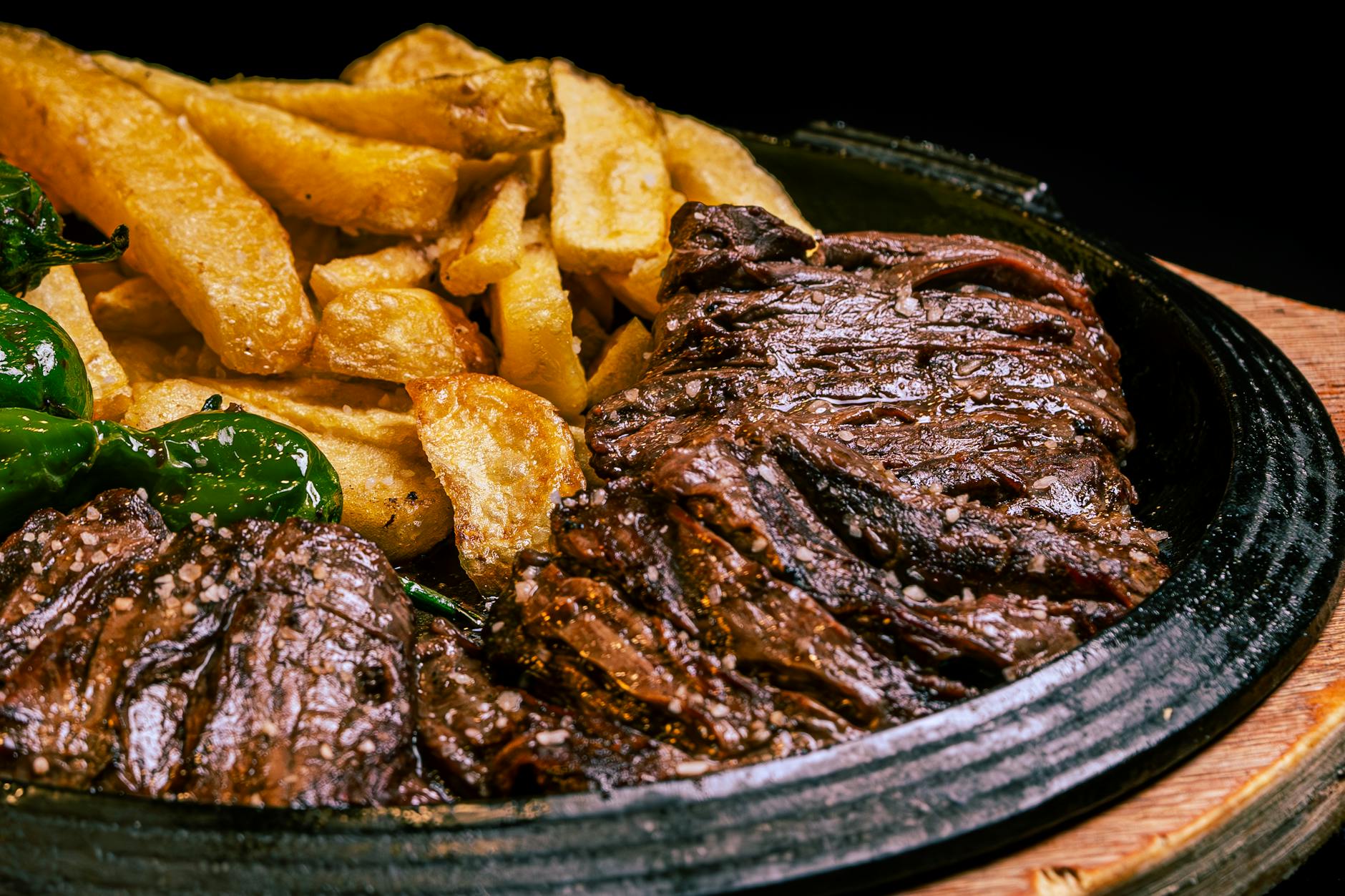
- Lean Red Meat: Think lean beef cuts like sirloin or flank steak. These are packed with both heme iron and complete protein. A 3-ounce serving can provide a significant chunk of your daily iron needs.
- Organ Meats: Liver, in particular, is a nutritional powerhouse. It's incredibly high in heme iron and protein. I know it's not for everyone, but if you can stomach it, it's a game-changer.
- Poultry: Chicken and turkey, especially the darker meat, offer good amounts of heme iron and protein. They're also generally more accessible and versatile than red meat for many.
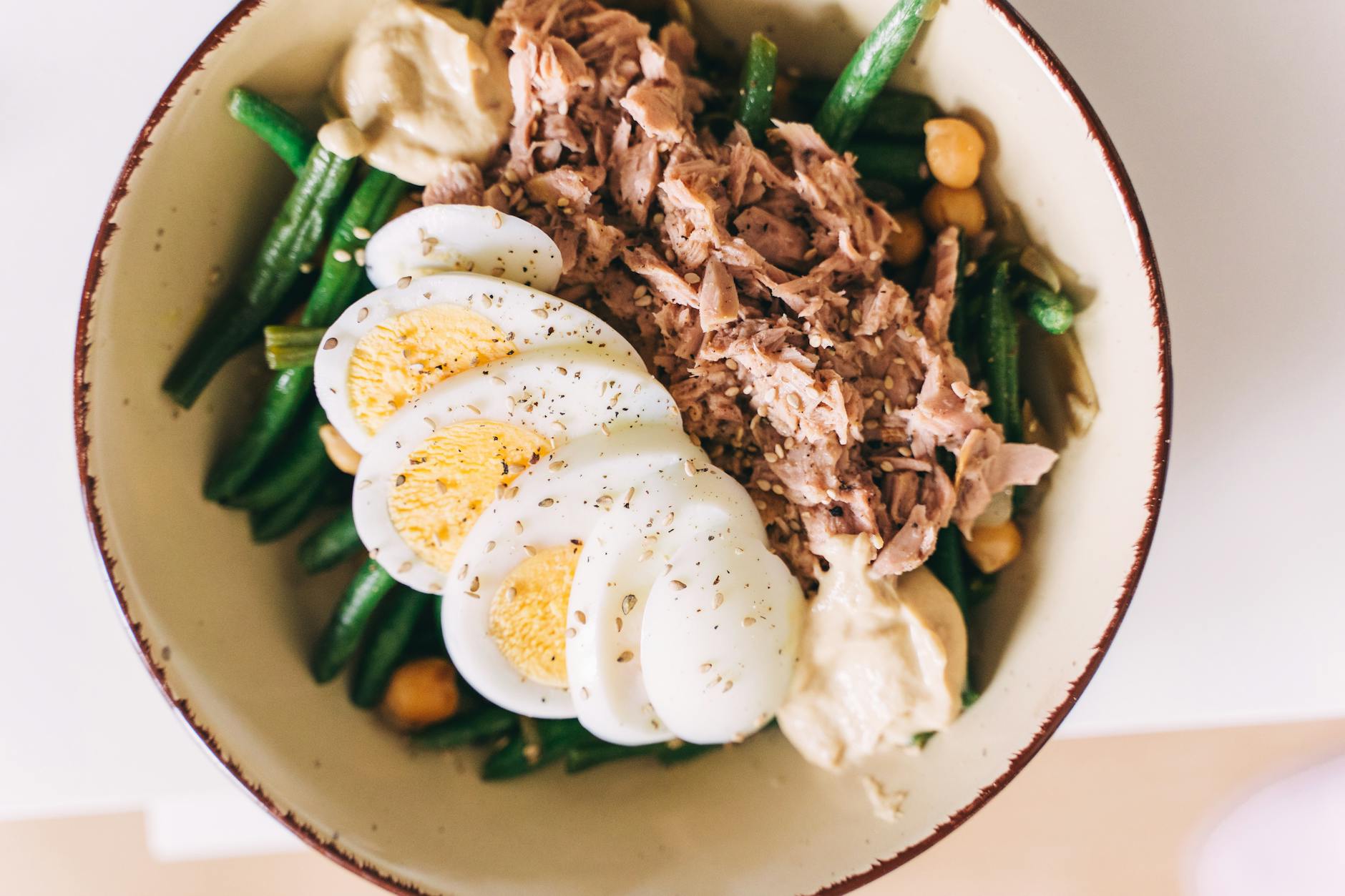
- Fish and Shellfish: Oysters, clams, and mussels are exceptional sources of heme iron. Fatty fish like salmon and tuna also provide protein and some iron, along with beneficial omega-3 fatty acids.
Plant-Based Stars
Don't underestimate the power of plants! With a little knowledge, you can build a robust diet rich in iron and protein from plant sources.
- Lentils and Beans: Kidney beans, black beans, chickpeas, and lentils are fantastic. They offer substantial amounts of non-heme iron and plant-based protein. They are also incredibly versatile in soups, stews, salads, and dips. I used to think of them as just "side dishes," but they can absolutely be the star of a meal.
- Tofu and Tempeh: These soy-based products are staples for many. They provide complete protein and a decent amount of non-heme iron. Tofu is incredibly adaptable, soaking up flavors beautifully, while tempeh offers a firmer texture and a slightly nutty taste.
- Spinach and other Dark Leafy Greens: While the iron content might seem lower per serving compared to meat, when you eat a large salad or a generous portion of cooked spinach, it adds up. Remember, these are non-heme iron sources, so pairing them strategically is key.
- Fortified Cereals and Breads: Many breakfast cereals and some breads are fortified with iron. Always check the nutrition label. These can be a convenient way to boost your intake, especially if you're struggling to incorporate other iron protein foods. For example, a bowl of fortified cereal with milk can be a good start to the day, and you can even add some nuts for extra protein.
- Nuts and Seeds: Pumpkin seeds, sesame seeds (tahini!), cashews, and almonds are good sources of non-heme iron and plant protein. They make for excellent snacks or additions to meals. A handful of pumpkin seeds is a quick and easy way to get a nutrient boost.
Maximizing Absorption: The Secret Sauce
Here’s the truth: just eating these foods isn't always enough. Especially with non-heme iron, your body needs a little help to soak it all up. This is what nobody tells you when you first start researching iron protein foods.
The Vitamin C Connection
This is probably the most critical piece of advice I can give regarding non-heme iron. Vitamin C is a powerful enhancer of iron absorption. When you consume vitamin C-rich foods alongside your iron sources, you can dramatically increase how much iron your body actually utilizes. Think about squeezing lemon juice over your lentil soup, adding bell peppers to your bean chili, or having a side of berries with your fortified oatmeal. It's a simple hack with significant impact.
What Inhibits Absorption?
Conversely, there are things that can get in the way. Calcium, found in dairy products, can inhibit iron absorption. Tannins in tea and coffee can also be problematic. This doesn't mean you have to cut these out entirely, but it’s wise to be mindful of timing. Try to avoid drinking large glasses of milk or strong cups of tea immediately with your main iron-rich meals, especially if you're focused on boosting your iron levels. Spacing them out by an hour or two can make a difference.
The Role of Cooking Methods
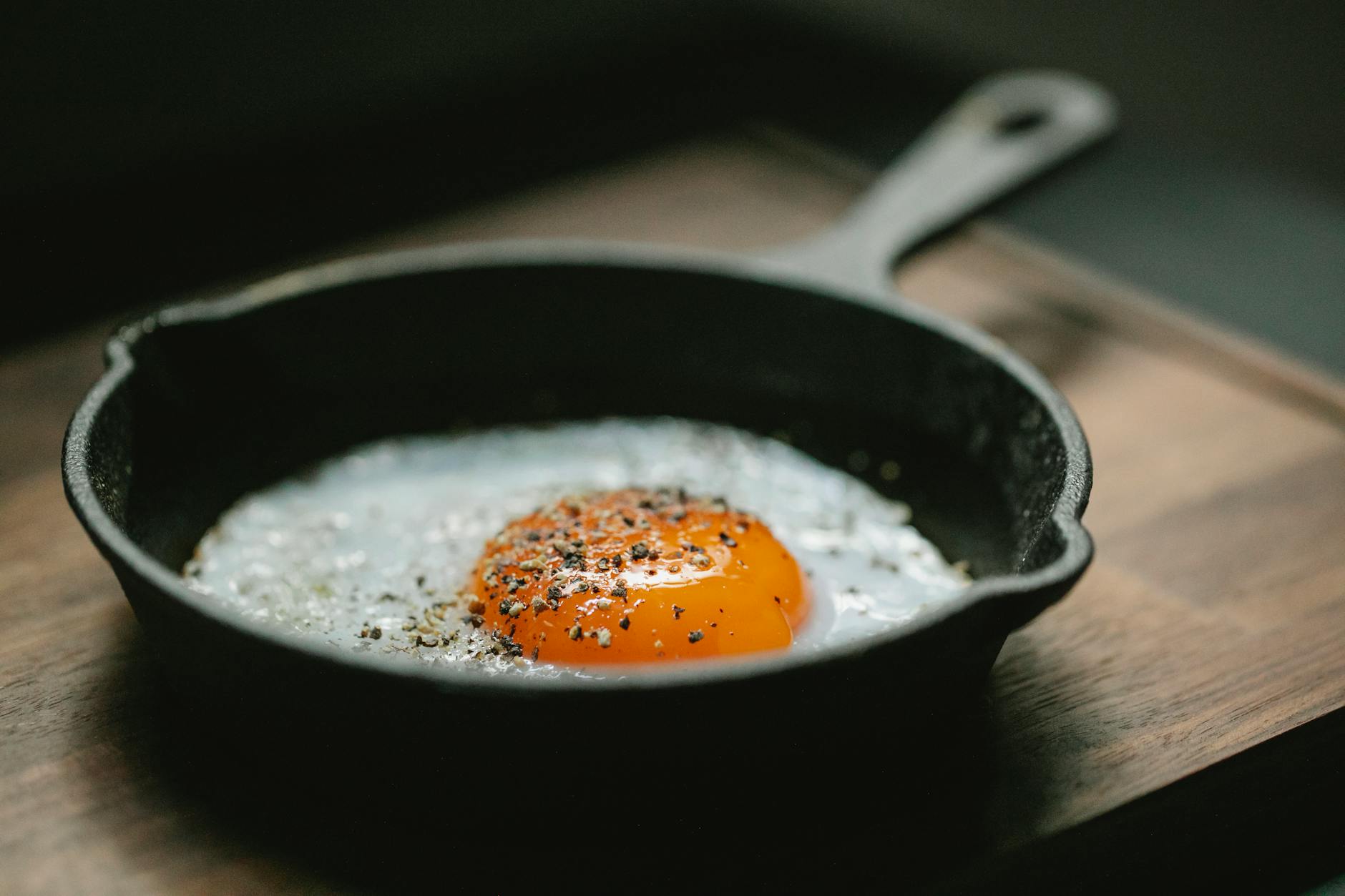
While not as impactful as vitamin C, certain cooking methods can influence nutrient availability. Cooking in cast-iron pans, for instance, can actually leach small amounts of iron into your food, particularly acidic foods like tomato sauce. It’s a small contribution, but every bit helps when you’re trying to get enough of these essential nutrients.
When to Seek Professional Help
I’ll be real with you: while diet is incredibly powerful, sometimes it’s not enough, or the underlying issue is more complex. If you're experiencing persistent iron deficiency symptoms like extreme fatigue, pale skin, shortness of breath, or brittle nails, it’s crucial to consult a healthcare professional. They can accurately diagnose your condition and recommend appropriate treatment, which might include iron supplements in addition to dietary changes.
Understanding Your Body's Needs
Your individual iron needs can vary based on age, sex, activity level, and physiological conditions like pregnancy. For example, menstruating women generally have higher iron requirements than men. Athletes also have increased needs due to higher iron losses through sweat and red blood cell breakdown. A doctor or a registered dietitian can help you understand your specific requirements and tailor a plan for you.
The Dangers of Self-Treating
It might be tempting to just start taking iron supplements if you suspect a deficiency. However, taking too much iron can be harmful, leading to digestive issues and even iron overload, which can damage organs. It’s always best to have your iron levels checked and to work with a professional to determine the right course of action. They can guide you on the best forms of iron supplements and the appropriate dosages, ensuring you're addressing the root cause safely and effectively.
Navigating the world of nutrition can feel overwhelming, especially when you’re trying to address specific health concerns like low iron. But by focusing on nutrient-dense iron protein foods and understanding how to maximize their absorption, you're taking powerful steps towards a more energized and vibrant you. It’s a journey, and it starts with making informed choices, one delicious meal at a time. Remember to listen to your body, be patient with yourself, and celebrate the small victories along the way.