Here’s a hard truth: most people think getting enough protein on a vegan diet is a monumental, almost impossible task. They picture us wilting away, desperately searching for a single pea to sustain us. Honestly, it’s a bit comical, but also frustrating because it’s just not true. The abundance and variety of vegan protein sources available today are staggering, and achieving your protein goals is more accessible than ever. I’ve spent years navigating this space, experimenting, and helping others do the same, and I’ve learned a thing or two about what truly matters when it comes to fueling your body with plant-based protein.
Debunking the Protein Myth: What You Really Need to Know
The "Complete Protein" Conundrum
You’ve probably heard the term “complete protein” thrown around, often implying that animal products are the only way to get all nine essential amino acids. This is largely a holdover from outdated nutritional science. While it's true that most plant foods don't contain all nine amino acids in perfectly balanced ratios within a single serving, your body is far more sophisticated than that. It’s like a master builder who can take bricks from different piles throughout the day to construct a wall. As long as you eat a varied diet, your body will assemble all the amino acids it needs. The idea that you need to meticulously combine specific foods at every single meal is, frankly, exhausting and unnecessary for most.
Why Protein for Vegans Matters (and How Much You Actually Need)
Protein is crucial for so many bodily functions: building and repairing tissues, making enzymes and hormones, and supporting immune function. For vegans, understanding how to incorporate sufficient protein into their diet is paramount to feeling energized and strong. The recommended daily allowance (RDA) for protein is generally 0.8 grams per kilogram of body weight, but this can vary based on activity level, age, and health goals. Athletes or those looking to build muscle might aim for higher intakes, perhaps 1.2-2.0 grams per kilogram. It’s not about hitting a magic number every single hour, but rather ensuring consistent intake throughout the day from diverse vegan protein sources.
The Power of Variety: Beyond the Obvious
Relying on just one or two foods for your protein is a recipe for nutritional imbalance, regardless of whether you eat meat or not. The real magic happens when you embrace the incredible diversity of plant-based protein rich foods list. Think beyond just beans and tofu. The world of vegan protein sources is vast and exciting!
The Pillars of Plant-Based Protein: Your Go-To Foods
Legumes: The Humble Powerhouses
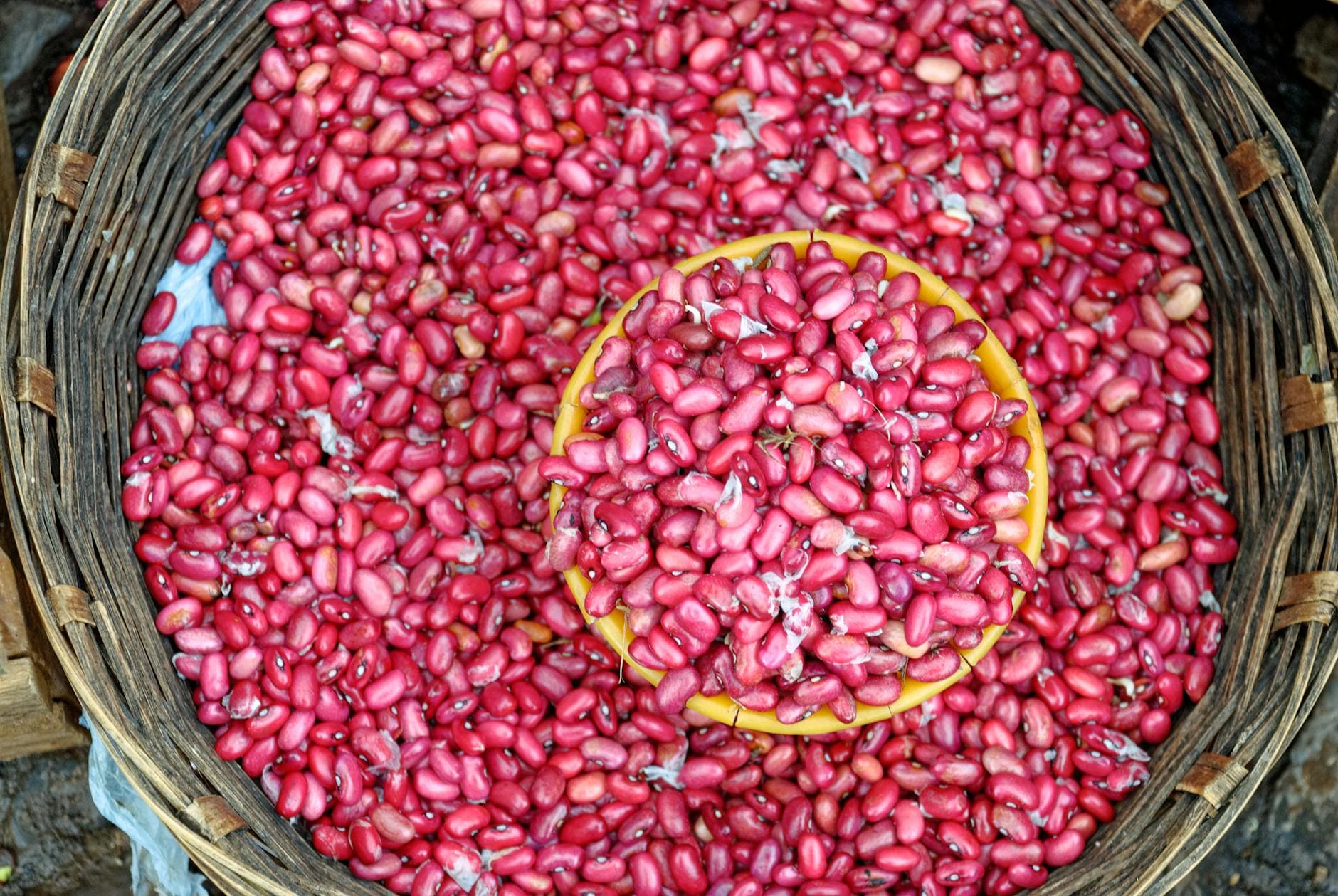
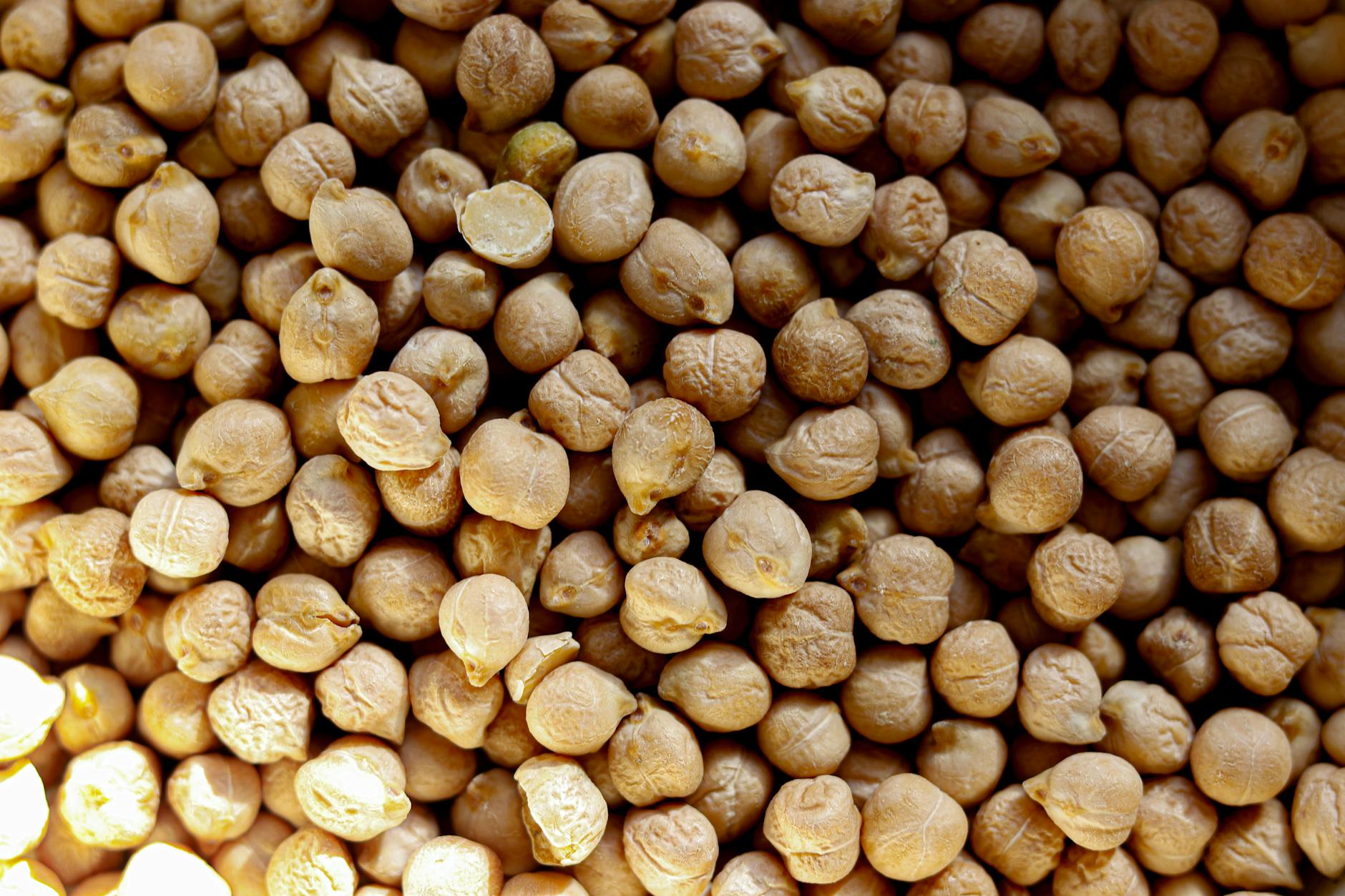
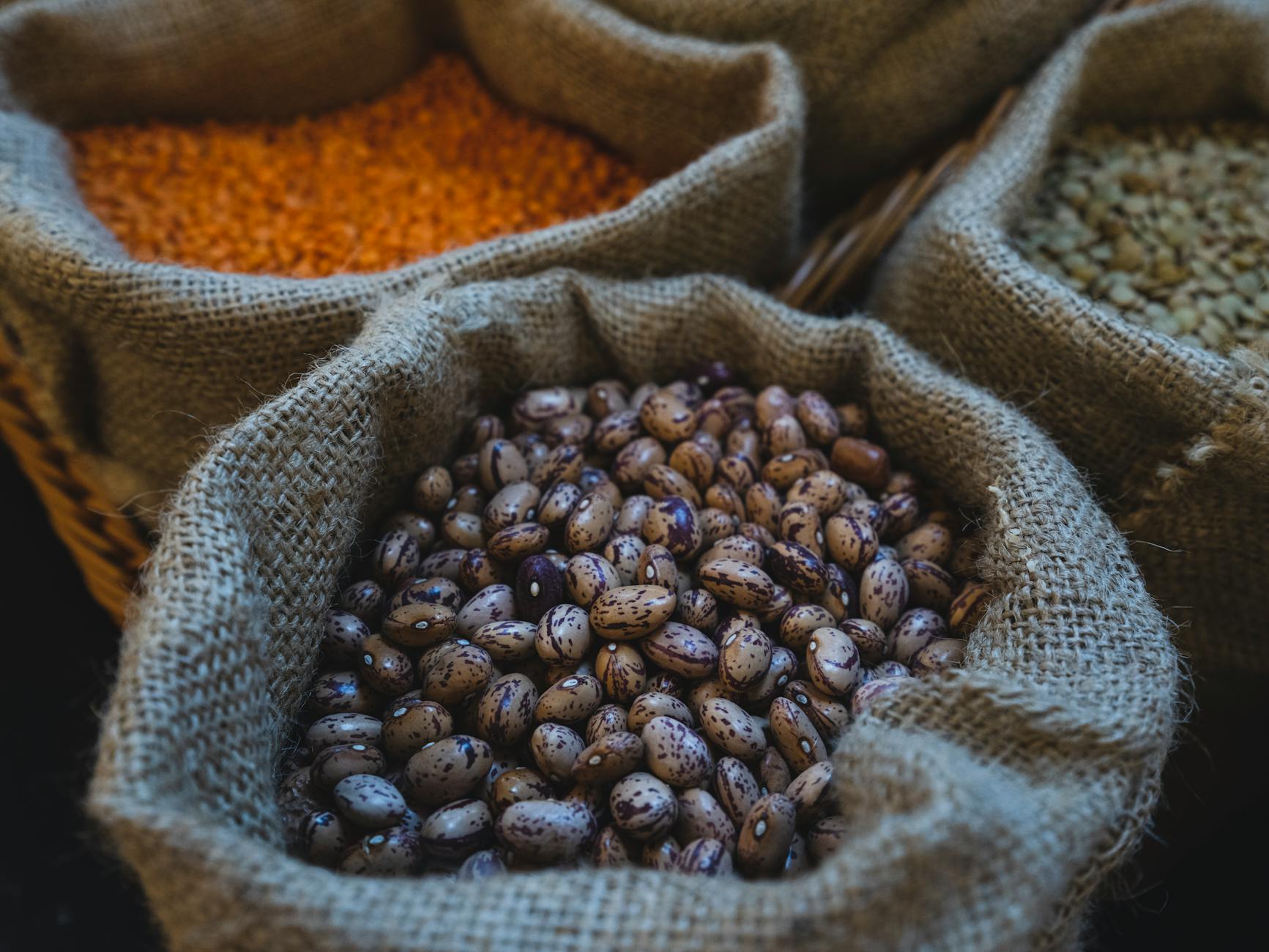
This is where many people start, and for good reason. Lentils, beans (kidney, black, pinto, chickpeas), and peas are nutritional superheroes. They’re not only packed with protein but also loaded with fiber, iron, folate, and other essential micronutrients. A cup of cooked lentils, for instance, can provide around 18 grams of protein, plus a hefty dose of fiber that keeps you feeling full and supports digestive health. I remember my first few months as a vegetarian, and then vegan; lentils became my absolute best friend. So versatile, so filling, and so incredibly good for you. They’re fantastic in soups, stews, curries, salads, and even as a base for veggie burgers.
Soy Products: More Than Just Tofu
Soy often gets a bad rap, but it’s a complete protein source and a cornerstone of many high protein vegan diets. Tofu, tempeh, and edamame are all derived from soybeans and offer substantial protein. A half-cup of firm tofu can contain around 10 grams of protein, while tempeh, a fermented soy product, offers a firmer texture and a slightly nuttier flavor, with about 15 grams of protein per half-cup. Edamame, those delightful young soybeans, are perfect as a snack or appetizer, providing about 9 grams of protein per half-cup. I personally love tempeh for its versatility; you can marinate it, bake it, or crumble it into sauces. It’s a culinary chameleon.
Nuts and Seeds: Tiny But Mighty
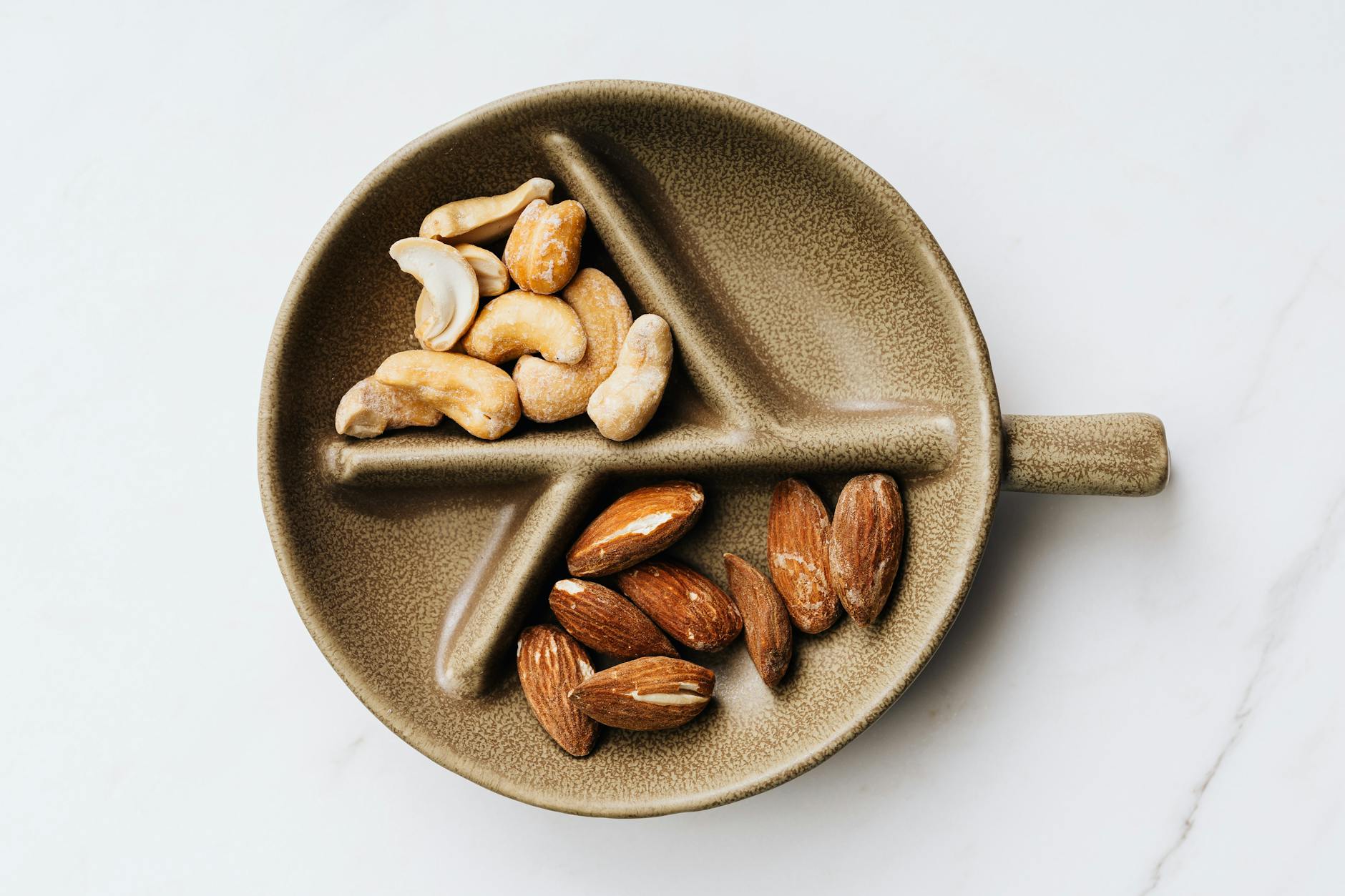
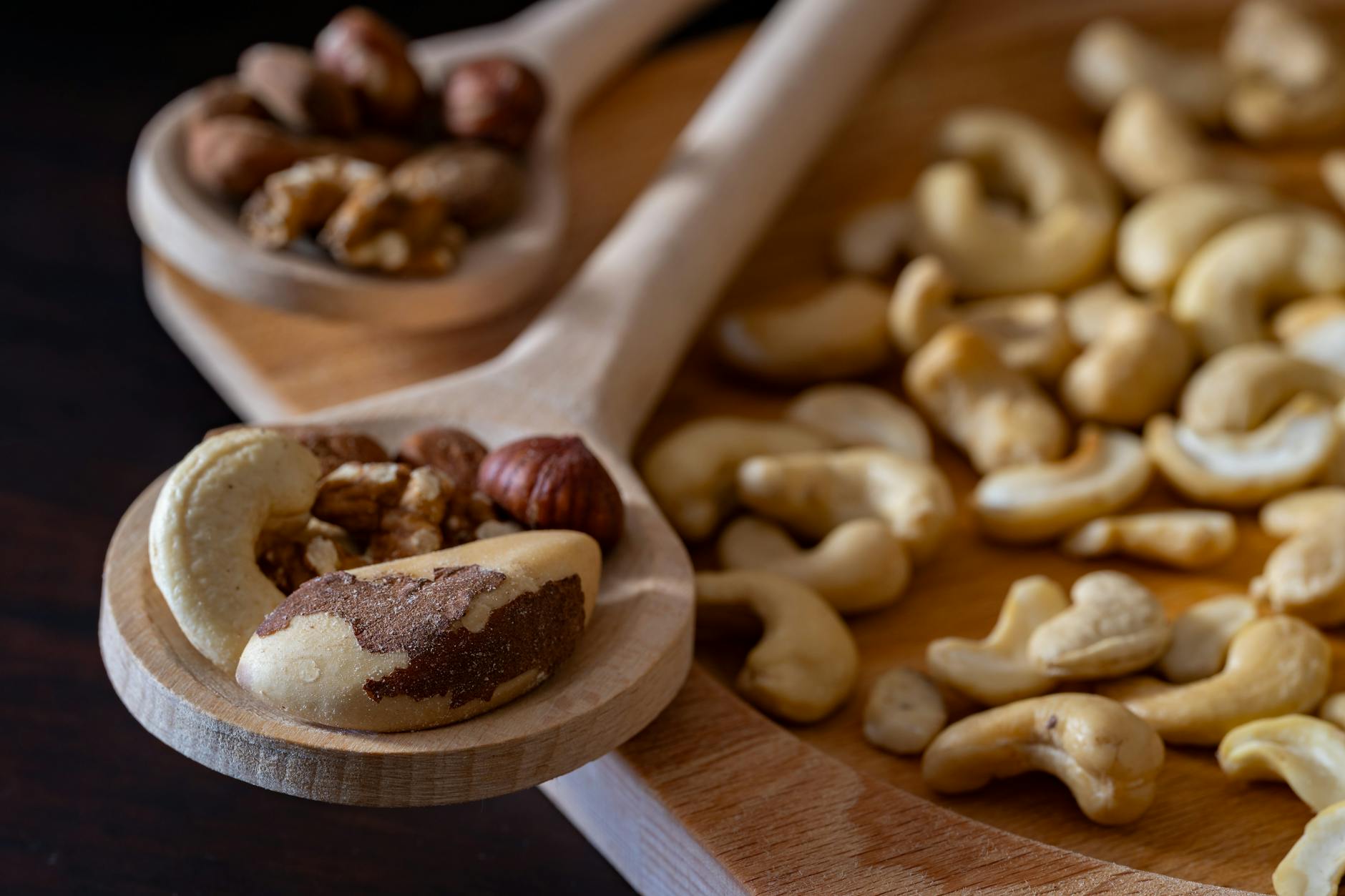
Don’t underestimate the protein punch packed into these small wonders. Almonds, walnuts, cashews, peanuts (yes, botanically a legume, but often grouped with nuts nutritionally), and seeds like chia, flax, hemp, pumpkin, and sunflower are fantastic additions to your diet. A tablespoon of chia seeds can offer about 2 grams of protein and a significant amount of omega-3 fatty acids. Hemp seeds are particularly noteworthy, providing about 10 grams of protein per 3 tablespoons and all the essential amino acids. Nut butters, like peanut butter or almond butter, are also excellent sources; you can whip up some healthy peanut butter snacks for a quick protein boost. Remember that nuts and seeds are also calorie-dense, so portion control is key, especially if you're watching your calorie intake.
Expanding Your Vegan Protein Palette
Whole Grains: The Unsung Heroes
While often thought of as carbohydrate sources, many whole grains contribute significantly to your protein intake. Quinoa is a standout, being a complete protein and offering about 8 grams per cooked cup. Oats are another excellent choice; a bowl of oatmeal can easily provide 5-6 grams of protein, and you can further boost this by adding nuts, seeds, or soy milk. Check out the amazing Oatmeal Benefits: Boost Your Health & Energy Today!. Other grains like amaranth, buckwheat, and even brown rice contribute smaller but valuable amounts of protein to your daily total. Don't dismiss them; they are vital players in the overall protein game.
Vegetables: More Than Just Fiber
It’s true, vegetables aren’t typically lauded for their protein content in the same way as legumes or soy. However, some vegetables do offer a surprising amount. Broccoli, spinach, Brussels sprouts, and potatoes all contribute a few grams of protein per serving. While you won't be hitting your protein targets solely from vegetables, they absolutely contribute to the overall picture, especially when consumed in generous quantities as part of a balanced vegan diet. Every little bit counts, and these nutrient-dense options are packed with vitamins, minerals, and antioxidants too.
Specialty Vegan Proteins: For When You Need a Boost
Sometimes, life gets busy, and you need a convenient way to increase your protein intake. This is where vegan protein powders and meat alternatives come in.
Vegan Protein Powders: Convenience and Customization
These can be a game-changer for hitting higher protein goals, especially for athletes or those with demanding schedules. You’ll find powders made from pea, rice, soy, hemp, and blends that combine multiple sources to ensure a complete amino acid profile. Choosing a good quality vegan protein powder can make a significant difference in your energy levels and recovery. I’ve found that a good quality pea protein powder mixed with some berries and a splash of plant milk is my go-to post-workout fuel.
Meat Alternatives: Bridging the Gap
The market for meat alternatives has exploded, offering everything from burgers and sausages to chicken-style strips. Many of these are protein-fortified and can be a convenient way to enjoy familiar textures and flavors while getting a decent protein boost. However, it’s always wise to check the ingredients list, as some can be highly processed and contain added sodium or fillers. Look for options made from whole food ingredients where possible.
Putting It All Together: Building a Protein-Rich Vegan Plate
Strategic Meal Planning for Protein
The key to consistently getting enough protein on a vegan diet is mindful planning. Think about incorporating a protein source into every meal and snack.
Breakfast Ideas
Start your day with a smoothie containing plant-based protein powder, hemp seeds, and a handful of spinach. Or, top your oatmeal with nuts and seeds. Scrambled tofu with veggies is another hearty option.
Lunch and Dinner Strategies
Build your meals around a substantial protein base. A lentil soup with whole-grain bread, a large salad topped with chickpeas and pumpkin seeds, or a tempeh stir-fry with brown rice are excellent choices. Don’t be afraid to experiment with different cuisines and flavor profiles!
Snacking Smartly
Snacks are prime opportunities to sneak in extra protein. A handful of almonds, a small container of edamame, or a apple with almond butter can keep you satisfied between meals.
The Role of Nutritional Yeast
This often-overlooked ingredient, nutritional yeast protein, is a vegan staple for a reason. It has a cheesy, umami flavor and is a complete protein source, providing about 8 grams of protein per quarter cup. It’s also a fantastic source of B vitamins, especially B12 if it’s fortified. Sprinkle it on pasta, popcorn, salads, or use it to make vegan cheese sauces. It’s a simple way to add both flavor and protein to your dishes.
Considering Supplementation: When and Why
For most people eating a varied vegan diet, supplementation isn't strictly necessary for protein. However, if you have very high protein needs due to intense training, or if you struggle to meet your targets through food alone, a vegan protein powder can be a helpful tool. It's always best to discuss supplementation with a healthcare professional or a registered dietitian to ensure it aligns with your individual needs and goals. They can also help you assess if you’re getting enough of other vital nutrients like iron, B12, and vitamin D, which are often discussed alongside protein for vegans. For instance, understanding Mayo Clinic research on vegan protein sources can be a good starting point for informed decisions.
Beyond the Plate: Lifestyle and Long-Term Success
Listening to Your Body
This is perhaps the most important piece of advice I can give. Pay attention to how different foods make you feel. Are you energized? Are you satisfied? Do you feel sluggish? Your body will often tell you what it needs. If you're constantly hungry, you might need to increase your protein and fiber intake. If you're feeling run down, it could be a sign of insufficient calories or micronutrients. I used to obsess over hitting exact protein numbers, but I've learned that focusing on whole, nutrient-dense foods and enjoying my meals has been far more effective and sustainable.
The Long Game: Sustainability and Enjoyment
Adopting a vegan lifestyle, or even just incorporating more plant-based meals, should be a journey of discovery and enjoyment, not deprivation. The world of vegan protein sources is incredibly diverse and delicious. From hearty lentil stews to vibrant quinoa salads and creamy nut butter snacks, there’s a flavor and texture for everyone. Embracing this variety is what makes eating vegan not just healthy, but truly satisfying. The research from the National Institutes of Health research on vegan protein sources often highlights the benefits of a well-planned plant-based diet for long-term health. This isn't about restriction; it's about abundance and discovering a world of delicious, nourishing foods that happen to be entirely meatless protein options.
A Final Thought on Protein for Vegans
So, the next time someone questions how you get your protein as a vegan, you can smile and know the truth. You have an entire universe of incredible vegan protein sources at your fingertips. It’s about making smart choices, embracing variety, and trusting that your body is capable of thriving on the goodness of plants. The journey to understanding and mastering plant-based nutrition is ongoing, but it's one filled with delicious discoveries and profound well-being.