
I remember standing in the produce aisle, feeling utterly overwhelmed. So many colorful options, but what actually *did* something for my sluggish digestion and that persistent craving for sweets? It felt like everyone else had it figured out, effortlessly choosing the "right" foods. For me, navigating the world of nutrition, especially when trying to increase fiber intake, felt like a puzzle with missing pieces. That’s when I truly started digging into the power of high fiber foods, and honestly, it changed everything.
Unlocking the Power of Fiber
What Exactly is Fiber and Why Should You Care?
Fiber is a carbohydrate that our bodies can't digest. It passes through our digestive system relatively intact, acting like a broom to sweep things along. But it's not just about regularity; fiber plays a crucial role in so many aspects of our health. Think of it as the unsung hero of your diet. It’s the backbone of a healthy gut and a key player in managing everything from blood sugar to weight. This is why focusing on foods high in fiber is so important.
The Two Sides of the Fiber Coin: Soluble vs. Insoluble
Most people know fiber is good, but not everyone understands the difference between soluble and insoluble fiber. Both are vital, and you get them from different sources, so a varied diet is key. Soluble fiber dissolves in water, forming a gel-like substance. This is fantastic for slowing down digestion, which helps stabilize blood sugar levels and can even lower cholesterol. Insoluble fiber, on the other hand, doesn't dissolve. It adds bulk to your stool, promoting regular bowel movements and preventing constipation. Getting a good mix of both is the goal for a truly fiber rich diet.
The Magic of Soluble Fiber
Think oats, beans, apples, and citrus fruits. These are packed with soluble fiber. It's the type of fiber that has been shown in numerous studies, including National Institutes of Health research on high fiber foods, to be particularly effective at managing cholesterol and blood sugar. If you're looking to get a handle on those afternoon energy crashes or simply want to support your cardiovascular health, soluble fiber foods are your best friends.
The Strength of Insoluble Fiber
Whole grains, nuts, seeds, and the skins of many fruits and vegetables are excellent sources of insoluble fiber. This type is your go-to for digestive regularity. It’s the bulking agent that helps move things through your system smoothly. I've seen countless clients feel so much better physically once they started incorporating more of these high fiber foods into their daily meals.
The Best Fiber Foods You Should Be Eating
Legumes: Tiny Powerhouses of Fiber
If I had to pick one category of food that truly impresses me with its fiber content, it would be legumes. Beans, lentils, peas – they are incredibly versatile and ridiculously packed with both soluble and insoluble fiber. A single cup of cooked lentils can provide over 15 grams of fiber! That’s a huge chunk of your daily requirement right there. And they're so affordable and adaptable to so many dishes, from hearty stews to vibrant salads.
Lentils: The Speedy Fiber Star
Lentils cook quickly, making them a weeknight savior. Whether you're making a lentil soup, a lentil shepherd's pie, or even adding them to a salad for extra protein and fiber, they're a winner. I used to think lentils were bland until I started experimenting with different spices and cooking methods – now they're a staple in my kitchen.
Beans: The Versatile Fiber Champion
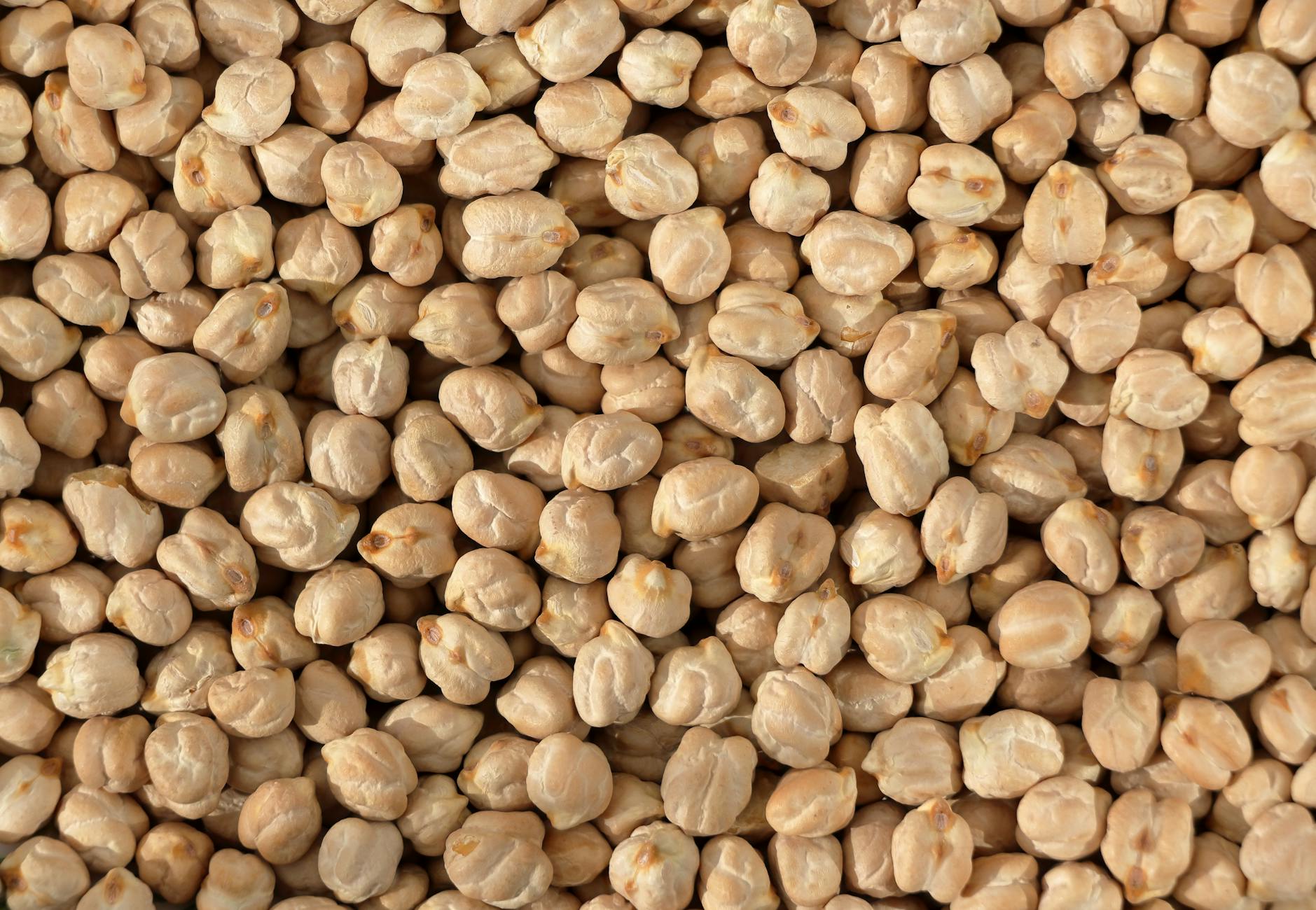
Black beans, kidney beans, chickpeas – the list goes on. These are fantastic in chili, tacos, dips like hummus, or simply as a side dish. They are incredibly filling and contribute significantly to a fiber rich diet. For instance, a serving of black beans can offer around 8 grams of fiber.
Whole Grains: More Than Just Bread
When we talk about whole grains, we're talking about the entire grain kernel – bran, germ, and endosperm. This means you're getting all the good stuff, including plenty of fiber. Refined grains, like white flour or white rice, have had the bran and germ removed, stripping away a lot of the fiber and nutrients. Making the switch to whole grains is one of the easiest ways to boost your fiber intake.
Oats: The Breakfast Staple
Oatmeal is a classic for a reason. A bowl of rolled oats is loaded with soluble fiber, specifically a type called beta-glucan, which is fantastic for heart health. It’s a slow-burning fuel that keeps you satisfied for hours. Just be mindful of added sugars in instant varieties; opt for plain rolled or steel-cut oats for the most benefit.
Quinoa and Brown Rice: Savory Fiber Sources
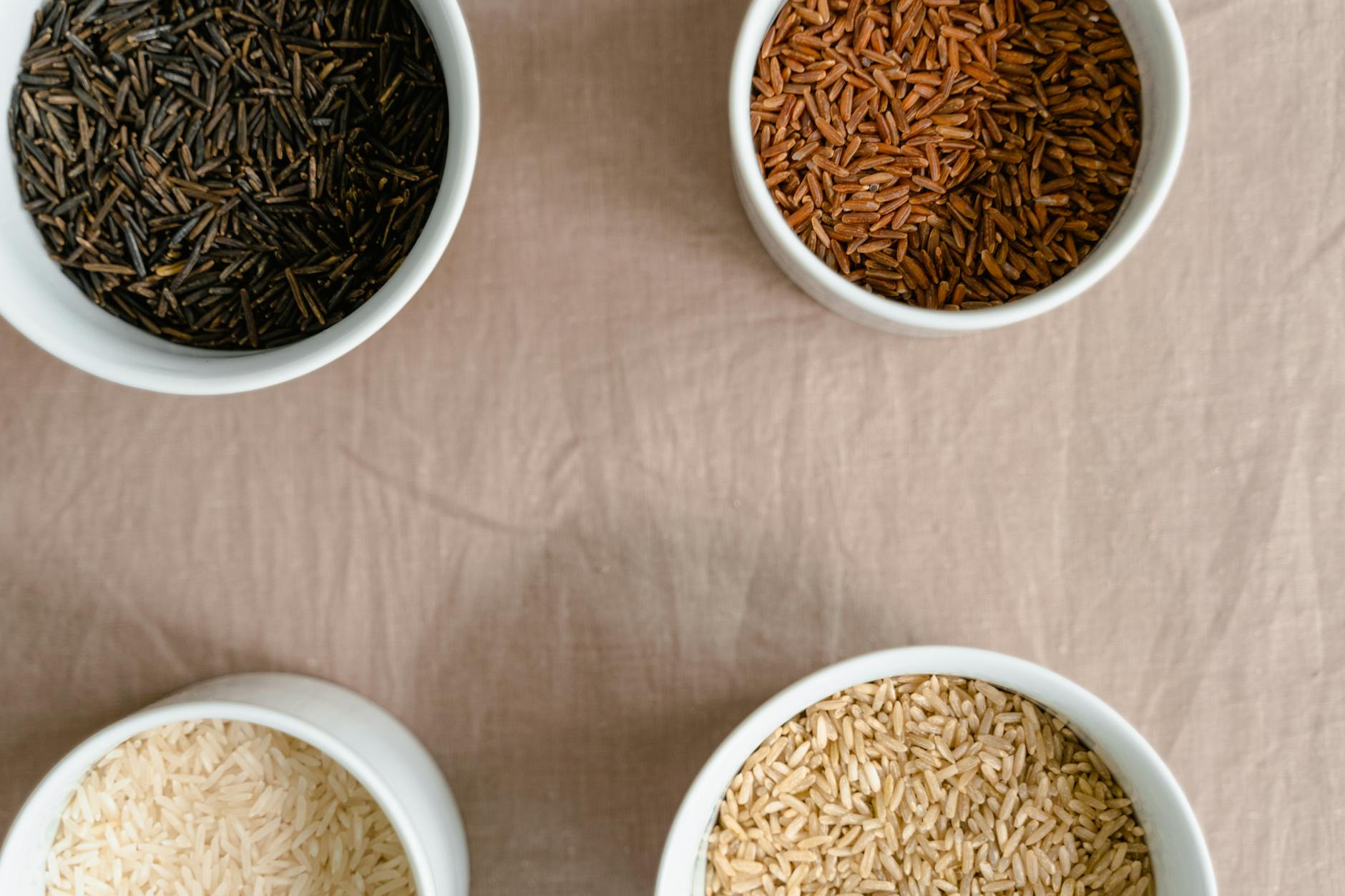
These are excellent alternatives to white rice. Quinoa, in particular, is a complete protein and a great source of fiber. Brown rice offers a satisfying chew and a good dose of fiber. I often use them as a base for stir-fries or as a side dish with healthy chicken recipes.
Fruits and Vegetables: Nature's Fiber Factories
This is where you'll find an abundance of both types of fiber. The skins of fruits and vegetables are particularly rich in insoluble fiber, while the flesh often contains soluble fiber. Aim for a rainbow of colors to ensure you're getting a wide variety of nutrients and fiber types. You’ve probably noticed how much more satisfying a meal feels when it’s loaded with colorful produce.
Berries: Sweet and Mighty
Raspberries, blackberries, and blueberries are fiber superstars. Just one cup of raspberries can contain around 8 grams of fiber. They're also packed with antioxidants. I love adding them to my morning yogurt or smoothies for a natural sweetness and a fiber boost.
Cruciferous Vegetables: More Than Just Broccoli
Broccoli, cauliflower, Brussels sprouts, kale – these are nutritional powerhouses. They are not only high in fiber but also loaded with vitamins, minerals, and beneficial plant compounds. Roasting them brings out a lovely sweetness and makes them incredibly appealing. For instance, a cup of cooked Brussels sprouts offers about 4 grams of fiber.
Apples and Pears: With the Skin On!
Don't peel your apples and pears! The skin is where a significant amount of the fiber resides. These fruits are readily available and make for a perfect portable snack that helps you increase fiber intake. Think about the last time you had a crisp apple – that satisfying crunch is partly due to its fiber content.
Nuts and Seeds: Small but Potent
Don't underestimate the power of these little guys. A small handful of almonds, chia seeds, flaxseeds, or sunflower seeds can add a substantial amount of fiber to your diet, along with healthy fats and protein. They are incredibly versatile and can be sprinkled on salads, yogurt, oatmeal, or incorporated into baked goods.
Chia Seeds and Flaxseeds: The Fiber Dynamos
These tiny seeds are fiber champions. Chia seeds, when added to liquid, form a gel, showcasing their soluble fiber content. Flaxseeds, especially ground flaxseeds, are easier for your body to digest and absorb nutrients from. Both are excellent for adding to smoothies or overnight oats. I’ll be real with you, adding a tablespoon of chia seeds to my morning routine was a game-changer for my digestion.
Almonds and Walnuts: Crunchy Fiber Boosts
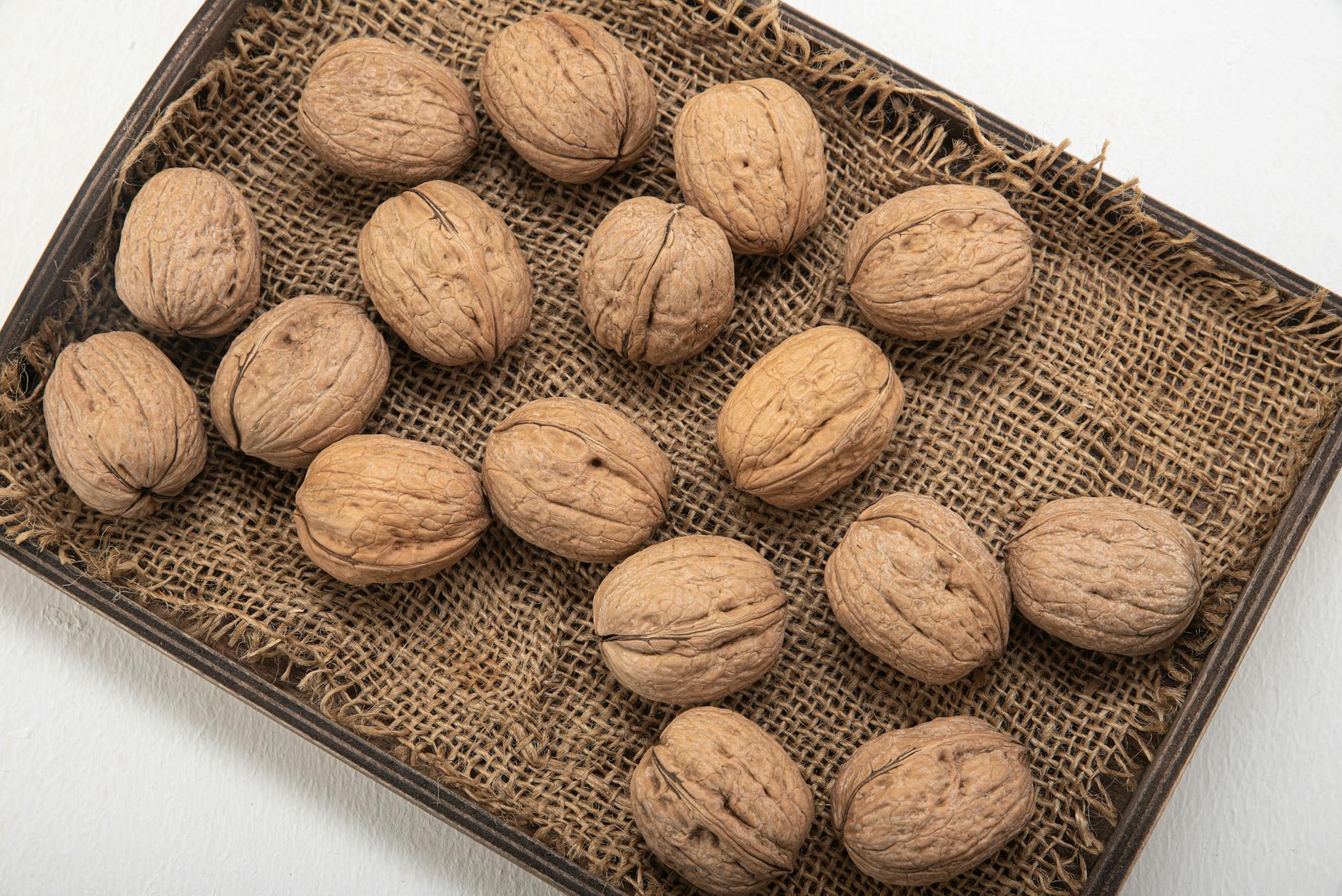
These nuts provide a good mix of fiber, healthy fats, and protein, making them a satisfying snack. They are great for on-the-go energy and help keep you full. Remember, moderation is key due to their calorie density, but they are definitely one of the best fiber foods.

The Profound Benefits of a Fiber Rich Diet
Digestive Health: The Obvious Win
This is often the first benefit people think of, and for good reason. Fiber is essential for a healthy digestive system. It helps prevent constipation by adding bulk to stool and promoting regular bowel movements. For those struggling with regularity, increasing your intake of high fiber foods can be life-changing. It's not just about comfort; it's about preventing more serious issues down the line. This one surprised me with how quickly I saw improvements.
Weight Management: Feeling Fuller for Longer
Fiber can be a powerful ally in weight management. Because it slows down digestion and adds bulk, it helps you feel fuller for longer. This can reduce overall calorie intake and curb cravings, making it easier to stick to a healthy eating plan. If you're looking into a low-carb diet, understanding how fiber fits in is crucial for satiety.
The Satiety Factor
When you eat fiber-rich foods, your stomach empties more slowly, sending signals to your brain that you're satisfied. This is a stark contrast to refined carbohydrates that can leave you feeling hungry again soon after eating. For example, a meal rich in vegetables and lean protein will keep you full much longer than a meal of white pasta.
Blood Sugar Control: A Steady Energy Flow
Soluble fiber, in particular, plays a significant role in moderating blood sugar levels. By slowing down the absorption of sugar into the bloodstream, it helps prevent sharp spikes and crashes, leading to more stable energy levels throughout the day. This is incredibly beneficial for everyone, especially those managing diabetes or pre-diabetes. The Mayo Clinic research on high fiber foods consistently highlights this benefit.
Heart Health: Protecting Your Ticker
A diet high in fiber, especially soluble fiber, has been linked to a reduced risk of heart disease. It can help lower LDL ("bad") cholesterol levels, which is a major risk factor for heart problems. Incorporating more foods high in fiber is a simple yet effective way to support your cardiovascular system.
How Much Fiber Do I Need?
General Recommendations
The general recommendation for adults is to aim for about 25 to 30 grams of fiber per day. However, this can vary based on age, sex, and overall health. It's a target that many people fall short of, which is why being intentional about your food choices is so important. You might be wondering if you're getting enough.
Gradual Increase is Key
If you're not used to eating a lot of fiber, don't try to hit 30 grams overnight. Suddenly increasing your intake can lead to digestive discomfort like gas and bloating. The key is to gradually increase your fiber intake over several weeks, giving your digestive system time to adjust. And always, always drink plenty of water – fiber needs water to work effectively. Think of it like this: water helps the fiber do its job smoothly.
Listen to Your Body
Pay attention to how your body responds. If you experience discomfort, slow down the increase. Adding a bit more fiber each week, alongside adequate hydration, is the best approach. This gradual method ensures you reap the benefits without the unpleasant side effects. It's a marathon, not a sprint, when it comes to building a truly fiber rich diet.
Making High Fiber Foods a Delicious Part of Your Life
Simple Swaps for Big Impact
You don't need to overhaul your entire diet to increase fiber intake. Start with small, manageable changes. Swap white bread for whole wheat, white rice for brown rice or quinoa, and reach for whole fruits instead of juice. These simple substitutions can make a significant difference over time. It’s about making conscious choices that add up.
Embrace the Versatility
High fiber foods are incredibly diverse and can be incorporated into almost any meal. Add a handful of spinach to your eggs, top your yogurt with berries and seeds, or make a big salad the star of your dinner. Don't forget about vegetables like carrots and bell peppers; they are great for snacking, perhaps with some hummus. Even simple additions like adding beans to a soup or salad can boost the fiber content considerably. Remember those iron-rich foods? Many of them are also high in fiber!
Don't Forget Hydration
I cannot stress this enough: drink water! Fiber absorbs water, and without enough fluids, it can actually lead to constipation. Aim for at least 8 glasses of water a day, and even more if you're increasing your fiber intake significantly or exercising. Staying hydrated is as crucial as eating the fiber itself. Sometimes, a tall glass of cucumber water benefits your body in more ways than one, including supporting your digestive efforts.
Building a diet rich in high fiber foods isn't about deprivation; it's about abundance. It's about choosing foods that nourish your body, keep you feeling satisfied, and support your long-term health. It’s about empowering yourself with knowledge and making choices that truly make you feel good, inside and out. So, go ahead, fill your plate with vibrant, fiber-filled goodness. Your body will thank you for it.