I remember a time, not too long ago, when I’d hit that mid-afternoon slump. You know the one? It felt like a heavy blanket had been thrown over my brain, making even simple tasks feel monumental. I’d yawn, my eyelids would droop, and I’d swear I needed another coffee, stat. But then, something shifted. I started paying closer attention to what I was eating, and a whole new world of vibrant energy opened up. It turns out, the secret wasn't just in the caffeine; it was in unlocking the power of iron rich foods.
Unlocking Your Inner Energy Source: The Magic of Iron
Honestly, for the longest time, iron felt like this abstract nutrient I vaguely remembered learning about in high school biology. Something about red blood cells and, well, that was about it. But the more I dug, the more I realized how fundamental iron is to our very existence. It’s not just about avoiding fatigue; it’s about vibrant health, sharp cognition, and a robust immune system. Think of iron as the tiny, tireless worker inside you, constantly delivering oxygen to every cell in your body, fueling everything you do. When that worker is running low on supplies, everything starts to sputter. It's a simple, yet profound, biological truth.
Why We Need Iron More Than We Think
So, what exactly does this essential mineral do for us? It’s a crucial component of hemoglobin, the protein in red blood cells responsible for carrying oxygen from your lungs to the rest of your body. Without enough iron, your body can't produce enough healthy red blood cells, leading to a condition known as iron deficiency anemia. This isn't just a minor inconvenience; it can have significant impacts on your overall well-being.
The Invisible Signs of Iron Deficiency
You might be wondering, how do I even know if I’m low on iron? The iron deficiency symptoms can be sneaky. Beyond the obvious fatigue, you might notice pale skin, shortness of breath, headaches, dizziness, cold hands and feet, or even brittle nails and hair loss. For women, particularly those with heavy menstrual cycles, iron deficiency is incredibly common. It's easy to dismiss these as just "being tired" or "stress," but they can be your body’s way of signaling a deeper issue.
Heme vs. Non-Heme: Understanding Your Iron Options
Here's where things get really interesting, and honestly, a little confusing if you're not in the know. There are two main types of dietary iron: heme and non-heme. Understanding the difference is key to maximizing your intake.
The Mighty Heme Iron
Heme iron is found primarily in animal products. Think red meat, poultry, and fish. The fantastic thing about heme iron is that our bodies absorb it really efficiently. It’s like a ready-to-go fuel source. If you’re looking for the most bioavailable form of iron, animal sources are your go-to. This one surprised me when I first learned about it; I used to think all iron was created equal, but that's simply not the case.
Navigating Non-Heme Iron
Non-heme iron, on the other hand, is found in plant-based foods like beans, lentils, spinach, and fortified cereals. While it's not absorbed as readily as heme iron, it's still incredibly important, especially for those following vegetarian or vegan diets. The good news is, there are clever ways to boost its absorption. Don't underestimate the power of plant-based iron foods; they just require a little more strategic planning.
The Best Iron Foods: A Deliciously Diverse List
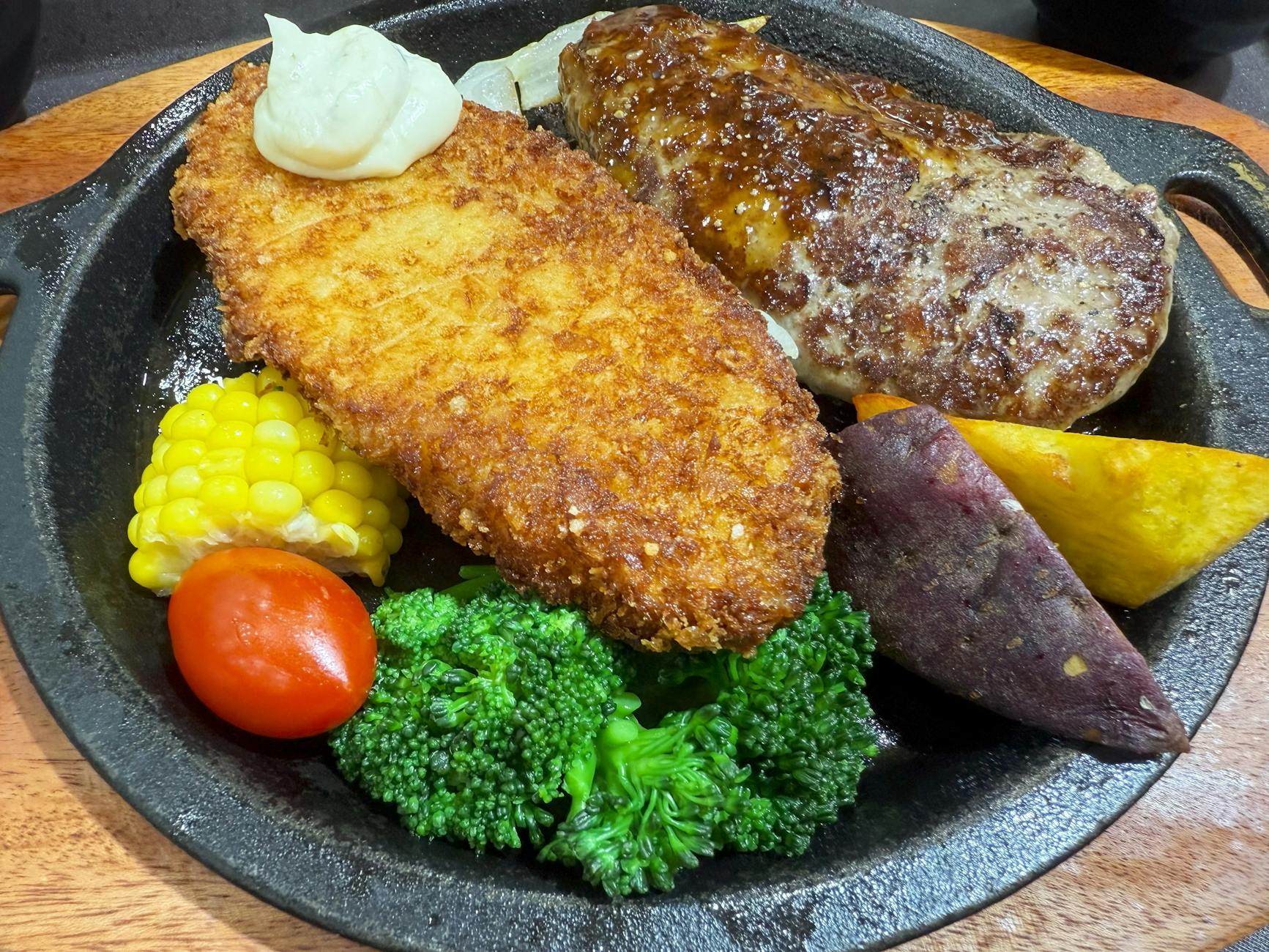
Now for the fun part: discovering the incredible array of iron rich foods that can help you feel your best. Forget bland and boring; we're talking about a culinary adventure that nourishes your body from the inside out. Loading up on these foods high in iron is one of the most effective ways to build an iron rich diet.
Meat Lover's Dream: Powerhouse Animal Sources
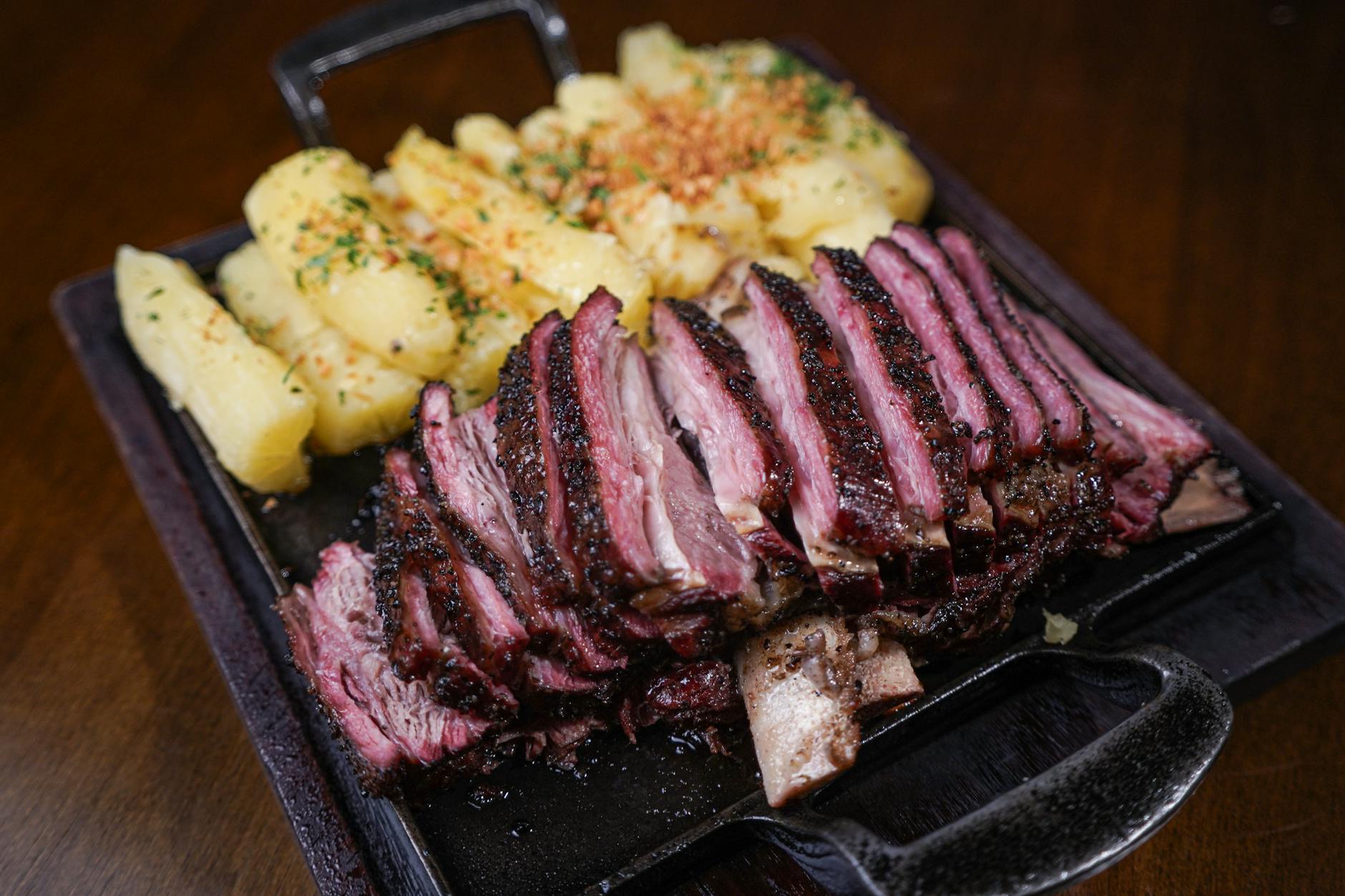
If you eat meat, you're in luck. Red meat, particularly beef and lamb, are packed with heme iron. Just a 3-ounce serving of lean beef can provide a significant portion of your daily iron needs. Organ meats, like liver, are absolute iron champions, though they’re an acquired taste for many. Don't forget about poultry and fish; chicken, turkey, and even sardines contribute valuable heme iron to your diet.
Plant-Powered Iron: Veggies, Legumes, and More
For my plant-based pals, or anyone looking to diversify their iron intake, the options are plentiful! Lentils and beans are nutritional powerhouses, offering substantial amounts of non-heme iron. Spinach and other dark leafy greens, like kale and Swiss chard, are also excellent sources. Tofu and tempeh are great for vegetarians and vegans. Even nuts and seeds, like pumpkin seeds and cashews, can contribute. This is why understanding iron rich vegetables is so important for everyone.
Fortified Foods: Smart Additions to Your Diet
Many common foods are fortified with iron, making it easier to boost your intake. Breakfast cereals are a prime example; check the labels, as many are significantly enriched. Whole grain breads and some plant-based milks also often contain added iron. These can be simple, convenient ways to get more iron into your daily routine without a lot of extra effort.
Maximizing Iron Absorption: The Secret Sauce
Here's the truth about iron: it’s not just about what you eat, but how well your body can use it. This is where iron absorption tips become your secret weapon. Simply piling on iron-rich foods might not be enough if your body isn't efficiently taking it in.
The Vitamin C Connection
This is arguably the most important iron absorption tip. Vitamin C is a superhero when it comes to enhancing the absorption of non-heme iron. Think of it as a helpful guide, showing the non-heme iron the best way into your bloodstream. So, pair your iron-rich plant foods with vitamin C powerhouses like bell peppers, citrus fruits, strawberries, or tomatoes. A simple squeeze of lemon on your spinach salad can make a huge difference!
What Inhibits Iron Absorption?
Conversely, some things can hinder iron absorption. Calcium, found in dairy products, can compete with iron for absorption. Tannins in tea and coffee can also reduce the amount of iron your body takes in. While you don't need to eliminate these entirely, it’s a good idea to consume them at different times than your main iron-rich meals. For example, avoid drinking a large cup of coffee right after a lentil stew.
The Role of Cooking Methods
Sometimes, even how you prepare your food can influence iron levels. Cooking acidic foods in cast-iron cookware, for instance, can actually leach small amounts of iron into the food, giving you a little extra boost. It’s a subtle effect, but every little bit counts when you're aiming for an optimal iron rich diet.
When to Consider Iron Supplements
While focusing on iron rich foods is always the preferred first step, there are times when iron supplements might be necessary. This is especially true for individuals with severe deficiencies, certain medical conditions, or those who simply cannot meet their needs through diet alone. However, it's crucial to approach iron supplements with caution.
Consulting Your Doctor is Key
Here’s what nobody tells you about iron supplements: taking them without medical guidance can be problematic. Too much iron can be toxic and cause serious health issues. Always talk to your doctor or a registered dietitian before starting any iron supplement regimen. They can assess your individual needs, recommend the appropriate dosage, and monitor your progress. They'll also help you understand the difference between various types of iron supplements, such as ferrous sulfate or ferrous gluconate.
Diet First, Supplements Second
My strong opinion? Always prioritize getting your nutrients from whole foods. A well-balanced diet rich in these iron rich foods is the most sustainable and enjoyable way to maintain healthy iron levels. Supplements should be seen as a targeted intervention, not a long-term replacement for a healthy eating pattern. Think about the last time you felt truly energized from a meal; that's the power of whole foods at work.
An Iron-Rich Diet for a Vibrant Life
Building an iron rich diet is more than just a health trend; it’s a foundational pillar for a life filled with energy and vitality. It’s about understanding your body’s needs and making informed, delicious choices. From the vibrant hues of leafy greens to the satisfying richness of lean meats, there's a world of flavor waiting to fuel you.
Making Smart Choices Daily
Think about incorporating a few key iron-boosting strategies into your week. Maybe it's a lentil soup for lunch, a hearty beef and vegetable stir-fry for dinner, or simply adding pumpkin seeds to your morning oatmeal. These small, consistent efforts add up. If you're looking for quick meal ideas, exploring healthy lunch recipes that feature iron-rich ingredients can be a great starting point. Even finding healthy fast food breakfast options that include fortified cereals or iron-rich components can help.
Listen to Your Body
Ultimately, the best approach is to listen to your body. If you're consistently feeling drained, it might be time to investigate your iron levels and explore the incredible benefits of iron rich foods. Don't let fatigue hold you back from living your fullest life. The world of iron rich foods is vast and delicious, offering a pathway to sustained energy and well-being. It's a journey worth taking, one bite at a time.