Have you ever noticed how, as the snow melts and the days get longer, there's a natural urge to clean out your pantry and refresh your diet? It's like nature is giving us a gentle nudge to embrace the vibrant flavors and incredible health benefits of what's in season. That's precisely what we're going to talk about today: the wonderful world of spring produce nutrition.
The Unbeatable Power of Seasonal Eating This Spring
Why "In Season" Matters for Your Health
Honestly, there's something incredibly satisfying about eating food that's at its peak. It's not just about taste, though that's a huge part of it. When produce is in season, it's typically harvested closer to home, meaning it spends less time in transit and storage. This often translates to a higher nutrient density. Think about it: a strawberry picked yesterday and enjoyed today versus one that traveled across the country and sat in a warehouse. The difference in vitamins, minerals, and antioxidants is often significant.
This focus on seasonal eating is a cornerstone of a healthy lifestyle. It connects us to the rhythm of the earth and ensures we're getting the most bang for our nutritional buck.
Spring Produce Nutrition: A Nutrient Powerhouse
The spring produce nutrition profile is particularly exciting. After a long winter of root vegetables and stored goods, spring bursts forth with tender greens, crisp shoots, and early fruits bursting with life. These foods are often packed with water, fiber, and a spectrum of vitamins and minerals that our bodies crave to shake off winter sluggishness. You'll find an abundance of vitamin C, essential for immune function and skin health, alongside vital minerals and those all-important antioxidants.
Connecting With Your Food Source
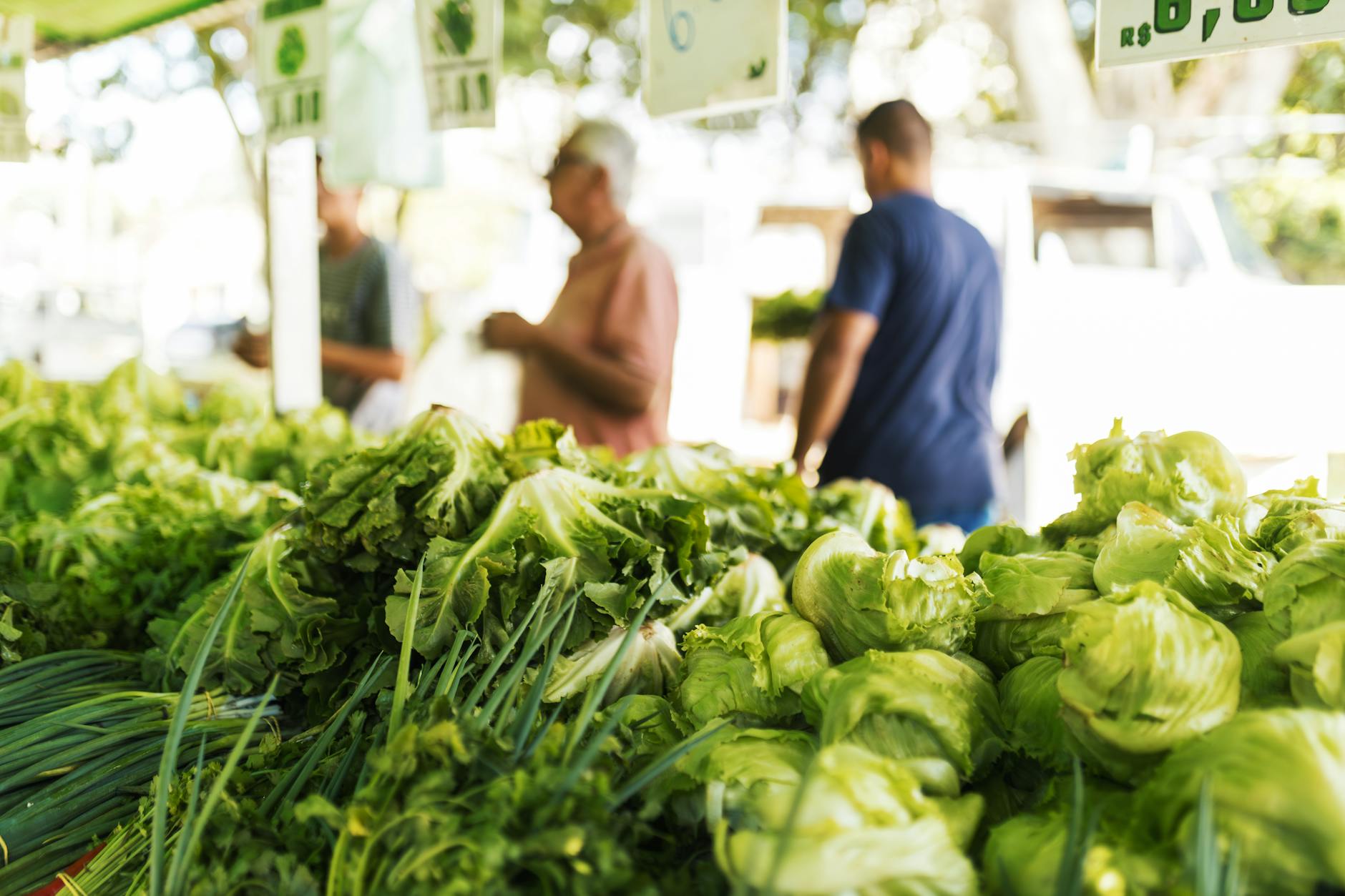
Beyond the direct health benefits, eating seasonally encourages a deeper connection to our food. Visiting farmers' markets, talking to growers, and understanding where your food comes from adds a layer of appreciation. It's a practice that nourishes not just your body, but your mind and spirit too.
Spotlight on Spring's Nutritional Stars
The Mighty Greens: More Than Just Salad Toppers
Oh, the greens of spring! You've probably noticed how quickly they seem to appear. Spinach, arugula, kale, and chard are practically synonymous with this season. These leafy powerhouses are loaded with vitamins A, C, and K, as well as folate and iron. Vitamin K, in particular, is crucial for bone health and blood clotting. And let's not forget the fiber! Fiber is your gut's best friend, aiding digestion and keeping you feeling full and satisfied.
Arugula, with its peppery bite, is a fantastic source of antioxidants like beta-carotene and vitamin A, which are brilliant for eye health and skin rejuvenation. I used to think all greens were pretty much the same, but the subtle differences in their nutrient profiles and flavor make them exciting to explore.
Spinach: The All-Rounder
Spinach is a nutritional champion. It’s a great source of iron, crucial for energy levels, and also provides a significant amount of vitamin C, which helps your body absorb that iron more effectively. This one surprised me with just how much it contributes to our overall well-being.
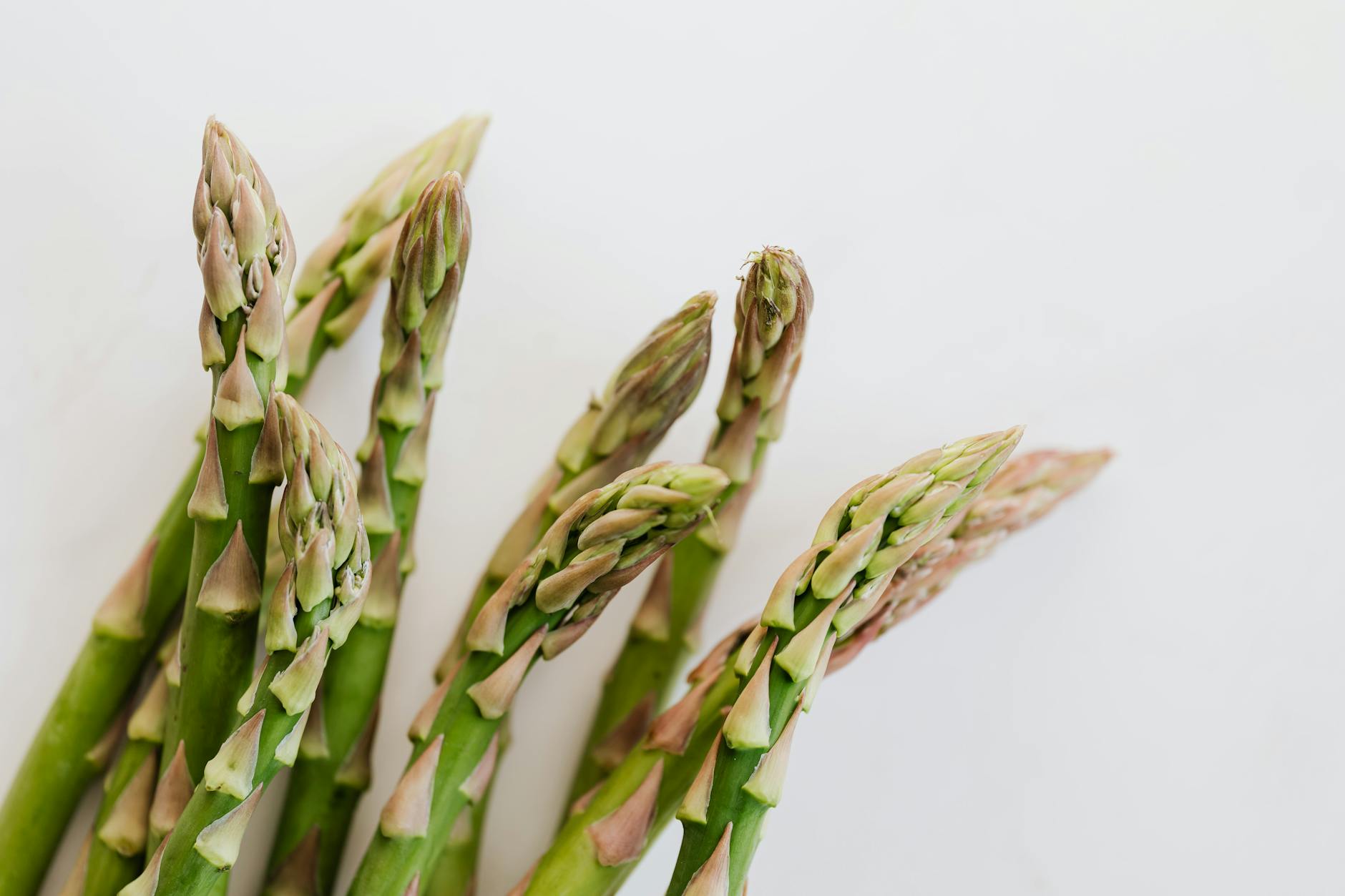
Asparagus: A Springtime Staple
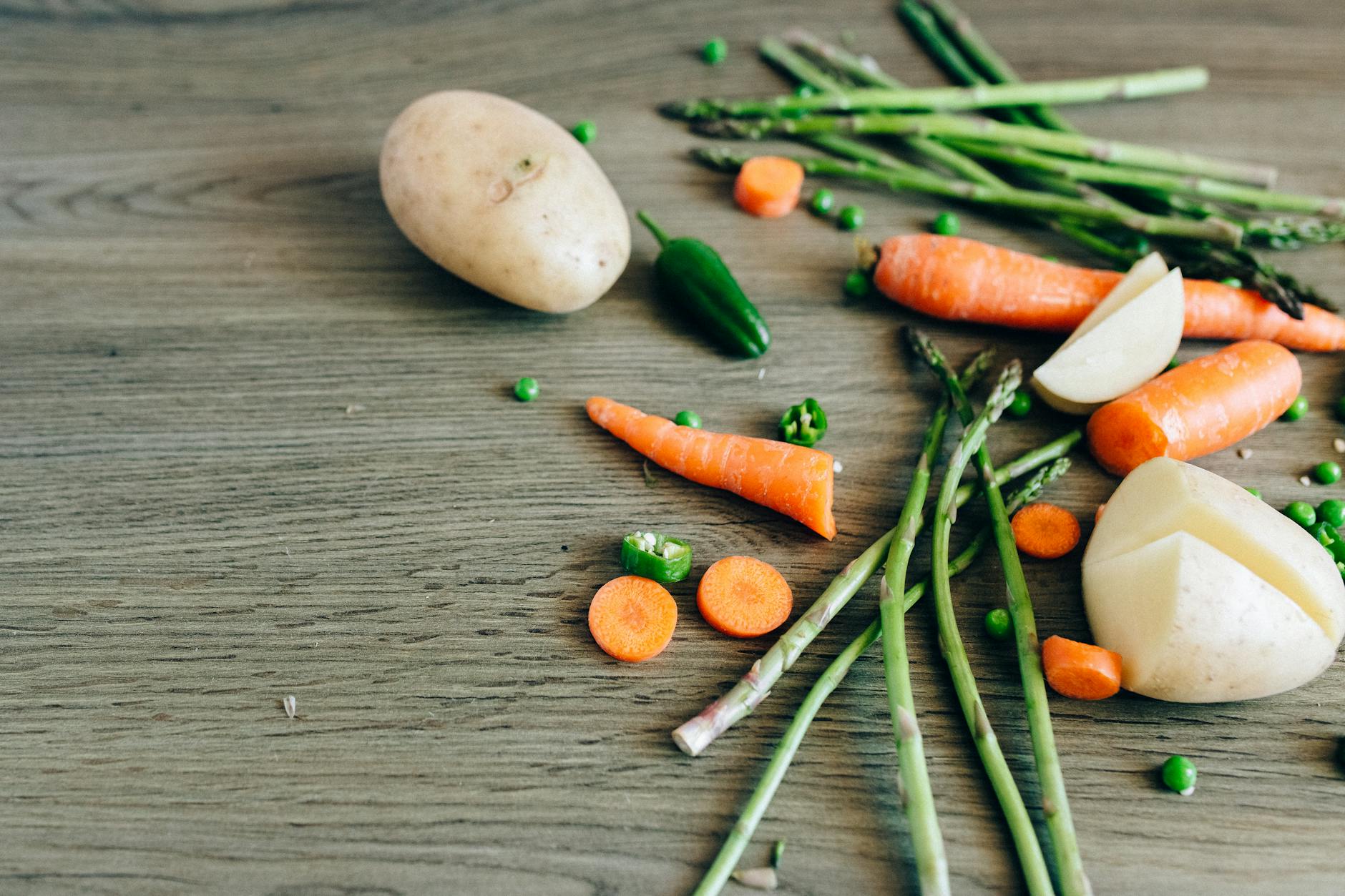
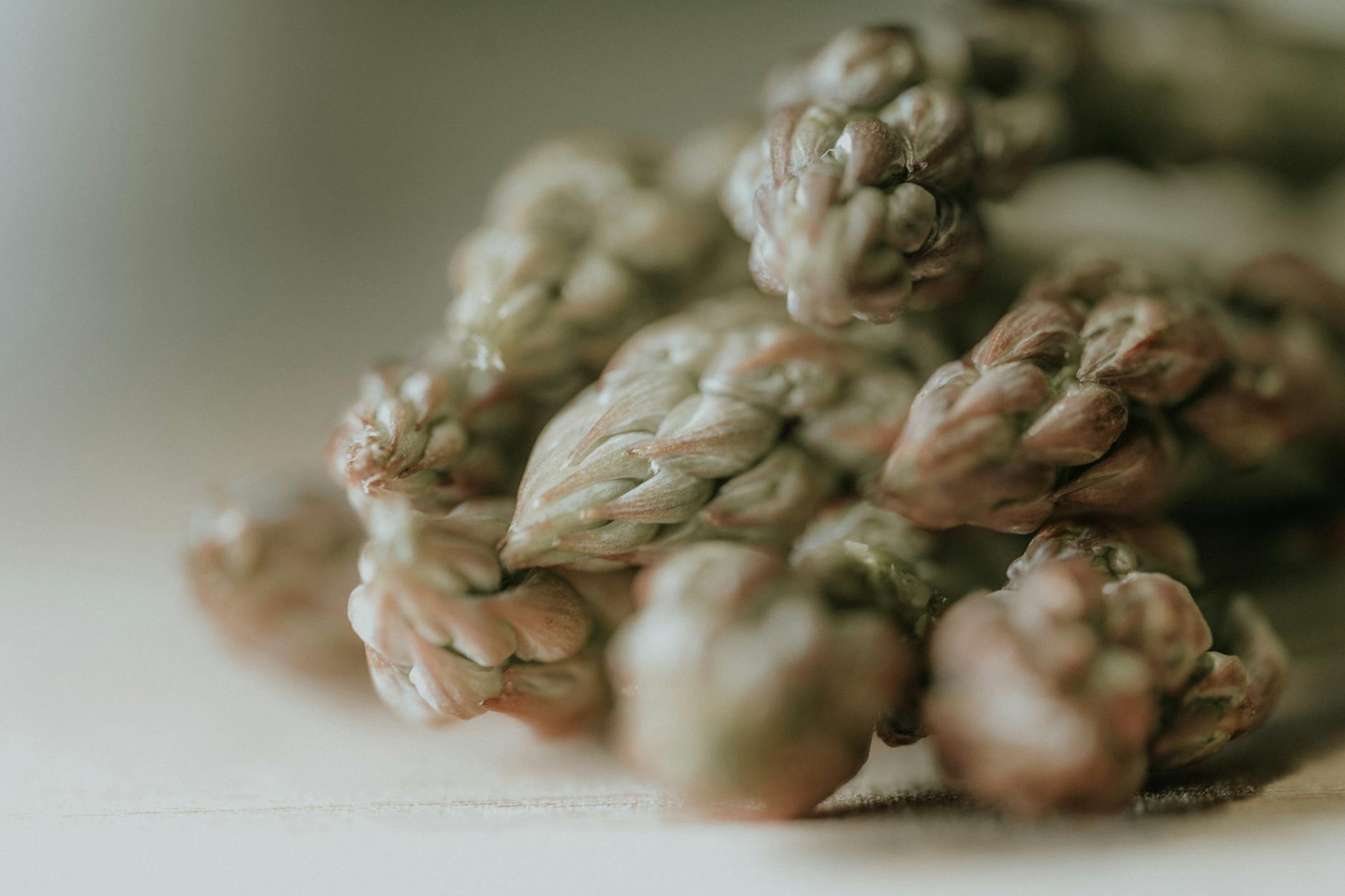
Asparagus is not only delicious but also a fantastic source of folate, a B vitamin essential for cell growth and function. It also contains a unique antioxidant called asparagine, which has anti-inflammatory properties. Plus, it’s a good source of vitamin K.
Peas: Sweet and Nutrient-Dense
Fresh peas, whether shelling peas or snow peas, offer a delightful sweetness and a good dose of protein and fiber. They also contain vitamins A, C, and K, along with manganese. Don't underestimate the humble pea!
The Bright and Beautiful: Spring Vegetables for Color and Health
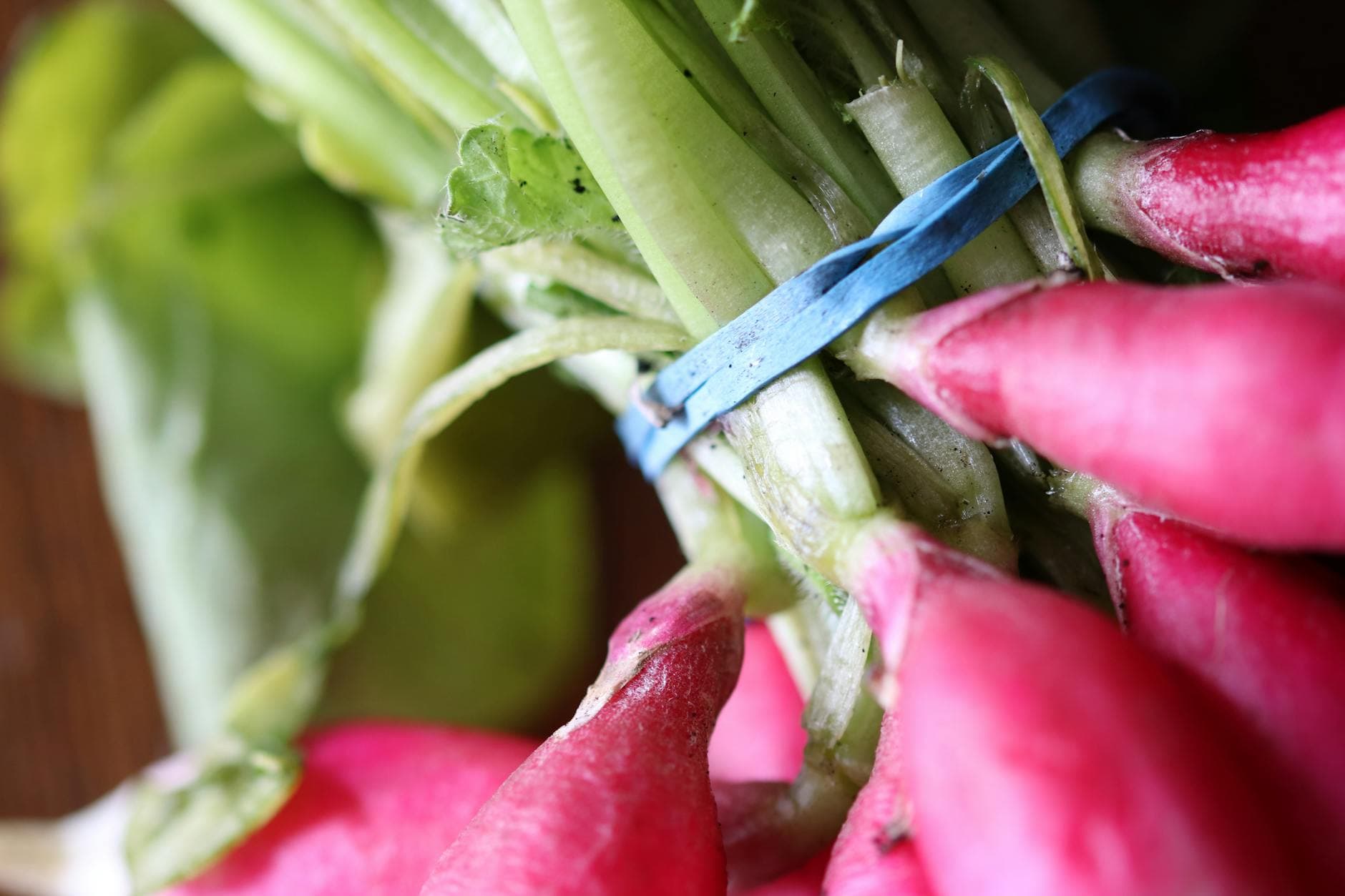
Beyond the greens, spring offers a rainbow of other vegetables that are bursting with flavor and nutrients. Radishes, for instance, are crunchy, refreshing, and packed with vitamin C and potassium. Their slightly peppery taste can add a wonderful zing to salads. And have you tried spring onions? They're milder than their mature counterparts and provide a good source of vitamin K and prebiotics to support gut health.
The diverse array of spring vegetables means you can create incredibly vibrant and healthy meals. Think about the last time you had a colorful salad packed with these seasonal gems; it’s a feast for the eyes and the body.
Radishes: A Peppery Punch of Goodness
These little red or white roots are surprisingly high in vitamin C and offer a satisfying crunch. They also contain compounds that may help reduce inflammation.
Spring Onions (Scallions): Mild and Mighty
A milder alternative to regular onions, spring onions are a good source of vitamin K and also provide beneficial prebiotics for your gut microbiome.
Carrots: Sweetness and Vision Support
While carrots are available year-round, spring carrots tend to be particularly sweet and tender. They are, of course, famous for their beta-carotene, which the body converts to vitamin A, essential for good vision and immune function.
Early Fruits: A Taste of Sweetness to Come
While spring might not be the peak season for a vast array of fruits like summer, there are still some early delights to enjoy. Rhubarb, though technically a vegetable, is often used as a fruit in desserts and pies. It's a good source of vitamin K and calcium, but it’s important to be mindful of how it’s prepared, as too much added sugar can negate some of its health benefits. Strawberries also begin to make their appearance, offering a fantastic dose of vitamin C and antioxidants.
These early fruits are a welcome treat, signaling the transition towards warmer months and a more abundant harvest.
Rhubarb: Tangy and Terrific
Rich in vitamin K, rhubarb can be a good addition to your diet, especially when paired with less sugar. It also provides some fiber.
Strawberries: The First Sweet Sign of Summer
These beloved berries are packed with vitamin C, manganese, and antioxidants, offering a sweet and healthy start to the fruit season.
Maximizing Spring Produce Nutrition in Your Diet
Embracing Raw and Lightly Cooked Preparations
Here's the thing: many of the delicate nutrients in spring produce, especially vitamin C, can be diminished with prolonged high heat. This is why embracing raw or lightly cooked preparations is key to maximizing spring produce nutrition. Think vibrant salads, quick stir-fries, or steaming vegetables just until they're tender-crisp. This method not only preserves nutrients but also retains that wonderful fresh texture and flavor.
For example, a quick sauté of asparagus with garlic and lemon can be ready in minutes and retains much of its nutritional integrity. Contrast that with over-boiling, and you can see the difference.
Hydration and Fiber: Essential Springtime Partners
Many spring vegetables and fruits have a high water content, which is fantastic for hydration. Combined with their abundant fiber, they create a powerful duo for digestive health and overall well-being. This is why incorporating more of these foods can help you feel lighter and more energetic. Studies from organizations like the Centers for Disease Control and Prevention research on spring produce nutrition often highlight the importance of high-fiber diets for preventing chronic diseases.
If you're looking for quick and healthy lunch ideas, consider Spring Veggie Bowls: Quick & Healthy Lunch Ideas. They're a perfect way to pack in a variety of seasonal goodness.
Antioxidants: Your Body's Defense Squad
The vibrant colors of spring produce are often a sign of powerful antioxidants at play. These compounds help protect your cells from damage caused by free radicals, playing a role in disease prevention and supporting overall health. From the deep greens of kale to the bright reds of radishes, each color signifies a unique blend of beneficial phytonutrients. The World Health Organization research on spring produce nutrition consistently emphasizes the role of antioxidants in a balanced diet.
This is also why focusing on the "best spring produce for health" means looking for that diversity in color and type.
Incorporating Spring Flavors into Your Routine
It’s easy to fall into food ruts, but spring offers a perfect opportunity to shake things up. Try adding fresh herbs like chives or parsley to your dishes. A simple Spring Detox Smoothie: Your Daily Refresh Recipe can be a fantastic way to kickstart your day with a concentrated dose of spring nutrients. Remember, nourishing your skin from within is also a big part of that spring glow, and these foods are key. Check out Nourish Skin From Within: Spring Glow Secrets Revealed for more on that.
For those looking to boost their energy levels and combat any lingering winter fatigue, there are specific Energy Boosting Foods to Beat Spring Slump Now that align perfectly with this season's offerings.
Making Spring Produce Nutrition Work for You
Practical Tips for the Busy Bee
I get it. Life is busy. You might be wondering how to actually fit all this amazing spring produce into your already packed schedule. My advice? Start small. Don't try to overhaul your entire diet overnight. Pick one or two new spring vegetables to try each week. Add some fresh spinach to your morning eggs, toss radishes into your lunchtime salad, or steam some asparagus as a side for dinner. These small changes add up.
Consider meal prepping components. Wash and chop your greens, or blanch your asparagus on a Sunday, so they're ready to grab and use during the week. This can make a huge difference.
Seasonal Recipes to Inspire
Finding delicious ways to prepare spring produce is half the fun. Think about light pasta dishes with peas and spring onions, or a vibrant frittata packed with spinach and herbs. Grilling asparagus or spring onions brings out a lovely sweetness. And don't forget about fresh, simple salads where the produce can truly shine. The Mayo Clinic research on spring produce nutrition often points to the benefits of varied and colorful diets.
If you're heading outdoors for a hike or a picnic, packing some of these seasonal delights is a smart move. Check out Hiking Nutrition Tips: Fuel Your Spring Adventures for some ideas on how to power your outdoor activities with wholesome foods.
Listening to Your Body's Cravings
As the seasons change, so do our bodies' needs and cravings. Spring produce, with its fresh, light, and often slightly bitter or peppery flavors, can be exactly what your system is asking for. Pay attention to what you’re drawn to at the grocery store or farmer's market. If you’re craving crisp greens or juicy strawberries, honor that! It’s your body’s way of telling you what it needs to thrive.
Embracing the bounty of spring is more than just a diet trend; it’s a way to reconnect with nature’s rhythms and nourish yourself with the best that the season has to offer. It’s a simple, delicious, and profoundly effective way to boost your health and well-being.