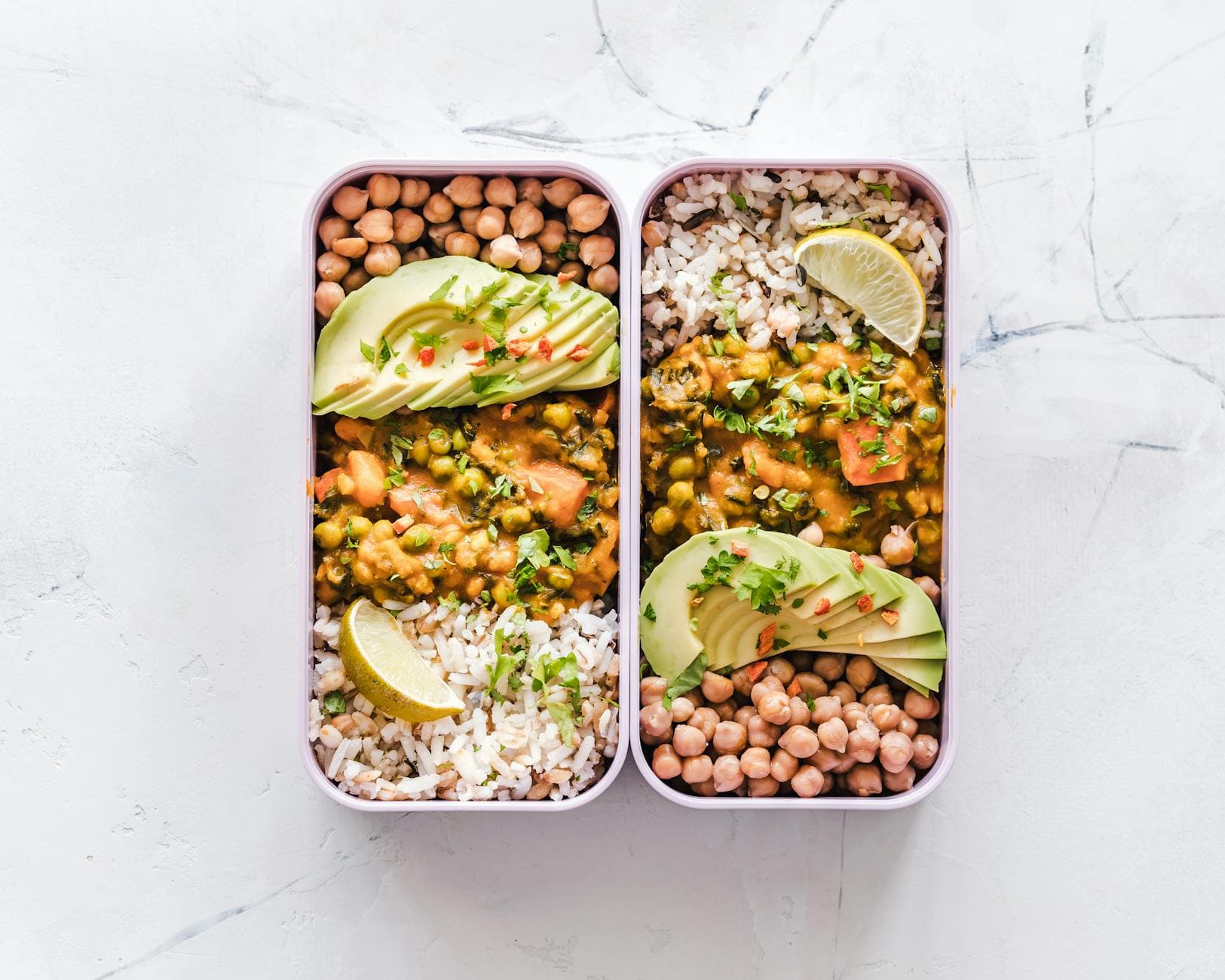
What if I told you that achieving your protein goals without meat is not just possible, but can actually be a delicious and incredibly varied culinary adventure? You might picture bland salads and endless bowls of rice, but honestly, that couldn't be further from the truth. For years, I've worked with individuals transitioning to or maintaining vegetarian diets, and the biggest hurdle they often face is understanding how to get enough protein. It's a common concern, but one that's easily overcome with a little knowledge and a willingness to explore the vibrant world of vegetarian protein sources.
Mastering Meatless Protein: Your Essential Guide
The conversation around protein often defaults to animal products, which can leave vegetarians feeling a bit sidelined. However, the plant kingdom is bursting with protein powerhouses, and learning to combine them effectively is the key to a satisfying and nutritionally complete diet. My approach has always been about empowering people with the "why" and the "how," making sure you feel confident and well-nourished on your vegetarian journey. It's about more than just hitting a number; it's about understanding the nuances and enjoying the process.
Why Protein Matters (Even Without Meat)
Protein is fundamental for so many bodily functions. It's the building block for muscles, enzymes, hormones, and antibodies. It helps with satiety, meaning it keeps you feeling full and satisfied after meals, which is a huge plus for weight management and overall well-being. When you're aiming for adequate vegetarian protein intake, you're supporting everything from tissue repair to immune function. Think of it as essential construction material for your body.
The Myth of Incomplete Plant Proteins
This is a big one that often causes confusion. For a long time, the narrative was that plant-based proteins were "incomplete" because they didn't contain all nine essential amino acids in the right proportions. While it's true that some individual plant foods are lower in certain amino acids, this myth is largely debunked. The magic happens when you eat a variety of plant-based protein sources throughout the day. Your body is incredibly smart; it pools amino acids from different foods, creating complete proteins over time. So, you don't need to meticulously combine specific foods at every single meal.
Spotting High Protein Vegetarian Foods
The good news is that many of the most delicious and versatile foods are naturally high in protein. You've probably noticed this yourself if you've explored vegetarian cuisines. The key is to become familiar with these stars and incorporate them regularly. I always encourage my clients to think about building their meals around these protein anchors.
The Powerhouse Vegetarian Protein List
Let's get down to the nitty-gritty. This is where we explore the absolute best vegetarian protein options available. I've seen firsthand how incorporating these into daily meals can transform energy levels and overall health. It’s not just about variety; it’s about choosing nutrient-dense foods that offer a substantial protein punch.
Legumes: The Undisputed Champions
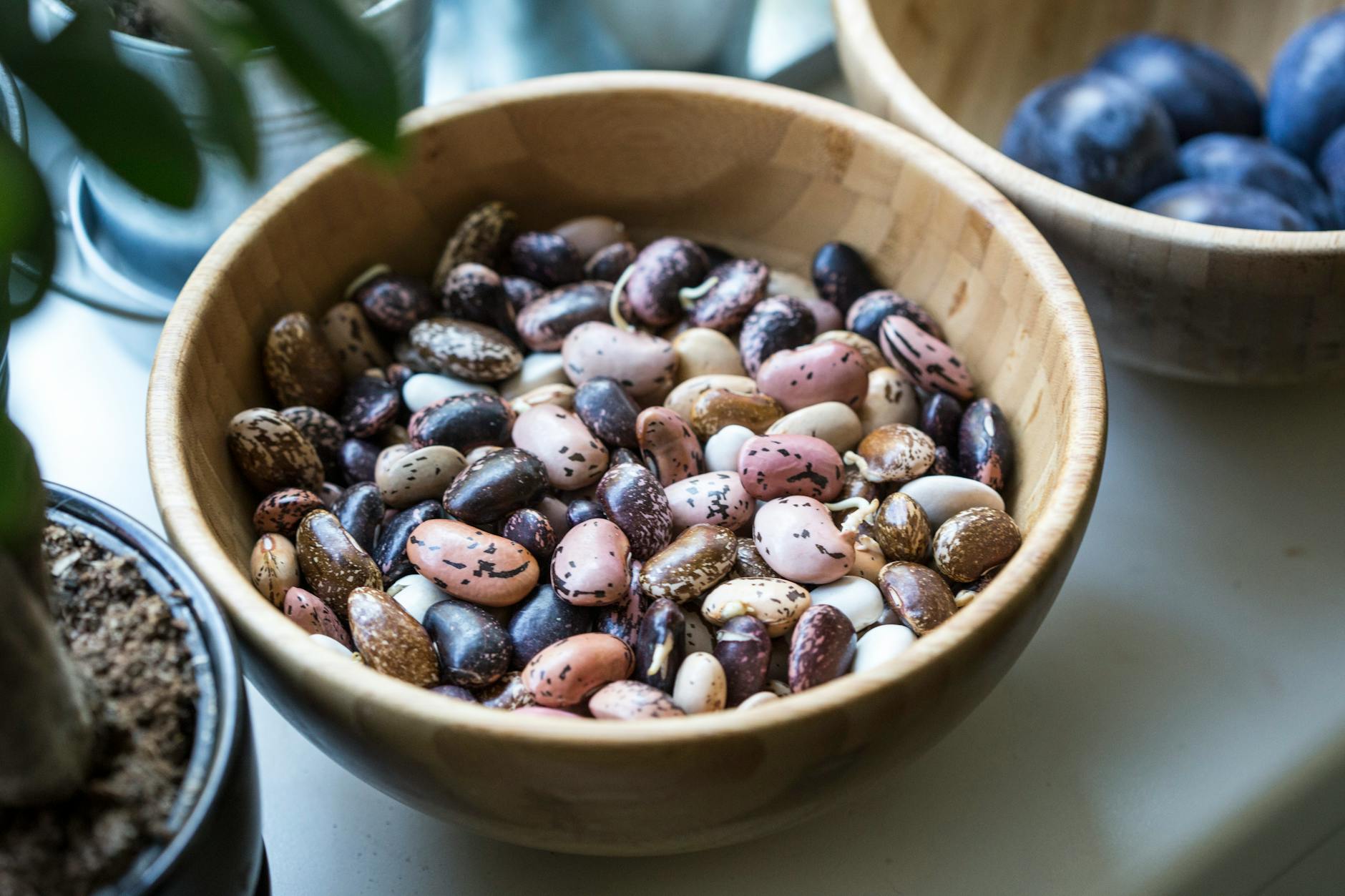
If I had to pick one category that truly shines for vegetarian protein sources, it would be legumes. This broad group includes beans, lentils, peas, and chickpeas. They are incredibly versatile, affordable, and packed with fiber and other essential nutrients. Honestly, if you're not eating legumes regularly, you're missing out on a massive opportunity for protein and flavor.
Lentils: Quick, Easy, and Protein-Rich
Lentils are my go-to for quick weeknight meals. They cook much faster than other beans and don't require soaking. A cup of cooked lentils can provide around 18 grams of protein. They are fantastic in soups, stews, curries, and even as a base for veggie burgers. I used to think making a hearty soup meant adding meat, but a lentil soup can be incredibly satisfying and filling.
Beans: The Versatile Staple
Black beans, kidney beans, pinto beans, cannellini beans – the list goes on! These offer about 15 grams of protein per cooked cup. They are perfect for chili, tacos, salads, and dips like hummus (made from chickpeas, a type of bean). The sheer number of ways you can prepare beans makes them an indispensable part of any vegetarian protein intake strategy.
Chickpeas: A Mediterranean Marvel
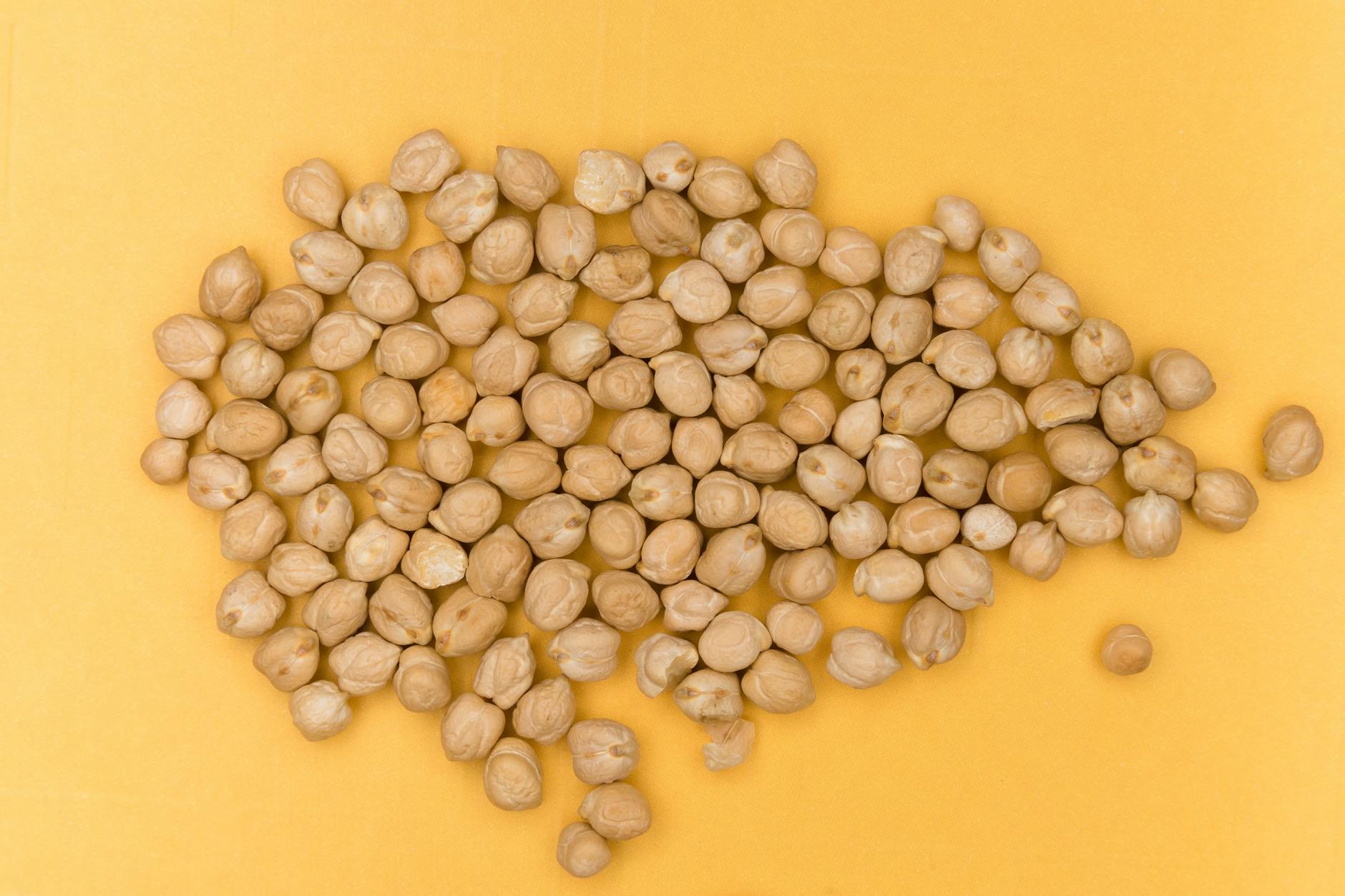
Chickpeas, also known as garbanzo beans, are nutritional powerhouses. They offer a good amount of protein (around 15 grams per cup) and are a fantastic source of fiber. Beyond hummus, they can be roasted for a crunchy snack, added to salads, or mashed into a "tuna" salad alternative. They're a complete vegetarian protein when paired with grains, though as I mentioned, strict pairing isn't usually necessary.
Soy Products: A Complete Protein Source
Soybeans and their derivatives are often highlighted because they are one of the few plant-based foods that provide all nine essential amino acids, making them a complete vegetarian protein. They are incredibly versatile and can be found in many forms.
Tofu: The Adaptable Wonder
Tofu is made from soybeans and has a unique ability to absorb flavors. It can be scrambled, baked, fried, or blended into sauces and smoothies. Depending on the firmness, a half-cup of tofu can offer between 10-20 grams of protein. Its mild flavor means it can be seasoned to perfection for almost any dish.
Tempeh: Fermented Power
Tempeh is another soy product, made from fermented soybeans, which gives it a firmer texture and a slightly nutty, earthy flavor. It's a fantastic source of protein, with about 15-20 grams per half-cup, and the fermentation process can also make it easier to digest for some people. It grills beautifully and is excellent in stir-fries or as a bacon substitute.
Edamame: The Snackable Bean
These young soybeans are a delightful and easy way to boost your protein intake. A cup of shelled edamame provides around 18 grams of protein. They're perfect steamed and lightly salted as a snack or added to salads and grain bowls. This one surprised me with how much protein it packs for such a simple food.
Nuts and Seeds: Nutrient-Dense Bites
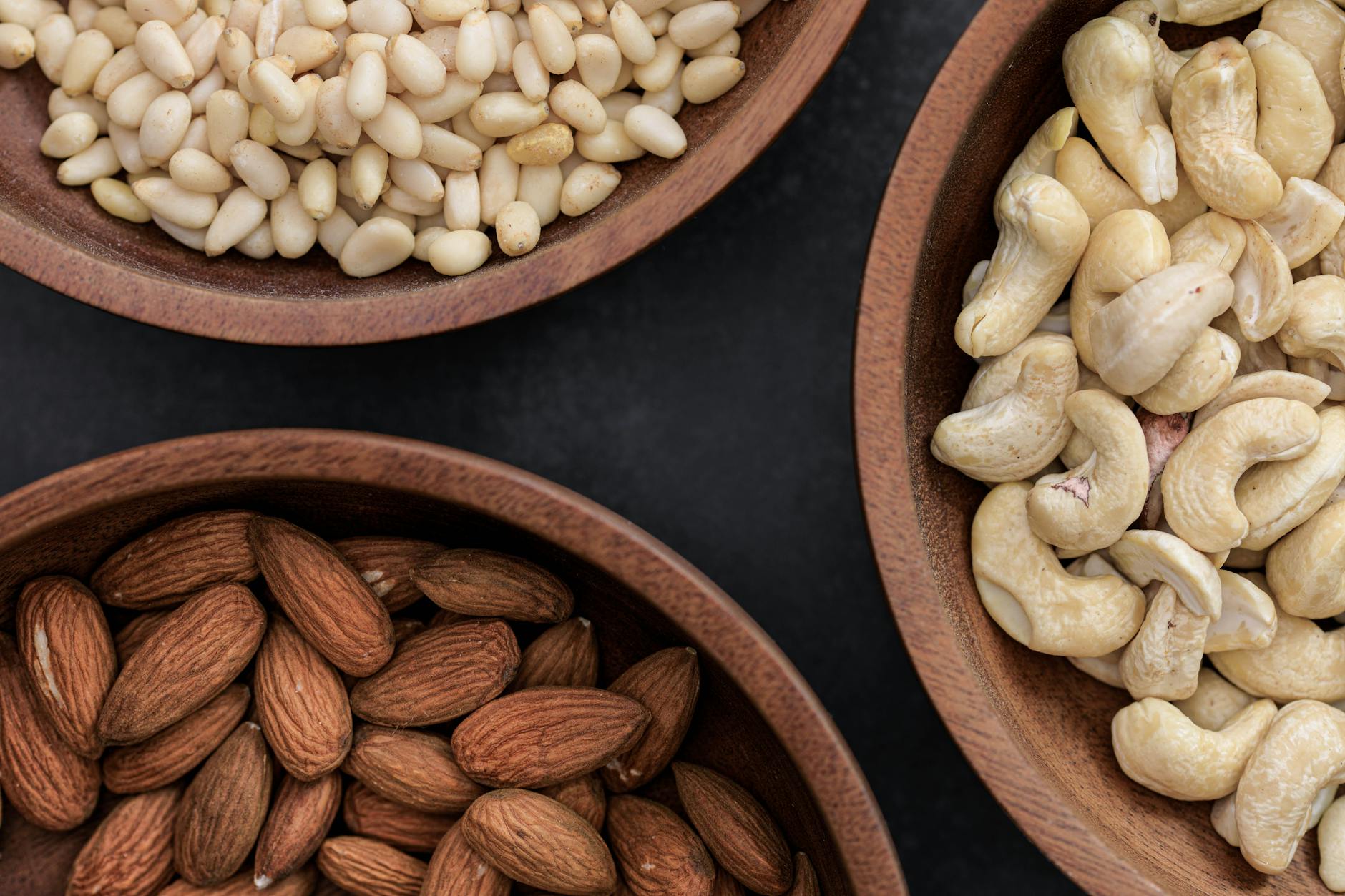
While often thought of for their healthy fats, nuts and seeds are also significant contributors to your vegetarian protein intake. They also provide fiber, vitamins, and minerals. Just be mindful of portion sizes due to their calorie density.
Almonds: The Crunchy Favorite
A handful of almonds (about 1 ounce) offers around 6 grams of protein. They're great on their own, added to oatmeal, or used in baking. Almond butter is also a fantastic way to incorporate them into smoothies or spread on toast.
Peanuts and Peanut Butter: A Classic Choice
Peanuts, technically legumes but often grouped with nuts, are protein powerhouses. Two tablespoons of peanut butter provide about 7-8 grams of protein. They're a staple for a reason – delicious and effective for boosting protein.
Chia Seeds and Flaxseeds: Tiny but Mighty
These little seeds are nutritional superstars. While they don't offer massive protein amounts per serving (around 2-3 grams per tablespoon), their fiber and omega-3 fatty acid content is exceptional. They are easily added to smoothies, yogurt, or oatmeal. Chia seeds, in particular, form a gel when mixed with liquid, making them great for puddings or as an egg replacer in baking.
Hemp Seeds: A Protein Powerhouse Seed
Hemp seeds are a fantastic, often overlooked, source of plant-based protein. Just three tablespoons can deliver around 9-10 grams of complete protein, along with healthy fats. They have a mild, nutty flavor and can be sprinkled on salads, yogurt, or blended into smoothies. This is one of the easiest ways to significantly increase your protein intake with minimal effort.
Grains: More Than Just Carbs
Certain grains offer a surprising amount of protein, especially when you consider them as part of a balanced meal. They often pair well with legumes to create complete protein profiles.
Quinoa: The Ancient Grain Superstar
Quinoa is often called a "complete protein" because it contains all nine essential amino acids. A cup of cooked quinoa provides about 8 grams of protein, along with fiber and complex carbohydrates. It's incredibly versatile and can be used as a side dish, in salads, or as a base for bowls.
Oats: Breakfast's Best Friend
A half-cup of dry rolled oats can give you around 5-6 grams of protein. Starting your day with oatmeal is a great way to get a head start on your protein goals, especially when you add nuts, seeds, or a scoop of protein powder.
Other Notable Mentions
Beyond the major categories, there are other excellent vegetarian protein sources worth noting.
Nutritional Yeast: The Cheesy Flavor Booster
This deactivated yeast has a cheesy, nutty flavor and is often used in vegan cooking. It's a good source of protein, with about 8 grams per quarter cup, and is often fortified with B vitamins, including B12, which can be a concern for vegetarians and vegans. It’s a great way to add flavor and protein to sauces, popcorn, or scrambled tofu.
Vegetables: Don't Underestimate Them!
While not typically considered primary protein sources, some vegetables do contribute. Broccoli, spinach, Brussels sprouts, and potatoes all offer a few grams of protein per serving. Think of them as adding to your overall intake rather than being the main event. For example, a cup of cooked broccoli offers about 3 grams of protein, which adds up when you're eating multiple servings throughout the day. These protein rich vegetables are essential for a well-rounded diet.
Crafting Complete Vegetarian Meals
The beauty of vegetarian protein sources lies in their ability to be combined in countless delicious ways. Here's the thing: while strict protein combining at every meal isn't necessary, consciously creating balanced meals is smart. This means including a protein source with your carbohydrates and healthy fats.
The Art of Pairing (When You Want To!)
If you're looking to ensure you're getting a full spectrum of amino acids in a single meal, think about combining grains with legumes. For instance, rice and beans are a classic for a reason – together they offer a complete protein profile. Even something as simple as whole-wheat bread with peanut butter works beautifully. This approach is excellent for optimizing vegetarian protein intake, especially for athletes or those with very high protein needs.
Easy Vegetarian Protein Meals to Try
Here are a few simple ideas to get you started. I've found these to be incredibly popular and effective for my clients:
Breakfast Boosters
Start your day with overnight oats made with chia seeds, topped with almonds and a dollop of Greek yogurt (if you're lacto-vegetarian) or soy yogurt. Another option is a tofu scramble loaded with vegetables and nutritional yeast. For a quicker option, a healthy green smoothie with spinach, fruit, and a scoop of plant-based protein powder can be a lifesaver on busy mornings.
Lunch & Dinner Delights
Lentil soup with a side of whole-grain bread is incredibly satisfying. A large salad topped with chickpeas, sunflower seeds, and a tahini dressing provides a good mix of nutrients. Black bean burgers on whole-wheat buns are another fantastic option. Don't forget about stir-fries with tempeh or tofu and plenty of colorful vegetables. You can even make a satisfying curry with lentils or chickpeas.
Snack Smart
Roasted chickpeas, a handful of nuts, or a small bowl of edamame are perfect for bridging meals. Apple slices with peanut butter are a classic for a reason. Even some healthy late night snacks can incorporate protein, like a small portion of cottage cheese or a few hard-boiled eggs if you're an ovo-vegetarian.
Addressing Common Concerns
It's natural to have questions when making dietary changes. Let's tackle a few that frequently come up when discussing vegetarian protein sources.
How to Get Enough Protein as a Vegetarian
The answer is simple: variety and consistency. Make sure you're including protein-rich foods at most meals and snacks. Don't just rely on one or two sources. Explore different legumes, soy products, nuts, seeds, and whole grains. Pay attention to how you feel; if you're constantly hungry or feel low on energy, it might be an indicator that your protein intake needs a boost. Tracking your intake for a few days can be insightful, though I often encourage people to focus on building balanced plates rather than strict counting.
Vegetarian Protein Intake for Active Individuals
Athletes and highly active individuals generally require more protein. This doesn't mean you need to switch back to meat. By being more strategic with your food choices, you can absolutely meet these higher demands. Increasing your portions of legumes, tofu, tempeh, and incorporating plant-based protein powders into smoothies can be very effective. Consulting with a sports dietitian can provide personalized guidance. The World Health Organization research on vegetarian protein sources often highlights the adequacy of well-planned vegetarian diets for various life stages and activity levels.
The Role of Supplements
Plant-based protein powders can be a convenient way to supplement your intake, especially after workouts or when you're short on time. Pea, rice, soy, and hemp protein powders are readily available. However, they should be seen as a supplement to a whole-foods diet, not a replacement. Prioritize getting your nutrients from actual foods whenever possible. The Centers for Disease Control and Prevention research on vegetarian protein sources also emphasizes the importance of a balanced diet over reliance on supplements.
Navigating the world of vegetarian protein sources is far more exciting than many people imagine. It’s about embracing a diverse palette of flavors and textures, discovering new favorite dishes, and feeling genuinely good about the food you're eating. My experience has shown me that with a little knowledge and a lot of delicious experimentation, you can absolutely thrive on a vegetarian diet, meeting all your protein needs and enjoying every bite along the way. The journey to understanding plant-based protein is a rewarding one, filled with culinary discoveries and a deeper connection to the nourishing power of plants. Think about the last time you tried a new lentil dish or a creative tofu recipe – that’s the energy and flavor that vegetarian protein sources can bring to your life.