I'll be real with you, for years I thought the key to feeling better was all about cutting out "bad" foods. I was so focused on restriction, on what *not* to eat, that I completely missed the most powerful part of the equation: what to *add*. It took me a while, and a few frustrating plateaus, to truly understand the profound impact of focusing on the best anti inflammatory foods. This isn't about deprivation; it's about abundance, about flooding your body with the nutrients it craves to heal and thrive. Chronic inflammation is a silent thief, chipping away at your energy, your clarity, and your long-term health. But the good news? You have the power to fight back, starting right on your plate.
Understanding the Inflammation Connection
Inflammation is your body's natural defense mechanism. It's what happens when you get a cut, or when your immune system fights off an infection. It's a necessary process. The problem arises when this inflammatory response becomes chronic, lingering in the background and silently damaging tissues. You might be experiencing chronic inflammation if you have persistent fatigue, joint pain, digestive issues, or even brain fog. This is where an anti inflammatory diet comes in, shifting the balance from pro-inflammatory signals to those that calm the system down. Think of it as turning down the volume on a constant alarm.
The Silent Threat of Chronic Inflammation
This persistent, low-grade inflammation is linked to a whole host of modern diseases, from heart disease and diabetes to certain cancers and neurodegenerative conditions. It’s not always obvious, which is why so many people are walking around feeling less than optimal without understanding why. The damage isn't always visible on the outside, but it's happening internally.
How Diet Fuels the Fire (or Quenches It)
What you eat directly influences your body's inflammatory pathways. Certain foods can act like gasoline on the fire, while others act like a soothing balm. It’s a biochemical dance happening inside you every single day, and your food choices are the choreographers. This is why understanding the best anti inflammatory foods isn't just a diet trend; it's foundational health.
The Pillars of an Anti Inflammatory Diet
Building an anti inflammatory diet is less about strict rules and more about embracing a lifestyle of nutrient-dense, whole foods. It’s about creating a vibrant internal environment. The focus shifts to colorful fruits and vegetables, healthy fats, lean proteins, and whole grains. These are the building blocks for a body that can effectively manage inflammation.
Embracing the Rainbow: Fruits and Vegetables
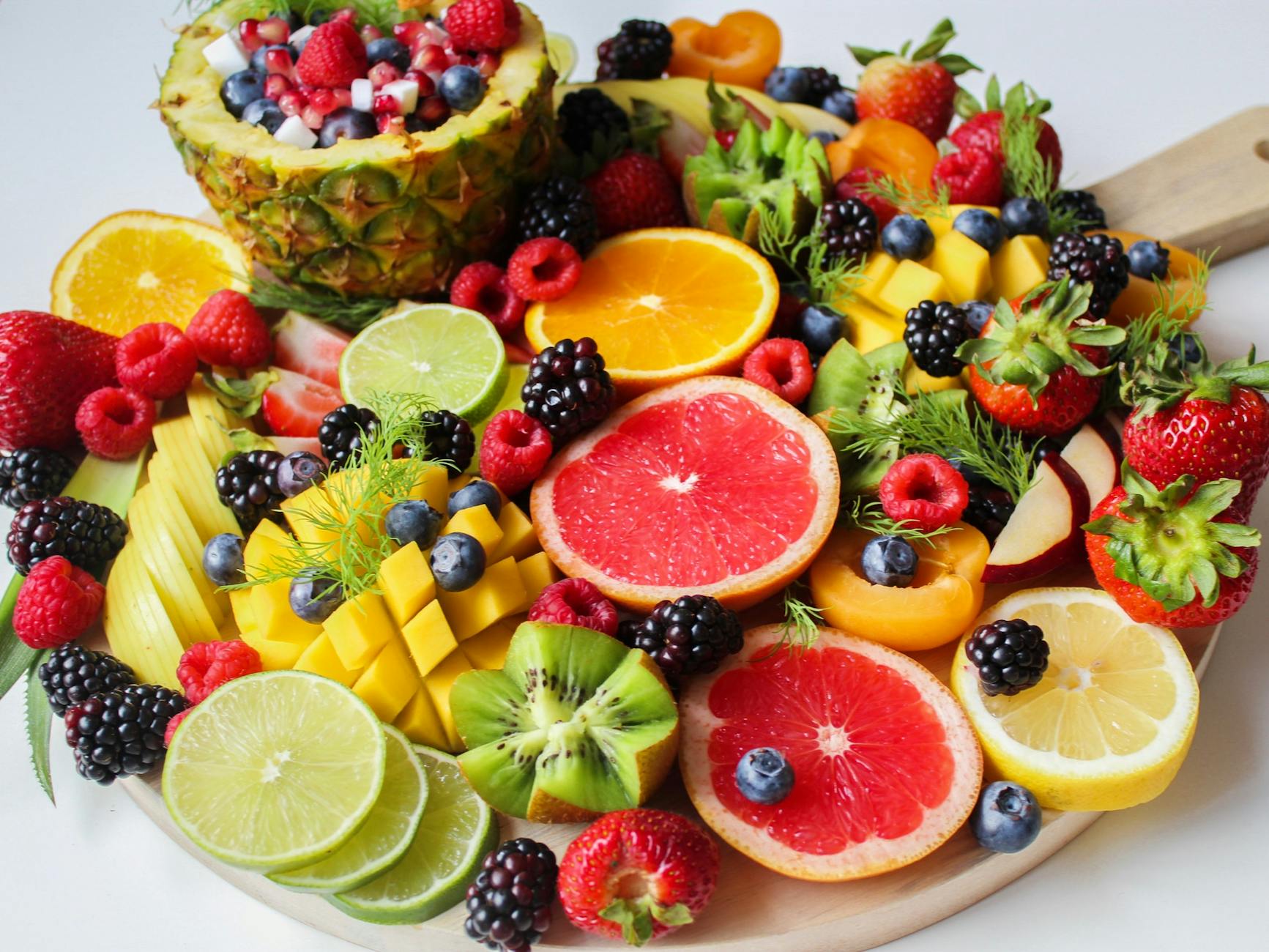
This is non-negotiable. The antioxidants and phytonutrients found in fruits and vegetables are your frontline soldiers against inflammation. They neutralize free radicals, which are unstable molecules that can damage cells and contribute to inflammation. Aim for a wide variety of colors to ensure you’re getting a broad spectrum of these protective compounds. Think berries, leafy greens, cruciferous vegetables, and bright orange sweet potatoes.
Berries: Tiny Powerhouses
Blueberries, strawberries, raspberries – these are packed with anthocyanins, which give them their vibrant color and potent anti-inflammatory properties. I used to just grab any fruit, but now I actively seek out berries. They're fantastic in smoothies or just by the handful.
Leafy Greens: The Unsung Heroes
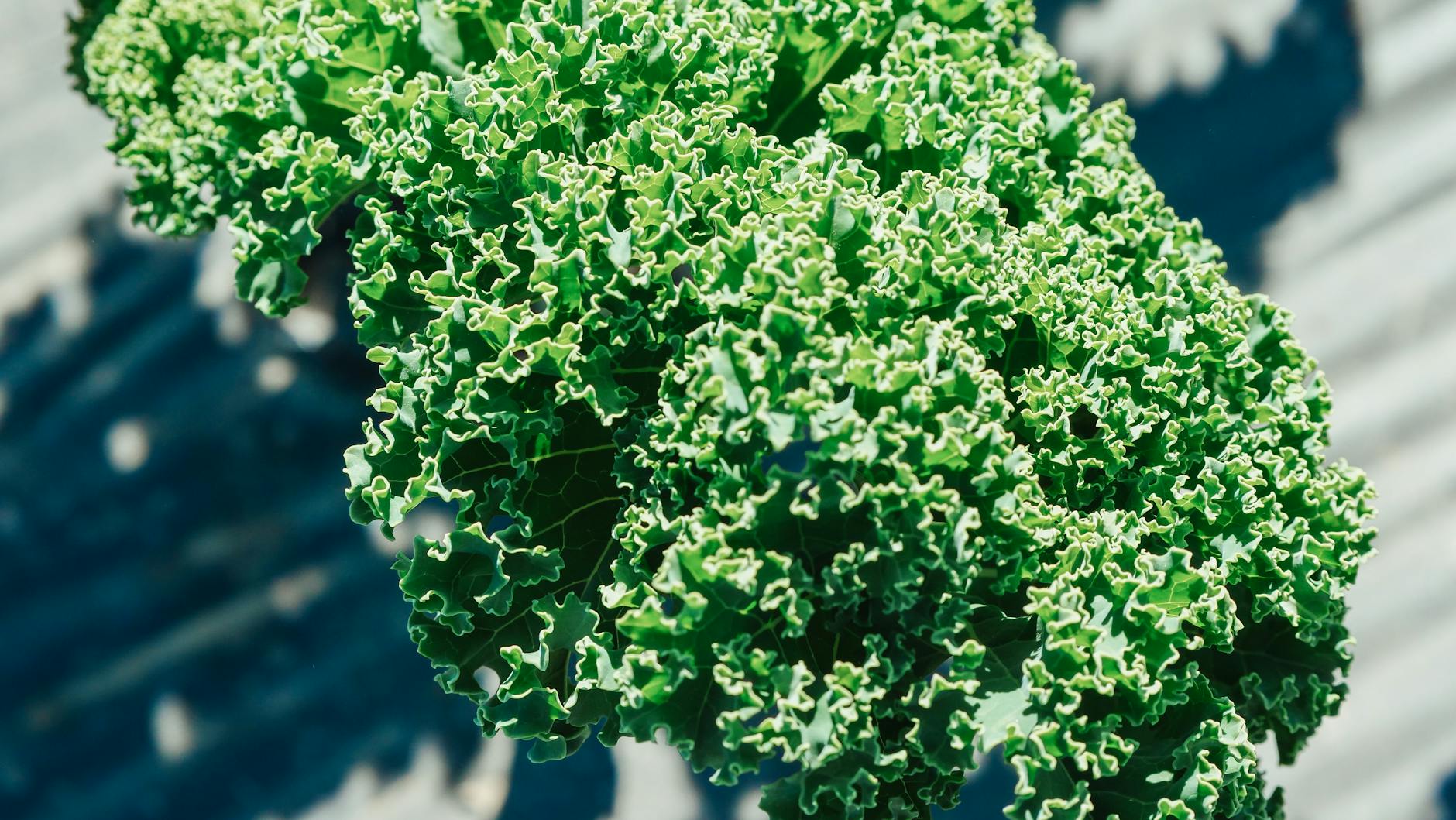
Spinach, kale, Swiss chard – these are loaded with vitamins, minerals, and antioxidants like vitamin E and beta-carotene. They’re incredibly versatile, too. You can sauté them, blend them into healthy green smoothie recipes, or add them to soups and stews.
Cruciferous Vegetables: More Than Just Broccoli
Broccoli, cauliflower, Brussels sprouts, and cabbage contain compounds like sulforaphane, which has shown significant anti-inflammatory effects. Roasting them brings out their natural sweetness and makes them incredibly delicious.
Healthy Fats: Your Allies in the Fight
Fats often get a bad rap, but healthy fats are crucial for reducing inflammation. The star players here are omega-3 fatty acids. These essential fats help to reduce the production of substances that promote inflammation. You'll find them in fatty fish, flaxseeds, chia seeds, and walnuts.
Fatty Fish: The Omega-3 Champion
Salmon, mackerel, sardines, and anchovies are exceptionally rich in EPA and DHA, the most potent forms of omega-3s. Aiming for at least two servings of fatty fish per week is a fantastic strategy. If fish isn't your favorite, don't worry, there are other ways to get your omega-3s.
Nuts and Seeds: Crunchy Goodness
Walnuts, flaxseeds, and chia seeds are excellent plant-based sources of omega-3s, particularly ALA. They also provide fiber and other beneficial nutrients. Sprinkling them on yogurt, salads, or adding them to your healthy smoothies is an easy win.
Olive Oil: Liquid Gold
Extra virgin olive oil is a cornerstone of the Mediterranean diet, renowned for its anti-inflammatory properties. It contains oleocanthal, a compound that acts similarly to ibuprofen. Use it for dressings, sautéing, and finishing dishes.
Spices and Herbs: Nature's Pharmacy
This is where things get really exciting. Many herbs and spices aren't just for flavor; they're potent anti-inflammatory agents. They offer a concentrated dose of beneficial compounds that can significantly impact your health. I love experimenting with these in my cooking.
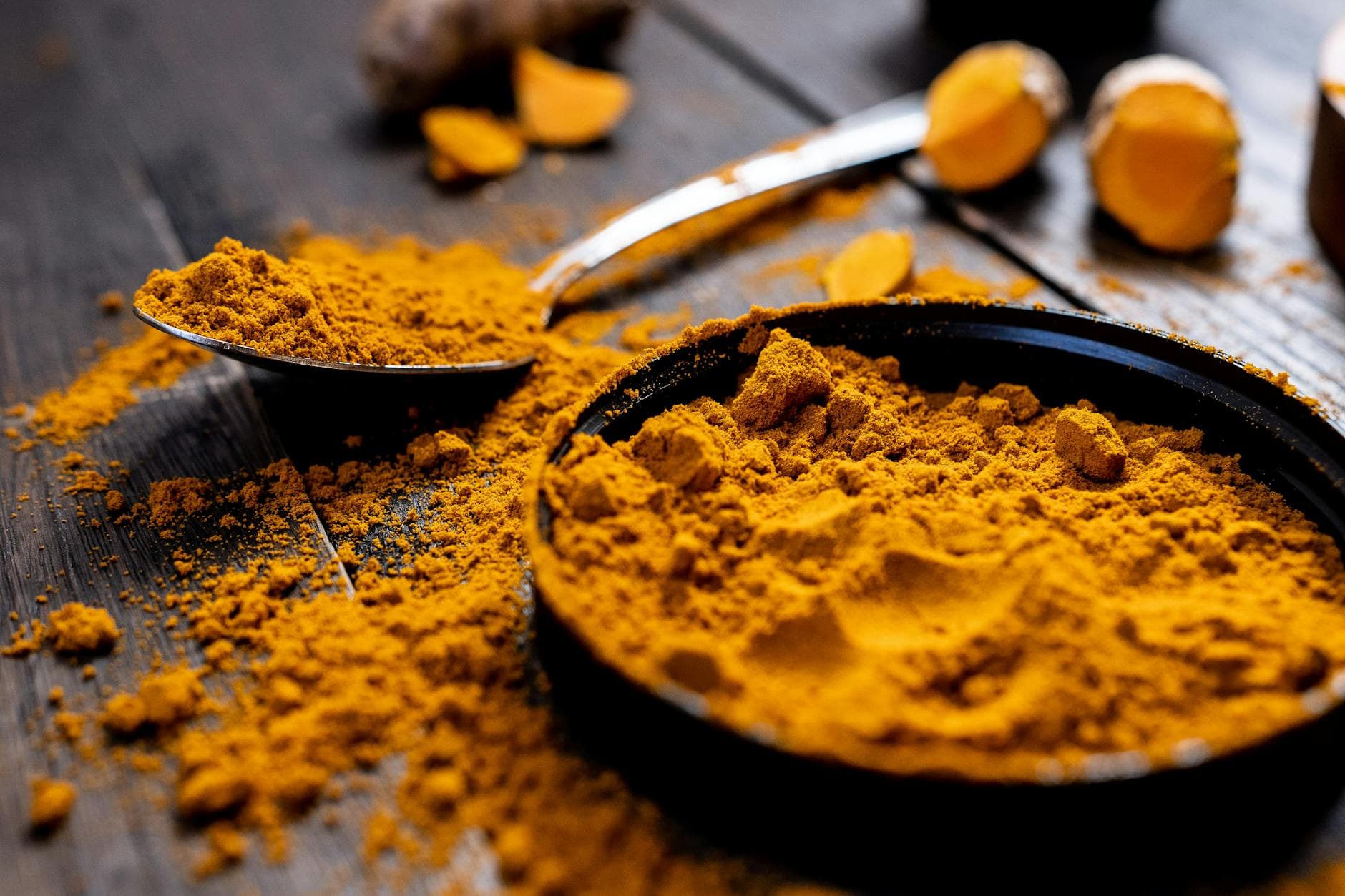
Turmeric: The Golden Spice
Curcumin, the active compound in turmeric, is a powerhouse. It’s been extensively studied for its incredible anti-inflammatory and antioxidant effects. You’ll find turmeric benefits in everything from curries to golden milk lattes. For better absorption, pair it with black pepper.
Ginger: Warming and Soothing
Ginger has a long history of use in traditional medicine for its anti-inflammatory and digestive benefits. Its gingerols are responsible for its therapeutic effects. Fresh ginger can be added to teas, stir-fries, and baked goods. It's a go-to for me when I feel a cold coming on.
Garlic and Onions: Flavorful Healers
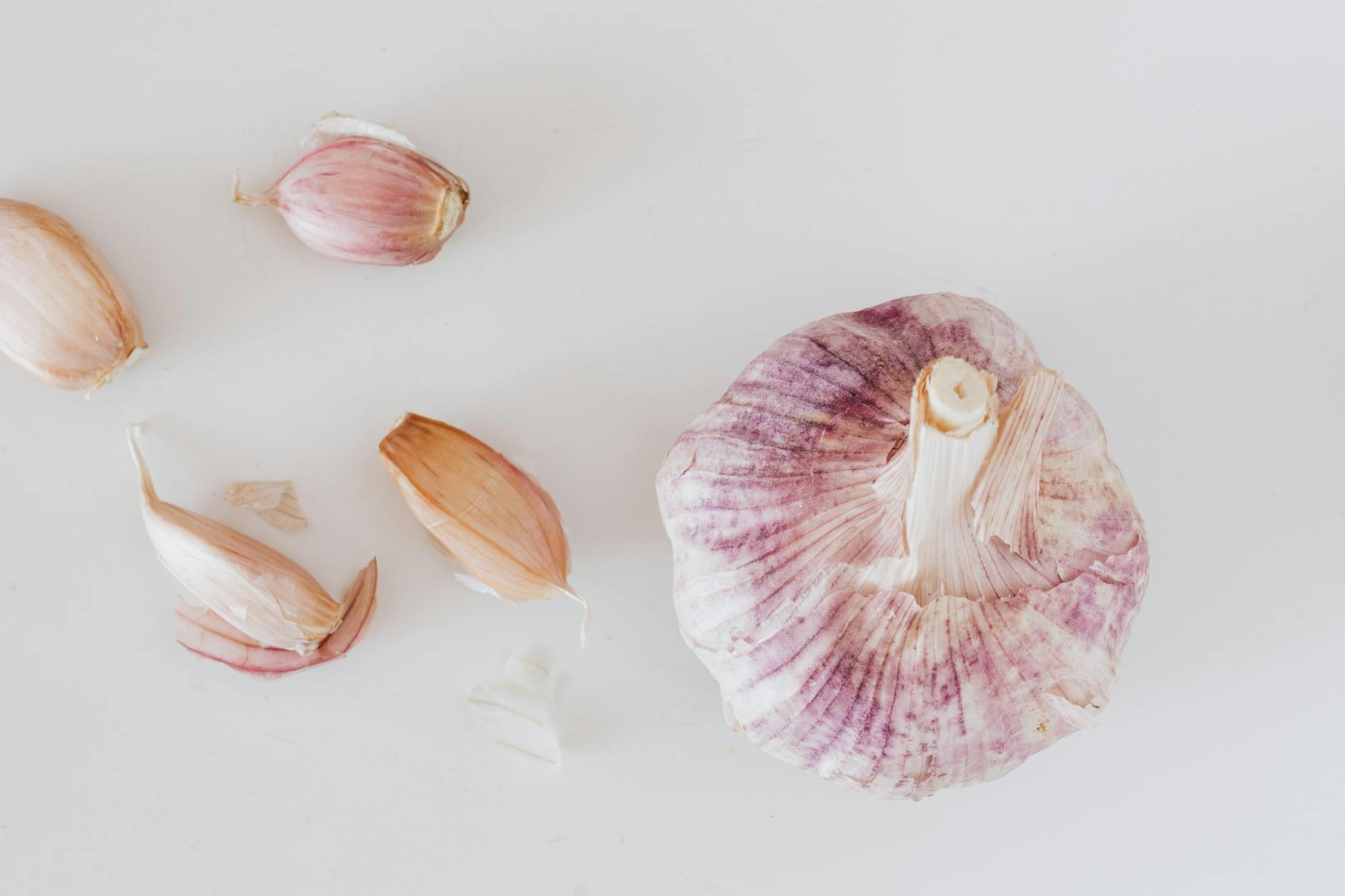
These alliums contain sulfur compounds that have been shown to reduce inflammation. They’re staples in so many cuisines for a reason – they not only add amazing flavor but also contribute to your well-being.
Whole Grains and Legumes: Fiber-Rich Foundations
Don't shy away from carbohydrates! When you choose whole, unprocessed grains and legumes, you're getting essential fiber, vitamins, and minerals that support gut health and reduce inflammation. Fiber, in particular, is critical for feeding your beneficial gut bacteria, which play a huge role in immune function and inflammation regulation. Exploring high fiber foods is a game-changer for many people.
Oats, Quinoa, and Brown Rice
These provide complex carbohydrates that release energy slowly, preventing blood sugar spikes that can contribute to inflammation. They are also good sources of fiber.
Beans and Lentils: Affordable Nutrition
These are nutritional powerhouses, packed with fiber, protein, and antioxidants. They are incredibly versatile and can be used in soups, salads, and main dishes.
Foods to Approach with Caution
Just as some foods actively fight inflammation, others can unfortunately promote it. The goal isn't perfection, but awareness. By reducing your intake of these pro-inflammatory culprits, you create more space for the healing foods to do their work. This is where understanding what to avoid is just as important as knowing the best anti inflammatory foods.
Refined Sugars and Processed Foods
These are often stripped of nutrients and fiber, leading to rapid blood sugar spikes and inflammatory responses. Think sugary drinks, pastries, white bread, and processed snacks. They are like throwing fuel on the fire.
Unhealthy Fats: Trans and Excessive Saturated Fats
Trans fats, often found in fried foods and baked goods, are particularly inflammatory. While some saturated fat is fine in moderation, excessive amounts can also contribute to inflammation. Limit fried foods, processed meats, and commercially baked goods.
Refined Grains
Similar to refined sugars, white bread, white pasta, and white rice have had their fiber and nutrients removed, leading to quicker digestion and potential inflammatory responses. Opt for their whole-grain counterparts whenever possible.
Beyond Diet: Complementary Strategies
While focusing on the best anti inflammatory foods is paramount, remember that it's part of a larger picture. Your lifestyle choices significantly impact your body's inflammatory state.
The Power of Probiotics
A healthy gut microbiome is intrinsically linked to reduced inflammation. Probiotics, the beneficial bacteria that live in your gut, help to maintain this balance. Fermented foods like yogurt, kimchi, and sauerkraut, or high-quality probiotics benefits supplements can be incredibly supportive. Think of it as cultivating a healthy internal garden.
Stress Management and Sleep
Chronic stress and poor sleep are major drivers of inflammation. Prioritizing stress-reducing activities like meditation, yoga, or spending time in nature, along with ensuring 7-9 hours of quality sleep per night, is crucial. I can’t stress this enough – it's not just about what you eat, but how you live.
Movement and Exercise
Regular, moderate exercise has powerful anti-inflammatory effects. It helps to improve circulation, reduce stress hormones, and promote a healthy weight. Aim for a mix of aerobic activity, strength training, and flexibility work.
Putting It All Together: Practical Tips and Recipes
So, how do you translate this knowledge into delicious, everyday meals? It's simpler than you might think. Start by making small, sustainable changes.
Meal Planning for Inflammation Control
Dedicate a little time each week to plan your meals. This helps you avoid last-minute, less healthy choices. Focus on incorporating the best anti inflammatory foods into every meal. For example, start your day with a smoothie packed with berries, spinach, and chia seeds. For lunch, a large salad with grilled salmon and a lemon-olive oil dressing. Dinner could be a lentil soup or a stir-fry with plenty of colorful vegetables and lean protein.
Embracing Anti Inflammatory Recipes
There are countless amazing anti inflammatory recipes available. Look for recipes that highlight lean proteins, plenty of vegetables, healthy fats, and whole grains. Don't be afraid to experiment with spices like turmeric, ginger, and garlic. Think about incorporating more fish, beans, and plant-based meals into your rotation.
A Simple Berry Smoothie Example
Blend 1 cup of mixed berries (fresh or frozen), 1 cup of spinach, 1 tablespoon of chia seeds, 1/2 cup of unsweetened almond milk, and a squeeze of lemon juice. This is a fantastic way to start your day or have as a post-workout snack. It’s so easy to whip up and feels incredibly nourishing.
Turmeric Golden Lentil Soup
Sauté onions and garlic in olive oil, add red lentils, vegetable broth, turmeric, ginger, and a pinch of black pepper. Simmer until lentils are tender. This is a warming, comforting, and deeply anti-inflammatory meal. It's also incredibly budget-friendly.
Hydration and Detox Drinks
Staying well-hydrated is essential for all bodily functions, including the management of inflammation. Infusing your water with fruits like lemon or cucumber can make it more appealing. Consider incorporating Detox Drink Recipes: Refresh & Rejuvenate Your Body into your routine for an extra boost of hydration and nutrients.
The Long-Term Vision: A Healthier You
Shifting your diet towards the best anti inflammatory foods isn't a quick fix; it's a long-term investment in your health. You might not see dramatic changes overnight, but over time, you'll likely notice increased energy, clearer skin, better digestion, and a reduction in aches and pains. The research from institutions like the Mayo Clinic research on best anti inflammatory foods and the World Health Organization research on best anti inflammatory foods consistently points to diet as a powerful modulator of health. You're not just eating for today; you're building a foundation for a healthier, more vibrant future. This is about empowering yourself with the knowledge and tools to feel your absolute best, from the inside out.