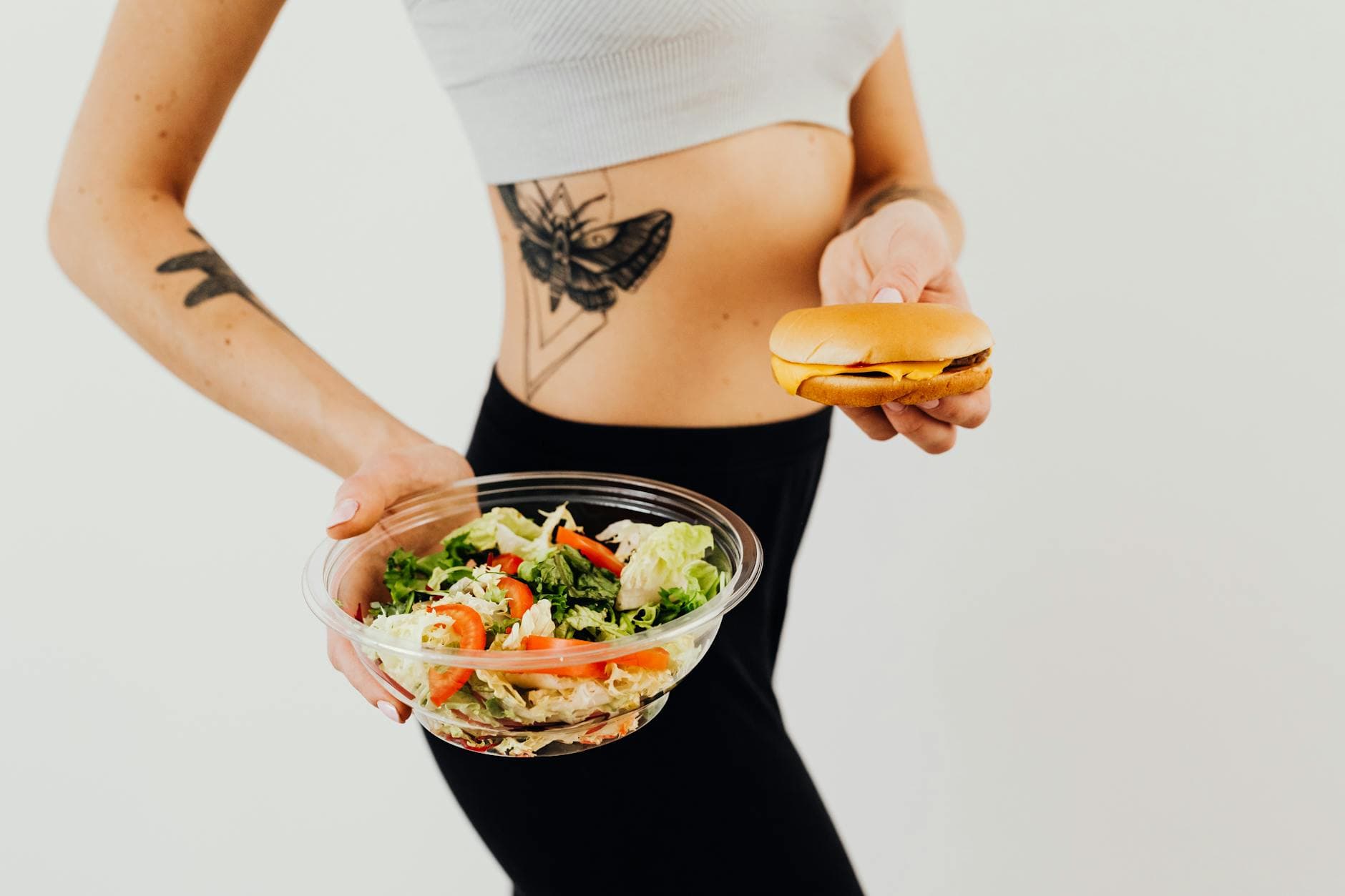
There are days I look back and think, "Wow, how did I used to eat that way?" Honestly, it feels like a different person. I remember standing in front of the vending machine at work, the fluorescent lights buzzing, and staring down a bag of chips versus… well, nothing else appealing. The chips always won. It was a small, daily battle that added up. If you're feeling that pull towards less-than-ideal choices, you're definitely not alone. The good news? Making healthier diet swaps doesn't have to be a drastic overhaul. It's more about smart substitutions that add up to big wins for your well-being.
Your Kitchen: A Springboard for Healthier Eating Swaps
Think of your kitchen not as a place of restriction, but as your personal health laboratory. When you start looking at your pantry and fridge with a critical, yet kind, eye, you'll be amazed at the opportunities for diet spring cleaning. It’s about identifying those habitual choices that aren't serving you and finding delicious alternatives.
The Sneaky Culprits in Your Pantry
We all have them. Those go-to snacks or ingredients that are easy, convenient, and, unfortunately, often packed with things like added sugars, unhealthy fats, and excessive sodium. Recognizing these is the first step. It’s not about demonizing food, but about understanding its impact.
Rethinking Your Grocery List
Once you’ve identified those pantry pitfalls, the next step is to adjust your grocery shopping. This is where you proactively set yourself up for success. Instead of buying the tempting, processed stuff, focus on filling your cart with whole, nutrient-dense foods. This simple shift makes a massive difference in what you'll actually end up eating when hunger strikes.
Creating a Supportive Environment
Your home should be a sanctuary, and that includes your kitchen. If you’re constantly surrounded by unhealthy temptations, it’s a constant uphill battle. Stocking up on healthier options and keeping less healthy ones out of sight (or out of the house altogether!) can significantly reduce the mental energy you need to exert to make good choices. This is one of the easiest diet changes you can implement immediately.

Mastering the Art of Healthy Diet Swaps
The concept of healthy diet swaps is simple: replace a less healthy food or drink with a more nutritious option. The magic is in the cumulative effect. One small change might not seem like much, but when you string several together, you create a powerful ripple effect for your health.
Smart Swaps for Your Sweet Tooth
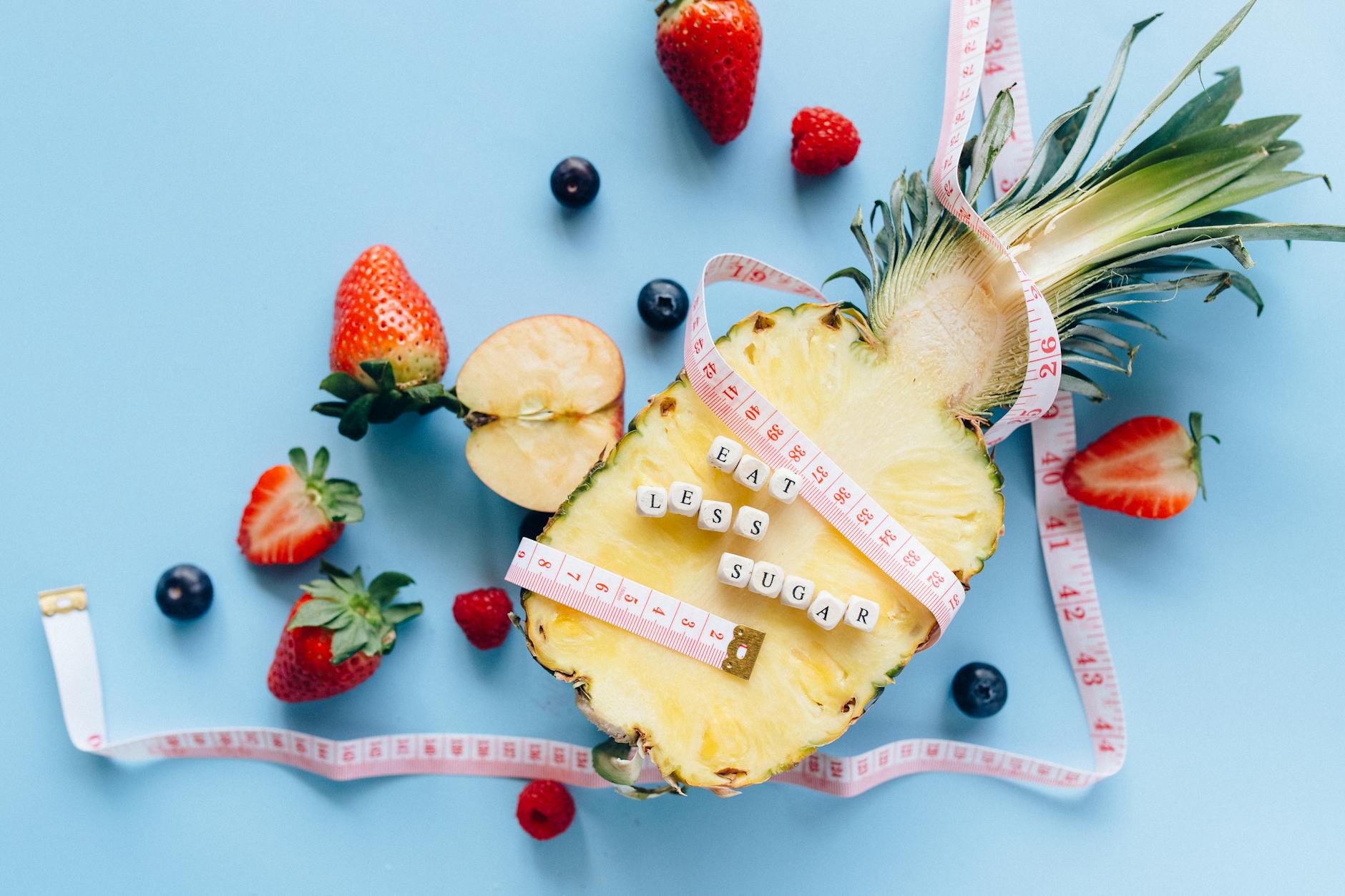
This one was a big one for me. I used to live on sugary drinks and candy bars. The crash afterwards was brutal. Now, instead of reaching for a soda, I'll grab a glass of water infused with fruit, like apple detox water. It’s refreshing, hydrating, and naturally sweet. For a snack, instead of a cookie, I’ll have a piece of fruit with a small handful of nuts. It provides fiber, healthy fats, and protein, keeping me full and satisfied way longer. This is a classic example of how effective nutrition swaps can be.
Navigating the Snack Aisle: What to Eat Instead of Junk Food
Junk food is designed to be addictive, so it’s understandable why it’s so tempting. But there are so many amazing healthier food alternatives. Instead of potato chips, try air-popped popcorn seasoned with herbs and spices. Or opt for a handful of roasted chickpeas for a satisfying crunch. If you’re craving something creamy, Greek yogurt with berries is a fantastic substitute for ice cream or pudding. These low calorie swaps are key to managing weight and boosting nutrient intake.
The Grain Game: Whole vs. Refined
This is a fundamental part of cleaning up your diet. White bread, white rice, and regular pasta are all refined grains. They’ve been stripped of their fiber and most of their nutrients. Swapping them for whole grain versions – like whole wheat bread, brown rice, quinoa, or whole wheat pasta – dramatically increases your fiber intake, which is crucial for digestion, blood sugar control, and feeling full. You’ll notice a difference in sustained energy levels. This is one of those easy diet changes that has far-reaching benefits.
Beyond the Basics: Deeper Dives into Healthier Eating
Once you've got the hang of the basic swaps, you can start exploring more nuanced ways to eat healthier. This involves understanding the nutritional powerhouses you can incorporate and how to make them work for you.
Boosting Your Protein Intake the Right Way
Protein is essential for muscle repair, satiety, and overall bodily function. Many people rely heavily on red meat or processed meats, which can be high in saturated fat. Exploring lean protein sources is a game-changer. Think grilled chicken breast, fish, eggs, or plant-based options like lentils, beans, and tofu. If you're looking for excellent vegan protein sources, the options are vast and delicious. Incorporating foods rich in iron and protein can also significantly boost energy levels.
The Power of Healthy Fats
Fat doesn't have to be the enemy! In fact, healthy fats are vital for hormone production, nutrient absorption, and brain health. The key is choosing the right kinds. Swap out fried foods and processed snacks high in trans fats for sources of monounsaturated and polyunsaturated fats. This includes avocados, nuts, seeds, and olive oil. Even a small amount of avocado on your toast instead of butter can be a great swap.
Hydration Heroes: Beyond Plain Water
Staying hydrated is non-negotiable for good health. While plain water is always the best choice, sometimes you need a little more flavor. As mentioned, infused waters are fantastic. You can also opt for unsweetened herbal teas. Be mindful of sugary juices and sodas, which are often loaded with empty calories. Making healthier choices here is crucial for overall well-being.
Meal Prep: Your Secret Weapon for Consistent Healthy Eating
I’ll be real with you: meal prep is what makes sticking to healthy habits sustainable for me. Without it, I’d be back at that vending machine. When you have healthy meals and snacks ready to go, you’re far less likely to grab something unhealthy out of convenience or desperation.
The "Prep Power Hour"
You don’t need to spend your entire Sunday cooking. Even dedicating an hour or two to simple prep can make a world of difference. This could involve washing and chopping vegetables, cooking a batch of grains like quinoa or brown rice, or hard-boiling eggs. Having these components ready means you can assemble quick, healthy meals throughout the week.
Batch Cooking Smart Staples
Making larger portions of nutrient-dense foods is a smart strategy. Cook a big pot of lentil soup, roast a tray of vegetables, or bake a batch of chicken breasts. These can be used in various ways. Leftover roasted chicken can be added to salads, wraps, or stir-fries. Cooked lentils can be a base for dips or a side dish. This approach minimizes cooking time during the week and ensures you always have healthy options available.
Snack Prep for Success
Don’t forget your snacks! Portion out nuts, seeds, or dried fruit into small bags or containers. Cut up veggies like carrots and celery and pair them with hummus. Having these pre-portioned snacks ready to grab will prevent you from reaching for processed options when that mid-afternoon slump hits. This is a crucial part of beginner healthy eating tips that often gets overlooked.
Making It Stick: Long-Term Strategies for a Healthier You
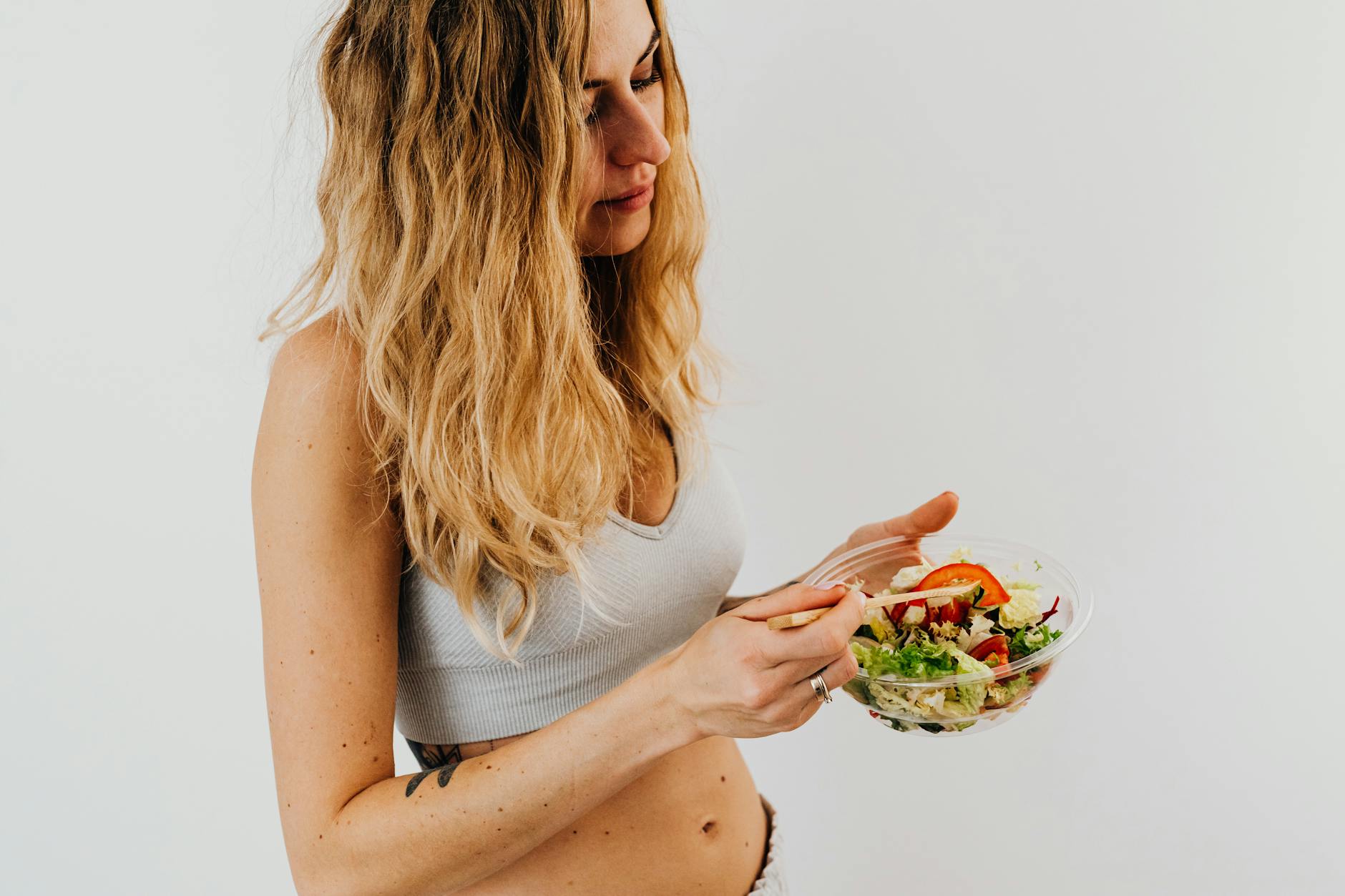
The goal isn't just to make a few healthy diet swaps for a week; it's about creating sustainable habits that last a lifetime. This requires a mindset shift and a commitment to self-care.
Listen to Your Body
Pay attention to how different foods make you feel. Do you have more energy after eating a balanced meal or after a sugary treat? Your body will often tell you what it needs. This self-awareness is a powerful tool for making informed choices.
Be Patient and Kind to Yourself
There will be days when you slip up. It happens to everyone. Don't let one less-than-perfect meal derail your progress. Acknowledge it, learn from it, and get back on track with your next meal. Perfection isn't the goal; consistency is.
Focus on Addition, Not Just Subtraction
Instead of thinking about all the things you "can't" eat, focus on all the delicious, healthy foods you can add to your diet. Emphasize colorful fruits and vegetables, lean proteins, and whole grains. This positive approach makes healthy eating feel much more enjoyable and less restrictive.
Seek Support When Needed
Whether it's a friend, family member, or a professional, having a support system can make a huge difference. Sharing your goals and challenges with others can provide motivation and accountability. Sometimes, exploring resources like National Institutes of Health research on healthy diet swaps can offer valuable insights and encouragement.
Ultimately, embracing healthy diet swaps is about empowering yourself. It's about making conscious choices that nourish your body, boost your energy, and contribute to a vibrant, fulfilling life. Start small, celebrate your wins, and remember that every positive choice you make is a step in the right direction.