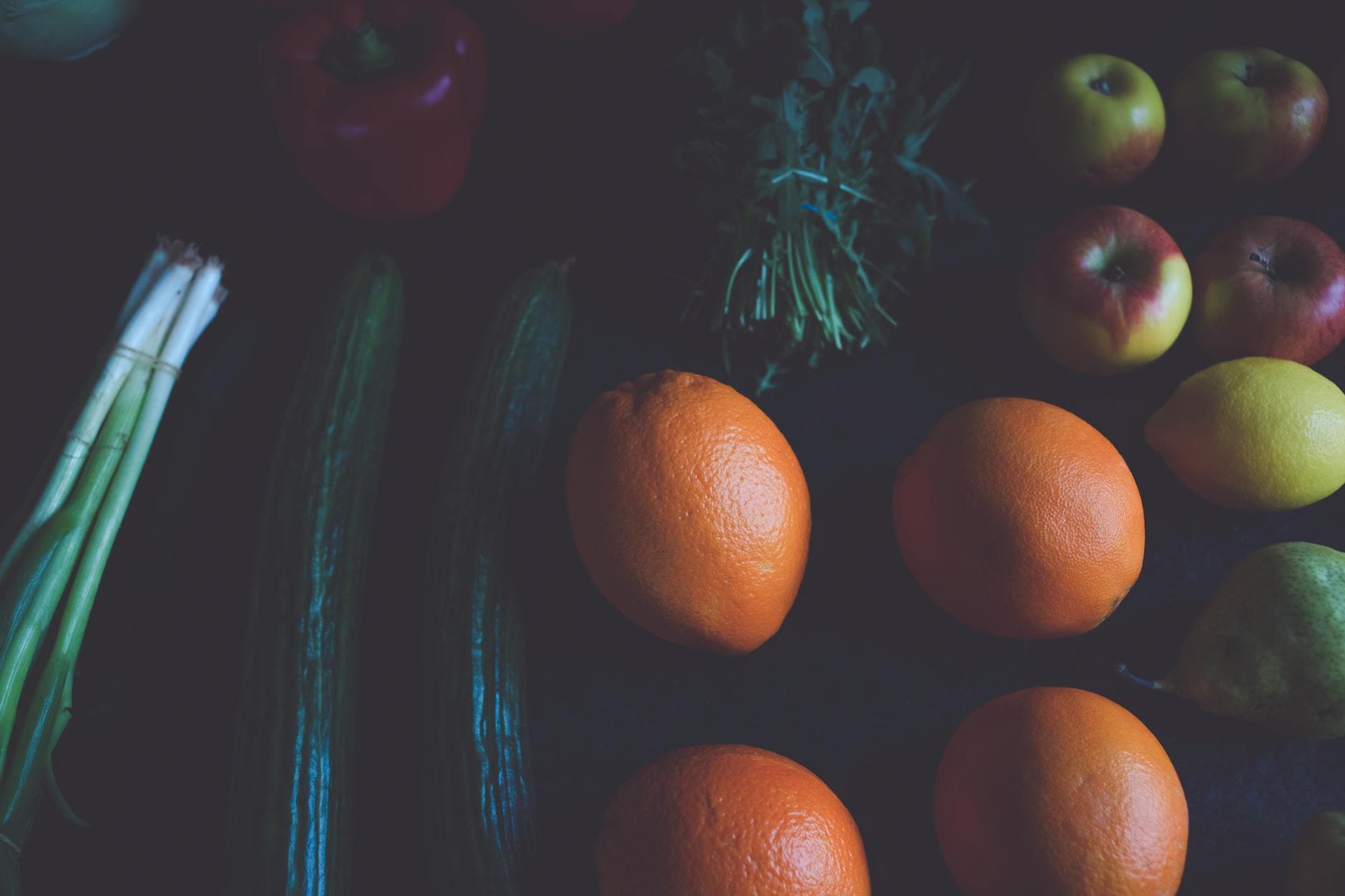
I still remember the first spring I truly understood the magic of seasonal eating. It was a few years back, and I’d been feeling sluggish, my energy levels flatter than a week-old pancake. The winter doldrums had clung to me like a damp coat. Then, a trip to my local farmers market changed everything. The air buzzed with a different kind of energy, and the stalls were overflowing with vibrant greens I hadn’t seen in months. It was like the earth itself was waking up, and I realized that embracing seasonal produce spring could be the key to shaking off that winter fatigue. This isn't just about following trends; it’s about connecting with nature's rhythm and nourishing your body with what it craves most right now.
The Awakening of Spring Flavors
A Symphony of New Growth
After the long, often stark months of winter, spring bursts forth with an incredible vitality. You can practically taste the renewal in the air, and it’s reflected in the food. Think about it: the first tender shoots of asparagus pushing through the soil, the sweet surprise of early peas, the earthy aroma of fresh radishes. These aren't just vegetables; they are promises of warmer days and vibrant health. I’ll be real with you, for years I just bought whatever looked good at the supermarket, often imported from thousands of miles away. It wasn't until I started paying attention to what my local farmers were bringing to market that I truly understood the difference. The flavors were just… more. More intense, more alive.
What's Truly in Season?
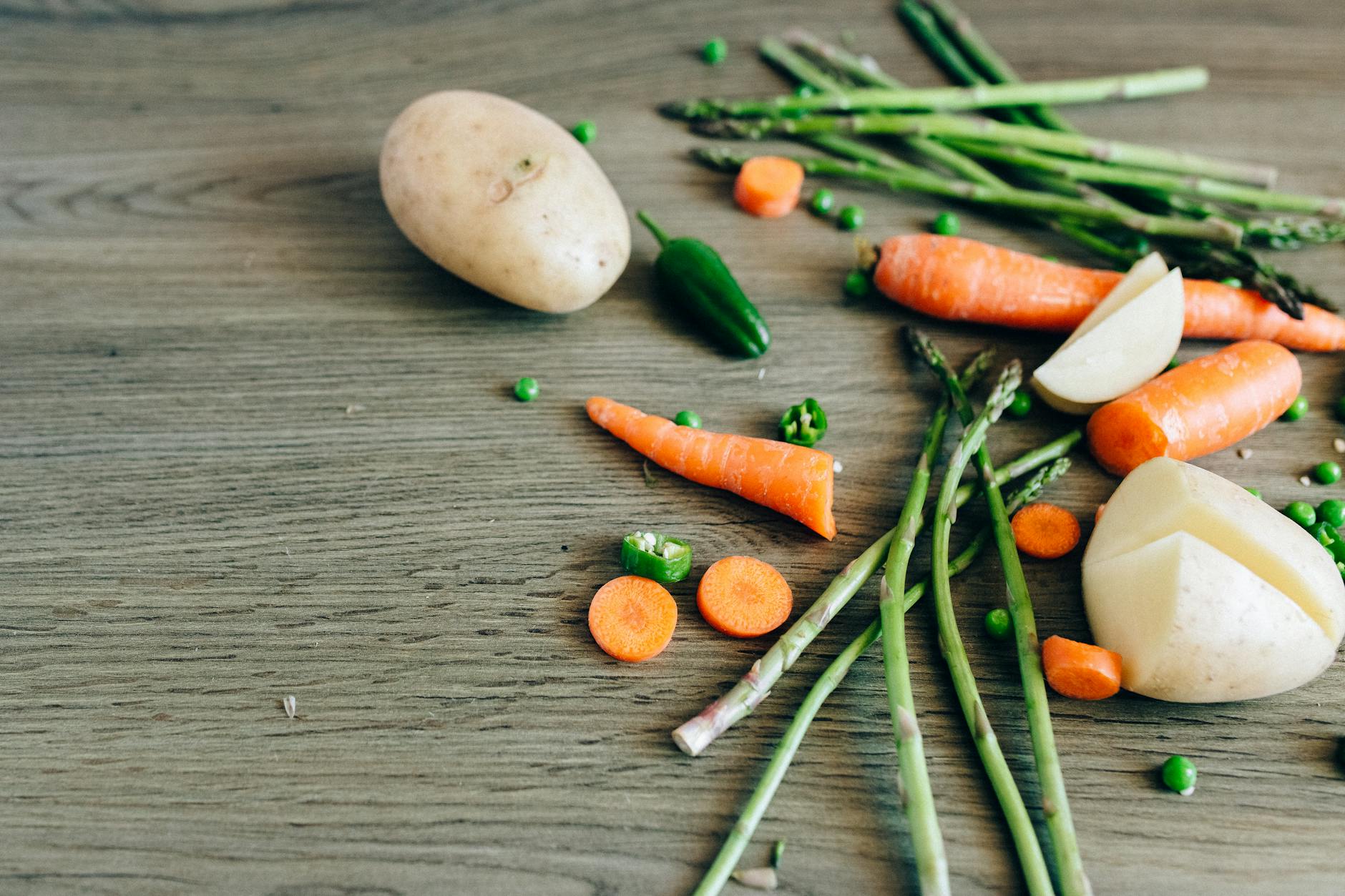
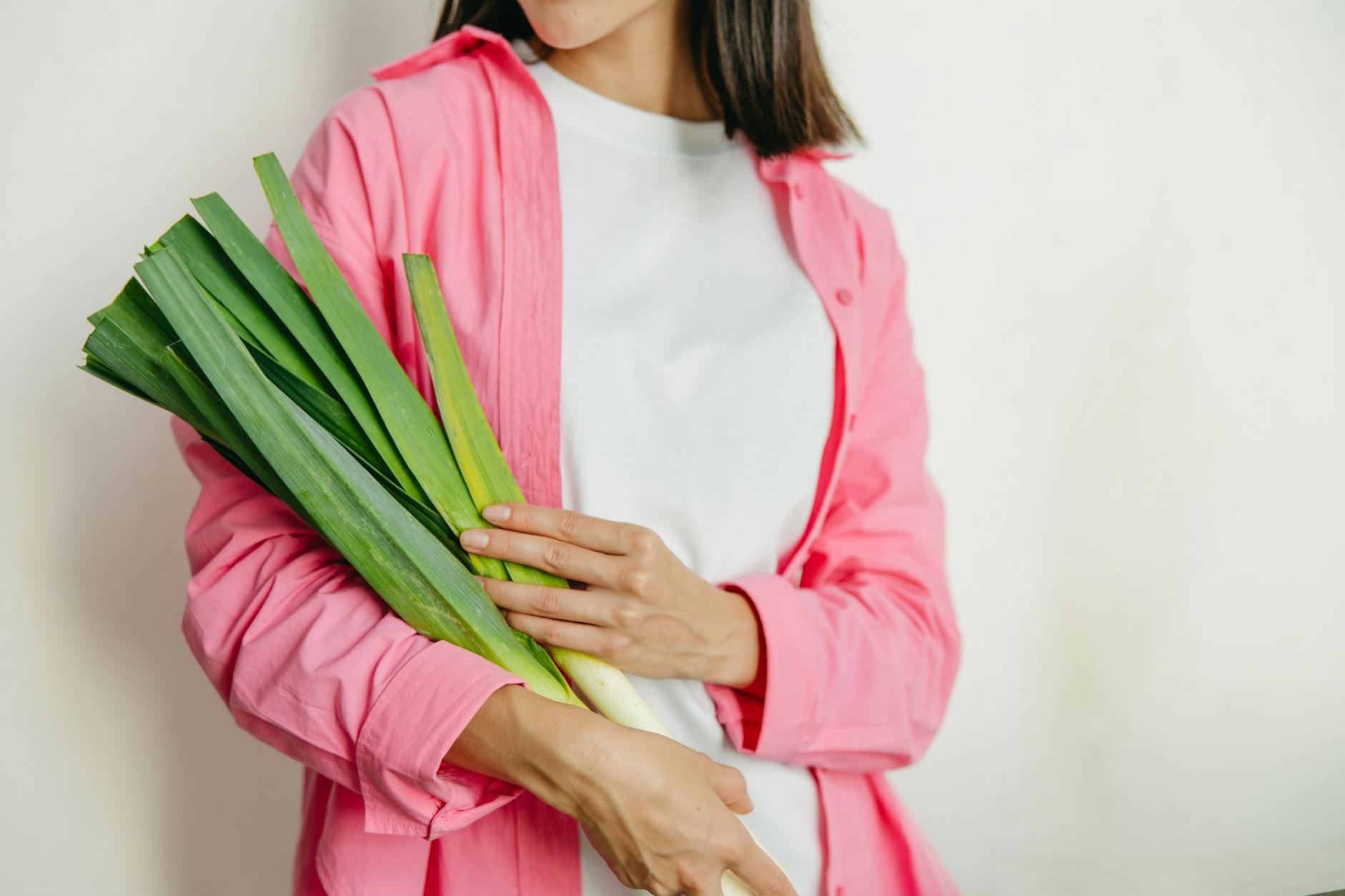
So, what exactly signals the arrival of spring on our plates? It’s a delightful array of greens, roots that have been patiently waiting, and early fruits. You'll find asparagus, artichokes, radishes, spinach, peas, spring onions, lettuce varieties (like romaine and butter lettuce), and early herbs such as chives and parsley. As the season progresses, you’ll also start seeing strawberries, rhubarb, and even early carrots. It’s a beautiful transition from the hearty, stored vegetables of winter to the light, crisp produce of spring. This shift is not accidental; it’s nature’s way of providing us with the nutrients we need as our bodies adapt to longer days and increased activity. You might be wondering, "How do I know what's *really* in season?" The best way is to visit your local farmers market and ask! The vendors are usually thrilled to share their knowledge.
Beyond the Usual Suspects
Don't be afraid to explore beyond the most common spring vegetables. Look for things like fiddlehead ferns (a true springtime delicacy with a unique flavor and texture), sorrel (which has a wonderfully tangy, lemony taste perfect for brightening up dishes), and dandelion greens (surprisingly nutritious and a great addition to salads if you can find them young and tender). These less common finds can add a real excitement to your meals and introduce you to new flavor profiles. Honestly, the first time I tried fiddleheads, I was a bit hesitant, but their slightly nutty, green-bean-like taste won me over instantly. It’s these discoveries that make seasonal eating so rewarding.
The Profound Benefits of Eating Seasonal Spring Produce
Nutrient Powerhouses at Their Peak
One of the most compelling reasons to embrace seasonal produce spring is the sheer nutritional density. Produce that is harvested at its peak ripeness, shortly after being picked, contains the highest levels of vitamins, minerals, and antioxidants. Think about it: a strawberry picked yesterday and eaten today will have far more Vitamin C than one that has traveled across continents and sat on a shelf for a week. This is backed by research; studies consistently show that nutrient levels decline over time after harvesting. Eating seasonally means you’re getting the most bang for your nutritional buck. The World Health Organization has highlighted the importance of nutrient-rich diets, and seasonal eating is a fantastic strategy to achieve this.
Taste the Difference, Feel the Difference
Beyond the science, there's the undeniable sensory experience. Seasonal produce simply tastes better. It’s sweeter, more vibrant, and has a more complex flavor profile because it’s grown in optimal conditions and harvested when it’s meant to be. This isn't just subjective; it's a result of the natural sugars and compounds developing fully when the plant is in its prime. When you eat spring seasonal foods that are at their best, your meals become more enjoyable, and you’re less likely to crave processed or less healthy alternatives. I used to think bland vegetables were just… bland. Now I know it was usually because they were picked too early or traveled too far.
Supporting Your Local Ecosystem and Economy
Choosing local spring produce has a ripple effect that extends far beyond your own plate. When you buy from local farmers, you're directly supporting your community's economy. These farmers are often stewards of the land, practicing sustainable farming methods that benefit the environment. Furthermore, reducing food miles – the distance food travels from farm to table – significantly cuts down on carbon emissions associated with transportation and refrigeration. It’s a win-win: you get fresher, more nutritious food, and you contribute to a healthier planet and a more resilient local food system. This is something I feel very strongly about; it’s about more than just food, it’s about connection.
Navigating the Spring Harvest: What to Look For
The Asparagus Awakening
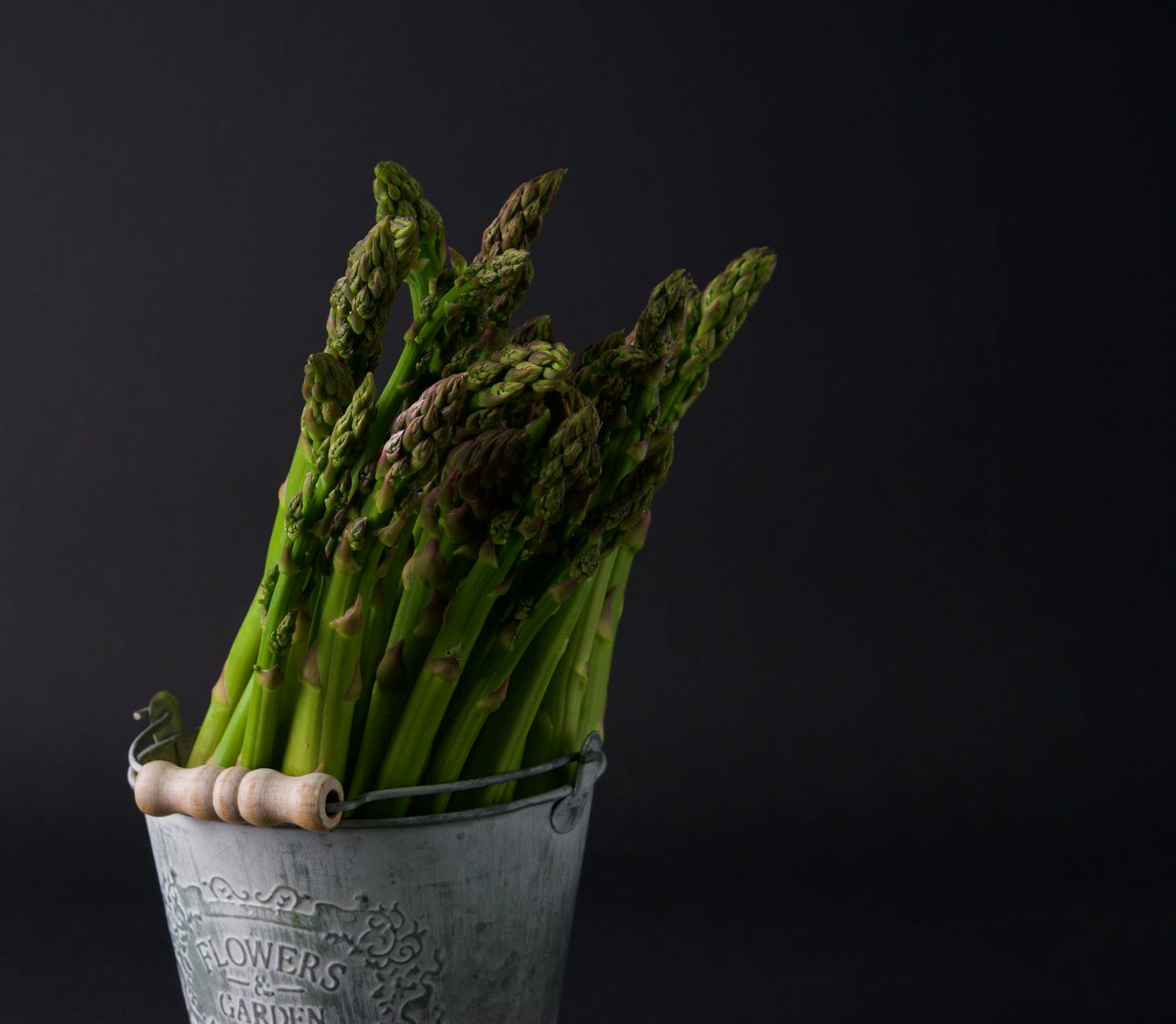
Asparagus is arguably the star of early spring. Look for spears that are firm, bright green, and have tightly closed tips. Thicker spears are often more tender and flavorful than very thin ones. Avoid any with wilting or rubbery stalks. A simple preparation like roasting with a drizzle of olive oil, salt, and pepper is divine, or you can shave it raw into salads for a delightful crunch. This one surprised me with how versatile it is!
The Sweetness of Spring Peas
Freshly shelled peas are a revelation. They should be plump and vibrant green. If you buy them in the pod, the pods should feel firm and full. Once shelled, their sweetness is unparalleled. They are wonderful in risotto, pasta dishes, or simply blanched and tossed with a little butter and mint. Honestly, the effort of shelling is so worth it for that burst of natural sweetness. For a gut health boost, consider incorporating them into some Probiotic Recipes: Spring Gut Health Reboot Now!
Radishes: A Peppery Kick
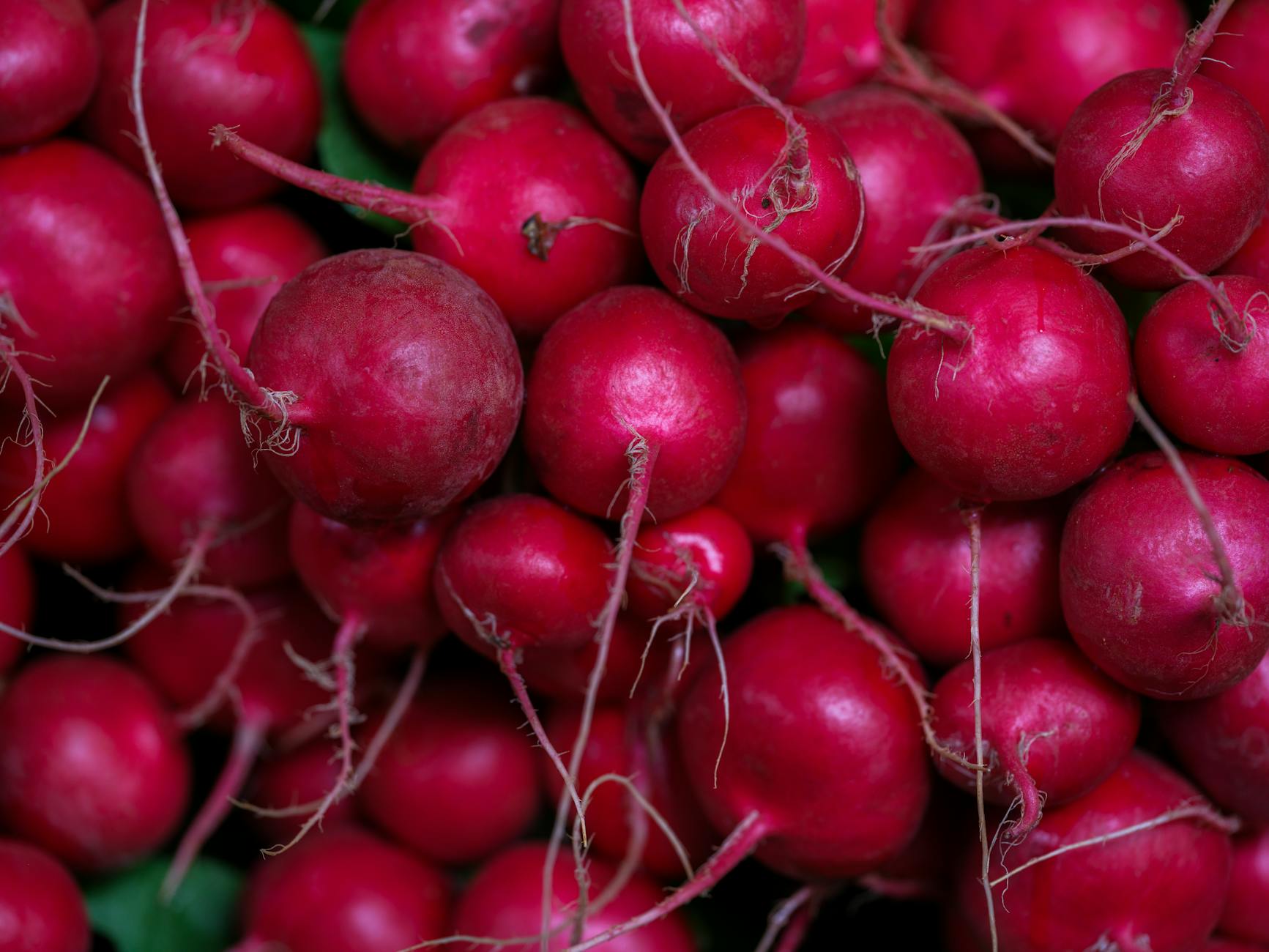
Spring radishes, with their crisp texture and peppery bite, are perfect for adding a little zing. Look for firm roots with smooth skin and fresh, green tops. They can be sliced thinly and added to salads, sandwiches, or even eaten raw with a sprinkle of salt. Don't toss those greens either; they can be sautéed or added to pesto for a slightly bitter counterpoint. Many people only think of radishes as a garnish, but they are so much more.
Leafy Greens Galore
Spinach, lettuce, arugula, and other tender greens are abundant in spring. Choose leaves that are crisp, vibrant, and free from wilting or yellowing. For a spring salad that’s both delicious and contributes to a healthy gut, you might want to explore Probiotic Foods Spring: Boost Your Gut Health Now!
Spring Recipes Featuring Seasonal Ingredients
Light and Bright Spring Salads
Imagine a salad bursting with the colors and flavors of spring: crisp mixed greens, thinly sliced radishes, sweet peas, tender asparagus spears, and perhaps some fresh strawberries or a sprinkle of chives. Dress it with a light vinaigrette made with lemon juice, olive oil, and a touch of honey. This is the essence of eating seasonal spring – simple, fresh, and incredibly satisfying. For a more substantial meal, add grilled chicken or some hard-boiled eggs. This approach to meals is foundational for incorporating Anti-inflammatory Foods: 10 Natural Ways to Beat Spring A...
Asparagus and Pea Risotto
Risotto is a wonderful canvas for showcasing spring flavors. Creamy Arborio rice cooked slowly with vegetable broth, then finished with blanched asparagus tips and sweet peas, a touch of Parmesan cheese, and a squeeze of lemon juice. It’s elegant enough for a special occasion but comforting enough for a weeknight meal. This dish embodies the simplicity and elegance of spring produce recipes.
Simple Roasted Spring Vegetables
Roasting brings out the natural sweetness in vegetables. Toss chopped asparagus, spring onions, radishes, and perhaps some early carrots with olive oil, salt, pepper, and your favorite herbs like thyme or rosemary. Roast at a medium-high temperature until tender and slightly caramelized. This is a fantastic side dish that pairs well with almost any protein. It's a testament to how little you need to do with truly fresh ingredients. Consider this a core component of dishes designed to Boost Metabolism Foods: Eat These for Spring Energy.
Strawberry Rhubarb Crumble
While not a vegetable, the classic pairing of strawberries and rhubarb is a quintessential spring dessert. The tartness of the rhubarb is beautifully balanced by the sweetness of the strawberries, all topped with a buttery, crumbly oat topping. It’s a comforting way to end a meal, celebrating the arrival of these early fruits. This is a perfect example of how Healthy Breakfast Muffins: Easy & Delicious Recipes can also be adapted for seasonal fruit.
Making Seasonal Eating a Lifestyle
The Farmer's Market Advantage
Your local farmers market is your best friend when it comes to sourcing seasonal produce spring. It's where you'll find the freshest items, often picked just a day or two before. Plus, you get to talk directly to the farmers, learn about their growing practices, and get recipe ideas. I can’t stress enough how valuable these interactions are. Look for the stalls with the most variety and the most vibrant produce; that’s usually a good sign. You’ll discover so much more than you would just wandering the aisles of a supermarket.
Planning Your Meals Around the Season
The key to consistent seasonal eating is a little bit of planning. Before you go grocery shopping or head to the market, take a moment to think about what's currently in season. Build your meals around those ingredients. This doesn't have to be rigid; it's about flexibility and creativity. If you see beautiful spinach, plan a salad or a quick sauté. If you spot fresh peas, think about adding them to pasta or a soup. This approach makes meal prep more exciting and less of a chore. It’s about embracing what nature offers abundantly.
Preserving the Bounty
While spring produce is best enjoyed fresh, some items can be preserved for later enjoyment. Think about blanching and freezing peas or asparagus, or making jams and preserves from early strawberries. While spring isn't typically the season for major preservation efforts like canning fall harvests, small steps can ensure you enjoy some of these flavors a bit longer. This is a more advanced aspect of seasonal eating, but even simple freezing can make a difference.
Embracing Imperfection and Variety
Here’s the thing: not every piece of produce will look perfectly uniform, and that’s okay. Seasonal and local food might have a few more blemishes or irregularities than mass-produced supermarket items, but that doesn't affect its flavor or nutritional value. In fact, these little imperfections are often a sign of true, unadulterated food. Embrace the variety, try new things, and don't be afraid to experiment. The journey of seasonal produce spring is one of discovery, connection, and vibrant health. It’s about tuning into nature’s rhythm and allowing your body to benefit from its incredible generosity. It’s more than just food; it’s a way of life.