
I remember standing in front of my pantry, feeling utterly defeated. It was late afternoon, that dreaded time when energy dips and the siren song of sugary snacks becomes almost unbearable. I was trying to shed a few stubborn pounds, and despite my best efforts, the scale wasn't budging. I’d read about “fat burning foods” online, but honestly, it all felt like a magic trick, a quick fix that probably didn't exist. Was it really possible that certain foods could actually help my body torch more calories? I was skeptical, to say the least. But as I’ve learned over the years, nutrition is far more nuanced and powerful than those clickbait headlines often suggest. It’s not about a magic bullet, but about smart, consistent choices that support your body’s natural processes. And yes, some foods truly do have a leg up when it comes to helping you manage your weight.
The Real Deal About Fat Burning Foods
Let’s cut to the chase: there’s no single food that will magically melt away fat without any effort on your part. Anyone who tells you otherwise is selling something. However, the concept of fat burning foods isn't a myth. It’s rooted in science. These are foods that can boost your metabolism, increase satiety (keeping you feeling full longer), and provide essential nutrients that support overall health and weight management. Think of them as allies in your journey, not the entire army.
What Does "Fat Burning" Really Mean?
When we talk about foods that "burn fat," we're generally referring to a few key mechanisms. Some foods require more energy to digest than others (this is called the thermic effect of food, or TEF). Others can help regulate hormones that influence fat storage and appetite. And some are simply packed with nutrients that are crucial for your body to function optimally, which indirectly supports your weight loss goals. It's a holistic approach, not a one-trick pony.
Beyond the Hype: A Balanced Perspective
It's easy to get caught up in the latest fad diet or the idea of a miracle food. But sustainable fat loss comes from understanding how your body works and making consistent, healthy choices. Focusing on nutrient-dense, whole foods is the most effective strategy. This is where the idea of foods that burn fat really shines – they are the foundation of a healthy diet.
The Top Contenders: Foods That Help You Burn Fat
So, what are these helpful foods? They’re not exotic ingredients you can’t find at your local grocery store. They are everyday staples that, when incorporated into a balanced diet, can make a significant difference. I’ve seen it in my own life and with clients – small, smart shifts lead to big results.
Lean Proteins: The Metabolism Boosters
Protein is a superstar for weight management. Your body uses more energy to digest protein compared to fats or carbohydrates, meaning it has a higher thermic effect. This is a big win for anyone looking to increase their calorie expenditure. Plus, protein is incredibly satiating, helping you feel fuller for longer and reducing the urge to overeat. This is especially important when you're trying to manage your intake.
Chicken and Turkey Breast
These are classic examples of lean protein. They are versatile and can be prepared in countless healthy ways. Opt for grilling, baking, or poaching rather than frying to keep them lean and beneficial.
Fish, Especially Fatty Fish
Think salmon, mackerel, and sardines. These are not only excellent sources of lean protein but also packed with omega-3 fatty acids. Omega-3s have been linked to reduced inflammation and improved heart health, and some research suggests they may play a role in fat metabolism. I always recommend aiming for at least two servings of fatty fish per week for these benefits.
Legumes and Beans
Don't overlook the power of plant-based proteins! Lentils, chickpeas, black beans, and kidney beans are fantastic sources of both protein and fiber. This powerful combination makes them incredibly filling and helps to stabilize blood sugar levels, preventing those energy crashes that lead to cravings. They are also budget-friendly and incredibly versatile in meals.
Fiber-Rich Foods: The Fullness Factor
Fiber is another crucial player in the fat-burning game. It adds bulk to your meals without adding many calories, promoting a feeling of fullness. This helps you eat less overall. Fiber also plays a vital role in digestive health and can help regulate blood sugar levels, preventing spikes and crashes that often trigger hunger. Incorporating more fiber-rich foods is a cornerstone of any effective diet for fat loss.
Oats: A Breakfast Powerhouse
Oatmeal is one of my absolute favorites. It’s packed with soluble fiber, which forms a gel-like substance in your digestive tract, slowing down digestion and keeping you satisfied. A warm bowl of oatmeal, especially one that incorporates some fruit and nuts, can keep you full for hours. Check out these oatmeal benefits for more reasons to love it.
Berries
Strawberries, blueberries, raspberries – these tiny fruits are nutritional powerhouses. They are relatively low in sugar but high in fiber and antioxidants. Their natural sweetness can satisfy a craving for something sweet without derailing your progress. I love adding them to my yogurt or having a handful as a snack.
Leafy Greens
Spinach, kale, lettuce, and other leafy greens are incredibly low in calories but high in volume, fiber, vitamins, and minerals. You can eat large portions of them without consuming a lot of calories, making them perfect for bulking up meals and increasing satiety. They are also fantastic for your overall health, aiding in things like natural immune support.
Healthy Fats: Not the Enemy!
For years, fat was demonized, and low-fat everything flooded the market. Here's the truth: healthy fats are essential for hormone production, nutrient absorption, and yes, even fat burning. They also contribute to satiety, helping you feel satisfied after meals. It’s about choosing the *right* kinds of fats.
Avocado
Avocado is rich in monounsaturated fats, which are heart-healthy and can help you feel full. It's also a good source of fiber. While avocados are calorie-dense, their satiety factor means a little goes a long way in keeping hunger at bay.
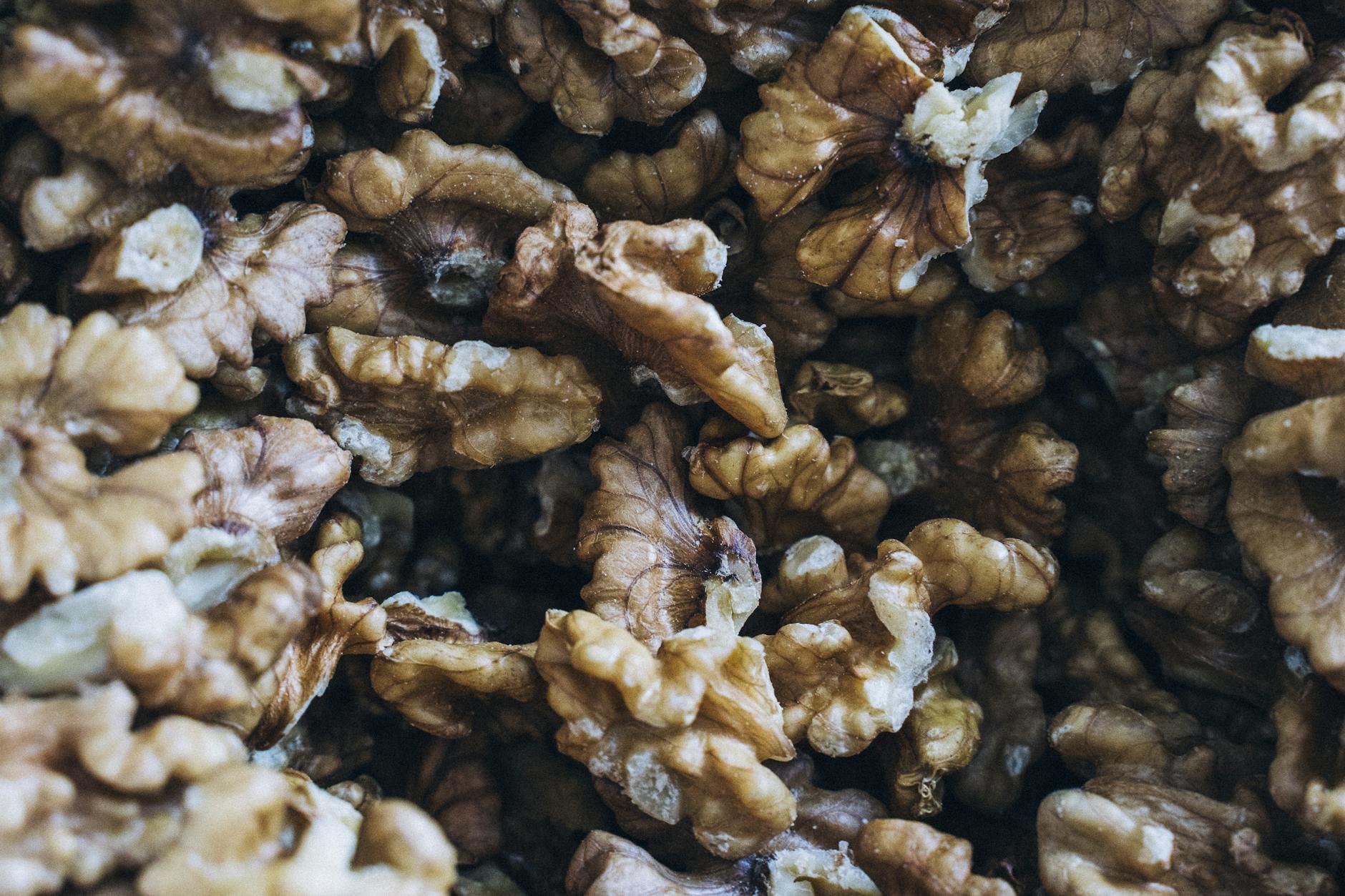
Nuts and Seeds
Almonds, walnuts, chia seeds, flaxseeds – these are all great sources of healthy fats, fiber, and protein. They are calorie-dense, so portion control is key, but a small handful can be a satisfying and nutrient-rich snack. I often have a small portion of almonds with a piece of fruit for a balanced energy boost. You might even find some inspiration for healthy peanut butter snacks that incorporate nuts.
Spices and Certain Beverages: The Unexpected Helpers
Some less obvious players can also contribute to your fat-burning efforts by giving your metabolism a gentle nudge or aiding in digestion.
Chili Peppers
The capsaicin in chili peppers has been shown to slightly increase metabolism and reduce appetite. While it won't cause dramatic weight loss on its own, it can be a nice little boost when added to your meals. This one surprised me when I first learned about it!
Green Tea
Green tea contains catechins and caffeine, both of which have been linked to increased metabolism and fat oxidation. Several studies, including those reviewed by the Centers for Disease Control and Prevention research on fat burning foods, suggest a modest benefit. It's also a great calorie-free beverage choice.
Water
This might seem too simple, but staying hydrated is crucial. Drinking water, especially before meals, can help you feel fuller and may slightly boost your metabolism. Sometimes, thirst is mistaken for hunger, so keeping up with your water intake is a simple yet effective strategy. For many, a good spring diet reset starts with simply drinking more water.
What Nobody Tells You About "Fat Burning Foods"
Here’s the thing: the term "fat burning foods" can be misleading if you expect it to be a magic solution. While these foods can support your efforts, they don't replace the fundamental principles of weight management. You still need to be in a calorie deficit for fat loss to occur. That means burning more calories than you consume. These foods simply make that deficit easier to achieve and maintain by increasing satiety and boosting your metabolism.
The Importance of a Calorie Deficit
Think of it like this: if you eat an entire pizza after a meal consisting of fat-burning foods, you’re still going to consume way more calories than you've helped your body burn. The foods on this list are tools to help you manage your overall intake and energy expenditure, not an excuse to eat unlimited amounts. Research from the Mayo Clinic research on fat burning foods consistently emphasizes the role of overall caloric balance.
Consistency is King
You won't see results from eating a kale salad once a week. The real magic happens when you consistently incorporate these foods to burn belly fat and other areas into your daily eating habits. This means making them a regular part of your grocery shopping and meal planning. It's about creating sustainable habits that support your long-term health and weight goals.
Putting It All Together: A Practical Approach
So, how do you actually use this information? It’s about making smart swaps and building meals around these beneficial ingredients. Don't overhaul your entire diet overnight. Start with small, manageable changes.
Meal Planning for Fat Loss
Plan your meals to include lean protein, plenty of fiber-rich vegetables, and healthy fats. For example, a breakfast of oatmeal with berries and a sprinkle of nuts is a fantastic start. Lunch could be a large salad with grilled chicken or chickpeas. Dinner might be baked salmon with steamed broccoli and a side of quinoa. These are just examples, but they illustrate how you can build balanced meals.
Smart Snacking
When hunger strikes between meals, reach for a handful of almonds, a piece of fruit, or some Greek yogurt. These snacks will keep you feeling full and provide essential nutrients, unlike empty-calorie processed snacks. This is part of a larger effort to boost metabolism heading into warmer months.
Listen to Your Body
Pay attention to how different foods make you feel. Do you feel energized after a meal with lean protein and vegetables? Or do you feel sluggish after a processed snack? Your body will often give you clues about what works best for you. This is a key part of a successful spring diet reset.
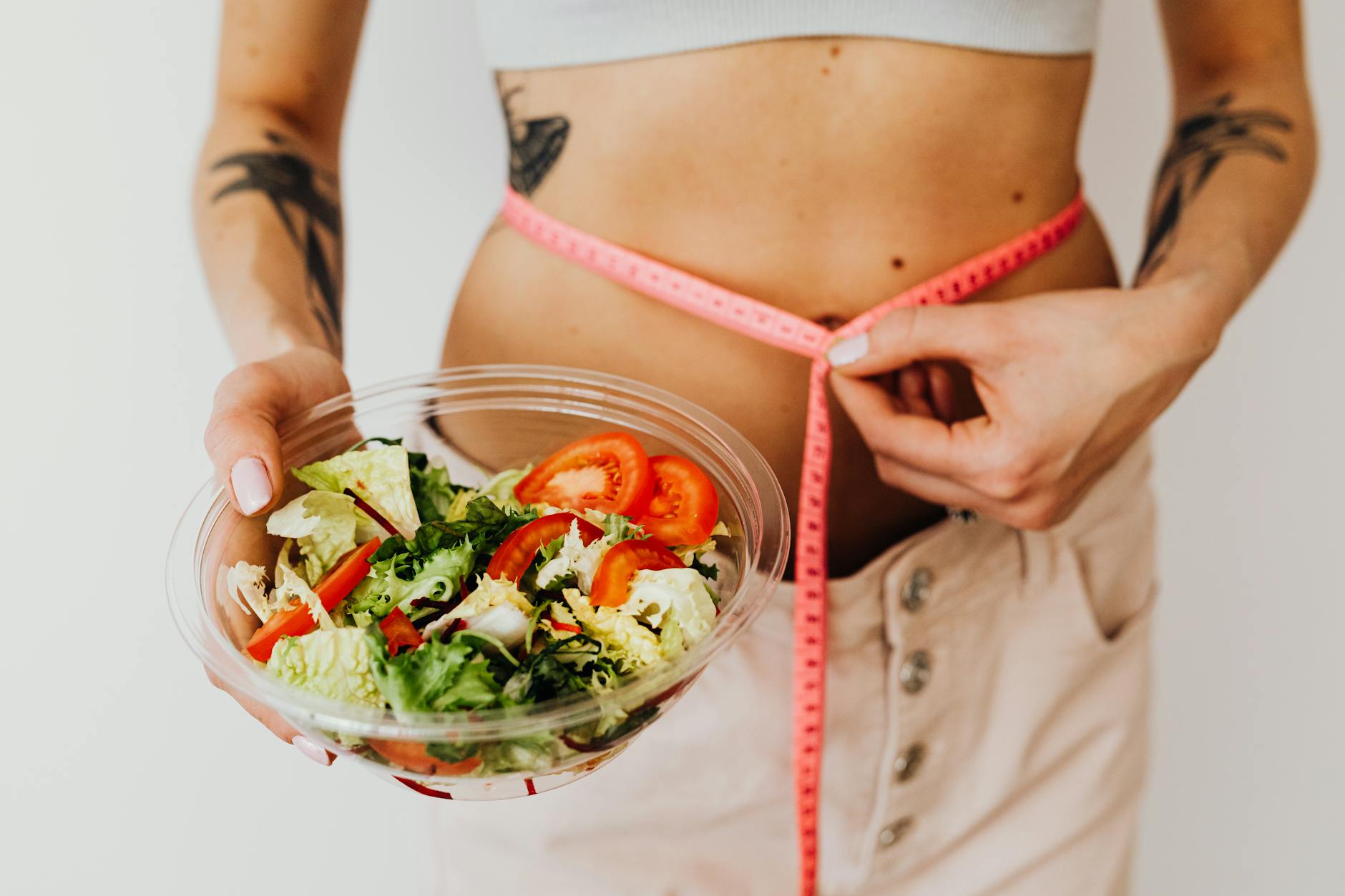
Beyond Food: Other Factors for Fat Loss
While fat burning foods are important, they are just one piece of the puzzle. For optimal results, consider these other crucial factors:
Regular Exercise
Physical activity is non-negotiable for effective fat loss and overall health. Combine cardiovascular exercise with strength training for the best results. Strength training builds muscle mass, which boosts your resting metabolism.
Adequate Sleep
Lack of sleep can disrupt hormones that regulate appetite, leading to increased hunger and cravings. Aim for 7-9 hours of quality sleep per night. The World Health Organization highlights the importance of sleep for overall well-being, which indirectly impacts weight management. You can learn more from World Health Organization research on fat burning foods and related health topics.
Stress Management
Chronic stress can lead to increased cortisol levels, which can promote fat storage, particularly around the abdomen. Find healthy ways to manage stress, such as meditation, yoga, or spending time in nature.
Ultimately, incorporating these nutrient-dense, metabolism-supporting foods into a balanced diet, coupled with regular exercise, adequate sleep, and stress management, is the most effective and sustainable way to achieve your fat loss goals. It’s not about restriction; it’s about nourishment and making choices that empower your body to thrive.