The Honest Truth About Natural Immune Support
I'll be real with you. For years, I thought "natural immune support" meant popping a few extra vitamin C tablets when I felt a sniffle coming on. I'd scour the aisles for anything labeled "immune-boosting" and felt like I was doing my part. Then, I got hit with the worst flu of my life, followed by a nasty bout of spring allergies that left me feeling miserable for weeks. It was a wake-up call. My haphazard approach wasn't cutting it. I realized that true natural immune support isn't about quick fixes; it's a lifestyle, a symphony of interconnected habits that work together to keep my body resilient.
It’s about understanding that your immune system is your body's defense force, and like any army, it needs consistent training, proper nutrition, and rest to function at its best. This isn't about magically making yourself invincible, but about building a strong foundation so that when challenges arise, your body is well-equipped to handle them.
Nourishing Your Defenses: The Power of Immune Boosting Foods
When we talk about natural immune support, food is undeniably the first and most impactful line of defense. I used to think of it as just "eating healthy," but it's so much more nuanced. It's about strategically choosing foods that provide the building blocks and tools your immune cells need to operate efficiently. Think of it as supplying your soldiers with the best possible gear and provisions.
Vitamins and Minerals: The Essential Toolkit
Vitamin C Rich Foods: More Than Just Citrus
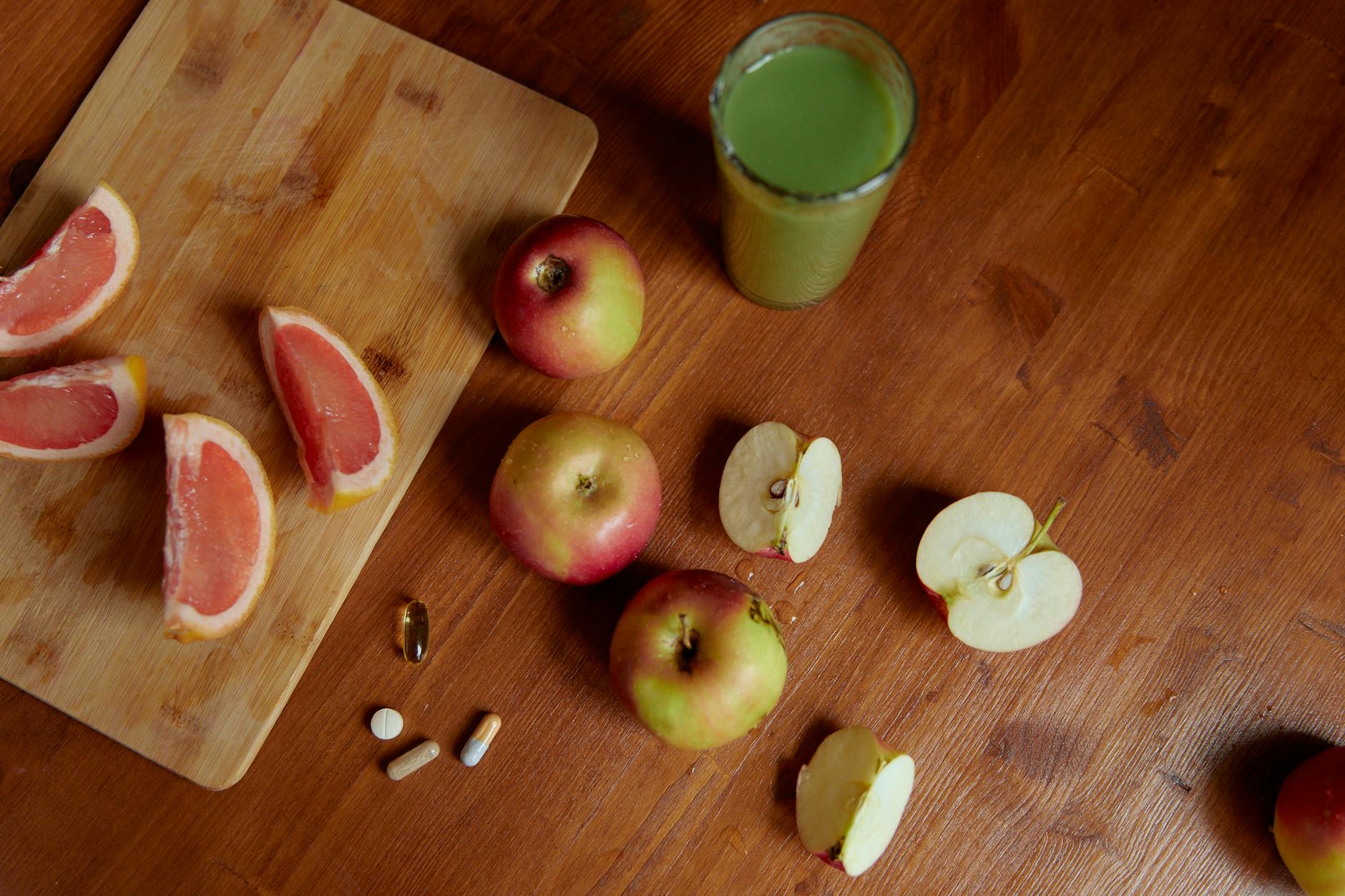
You've probably heard about vitamin C, and for good reason. It's a powerful antioxidant that helps protect your cells from damage and is crucial for the production and function of white blood cells, your immune system's primary fighters. But it’s not just oranges! Bell peppers, especially red ones, pack way more vitamin C than citrus. Strawberries, kiwi, and even broccoli are fantastic sources. I make it a point to have at least one vitamin C-rich food with every meal.
Zinc's Crucial Role
Zinc is another unsung hero. It's vital for immune cell development and communication. Low zinc levels can impair immune function, making you more susceptible to infections. You can find it in oysters, red meat, poultry, beans, nuts, and seeds. I often add pumpkin seeds to my morning smoothie or a handful of almonds as an afternoon snack.
Antioxidant Powerhouses: Fighting the Good Fight
The Magic of Phytonutrients
Beyond vitamins and minerals, the plant kingdom offers a treasure trove of phytonutrients – compounds that give plants their vibrant colors and protect them from harm. These same compounds act as potent antioxidants in our bodies, neutralizing harmful free radicals that can weaken our immune system. Think of berries, leafy greens, and colorful vegetables like carrots and sweet potatoes. A colorful plate isn't just pretty; it's a sign of a nutrient-dense meal providing excellent foods for immunity.
Herbs and Spices: Tiny but Mighty
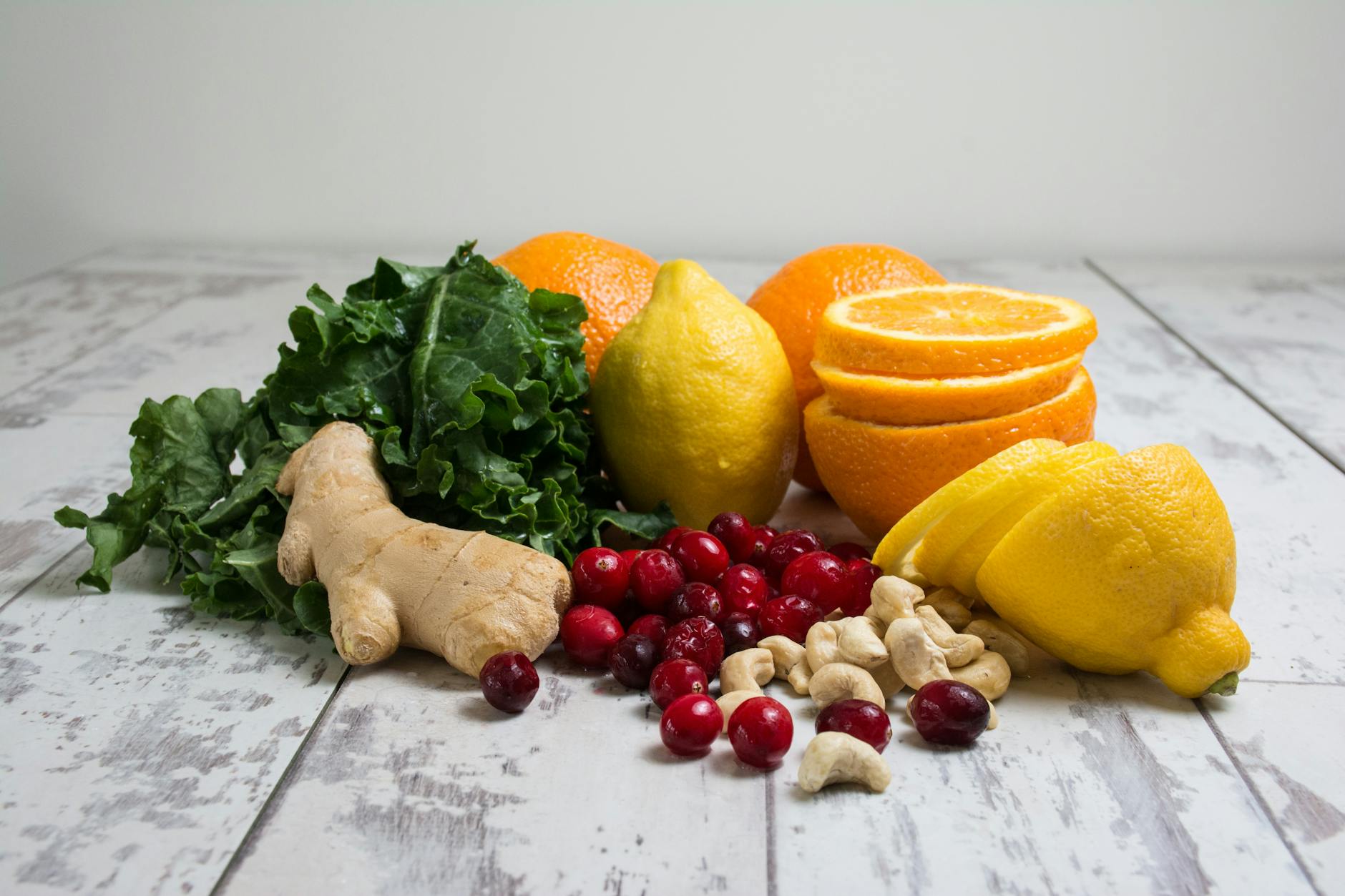
Don't underestimate the power of your spice rack! Turmeric, ginger, garlic, and cinnamon aren't just for flavor. They possess remarkable anti-inflammatory and antioxidant properties. Garlic, for example, contains allicin, which has been shown to have antimicrobial effects. I try to incorporate fresh ginger into my tea daily and add garlic and turmeric to almost every savory dish I cook.
Lifestyle Habits for a Stronger Immune System
While food is a cornerstone, natural immune support extends beyond your plate. Your daily habits play a massive role in how well your immune system can do its job. This is where I really started to see a difference.
The Underrated Power of Sleep
Rest and Repair
This one surprised me. For the longest time, I thought burning the candle at both ends was a badge of honor. Now, I know better. During sleep, your body undergoes essential repair processes, including the production of cytokines, proteins that help fight inflammation and infection. Aim for 7-9 hours of quality sleep per night. If you struggle, create a relaxing bedtime routine. I find a warm bath and a good book work wonders.
Quality Over Quantity
It's not just about the hours you're in bed, but the quality of that sleep. Avoiding screens before bed, keeping your room dark and cool, and establishing a consistent sleep schedule can significantly improve your sleep quality.
Stress Management: Your Immune System's Nemesis
The Cortisol Connection
Chronic stress floods your body with cortisol, a hormone that, in excess, can suppress your immune response. I used to think I could just "power through" stressful periods, but my body paid the price. Finding healthy ways to manage stress is paramount for natural immunity.
Finding Your Calm
This could be anything from meditation and deep breathing exercises to spending time in nature, practicing yoga, or engaging in hobbies you love. Even 10-15 minutes a day dedicated to stress reduction can make a significant impact. For me, a brisk walk in the park is my go-to.
Movement Matters: Gentle Exercise for Robust Immunity
Boosting Circulation
Regular, moderate exercise can improve circulation, allowing immune cells to move through your body more efficiently. It also helps reduce inflammation. Think of it as giving your immune system a gentle workout.
Finding Your Rhythm
This doesn't mean you need to become a marathon runner. Brisk walking, swimming, cycling, or dancing are all excellent options. The key is consistency. I aim for at least 30 minutes of moderate activity most days of the week.

Hydration: The Unseen Lubricant
Water is often overlooked in discussions about immune health, but it's absolutely vital. Our bodies are made up of a significant percentage of water, and it plays a role in nearly every bodily function, including the transport of nutrients to cells and the removal of waste products.
Keeping Things Flowing
Proper hydration ensures that your lymphatic system, a key part of your immune system, can function optimally. It helps carry away toxins and waste products that could otherwise burden your body. When you're dehydrated, everything slows down.
How Much is Enough?
A general guideline is to drink around 8 glasses of water a day, but this can vary based on your activity level, climate, and overall health. Listen to your body; thirst is a clear indicator you need to drink. I keep a reusable water bottle with me everywhere I go.
The Role of Gut Health in Natural Immune Support
This is a concept that has revolutionized my understanding of overall health, and it's deeply intertwined with natural immune support. Your gut is home to trillions of microorganisms, collectively known as the gut microbiome, and a significant portion of your immune system resides there.
A Balanced Gut, A Balanced Immune System
When your gut microbiome is balanced, with a healthy ratio of beneficial to potentially harmful bacteria, it helps regulate your immune response. A healthy gut lining acts as a barrier, preventing harmful substances from entering your bloodstream.
Feeding the Good Guys
To cultivate a healthy gut, focus on consuming probiotic-rich foods like yogurt, kefir, sauerkraut, and kimchi. These foods introduce beneficial bacteria directly into your system. Prebiotic foods, such as garlic, onions, leeks, and bananas, act as food for these good bacteria, helping them thrive.
Natural Remedies for Sniffles and Seasonal Woes
When you do start to feel under the weather, or if you're battling seasonal allergies, there are natural remedies that can offer comfort and support. These aren't meant to replace medical advice but can be wonderful complementary tools.
Herbal Allies
Many herbs have been used for centuries to support the immune system and alleviate symptoms. Echinacea is often taken at the first sign of a cold, while elderberry syrup is popular for its antiviral properties. Peppermint and chamomile can be soothing for a sore throat or upset stomach. I always have a good quality elderberry syrup on hand during flu season.
The Comfort of Warmth
Warm liquids can be incredibly soothing. Herbal teas, broths, and even warm water with lemon and honey can help ease congestion and soothe a sore throat. Honey, in particular, has natural antibacterial properties. Remember, for children under one year old, honey should never be used due to the risk of botulism.
Putting It All Together: A Holistic Approach
True natural immune support isn't about a single magic bullet. It's about adopting a holistic approach that integrates healthy eating, mindful stress management, adequate sleep, regular movement, proper hydration, and attention to gut health. It’s a continuous practice, not a destination. Building a strong immune system takes time and consistency.
Think about the last time you felt truly vibrant and energetic. Chances are, you were consistently practicing many of these habits. It's about making small, sustainable changes that add up over time. You might be wondering if you can really do all of this. Yes, you absolutely can. Start with one area that feels manageable. Perhaps it’s adding more colorful vegetables to your dinner or committing to a 15-minute walk each day.
My journey has taught me that investing in my immune system is one of the most powerful acts of self-care. It's about empowering my body to do what it's designed to do: protect and heal itself. This isn't about avoiding every single germ; that's impossible. It's about building resilience so that when life throws its inevitable challenges our way, we are better equipped to bounce back. It’s a journey of nurturing yourself from the inside out, and the rewards are immeasurable.