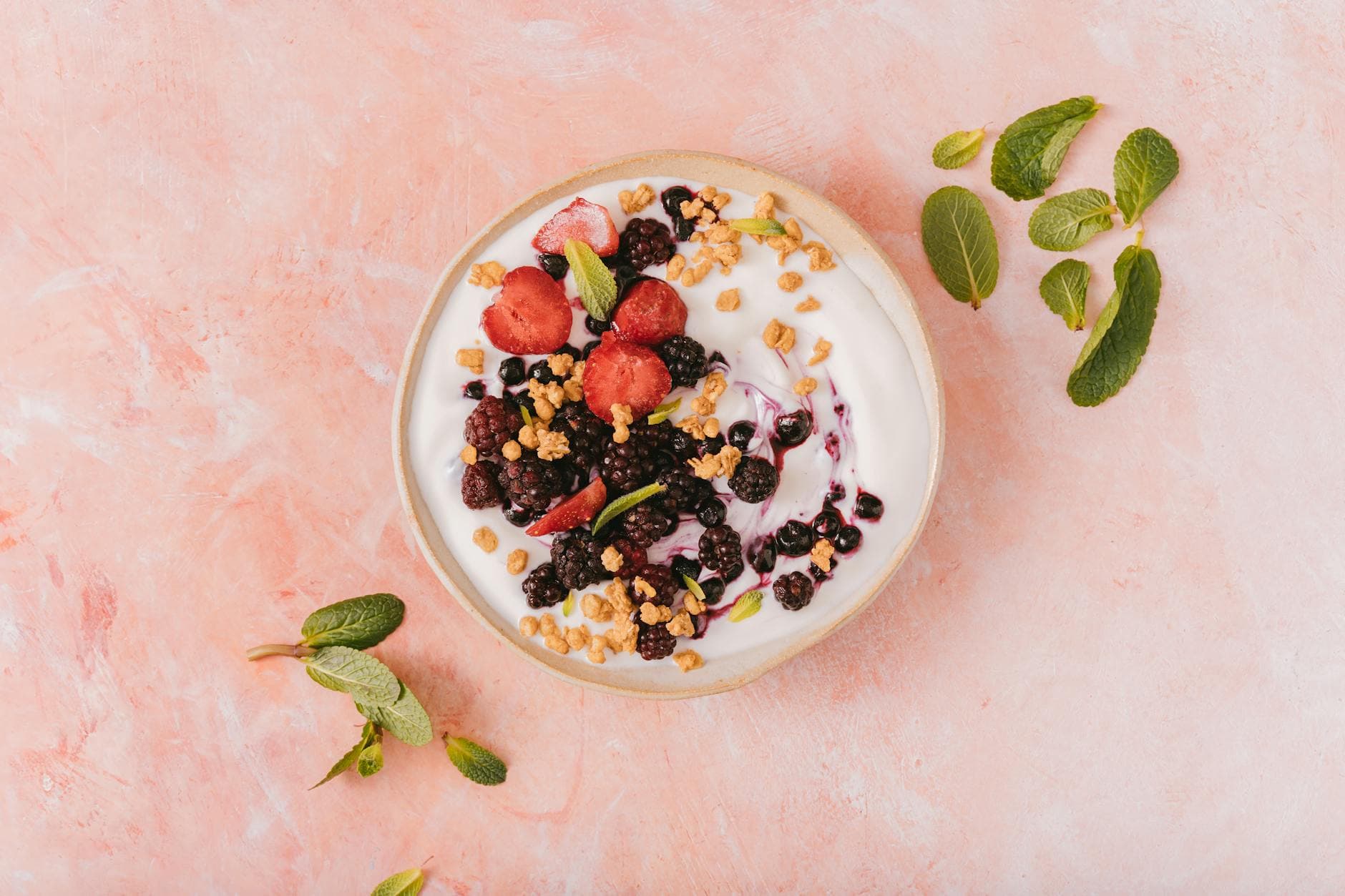
What if you could transform your daily meals into tiny powerhouses of gut-loving goodness, making you feel more energetic, less bloated, and generally more vibrant, just by tweaking what's on your plate? It sounds almost too simple, right? But honestly, it’s not. The secret weapon I’m talking about? Probiotic recipes. It's not about chasing trends; it's about understanding how incredibly important our gut microbiome is and how we can actively nourish it. You’ve probably noticed how some days you just feel *off*, and other days you’re on fire. A big piece of that puzzle lies within your digestive system.
Nourishing Your Inner Ecosystem: The Power of Probiotic Recipes
Look, I've been in the nutrition space for a long time, and I’ll be real with you: the buzz around gut health isn't just hype. It's a fundamental aspect of our overall well-being. Our gut is home to trillions of microorganisms, and when they're happy and balanced, everything else tends to fall into place. That's where incorporating probiotic-rich foods into your diet becomes less of a chore and more of a delicious adventure. These aren't just "healthy" foods; they’re vibrant, living foods that can actively contribute to a thriving gut microbiome.
Why Your Gut Needs Friends
Think of your gut as a bustling city. You want a good mix of residents – the helpful ones that keep things running smoothly. Probiotics are those beneficial bacteria and yeasts. They help with digestion, nutrient absorption, and even play a role in our immune system and mood. When the balance shifts, and the less helpful microbes start taking over, you can experience all sorts of issues, from bloating and gas to more significant health concerns. That’s why focusing on probiotic recipes is such a game-changer for digestive health recipes.
Beyond the Supplement Aisle
Many people automatically think of supplements when they hear "probiotics." And while those can be useful, I truly believe that getting your probiotics from whole, fermented foods is where the magic really happens. These foods offer a complex matrix of nutrients along with the live cultures, making them incredibly bioavailable and effective. It’s about embracing a healthy gut diet that’s both nourishing and enjoyable.
Springing into Gut Health: Seasonal Delights
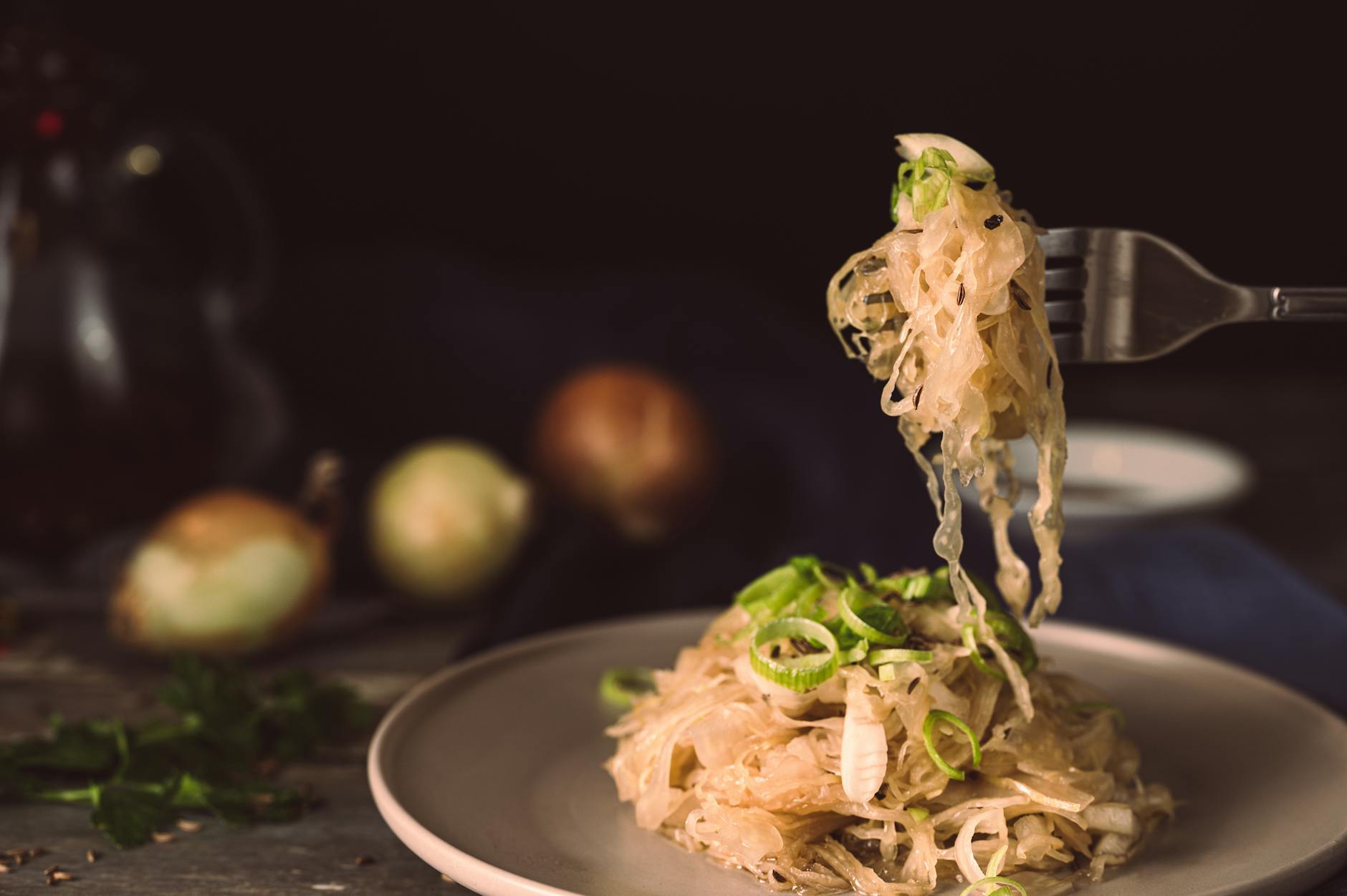
Spring is a perfect time to reset and refresh our bodies, and that includes our gut health. The season offers an abundance of fresh produce that can be incorporated into vibrant, gut-friendly meals. Think about the healthy spring salads bursting with color and flavor. They’re not just light and refreshing; they can be packed with ingredients that support your digestive wellness recipes.
The Freshest Flavors for Your Gut
As the weather warms up, our cravings often shift towards lighter, brighter foods. This aligns beautifully with the availability of seasonal produce. Incorporating ingredients like leafy greens, crisp vegetables, and fresh herbs into your meals can provide prebiotics – the food for your probiotics! It’s a symbiotic relationship, much like the one we aim for within our gut. This is the essence of seasonal gut health.
Seasonal Gut Health Recipes to Try
Imagine a crisp, vibrant salad featuring lightly fermented vegetables like sauerkraut or kimchi as a topping, alongside fresh spring greens, cucumber, and a lemon-tahini dressing. Or perhaps a refreshing smoothie made with kefir, berries, and a touch of ginger. These aren't just meals; they're opportunities to actively nurture your digestive system. You might even be inspired to create your own vegan spring recipes that are teeming with plant-based goodness and fermented elements.
Getting Started with Probiotic Recipes: Simple and Delicious
Here's the thing: you don't need to be a culinary genius to start incorporating probiotic-rich foods into your diet. Many probiotic recipes are incredibly simple and can be integrated into your existing meal plan with minimal effort. It’s about making smart, delicious choices that benefit your gut health.
The Versatile Wonders of Fermented Foods
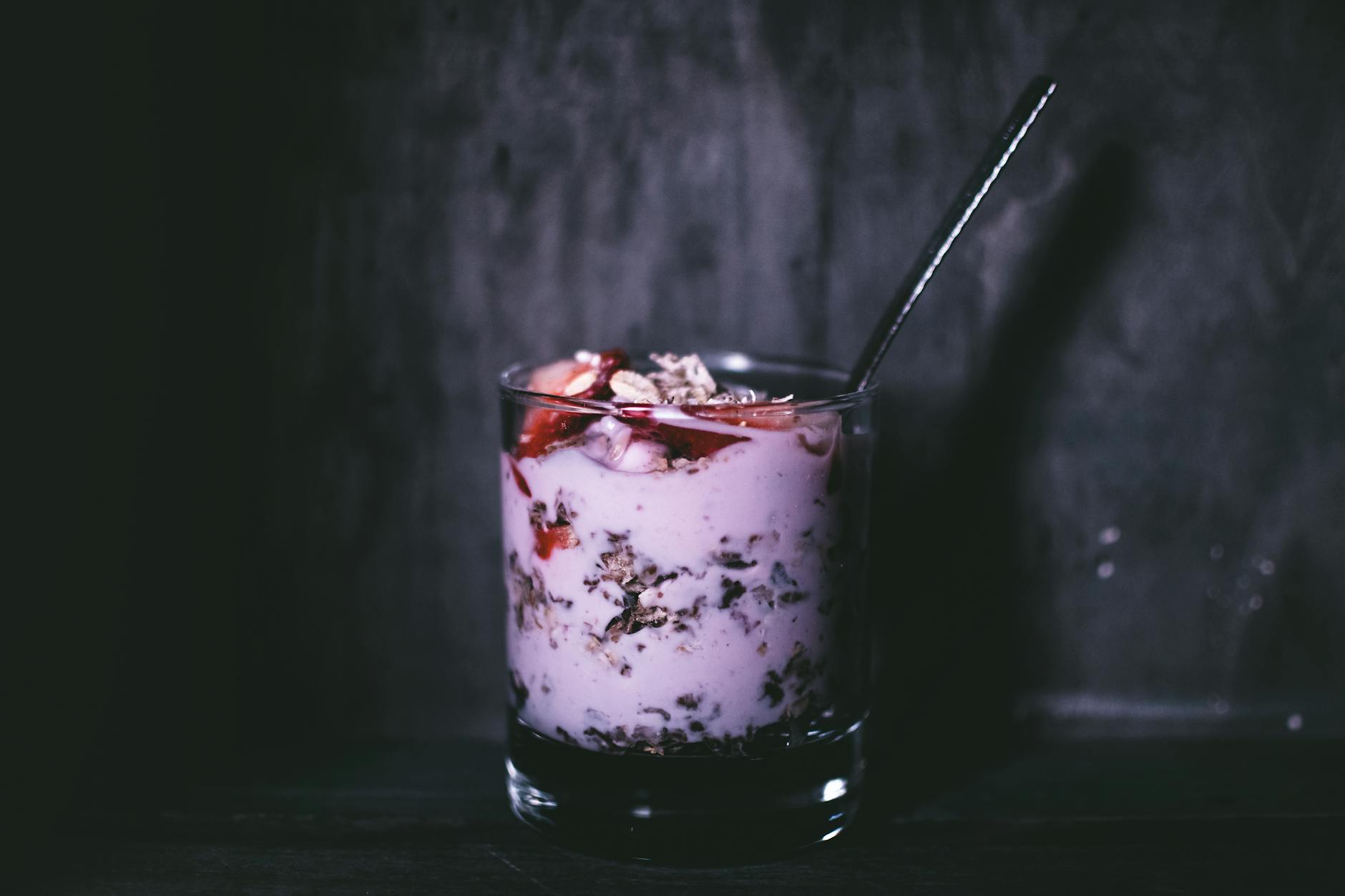
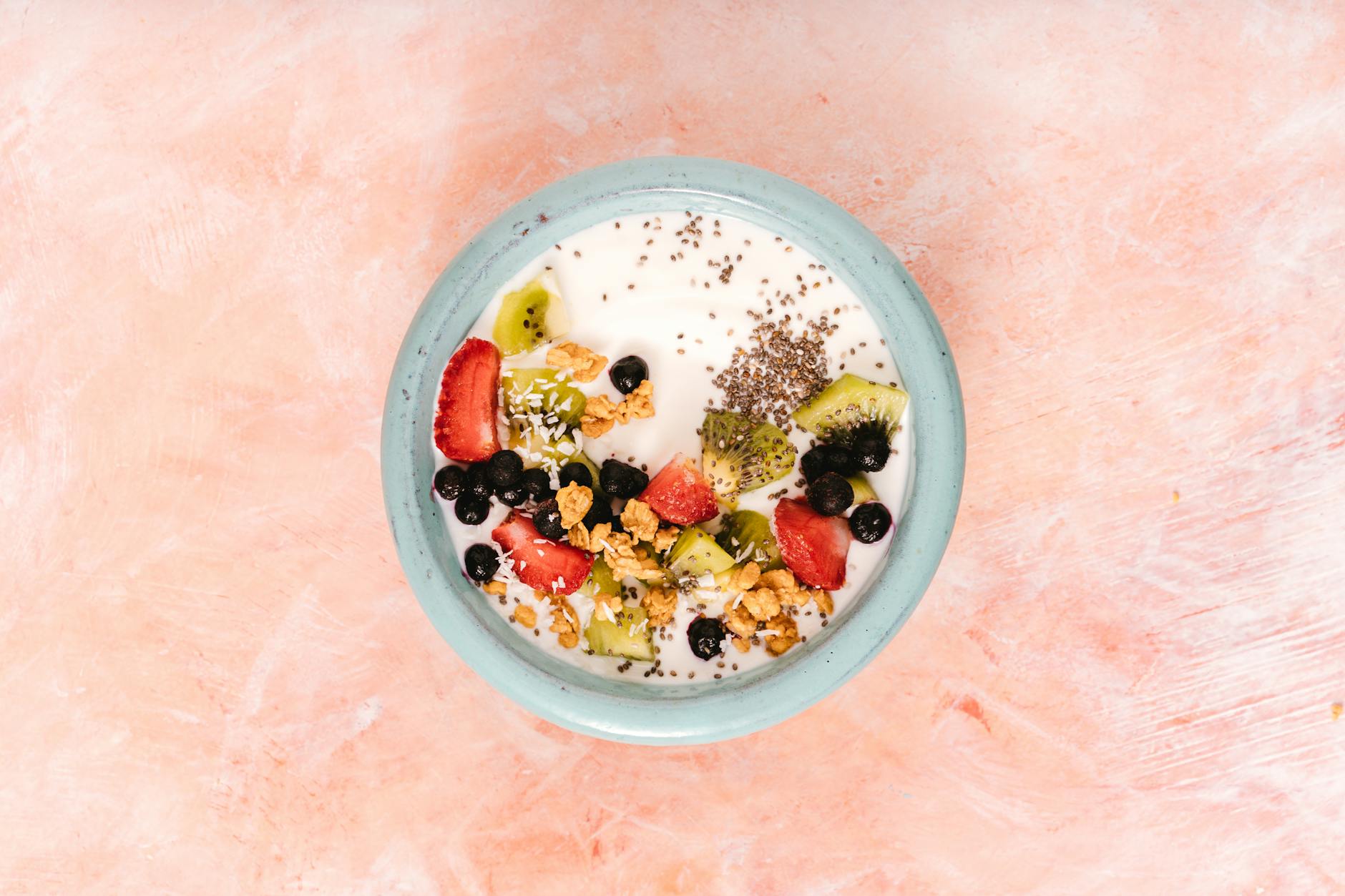
When we talk about probiotic-rich foods, a few stars immediately come to mind. Yogurt with live and active cultures is a classic for a reason. Kefir, a fermented milk drink, is even more potent in its probiotic profile. Then there are the fermented vegetables: sauerkraut, kimchi, and pickles (the kind fermented, not just brined in vinegar). These offer a fantastic crunch and a tangy flavor that can elevate many dishes. Exploring Gut Health Reset: Boost Your Microbiome & Spring Vitality can give you even more ideas for incorporating these foods.
Sauerkraut as a Salad Booster
Don't just relegate sauerkraut to a side dish. I love adding a spoonful of plain, unpasteurized sauerkraut to my salads. It adds a delightful tang and a probiotic punch that’s far more interesting than a standard vinaigrette. You can also mix it into tuna salad or egg salad for a gut-friendly twist. Honestly, the possibilities are surprisingly vast.
Kimchi: More Than Just a Side
Kimchi, with its spicy, fermented goodness, is another powerhouse. While it’s a staple in Korean cuisine, it can be surprisingly versatile in Western dishes. Try adding a small amount to scrambled eggs, topping a grain bowl with it, or even blending a little into a savory smoothie. This one surprised me with how well it pairs with different flavors.
Homemade Probiotics: A Rewarding Endeavor
For those who enjoy a bit of kitchen creativity, making your own fermented foods is incredibly rewarding. It allows you to control the ingredients and tailor the flavors to your liking. Plus, the satisfaction of knowing you've created your own batch of gut-loving goodness is immense. This is where the idea of Raw Food Nutrition: Unlock Health & Vitality Today! really shines, as many fermented foods are enjoyed raw.
Simple Sauerkraut at Home
Making sauerkraut is surprisingly simple. All you need is cabbage, salt, and a jar. Shred the cabbage, massage it with salt until it releases its juices, pack it tightly into a jar, and let it ferment at room temperature for a few weeks. It's a fantastic introduction to homemade probiotics. You can find detailed guides for making National Institutes of Health research on probiotic recipes that often cover these traditional methods.
Kefir Grains for Fermented Drinks
If you're adventurous, you can even start your own kefir grains. These symbiotic cultures of bacteria and yeast can be added to milk to create a nutrient-dense, probiotic-rich drink. It's a continuous process that yields a steady supply of homemade kefir. The National Institutes of Health research on probiotic recipes often highlights the benefits of these traditional fermentation methods.
Beyond the Gut: The Ripple Effect of Probiotic Recipes
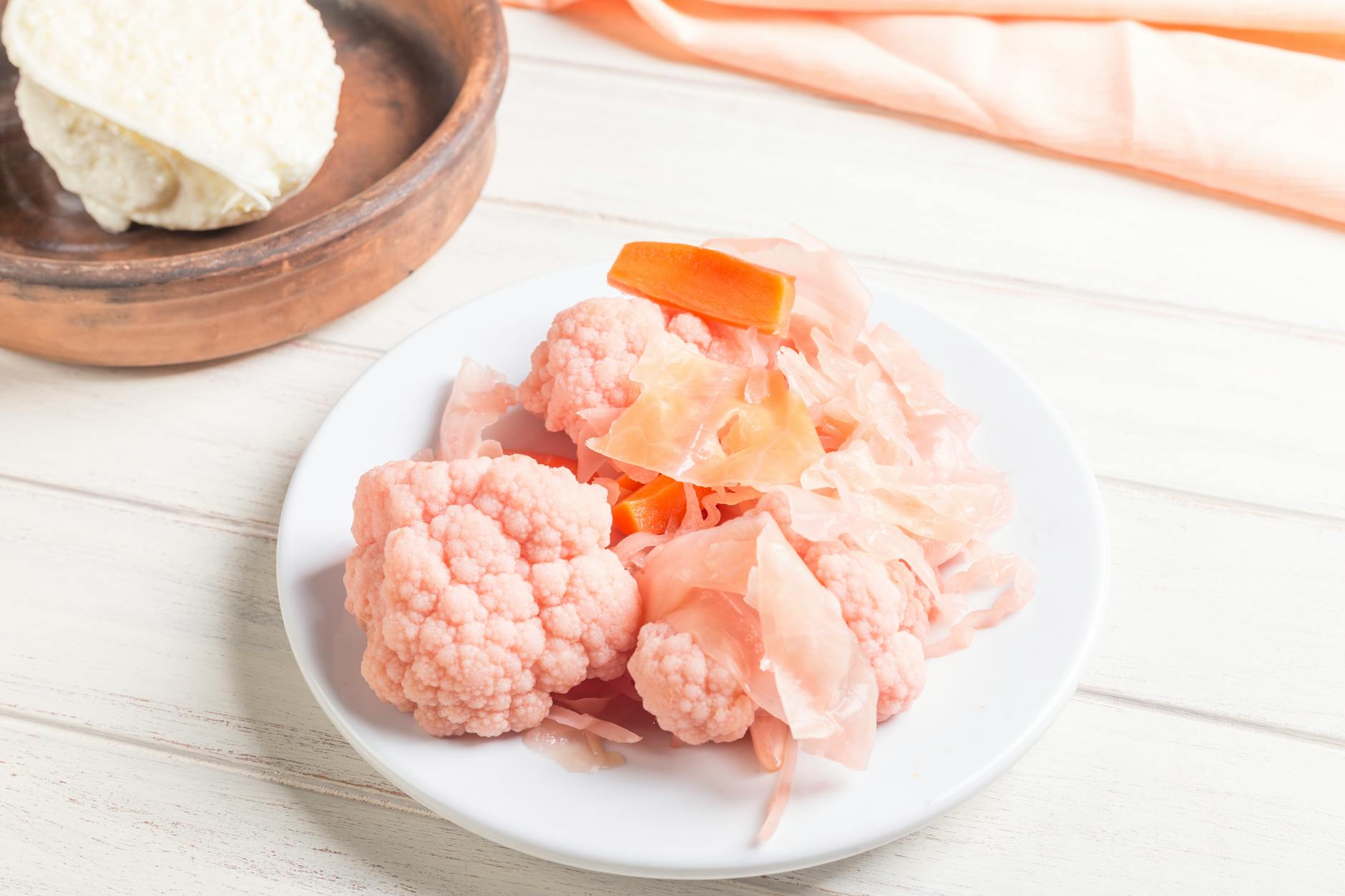
It's easy to focus solely on the digestive benefits when we talk about probiotics, but the impact extends far beyond that. A healthy gut microbiome is intricately linked to numerous other aspects of our health, making these gut health recipes more powerful than you might initially think.
Mood and Mental Clarity
You’ve probably heard of the gut-brain axis. It’s a real thing, and it’s incredibly influential. The microorganisms in your gut communicate with your brain, affecting everything from your mood and stress levels to your cognitive function. Nurturing your gut with probiotic-rich foods can contribute to a more stable mood and sharper mental clarity. Think about the last time you felt sluggish and foggy; a gut reset might be exactly what you needed. This is why focusing on Best Recovery Drink: Top Picks for Faster Muscle Repair can also be important, as overall wellness contributes to gut health.
Immune System Support
A significant portion of your immune system resides in your gut. A balanced microbiome helps to regulate immune responses, making you more resilient to pathogens and less prone to inflammation. Regularly incorporating probiotic-rich foods is like building a stronger army for your body. It’s a proactive approach to staying healthy, especially as we navigate different seasons and potential exposures.
Skin Health and Vitality
It might seem unrelated, but your skin often reflects your internal health. Issues like acne, eczema, and general inflammation can sometimes be linked to an imbalanced gut. By improving your gut health through targeted probiotic recipes, you might find that your skin starts to look clearer and more radiant. It’s another testament to how interconnected our bodies are.
Making Probiotic Recipes a Sustainable Habit
The key to reaping the long-term benefits of probiotic-rich foods is consistency. It’s not about a quick fix; it’s about integrating these nourishing habits into your lifestyle. This is where the idea of a Gut Health Reset: Boost Your Microbiome & Spring Vitality becomes so valuable – it provides a structured way to begin.
Start Small, Stay Consistent
Don't feel overwhelmed by trying to overhaul your entire diet overnight. Pick one or two probiotic-rich foods or recipes to focus on each week. Maybe it's adding a dollop of yogurt to your breakfast or swapping your usual side salad for a small portion of kimchi. Small, consistent changes are far more sustainable than drastic, short-lived ones. This is the foundation of a truly healthy gut diet.
Listen to Your Body
Everyone's gut is unique. As you introduce more probiotic-rich foods, pay attention to how your body responds. Some people might experience mild digestive changes initially as their microbiome adjusts. If you experience discomfort, ease back and gradually reintroduce the foods. Consulting resources like the Mayo Clinic research on probiotic recipes can offer valuable insights and guidance.
Ultimately, embracing probiotic recipes is an act of self-care. It’s about understanding that what you eat has a profound impact on how you feel, both inside and out. By weaving these delicious, gut-loving foods into your daily routine, you’re not just eating; you’re actively contributing to a more vibrant, energetic, and balanced you. It’s a journey worth taking, one delicious bite at a time.