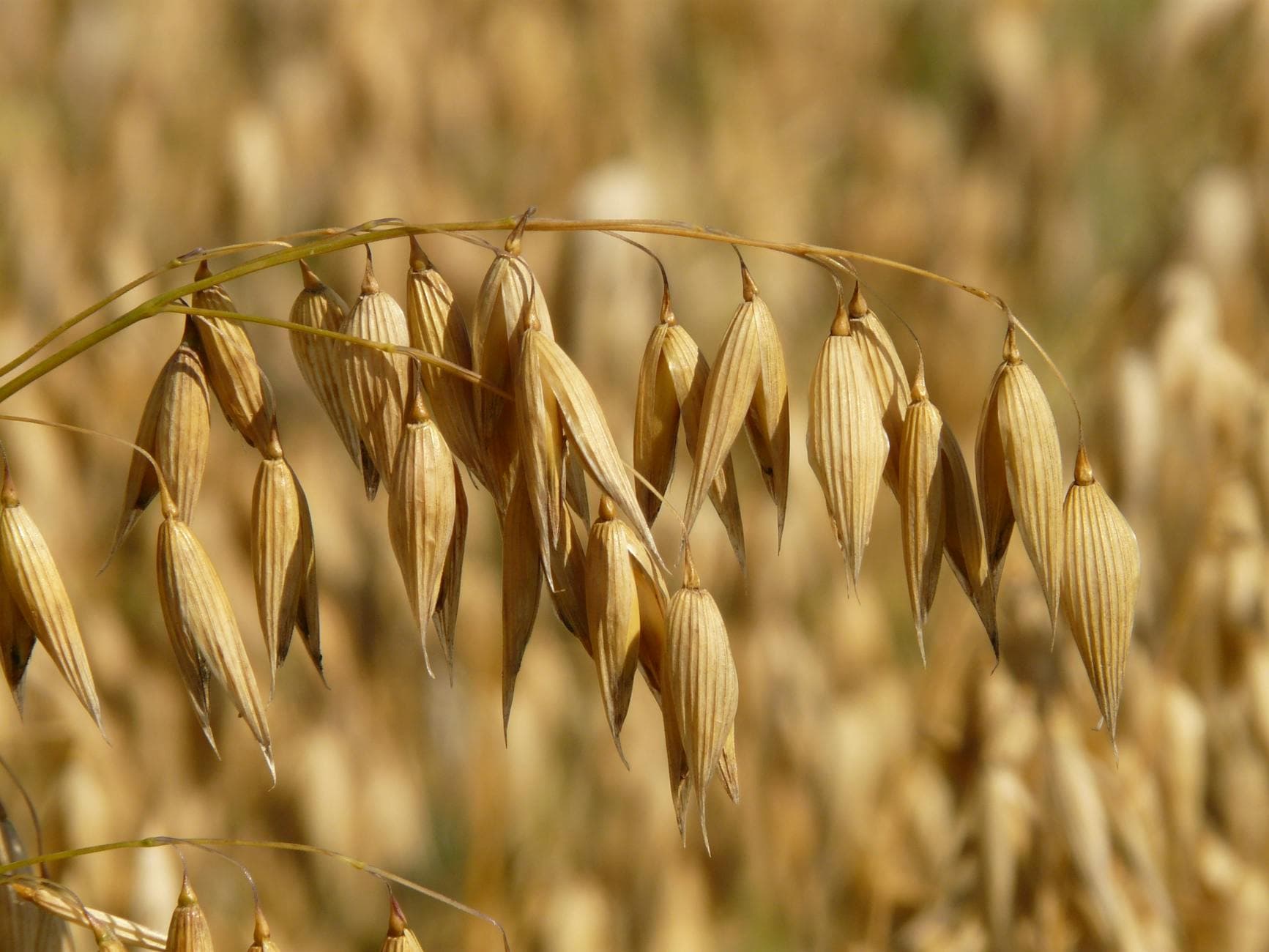
Most people think of oatmeal as bland mush, a diet food to be endured rather than enjoyed. But what if I told you that this humble grain is a nutritional powerhouse, capable of transforming your health from the inside out? The truth about oatmeal benefits is far more exciting and impactful than you might imagine.
The Undeniable Power of Oats
More Than Just Breakfast
For years, I’ve guided countless individuals toward better health, and time and again, I’ve seen the profound positive changes that simple dietary shifts can bring. Oatmeal, in its many glorious forms, is consistently one of the most accessible and effective tools in my arsenal. It’s not just about filling your stomach; it’s about nourishing your body with a wealth of nutrients that support everything from your gut health to your heart.
A Nutritional Snapshot
Let's get down to the nitty-gritty of oatmeal nutrition facts. A typical serving of plain, cooked oatmeal (about 1 cup) is a fantastic source of complex carbohydrates, providing sustained energy release. It’s also remarkably low in calories, making it a smart choice for weight management. But the real magic lies in its micronutrient profile and, most importantly, its fiber content.
Fiber: The Unsung Hero
When we talk about oatmeal benefits, we absolutely have to talk about fiber, specifically beta-glucan. This soluble fiber is a game-changer. It forms a gel-like substance in your digestive tract, which isn't just good for regularity; it plays a crucial role in several key health areas. Honestly, the impact of beta-glucan alone is enough to make me a lifelong advocate for oats.
Oatmeal for Weight Loss: A Surprising Ally
The Satiety Factor
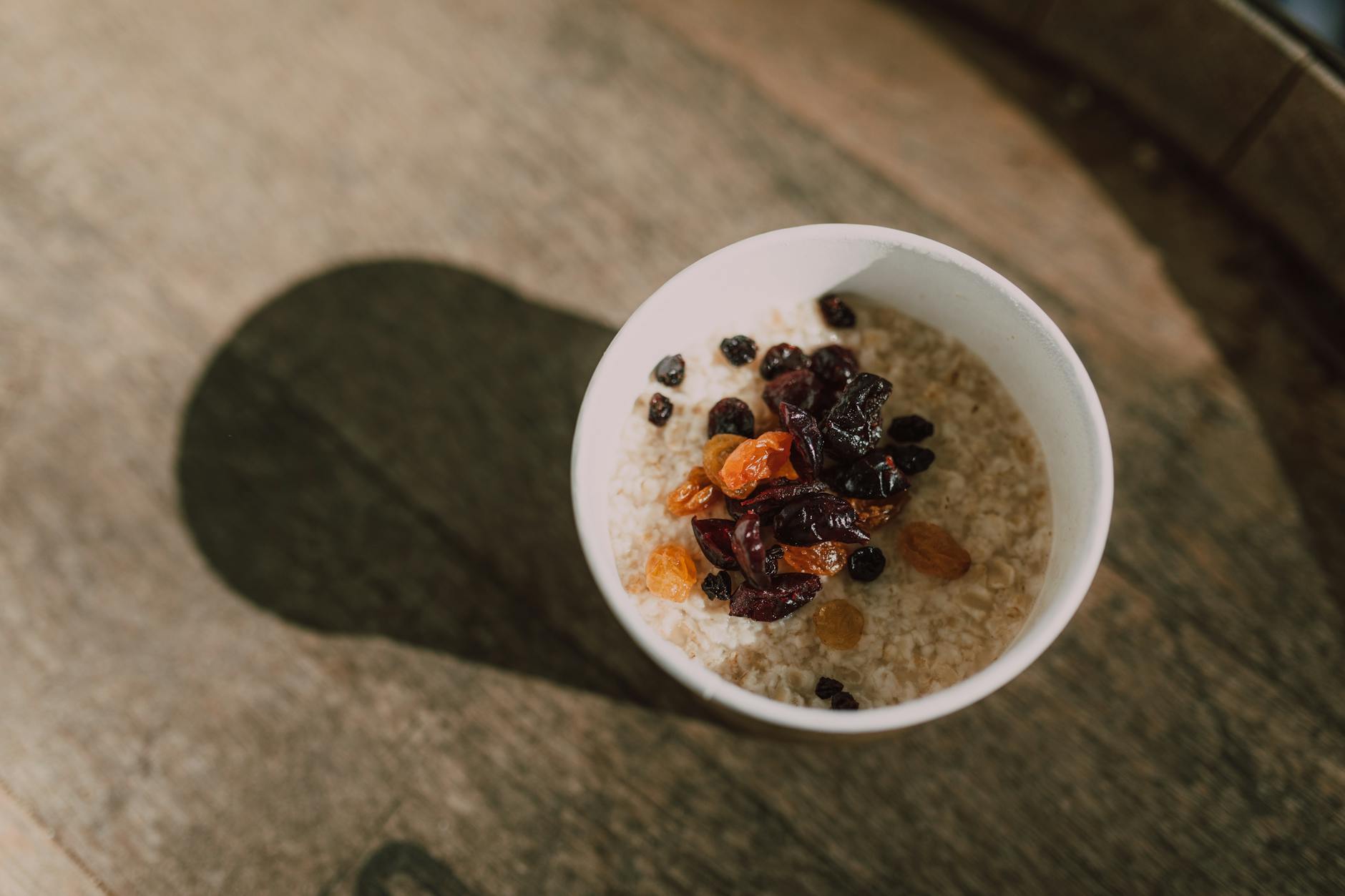
If you're looking at oatmeal for weight loss, you're on the right track. Here's the thing: the high fiber content, especially beta-glucan, is incredibly satiating. This means it helps you feel fuller for longer, significantly reducing the urge to snack on less healthy options between meals. Think about the last time you had a truly satisfying breakfast – did it keep you going until lunch without that nagging hunger? Oatmeal can do that.
Metabolism and Energy
Beyond just keeping hunger at bay, oatmeal provides slow-releasing energy. This steady supply helps prevent those energy crashes that often lead to cravings for sugary, high-calorie foods. By keeping your blood sugar levels more stable, you’re naturally supporting a more efficient metabolism. This is something I’ve seen play out time and again with clients looking to boost metabolism in spring and beyond.
Portion Control is Key
Of course, even the healthiest foods need to be consumed in appropriate portions. While oatmeal is a fantastic base, loading it up with excessive amounts of sugar, syrup, or high-fat toppings can negate some of its benefits. The goal is to create a nutrient-dense meal that supports your weight loss journey, not one that derails it.
Heart Health Champion: Protecting Your Most Vital Organ
Cholesterol Control
One of the most well-documented oatmeal benefits is its positive impact on heart health, specifically its ability to help manage cholesterol levels. The beta-glucan fiber in oats is a superstar here. Studies, including those referenced by Harvard Health research on oatmeal benefits, have shown that consuming soluble fiber can significantly reduce LDL ("bad") cholesterol without affecting HDL ("good") cholesterol.
Lowering Blood Pressure
Beyond cholesterol, research from institutions like the National Institutes of Health research on oatmeal benefits suggests that oats may also play a role in lowering blood pressure. The mechanisms are complex, involving antioxidants and other compounds within the oats, but the outcome is a healthier cardiovascular system.
Reducing Inflammation
Chronic inflammation is a silent killer, contributing to a host of diseases, including heart disease. Oats contain unique antioxidants called avenanthramides, which have potent anti-inflammatory and anti-itching effects. This added layer of protection further solidifies oatmeal's status as a heart-healthy food.
Oatmeal and Blood Sugar Management
The Glycemic Index Advantage
For individuals managing diabetes or looking to prevent it, understanding how foods affect blood sugar is paramount. This is where is oatmeal good for you becomes particularly relevant. Oats have a relatively low glycemic index, meaning they cause a slower, more gradual rise in blood sugar levels compared to refined carbohydrates. This is largely due to their fiber content and the presence of complex carbohydrates.
Preventing Spikes and Crashes
The slow digestion of oatmeal prevents those sharp spikes and subsequent crashes in blood glucose that can leave you feeling fatigued and craving sugar. This consistent energy release is incredibly beneficial for overall well-being and can be a cornerstone of a balanced diet. I've had clients with pre-diabetes see noticeable improvements in their fasting blood sugar just by making oatmeal a regular part of their breakfast routine.
Choosing the Right Oats
It’s important to be mindful of the type of oats you choose. Steel-cut oats and rolled oats are generally better choices than instant oatmeal, which is often processed more heavily and can have a higher glycemic impact. The less processed, the better when it comes to harnessing the full spectrum of oatmeal benefits for blood sugar control.
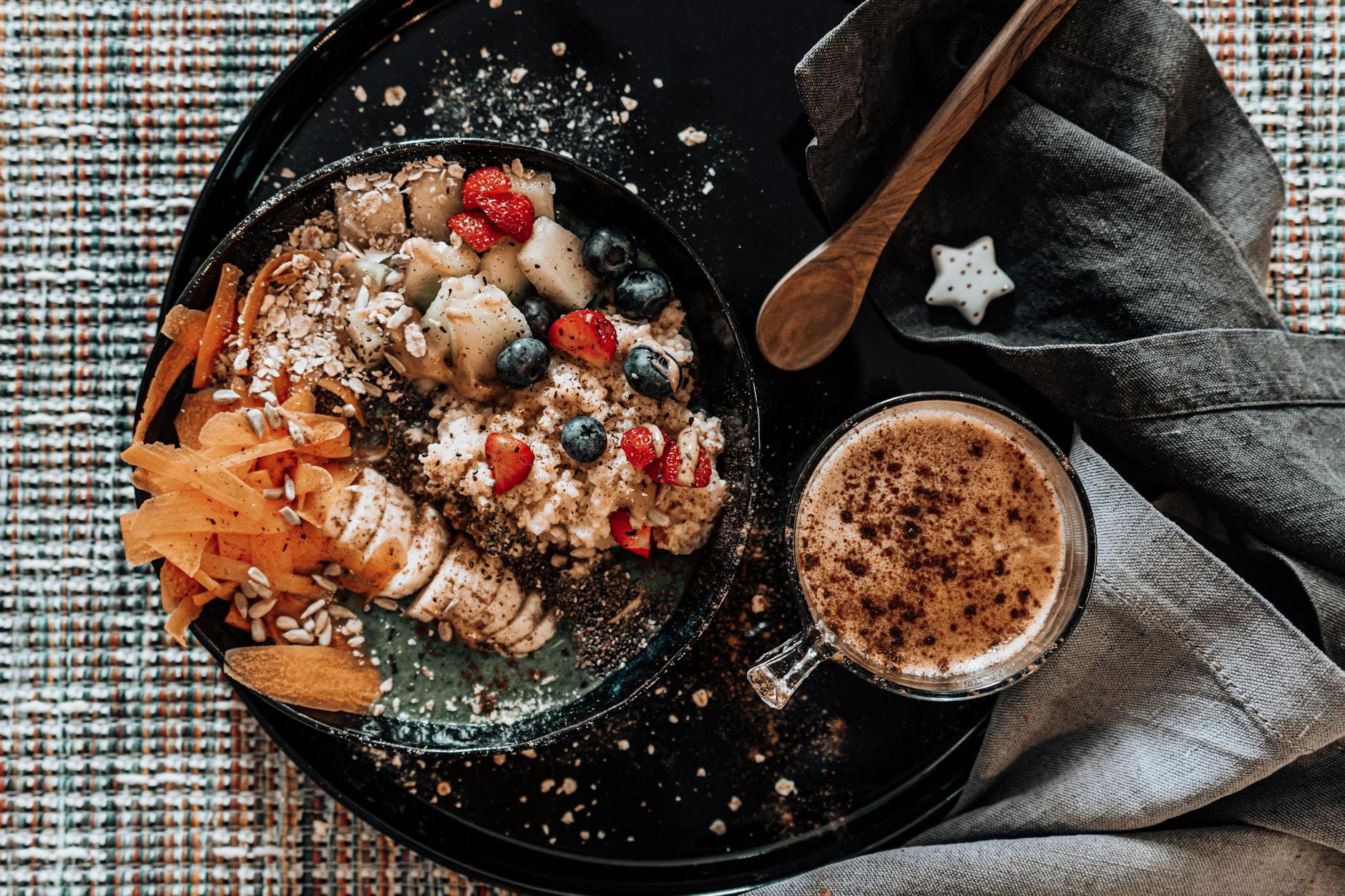
Exploring the Delicious World of Healthy Oatmeal Recipes
Beyond the Basic Bowl
Let's be honest, eating the same plain bowl of oatmeal every day can get monotonous. But the beauty of oats is their versatility! They are a blank canvas for an incredible array of flavors and textures. This is where healthy oatmeal recipes truly shine, proving that nutritious can also be incredibly delicious.
Savory Oats: A Surprising Delight
You might be surprised to learn that oatmeal doesn't have to be sweet. Savory oatmeal is a revelation! Imagine a bowl of creamy oats topped with a poached egg, a sprinkle of chives, a dash of hot sauce, and maybe some sautéed mushrooms or spinach. It’s a complete, satisfying meal that’s packed with protein and fiber, and it’s a fantastic alternative to traditional breakfast fare. This one really surprised me when I first tried it!
Sweet & Savory Combinations
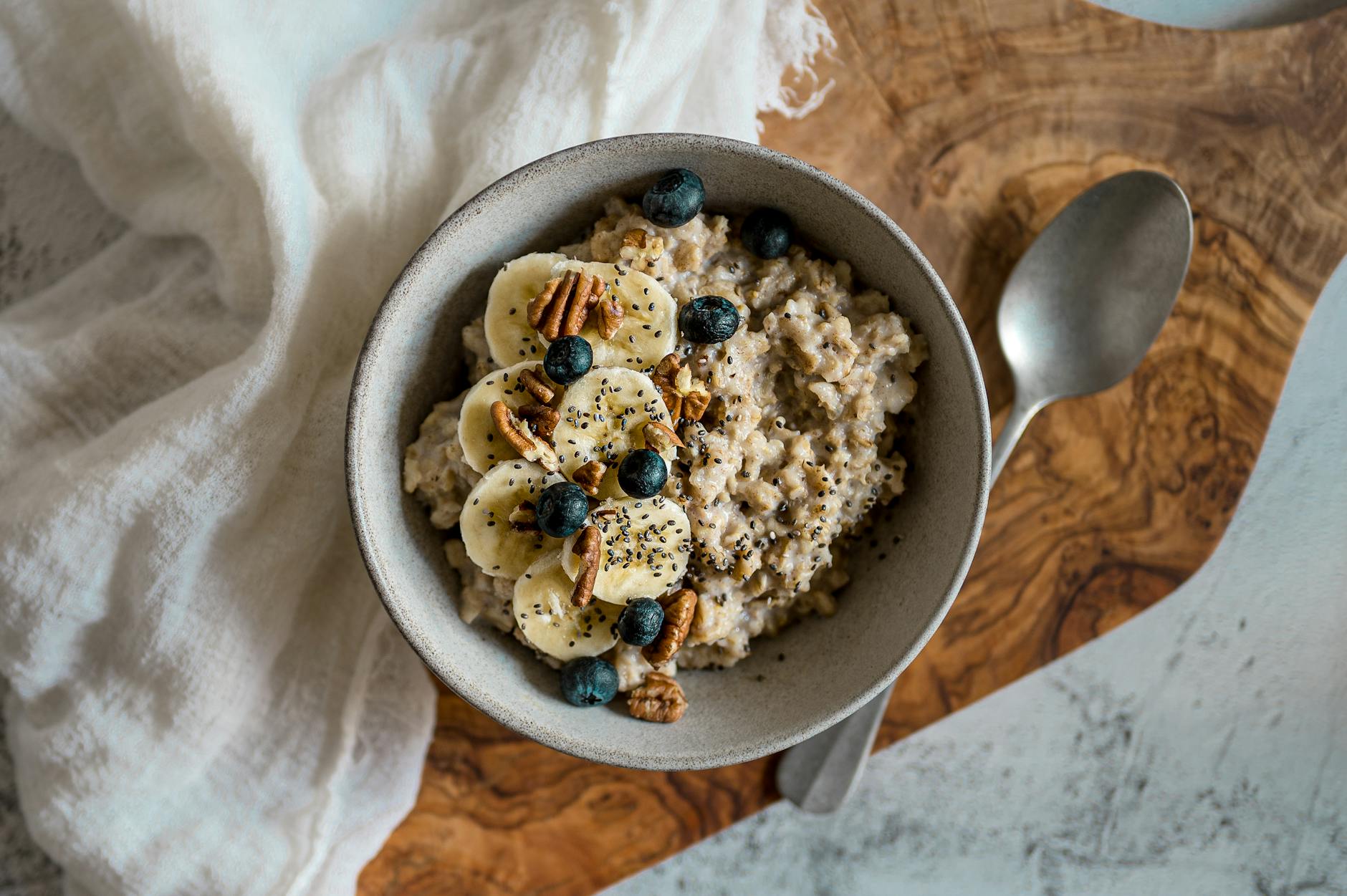
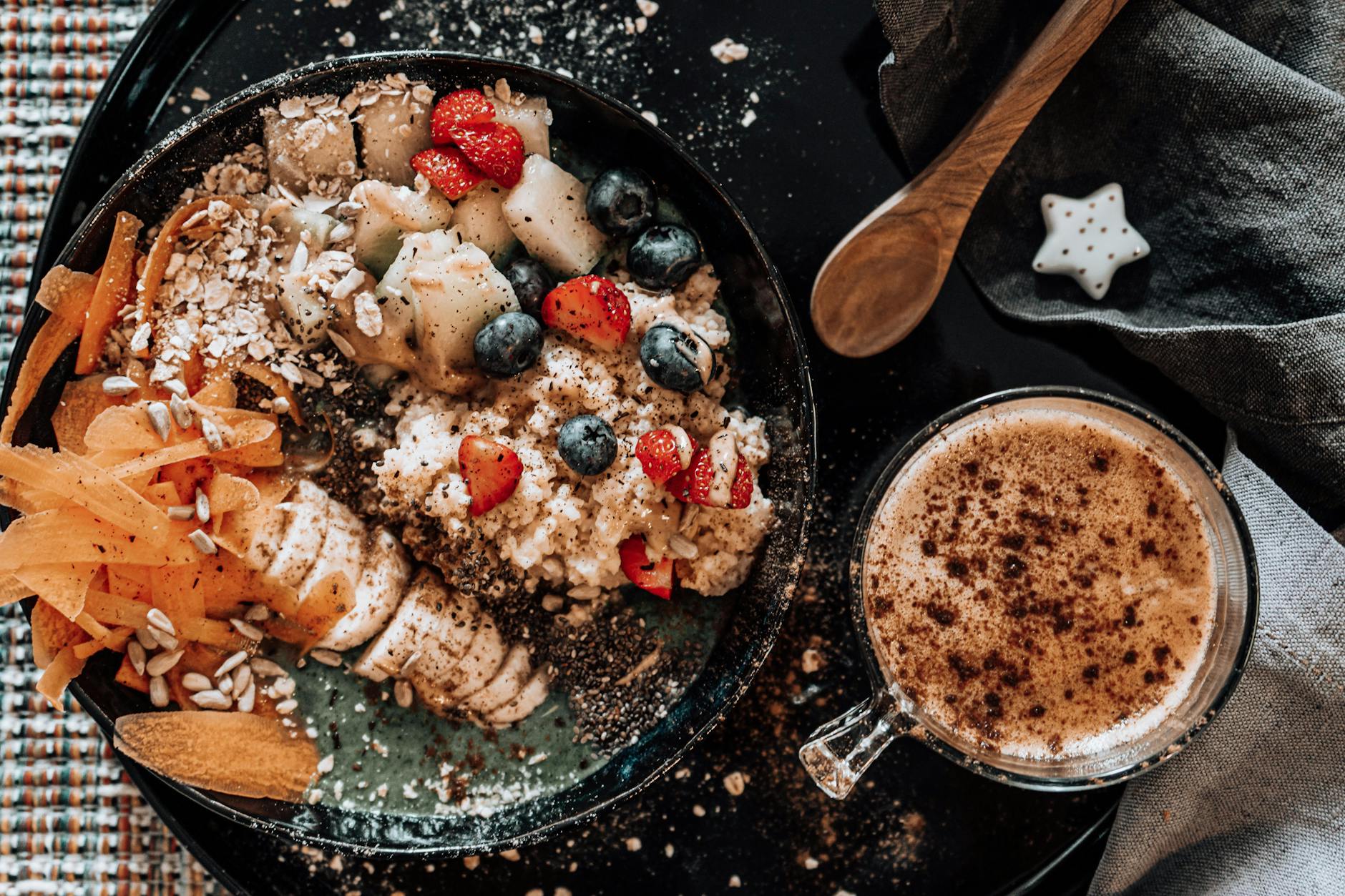
For those who prefer a sweeter start, the possibilities are endless. Think about adding fresh berries for antioxidants, a sprinkle of nuts or seeds for healthy fats and crunch, a dollop of Greek yogurt for extra protein, or a drizzle of honey or maple syrup (in moderation, of course). You can even incorporate spices like cinnamon or nutmeg for warmth and flavor. Overnight oats are another brilliant option for busy mornings; just combine rolled oats with milk or yogurt and your favorite mix-ins in a jar the night before, and wake up to a ready-to-eat, chilled breakfast.
Kid-Friendly Options
Oatmeal can also be a fantastic base for healthy kid meals. You can make oatmeal muffins, pancakes, or even incorporate oats into energy balls. For lunches, you might find inspiration in Healthy Kids Lunches: Easy & Nutritious Ideas, and while oatmeal isn't always a lunch staple, its principles of sustained energy and nutrient density are transferable.
The Different Forms of Oats: Rolled, Steel-Cut, and More
Understanding Your Options
When you look at the oat aisle, you’ll see a few different types, and they each offer slightly different textures and cooking times, impacting their overall nutritional profile and how they affect your body. Knowing the difference can help you choose the best fit for your needs and preferences.
Steel-Cut Oats: The Minimalist's Choice
Steel-cut oats (also known as Irish oats) are the least processed. They are whole oat groats that have been chopped into smaller pieces. They have a chewy texture and take the longest to cook, typically 20-30 minutes. Because they are minimally processed, they have a lower glycemic index and are excellent for sustained energy release.
Rolled Oats: The Versatile Staple
Rolled oats (also called old-fashioned oats) are oat groats that have been steamed and then flattened with rollers. They cook faster than steel-cut oats, usually in 5-10 minutes, and have a softer texture. They still retain a good amount of fiber and nutrients, making them a fantastic all-around choice for everyday eating.
Quick Oats and Instant Oats: Convenience vs. Nutrition
Quick oats are rolled oats that have been cut into smaller pieces, allowing them to cook in just a few minutes. Instant oats are the most processed; they are pre-cooked, dried, and then rolled very thin. While convenient, they have a higher glycemic index and often contain added sugars and flavorings, which can diminish many of the wonderful oatmeal benefits. I’ll be real with you: I generally steer clear of instant oatmeal for daily consumption.
Beyond Breakfast: Integrating Oats into Your Diet
Snack Smart
Who says oatmeal is only for the morning? You can prepare a smaller portion of overnight oats for an afternoon snack to keep energy levels stable and curb cravings. They are also fantastic for packing on the go, especially if you’re looking for something to fuel your activities. Remember how we talked about sustained energy? This applies to snacks too!
Baking and Cooking
Oats are incredibly versatile in the kitchen. They can be added to smoothies for thickness and fiber, used as a binder in veggie burgers or meatballs, or incorporated into baked goods like muffins, cookies, and breads. They add a lovely texture and a nutritional boost to almost anything. Think about adding them to your next batch of Healthy Kid Meals: Easy & Delicious Dinner Recipes if you're looking for ways to sneak in extra goodness.
Nutrient Boost
Even small additions can make a difference. Sprinkling rolled oats onto yogurt, using them as a topping for fruit crumbles, or even grinding them into a flour for thickening sauces can subtly increase your daily fiber and nutrient intake. It’s about finding simple ways to incorporate these powerful grains into your life, much like focusing on nutrient-dense options for natural immune support.
So, there you have it. Oatmeal is far more than just a bland breakfast staple. It’s a remarkably versatile, nutrient-dense food that offers a cascade of health benefits, from supporting your heart and managing your blood sugar to aiding in weight loss and providing sustained energy. Don't let misconceptions about its taste or preparation keep you from unlocking its incredible potential. Embrace the humble oat, experiment with different recipes, and feel the difference it can make in your overall well-being. Your body will thank you for it.