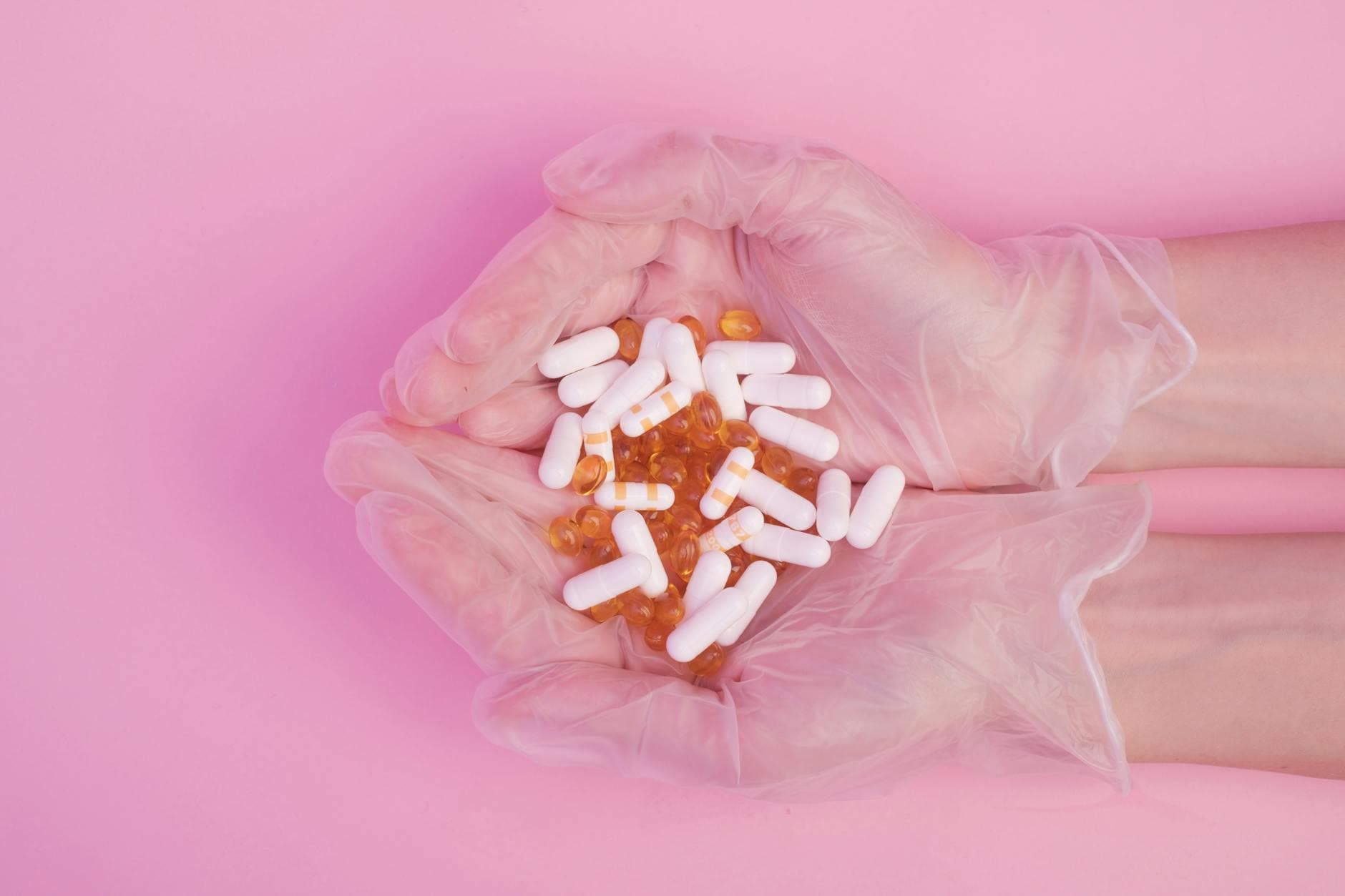
I remember a time, not so long ago, when my stomach felt like a perpetual battlefield. Bloating, discomfort, that general "blah" feeling that just wouldn't budge – I tried everything from cutting out gluten to drinking more water. Then, a friend, a total health nut, leaned in conspiratorially and whispered about something called probiotics. Honestly? I was skeptical. More pills? More supplements? But the persistent discomfort pushed me to explore, and what I discovered about probiotics benefits has genuinely changed how I approach my well-being.
Unlocking the Power of Your Gut: What Are Probiotics?
So, what exactly are these tiny heroes we're talking about? When you look at the science, World Health Organization research on probiotics benefits defines them as "live microorganisms that, when administered in adequate amounts, confer a health benefit on the host." Think of them as the friendly, beneficial bacteria and yeasts that call your gut home. They're not just passive residents; they're active participants in keeping your internal ecosystem humming along smoothly.
The Gut-Brain Connection: More Than Just Digestion
We often hear about gut health and digestion, and that's a huge part of it, but it goes so much deeper. Your gut is often called your "second brain" for a reason. It’s teeming with trillions of microbes, collectively known as the gut microbiome, and the balance between the good guys (probiotics) and the bad guys is crucial. When this balance is off, it can ripple outwards, affecting everything from your mood to your immune system.
How Do Probiotics Work Their Magic?
Here's the thing: these little guys don't just hang out. They actively work to restore balance. They can compete with harmful bacteria for space and nutrients, produce substances that inhibit the growth of pathogens, and even strengthen your gut lining. This improved gut barrier function is key to preventing "leaky gut," where undigested food particles and toxins can enter your bloodstream, triggering inflammation.
The Astonishing Probiotics Benefits You Need to Know
This is where it gets really exciting. The range of probiotics benefits is nothing short of incredible. It’s not just about feeling less bloated; it’s about a holistic improvement in your body’s functioning. I'll be real with you, some of these surprised me!
Digestive Harmony: The Classic Probiotic Win
This is probably the most well-known benefit. If you struggle with irritable bowel syndrome (IBS), constipation, diarrhea, or general digestive upset, probiotics can be a game-changer. Specific strains have been shown to alleviate symptoms like abdominal pain, bloating, and irregular bowel movements. For instance, certain strains like Lactobacillus rhamnosus GG have robust evidence supporting their use in managing antibiotic-associated diarrhea, a common and unpleasant side effect of taking antibiotics.
Boosting Your Immune System: Your Gut's Defense Force
Did you know that a significant portion of your immune system resides in your gut? Probiotics can help modulate immune responses, making you less susceptible to infections. They can encourage the production of antibodies and enhance the activity of immune cells. Think of them as training your immune system to be more effective and less reactive to harmless substances.
Mental Well-being: The Surprising Link to Mood
This one truly blew my mind. The gut-brain axis is a powerful bidirectional communication network. Emerging research suggests that the composition of your gut microbiome can influence your mood, anxiety levels, and even cognitive function. Certain probiotic strains are being studied for their potential to help manage symptoms of depression and anxiety. It makes you think, doesn't it? That feeling of a "gut feeling" might be more literal than we ever imagined.
Probiotics for Weight Loss: A Potential Ally
While not a magic bullet, some studies suggest that certain probiotics might play a role in weight management. They can influence appetite hormones, reduce fat absorption, and even alter how your body stores fat. It's a complex area, and more research is needed, but the potential is certainly there for those looking to support their weight loss journey. It’s about creating a more efficient internal environment.
Finding the Best Probiotics: A Guide for Beginners
Navigating the world of probiotic supplements can feel overwhelming. With so many products on the shelves, how do you choose the best probiotics? It’s not a one-size-fits-all situation, and understanding a few key things can make all the difference.
What to Look for in Probiotic Supplements
When you’re shopping for probiotic supplements, pay close attention to the label. You want to see the specific strains listed (e.g., Lactobacillus acidophilus, Bifidobacterium lactis). Different strains have different benefits. Also, check the Colony Forming Units (CFUs) – this indicates the number of live microorganisms. Higher isn't always better; it depends on the specific strain and its intended use. Look for reputable brands that guarantee potency through the expiration date.
Probiotic Foods: Nature's Own Pharmacy
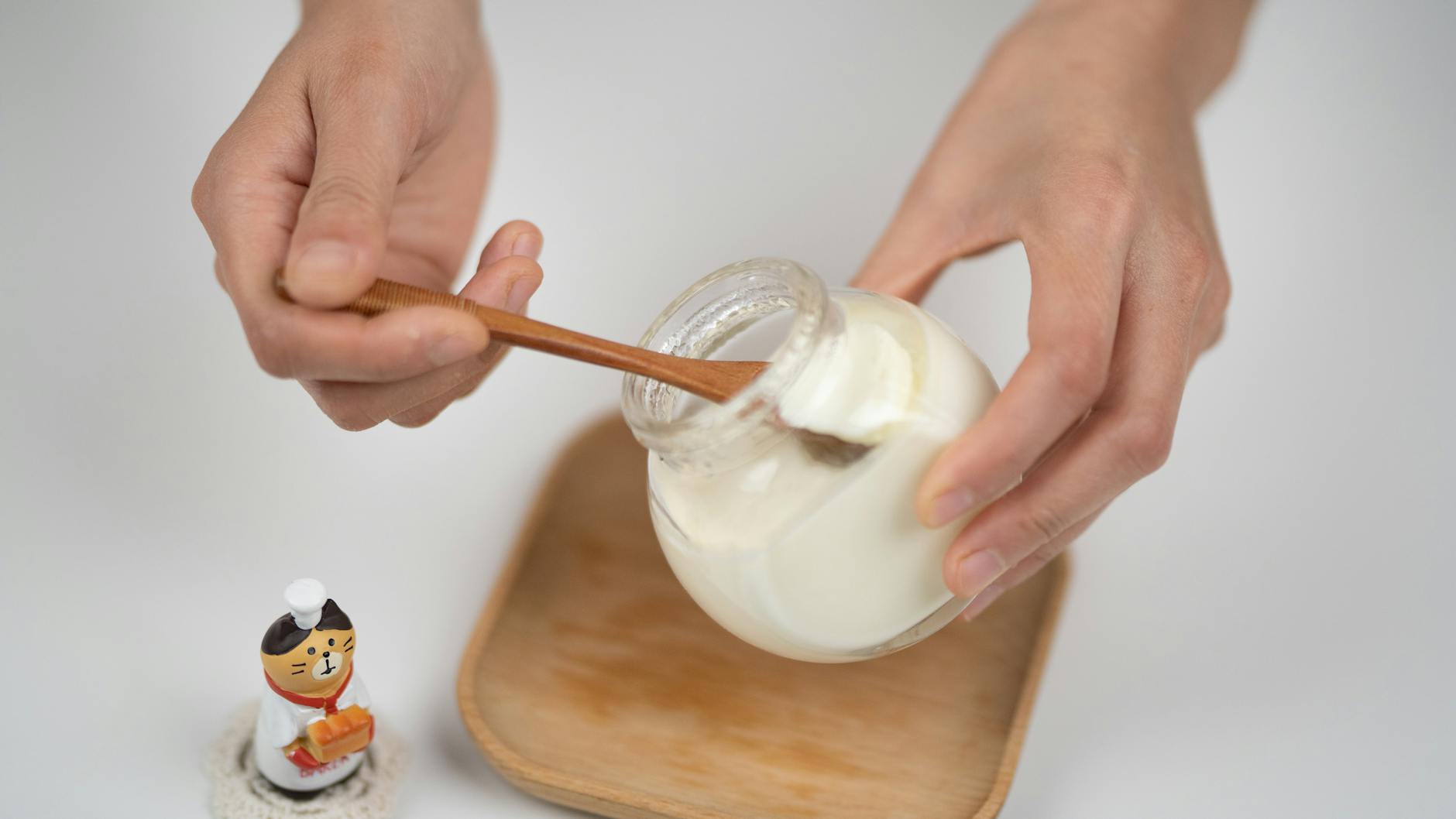
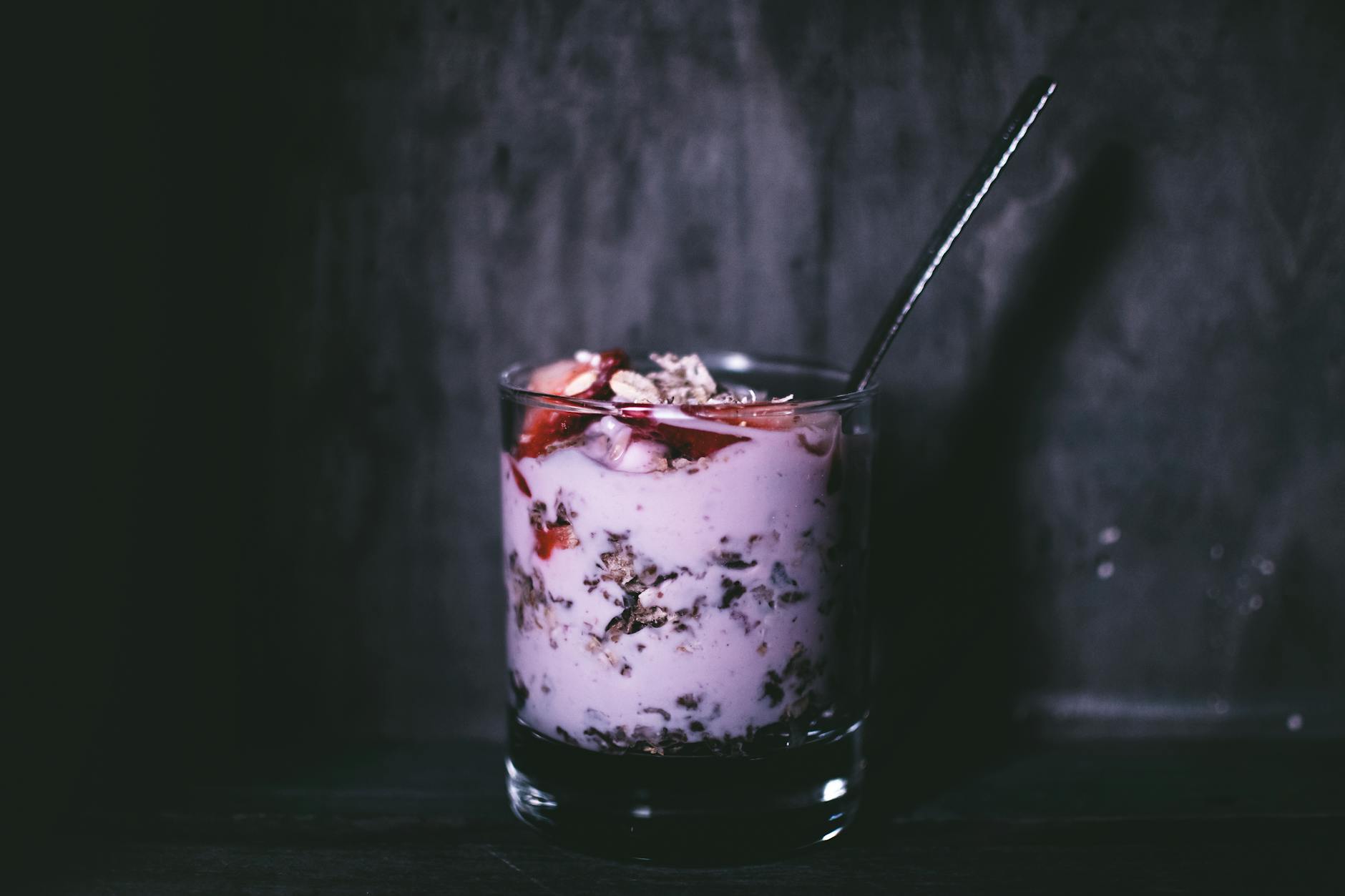
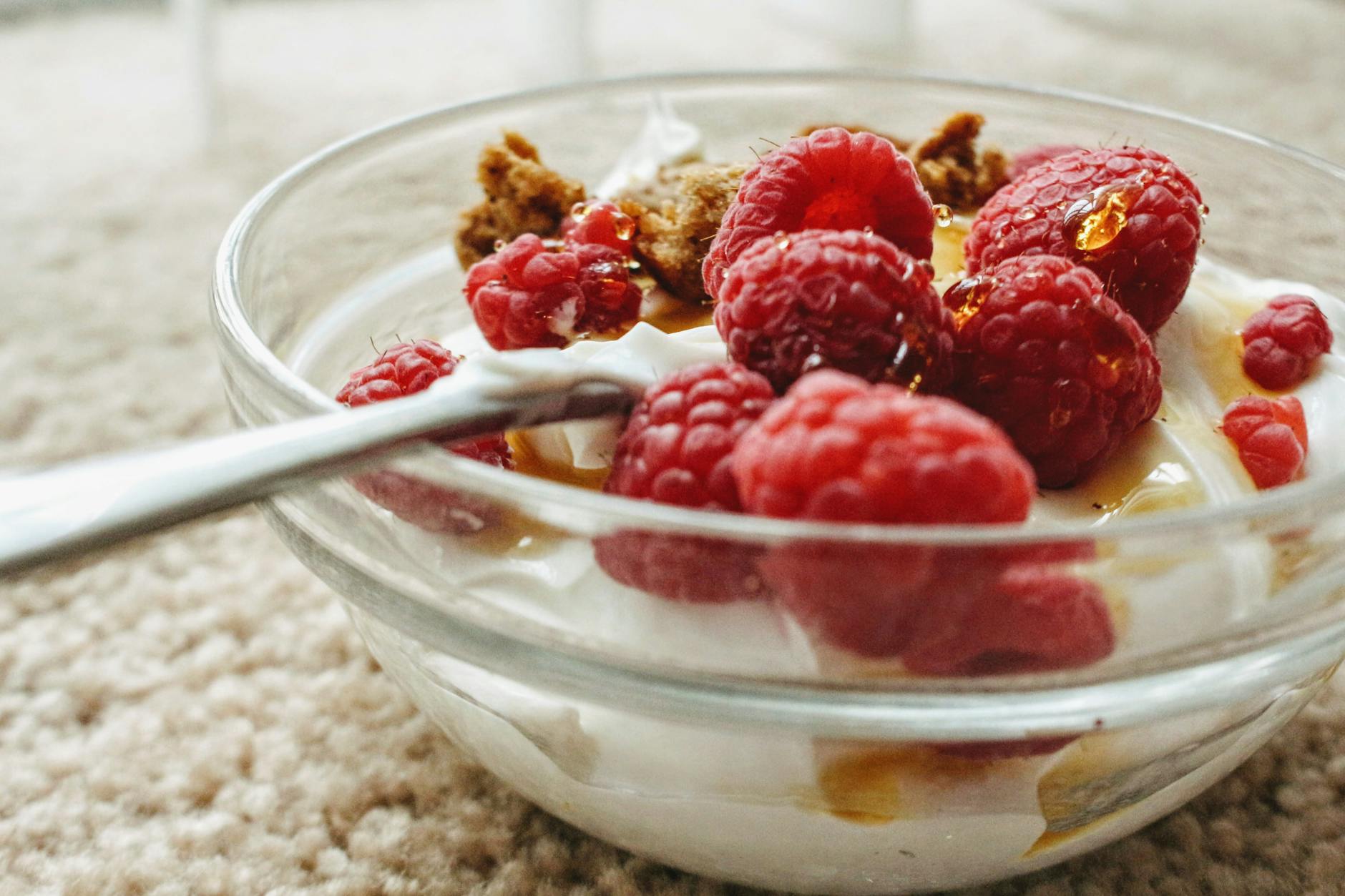
Before you even reach for a supplement, remember that nature offers incredible sources of probiotics! Incorporating probiotic foods into your diet is a delicious and effective way to boost your gut health. Think of fermented delights like yogurt with live and active cultures, kefir, sauerkraut, kimchi, tempeh, and miso. These foods not only provide beneficial bacteria but also a host of other nutrients. A great way to start is by adding a serving of yogurt or a spoonful of sauerkraut to your daily meals. You can find some fantastic recipes in my article on Probiotic Rich Foods for a Spring Gut Reset.
Prebiotics vs. Probiotics: Understanding the Duo
It’s easy to confuse prebiotics and probiotics, but they’re distinct, though complementary. Probiotics are the live beneficial bacteria. Prebiotics, on the other hand, are the non-digestible fibers that act as food for these beneficial bacteria. Think of probiotics as the seeds and prebiotics as the fertilizer. Combining them creates a synergistic effect, often referred to as synbiotics. Foods rich in prebiotic fiber include onions, garlic, leeks, asparagus, and bananas. You can learn more about these essential fibers in my guide to High Fiber Foods: Boost Your Health & Digestion.
The Truth About Probiotic Side Effects and When to Be Cautious
Here's the truth: while generally safe, probiotics aren't entirely without potential side effects. For most healthy individuals, these are mild and temporary. However, it's important to be aware.
Common, Mild Side Effects
When you first start taking probiotics, you might experience some gas, bloating, or mild digestive discomfort. This is often your gut adjusting to the influx of new bacteria. It usually subsides within a few days to a week. Starting with a lower dose and gradually increasing it can help minimize these initial reactions. Staying hydrated and ensuring you're also consuming enough fiber can further support this transition.
When to Consult a Healthcare Professional
While rare, more serious side effects can occur, particularly in individuals with compromised immune systems or serious underlying health conditions. If you have a severe illness, are undergoing surgery, or have a condition that affects your immune system, it's absolutely crucial to speak with your doctor before starting any probiotic regimen. They can assess your individual needs and advise on the safest and most effective approach. The Mayo Clinic research on probiotics benefits often highlights these important considerations.
Understanding Different Types of Probiotics
The world of probiotics is vast, with thousands of different strains belonging to various species. The most common are from the Lactobacillus and Bifidobacterium genera. However, yeasts like Saccharomyces boulardii also function as probiotics and are particularly useful for certain types of diarrhea. Each strain has unique properties and targets different health outcomes. For example, Lactobacillus gasseri has been studied for its potential role in supporting weight management, while Bifidobacterium infantis is often recommended for IBS symptoms.
Making Probiotics a Sustainable Part of Your Lifestyle
Integrating probiotics into your life doesn't have to be complicated. It’s about making conscious choices that support your gut microbiome long-term.
Consistency is Key
Like any healthy habit, consistency is paramount when it comes to probiotics. Whether you're opting for supplements or probiotic-rich foods, making them a regular part of your diet will yield the best results. Think of it as tending to your internal garden; regular watering and care lead to a flourishing ecosystem.
Listen to Your Body
Your body will tell you what it needs. Pay attention to how you feel after introducing new probiotic sources. If something isn't agreeing with you, don't force it. Experiment with different strains or types of probiotic foods to find what works best for your unique physiology. What works wonders for one person might not be ideal for another. It's a journey of discovery.
Beyond Probiotics: A Holistic Approach
While focusing on probiotics is fantastic, remember they are just one piece of the puzzle. A balanced diet rich in fiber (High Fiber Foods: Boost Your Health & Digestion), adequate hydration, stress management, and regular exercise all contribute significantly to gut health. Even seemingly unrelated choices, like what you eat for breakfast, can have an impact. For instance, while not a health food, knowing the best choices at places like Healthy McDonald's Breakfast: Best Choices & Tips can help you make more informed decisions on the go.
The journey into understanding the profound probiotics benefits has been eye-opening. It’s a reminder that our bodies are intricate ecosystems, and nurturing our gut microbiome is one of the most powerful investments we can make in our overall health and vitality. So, go ahead, explore the world of probiotics, and let your gut lead the way to a healthier, happier you.