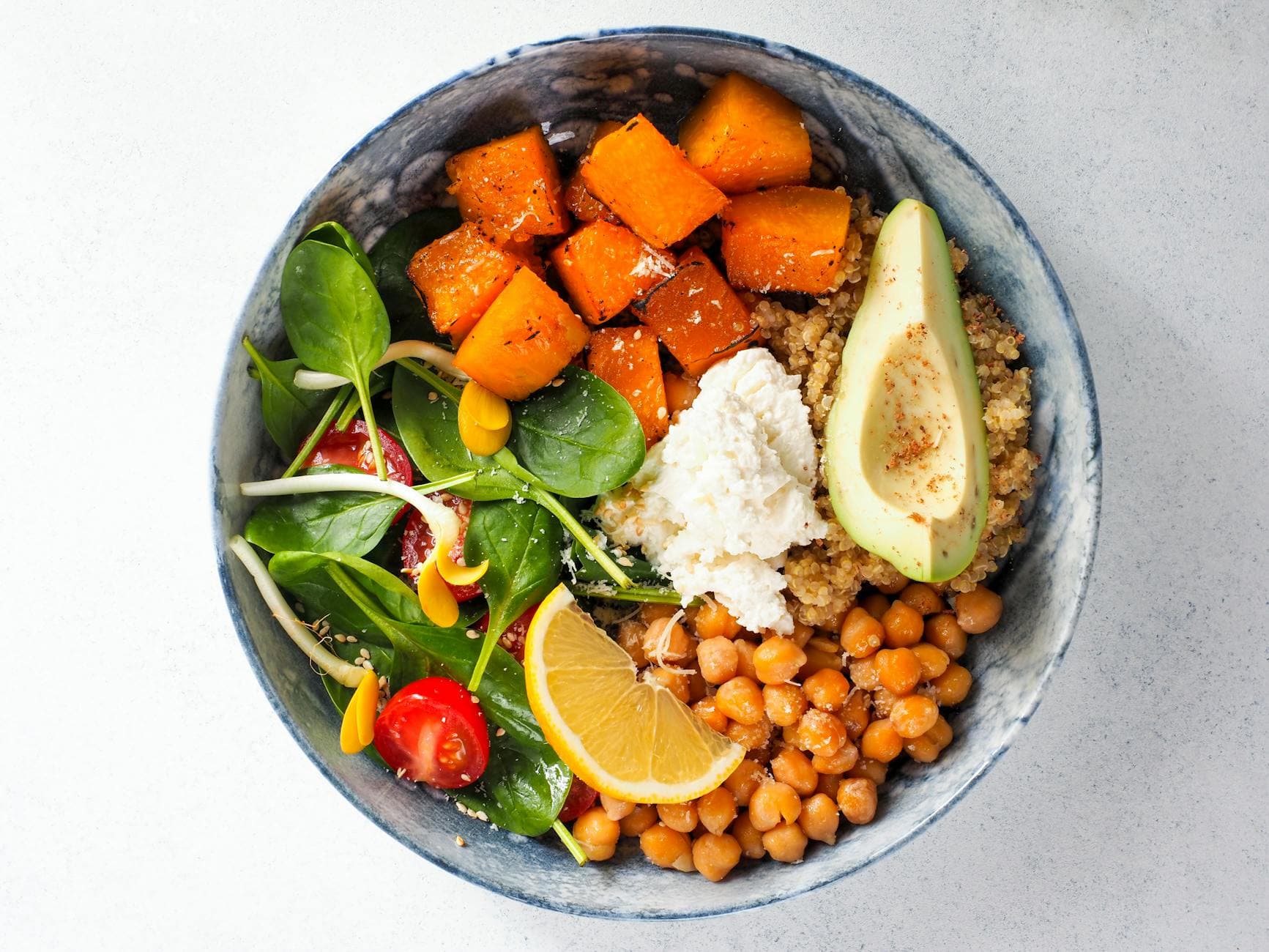
The relentless tickle in your throat, the watery eyes that blur your vision, the constant sniffles that make every conversation a challenge – I know it well. There was a time, not so long ago, when spring meant dread for me, not delight. The vibrant blossoms blooming outside my window were a cruel mockery of the misery they brought. I remember one particularly rough April, stuck indoors with tissues piled high, feeling utterly defeated. That’s when I started truly digging, not just for symptom management, but for the root cause. I learned that what we eat can profoundly impact our body's response to allergens, and the concept of an **allergy relief diet** became my obsession.
Understanding the Allergy-Immune Connection
It’s easy to think of allergies as a simple reaction to pollen or dust. But honestly, it’s a complex dance between your immune system and the environment. When your body encounters a perceived threat, like pollen, it releases histamines, and those histamines cause all those annoying symptoms you know all too well. The goal of an allergy relief diet isn't to eliminate allergens entirely – that’s often impossible – but to support your immune system and calm down that overzealous response.
The Role of Inflammation
Think of your body like a finely tuned engine. When it’s constantly battling inflammation, it's more likely to overreact to things that aren't actually harmful. An anti-inflammatory diet is foundational to managing allergies. We want to reduce the overall inflammatory load so your immune system can focus on real threats, not just a bit of pollen.
Histamine: Friend and Foe
Histamines are crucial for many bodily functions, but when they’re overproduced or not broken down efficiently, they become the culprits behind your allergy woes. Some foods can naturally increase histamine levels or block the enzymes that break them down. Understanding histamine intolerance foods is key for some people.
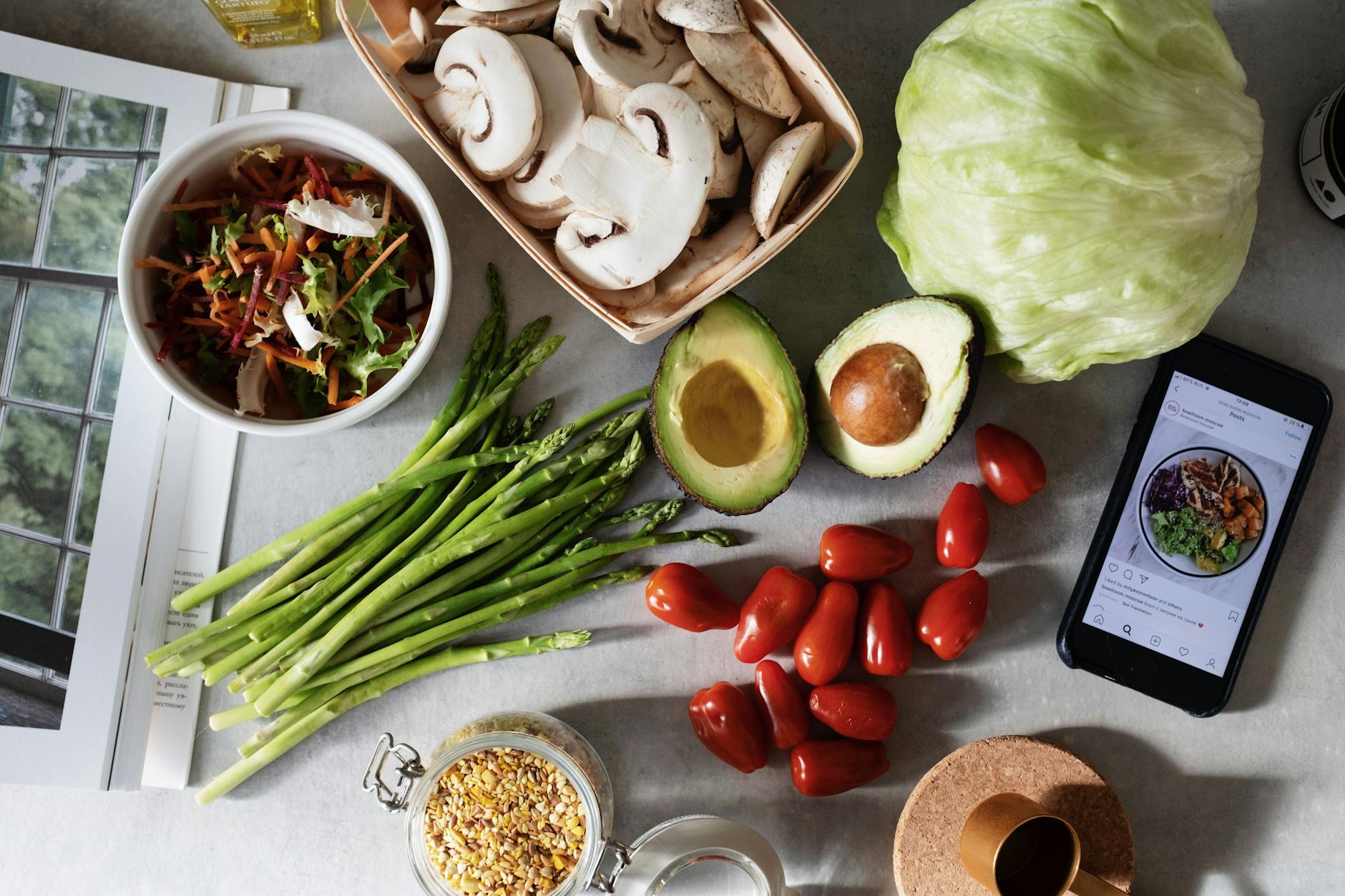
Foods That Fight Back: Your Allergy Arsenal
This is where the real magic happens. Shifting your plate can make a tangible difference. It’s not about deprivation; it’s about abundance, choosing nutrient-dense foods that actively support your body’s natural defenses. I used to think all "healthy" foods were created equal for allergy sufferers, but I learned that some are just superheroes in disguise.
The Power of Vitamin C
You probably know Vitamin C is good for your immune system, but did you know it’s also a natural antihistamine? It helps your body break down histamine. Load up on citrus fruits, bell peppers (especially red ones!), and leafy greens. I make sure to have a big glass of water with lemon first thing every morning.
Quercetin: Nature's Antihistamine
This is one that surprised me. Quercetin is a flavonoid found in many plants, and it’s incredibly potent at stabilizing mast cells, which release histamine. You'll find it in apples, berries, onions, and green tea. I find adding red onions to salads or making a simple green tea becomes a daily ritual.
Incorporating Quercetin-Rich Foods
Don't overthink it! Sautéing onions for a base in any meal, snacking on a crisp apple, or adding a handful of berries to your yogurt are simple ways to boost your quercetin intake.
Omega-3 Fatty Acids: The Calming Force
These healthy fats are renowned for their anti-inflammatory properties. They can help to quiet down the inflammatory pathways that fuel allergy symptoms. Fatty fish like salmon, mackerel, and sardines are excellent sources. If fish isn't your thing, walnuts and flaxseeds are good plant-based alternatives. The science on omega 3 for allergies is compelling, showing a significant reduction in inflammatory markers.

Building Your Allergy Relief Diet: Practical Steps
So, how do you translate this knowledge into a practical, everyday diet? It’s about making smart swaps and focusing on whole, unprocessed foods.
Focus on Gut Health
Here's the thing: your gut is a massive part of your immune system. A healthy gut microbiome can help regulate immune responses and reduce inflammation. Incorporating probiotic-rich foods like yogurt (unsweetened, of course), kefir, sauerkraut, and kimchi can make a world of difference. Fermented foods are truly allies in the fight against allergies.
Probiotic Powerhouses
- Yogurt and Kefir (look for live and active cultures)
- Sauerkraut and Kimchi (naturally fermented)
- Kombucha (watch sugar content)
Lean Proteins and Healthy Fats
Opt for lean sources of protein like chicken, turkey, fish, and legumes. Pair them with plenty of vegetables and healthy fats from sources like avocados, nuts, seeds, and olive oil. This combination provides sustained energy and essential nutrients for immune function.
Hydration is Key
Staying well-hydrated is often overlooked, but it's crucial for flushing toxins and keeping your mucus membranes healthy, which can help trap allergens. Water is best, but herbal teas can also be beneficial. Think about the last time you felt dehydrated – it makes everything feel worse, doesn't it?

Foods to Approach with Caution
While we’re focusing on what to add, it’s equally important to consider what might be exacerbating your symptoms. This is where personal experimentation comes in, as everyone is different.
Potential Histamine Triggers
Some foods are naturally high in histamine or can trigger your body to release more. These can include aged cheeses, fermented foods (ironically, while good for gut health, some can be triggers for histamine-intolerant individuals), processed meats, spinach, and alcohol. This is a nuanced area; for some, these foods are fine, while for others, they’re problematic.
Common Inflammatory Culprits
Refined sugars, processed foods, and unhealthy fats can contribute to overall inflammation, making your body more susceptible to allergic reactions. Reducing your intake of these will likely benefit your allergy symptoms, alongside your general health. This is where optimal nutrition really shines.
The Wheat and Dairy Debate
For some individuals, gluten and dairy can be inflammatory and may worsen allergy symptoms. If you suspect these might be issues for you, consider a temporary elimination trial under the guidance of a healthcare professional. It’s not a universal rule, but it’s worth exploring if other strategies aren’t fully effective.
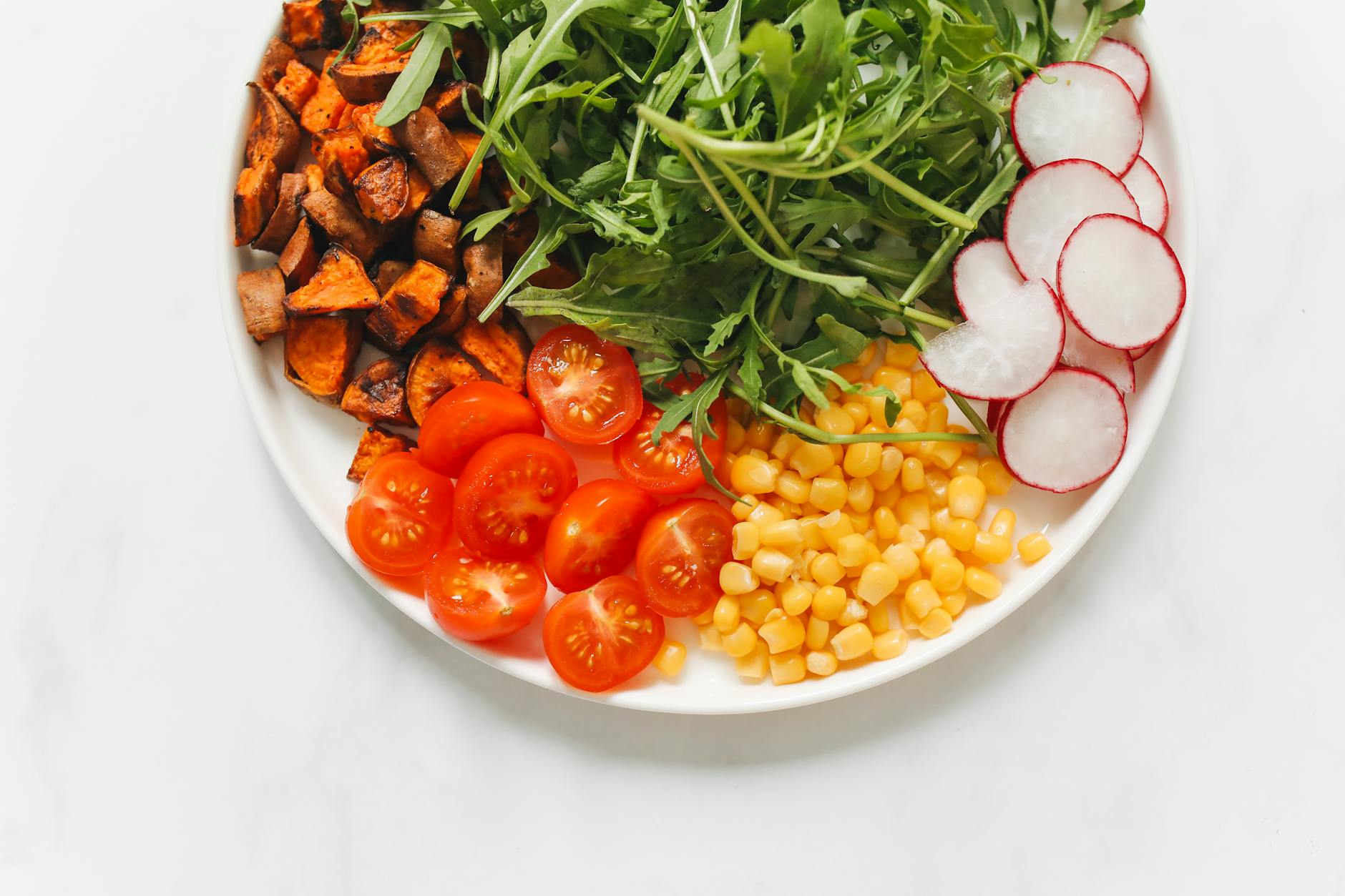
Beyond the Plate: Holistic Allergy Relief
While this article focuses on the allergy relief diet, it’s vital to remember that nutrition is just one piece of the puzzle. True allergy relief often involves a multi-pronged approach.
The Importance of Sleep
When you're sleep-deprived, your immune system is compromised, and inflammation can skyrocket. Prioritizing 7-9 hours of quality sleep each night is non-negotiable for managing allergies and supporting overall health. This is where natural immune support truly comes into play.
Stress Management Techniques
Chronic stress can wreak havoc on your body, including your immune system. Finding healthy ways to manage stress, such as meditation, yoga, deep breathing exercises, or spending time in nature, can have a significant impact on your allergy symptoms. Look into resources from the Centers for Disease Control and Prevention for stress management tips.
Environmental Controls
Of course, minimizing exposure to your specific allergens is still crucial. Keeping windows closed during high pollen counts, using air purifiers, and showering after spending time outdoors can help reduce your overall allergen load. You can find extensive information on managing environmental triggers through Mayo Clinic research on allergy relief diet and related topics.
A Personal Journey to Allergy Freedom
I’ll be real with you; this journey wasn't always easy. There were times I felt overwhelmed by all the information. But slowly, consistently, I started to see changes. The sneezing fits became less frequent, my eyes weren't constantly itching, and I could finally enjoy a walk in the park without feeling like I was under attack. This allergy relief diet became less of a restriction and more of a way of life, a way of nourishing my body so it could thrive, not just survive.
Making it Sustainable
The key for me was finding simple, delicious ways to incorporate these allergy-fighting foods into my daily routine. I started experimenting with quick lunch recipes that were packed with veggies and healthy fats, and I learned to love a good, hearty salad. I also discovered the joy of seasonal eating, focusing on vibrant spring produce guide when it was readily available.
When to Seek Professional Help
If you're struggling significantly with allergies, or if you suspect you have histamine intolerance or other underlying issues, don't hesitate to consult a doctor or a registered dietitian. They can provide personalized guidance and help you navigate complex dietary changes. Research from the National Institutes of Health research on allergy relief diet highlights the importance of individualized approaches.
This isn't about a quick fix; it's about building a foundation of health that empowers your body to manage allergies more effectively. It’s about reclaiming your seasons and enjoying the world around you without the constant burden of symptoms. Start small, be patient with yourself, and remember that nourishing your body from the inside out is one of the most powerful forms of self-care.