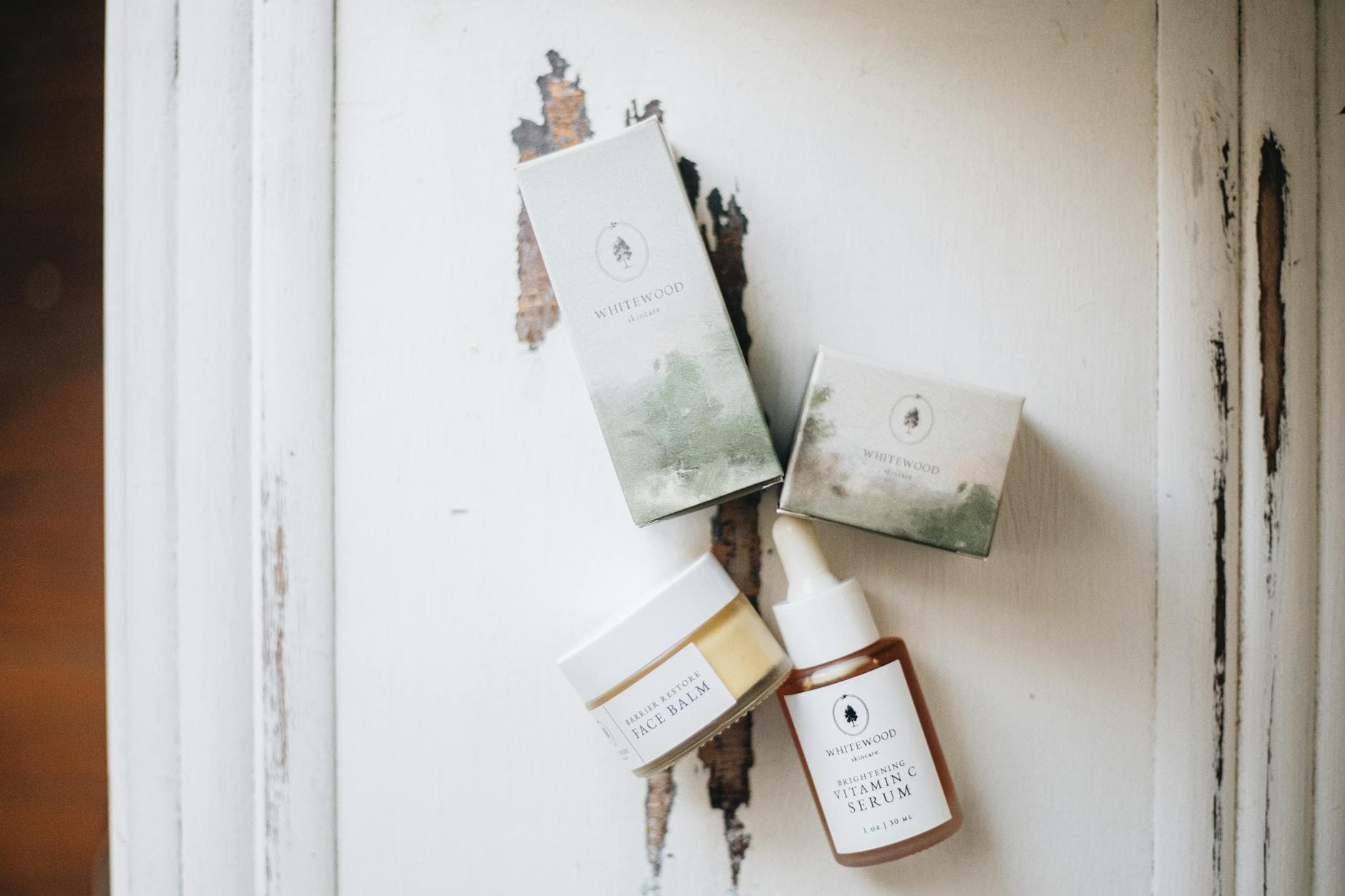
I’ll be honest, for years, my transition from winter to spring skincare felt more like a hopeful shrug than a strategic overhaul. You know the feeling: the sun peeks out a little longer, the air loses that biting chill, and suddenly, my skin looks… well, a bit parched and dull, like it’s been hibernating too. This year, though, something clicked. I realized that embracing a proper spring skincare routine isn’t just about chasing a fleeting glow; it’s about recalibrating your skin’s needs after months of harsh weather and indoor heating. It’s a beautiful opportunity for a genuine skin reset, and I’m so excited to share what I’ve learned!
Shedding the Winter Layers for Radiant Skin
Winter is tough on our skin. The dry air, the biting winds, the constant indoor heating – it all conspires to strip away moisture and leave us with flaky patches, a lackluster complexion, and maybe even a bit of redness. Think about the last time you looked in the mirror after a long winter spell and felt that your skin just wasn’t… alive. That’s exactly where we need to start our spring beauty routine: by gently shedding those winter woes.
The Gentle Exfoliation Revolution
This is where the magic truly begins. Post-winter, your skin is likely holding onto a lot of dead skin cells. Gentle exfoliation is the key to revealing the fresh, vibrant skin underneath. I used to go in with harsh scrubs, thinking more friction meant better results. Big mistake!
Why Chemical Exfoliants Shine
Chemical exfoliants, like AHAs (alpha-hydroxy acids) and BHAs (beta-hydroxy acids), are game-changers. AHAs, such as glycolic and lactic acid, work on the surface to dissolve the bonds between dead skin cells, promoting cell turnover and revealing brighter skin. BHAs, like salicylic acid, are oil-soluble, meaning they can penetrate pores to unclog them – a lifesaver if you’re prone to breakouts exacerbated by the season change.
My Go-To Gentle Approach
Start slow. If you’re new to chemical exfoliants, begin with a low concentration a couple of times a week. Look for formulations that also contain soothing ingredients like hyaluronic acid or ceramides to counteract any potential dryness. This one surprised me – I found that using a gentle exfoliating toner a few nights a week made a noticeable difference in my skin’s texture and overall brightness within just two weeks. It’s not about stripping your skin; it’s about coaxing it back to life.
Hydration: The Spring Awakening
Just because the air might feel a bit warmer doesn't mean your skin’s hydration needs disappear. In fact, as the weather shifts, your skin’s moisture barrier can still be compromised. Skin hydration spring is all about replenishing what winter took away and preparing for warmer, potentially more humid days.
Lightweight Yet Effective Moisturizers
Swap out those heavy, occlusive winter creams for lighter, gel-based or lotion formulations. These provide ample hydration without feeling greasy or clogging pores. Look for ingredients like hyaluronic acid, glycerin, and ceramides. Hyaluronic acid is like a sponge for moisture, drawing it into your skin, while ceramides help to reinforce that crucial skin barrier. I’ve found that a good gel moisturizer feels incredibly refreshing on the skin, especially after a day spent outdoors.
Don’t Forget Your Humidifier
Here’s the thing: even with spring in full swing, indoor heating can still be a culprit for dry air. Keeping a humidifier running in your bedroom, especially at night, can make a significant difference in maintaining skin hydration. It’s a simple step that offers consistent benefits for your skin and even your respiratory health.
Embracing the Vitamin C Glow Up
If there’s one ingredient that screams “spring glow up,” it’s Vitamin C. This powerhouse antioxidant is essential for achieving that coveted radiant skin spring look, and its benefits go far beyond just brightness.
The Multi-Tasking Marvel of Vitamin C
Vitamin C is a potent antioxidant that helps protect your skin from environmental damage caused by free radicals, which are accelerated by increased sun exposure. It also plays a crucial role in collagen production, helping to firm and plump the skin. And, of course, its most celebrated benefit: it significantly brightens the complexion and fades dark spots and hyperpigmentation, giving you that dewy skin tips are made of.
Choosing the Right Vitamin C Serum
Not all Vitamin C serums are created equal. Look for formulations containing L-Ascorbic Acid, which is the most potent and well-researched form. However, it can also be less stable. If you have sensitive skin, you might opt for derivatives like Sodium Ascorbyl Phosphate or Magnesium Ascorbyl Phosphate, which are gentler. I’ll be real with you, finding the right Vitamin C serum took me a few tries. My skin used to feel a bit tingly with some, but I eventually found a stable formulation that my skin absolutely adores. It’s become my non-negotiable morning step.
When to Apply Vitamin C
The best time to apply your Vitamin C serum is in the morning, after cleansing and toning, but before your moisturizer and sunscreen. This allows it to work its protective magic throughout the day. Think of it as your skin’s personal bodyguard against the elements.
Sun Protection: Your Springtime Shield
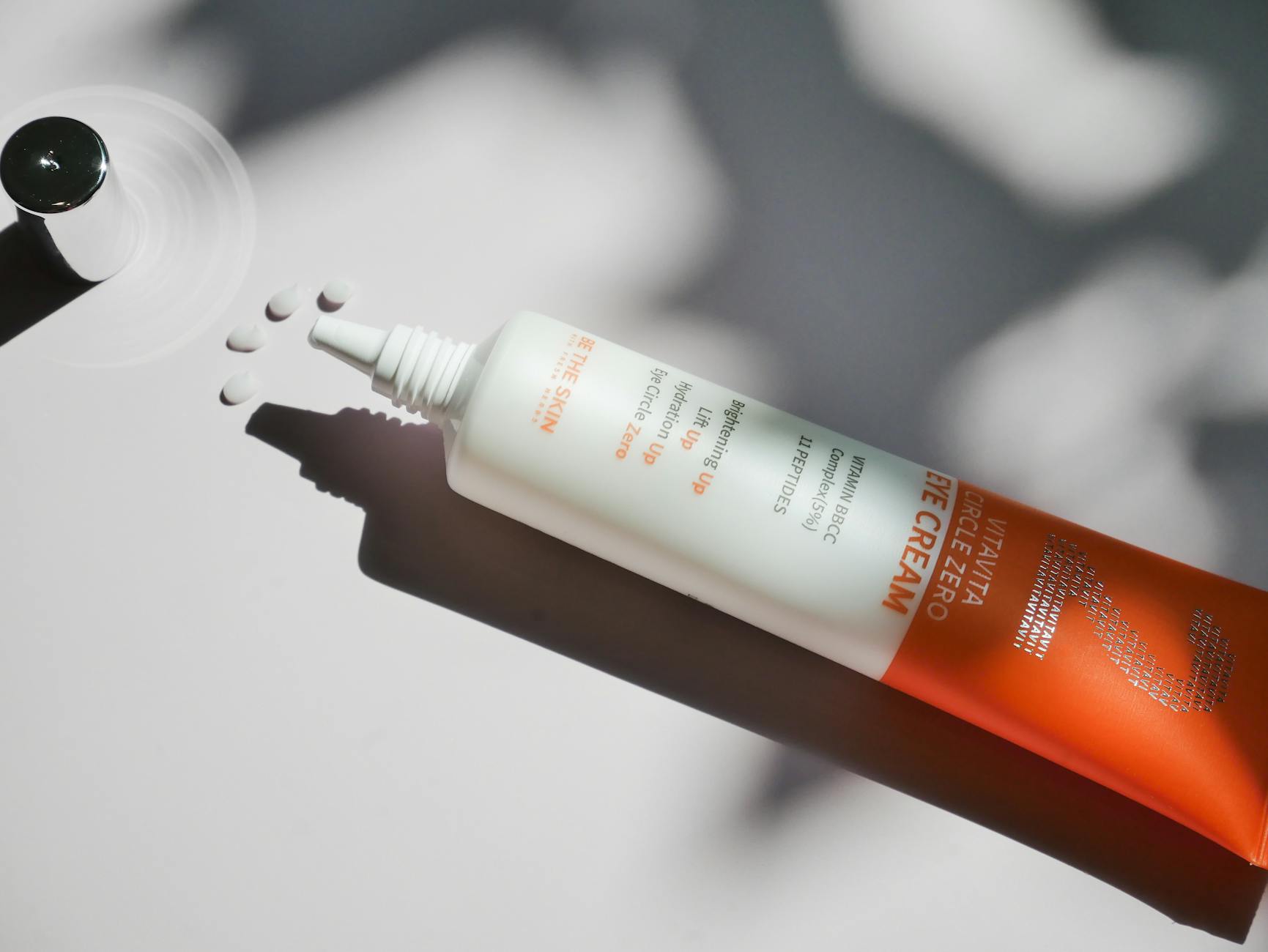
This is non-negotiable, people! As the days get longer and the sun’s rays become more intense, your commitment to daily sunscreen application needs to be stronger than ever. Protection from the sun is paramount for maintaining healthy skin tips, especially as we transition into warmer months.
Beyond the Beach: Daily SPF is Key
You’ve probably noticed that even on cloudy spring days, the sun’s UV rays are still potent. This is why a broad-spectrum sunscreen with an SPF of 30 or higher should be applied every single day, rain or shine. It’s the single most effective step you can take to prevent premature aging, dark spots, and, most importantly, skin cancer.
Finding Your Perfect Spring Sunscreen
The good news is that the world of sunscreens has exploded with options. If you found your winter sunscreen a bit heavy, now is the time to explore lighter, more cosmetically elegant formulations. Mineral sunscreens containing zinc oxide and titanium dioxide are excellent for sensitive skin, while chemical sunscreens offer a more sheer finish. Many brands now offer tinted options or formulas with added skincare benefits. I personally love a lightweight, matte-finish sunscreen that doesn’t feel like I’m wearing anything, and it’s made reapplying throughout the day so much easier. This is a critical step supported by Centers for Disease Control and Prevention research on spring skincare routine.
Reapplication is Your Friend
Don’t just slap it on in the morning and forget about it. For optimal protection, reapply your sunscreen every two hours, especially if you’re spending extended time outdoors. Keep a travel-sized bottle in your bag, or consider using a sunscreen spray for easier touch-ups. It’s a small habit that yields massive long-term benefits for your skin’s health and appearance.

Nourishing Your Skin from Within
While topical treatments are fantastic, let’s not forget the profound impact that our internal health has on our skin. The principle of natural health products extends to our diet and lifestyle choices, which are foundational for achieving truly healthy skin.
The Power of a Balanced Diet
What you eat directly reflects on your skin. Focus on a diet rich in antioxidants, vitamins, and healthy fats. Think colorful fruits and vegetables, leafy greens, nuts, seeds, and fatty fish like salmon. These provide your skin with the building blocks it needs to repair itself and fight inflammation. This also aligns with broader health initiatives from organizations like the World Health Organization research on spring skincare routine.
Hydration from the Inside Out
We’ve talked about topical hydration, but drinking enough water is equally crucial. Aim for at least eight glasses of water a day, and more if you’re active or the weather is particularly warm. Proper internal hydration helps your skin maintain its elasticity and plumpness, contributing to that dewy skin look.
Sleep and Stress: The Unsung Heroes
Don’t underestimate the power of good sleep and stress management. Chronic stress can wreak havoc on your skin, leading to breakouts and dullness. Prioritize getting 7-9 hours of quality sleep each night. If you struggle with sleep, exploring techniques like mindfulness or even understanding Daylight Sleep Science: Unlock Better Rest Now can be incredibly beneficial. I found that when I’m well-rested and managing my stress, my skin just looks and feels so much better, almost as if it’s glowing from within.

Spring Skincare Routine: A Holistic Approach
Transitioning your skincare routine for spring isn’t just about swapping out a few products; it’s an opportunity to adopt a more conscious and holistic approach to skin health. It’s about listening to your skin’s needs and responding with gentle, effective care.
The Importance of Consistency
The most effective spring skincare routine is one you can stick to. Don’t feel pressured to adopt a 10-step regimen if that’s not realistic for you. Find a few key steps that make the biggest difference for your skin and incorporate them consistently. This might include a gentle cleanser, a hydrating serum, a targeted treatment like Vitamin C, and daily sunscreen. Consistency is far more impactful than occasional, elaborate treatments.
Listen to Your Skin
Your skin will tell you what it needs. If you experience increased redness or sensitivity after introducing a new product, scale back. If your skin feels particularly dry, add in a more hydrating serum or a slightly richer moisturizer. This journey is about understanding your unique skin and adapting your routine accordingly. You might be wondering if all this effort is worth it, and I can tell you, from personal experience, it absolutely is. The feeling of truly healthy, radiant skin is a reward in itself.
Embrace the Natural Glow
Ultimately, the goal of a spring skincare routine is to enhance your skin’s natural radiance and health. It’s about feeling confident and comfortable in your own skin, ready to embrace the brighter days ahead. This year, let’s make our spring skincare routine a celebration of renewal, a commitment to self-care, and a pathway to that beautiful, healthy glow we all deserve. The research from places like the National Institutes of Health research on spring skincare routine consistently points to the benefits of consistent, targeted care.