
Ever woken up with a jolt, feeling a searing pain shoot down your leg, wondering what on earth is going on? You're not alone. That sharp, often debilitating pain, known as sciatica, can disrupt your life in profound ways. For years, I’ve worked with people just like you, seeking genuine sciatica pain relief, and I’ve seen the frustration and discomfort it causes. But here’s the good news: it doesn't have to be a life sentence. Understanding sciatica and employing the right strategies can bring significant relief.
Understanding the Root of Your Sciatica Pain
Many people think sciatica is a condition itself, but it’s actually a symptom. It’s the result of an irritated or compressed sciatic nerve, the longest nerve in your body, which runs from your lower back, through your hips and buttocks, and down each leg. When this nerve is aggravated, you feel that familiar pain, often described as sharp, burning, or like an electric shock.
What Exactly Irritates the Sciatic Nerve?
The causes can be varied, but some are far more common than others. I’ve seen firsthand how a simple misstep can lead to weeks of agony, but also how targeted interventions can reverse that trend.
The Usual Suspects: Herniated Discs and Piriformis Syndrome
One of the most frequent culprits behind sciatica is a herniated or bulging disc in your lower spine. Imagine a jelly donut; if the outer layer tears, the jelly can press on nearby nerves. That's essentially what happens. Another common cause, particularly in athletes or those who sit for long periods, is piriformis syndrome. The piriformis muscle, located deep in the buttock, can spasm and press on the sciatic nerve as it passes nearby. Honestly, this one surprised me when I first started learning about it; I used to think it was always a spine issue.
Less Common, But Still Possible Causes
Other factors can contribute, too. Spinal stenosis, a narrowing of the spinal canal, can put pressure on the nerves. Spondylolisthesis, where one vertebra slips forward over another, is another possibility. Even injuries or tumors, though rare, can irritate the sciatic nerve. Recognizing the specific cause is the first crucial step toward effective sciatica pain treatment.
Effective Strategies for Sciatica Pain Relief
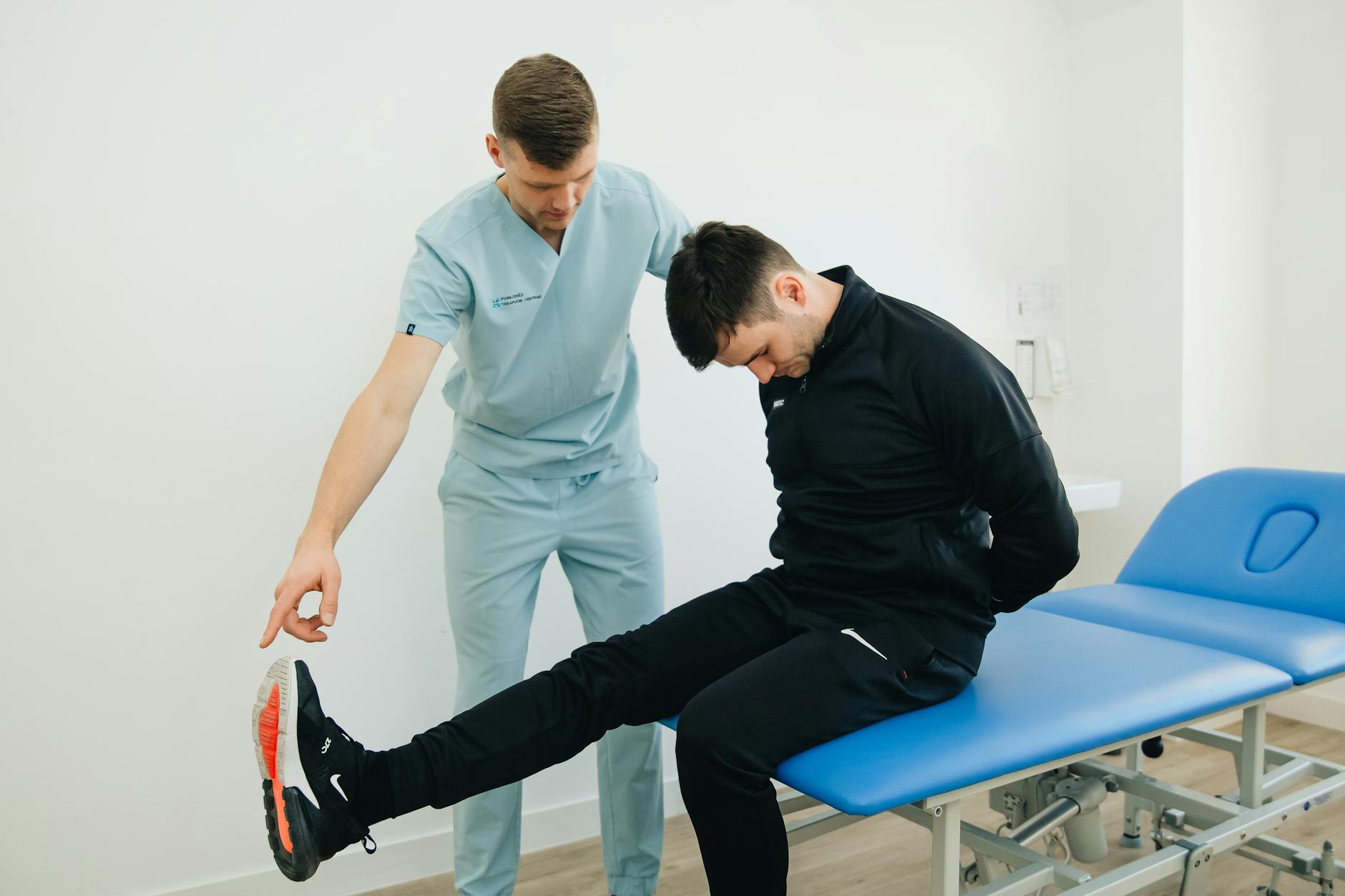
When you’re in the throes of sciatica, your primary goal is finding sciatica pain relief. While medical intervention is sometimes necessary, many powerful solutions can be implemented right at home or with the guidance of a physical therapist. It’s about a multi-faceted approach, not just a quick fix.
When to Seek Professional Help
While home care is often effective, there are times when you absolutely need to see a doctor. If you experience sudden, severe pain, loss of bladder or bowel control, numbness in the saddle area (groin, inner thighs, buttocks), or weakness in your leg that makes it difficult to walk, seek immediate medical attention. These could be signs of cauda equina syndrome, a serious condition requiring urgent care. The Mayo Clinic research on sciatica pain relief often highlights these critical red flags.
The Power of Movement: Sciatica Relief Exercises
This is where I see the most profound changes in my clients. Gentle, targeted exercises can work wonders for sciatica. They aim to decompress the nerve, strengthen supporting muscles, and improve flexibility. Think of it as coaxing your body back into alignment, rather than forcing it.
Gentle Stretches to Ease Nerve Compression
Simple stretches can make a world of difference. The knee-to-chest stretch, for example, helps to gently lengthen the muscles in your lower back and hips. Lying on your back, bring one knee up towards your chest, holding it with your hands. Hold for 20-30 seconds, then repeat on the other side. Another effective move is the piriformis stretch. Sitting or lying down, cross one leg over the other at the knee and gently pull it towards your chest. This targets that often-tight piriformis muscle. A proper sciatica nerve stretch can feel like a release of pent-up tension.
Strengthening for Long-Term Relief
Beyond stretching, building strength is key to preventing future flare-ups. Core strengthening exercises are paramount. Think of your core as the foundation of your body; a strong core supports your spine and reduces strain on your lower back. Exercises like planks and bird-dog are excellent for this. For women, understanding the connection between core strength and pelvic health is crucial. Engaging in Pilates for Pelvic Floor: Strengthen & Tone Effectively can offer profound benefits for managing lower back sciatica and overall stability.

Beyond Exercise: Holistic Approaches to Sciatica Pain Treatment
While exercises are a cornerstone of sciatica pain relief, a holistic approach often yields the best and most sustainable results. This means looking at your lifestyle, your environment, and your overall well-being.
The Role of Heat and Cold Therapy
Simple applications of heat and cold can be incredibly effective for managing sciatica pain. For acute pain, cold therapy (ice packs) can help reduce inflammation. For muscle stiffness and chronic pain, heat therapy (heating pads, warm baths) can relax tight muscles and improve blood flow. Experiment to see which works best for you. I often recommend alternating between the two for comprehensive relief.
Mindfulness and Stress Reduction Techniques
Here’s something that often gets overlooked: stress. When you’re stressed, your muscles tense up, and this can exacerbate nerve pain. Practicing mindfulness, meditation, or deep breathing exercises can help calm your nervous system and reduce muscle tension. Even 10 minutes a day can make a difference. You might be surprised at how much your mental state impacts your physical pain.
Exploring Complementary Therapies
Many people find relief through therapies like acupuncture, massage, or chiropractic care. Acupuncture involves inserting thin needles into specific points on the body to stimulate healing and relieve pain. Massage therapy can help release tight muscles that might be contributing to sciatica. Chiropractic adjustments can address spinal misalignments that may be pressing on the sciatic nerve. It’s about finding what resonates with your body and supports your journey toward sciatica relief.

Lifestyle Adjustments for Managing Sciatica
Sometimes, the most powerful sciatica pain relief comes from making conscious changes to your daily habits. These aren't drastic overhauls, but rather mindful adjustments that can prevent future irritation of your sciatic nerve.
Ergonomics: Your Workspace and Your Body
Think about how much time you spend sitting, whether at a desk, in a car, or on the couch. Your posture during these times is critical. Ensure your chair provides good lumbar support, and that your feet are flat on the floor. If you work at a computer, your screen should be at eye level to prevent neck strain, which can sometimes contribute to radiating pain. Taking regular breaks to stand and stretch is non-negotiable. This one surprised me; I used to think it was just about the exercises, but my clients who improved their workspace reported significantly less pain.
The Importance of Proper Lifting Techniques
Improper lifting is a notorious trigger for lower back pain and sciatica. Always bend your knees and keep your back straight when lifting heavy objects. Let your legs do the work, not your back. If an object is too heavy, don't be afraid to ask for help. It’s a simple rule, but one that can save you a lot of pain and potential injury.
Weight Management and Its Impact
Carrying excess weight, particularly around the abdomen, puts additional strain on your lower back and can contribute to conditions like herniated discs, a common cause of sciatica nerve pain. Maintaining a healthy weight through a balanced diet and regular exercise can significantly reduce this pressure and contribute to overall well-being. The National Institutes of Health research on sciatica pain relief consistently points to weight management as a key factor.

An Unexpected Angle: The Psychology of Pain and Sciatica
When you’re constantly dealing with sciatica pain, it’s easy to feel defeated. The physical discomfort is immense, but the emotional toll can be just as significant. This is where understanding the psychology of pain becomes vital for effective sciatica pain treatment.
The Cycle of Fear and Avoidance
It’s natural to want to avoid activities that trigger your pain. However, this can create a cycle of fear and avoidance, leading to deconditioning and increased stiffness. Your body needs movement, and prolonged inactivity can actually worsen your condition. Breaking this cycle requires a conscious effort to re-engage with movement, even if it’s just for short periods, and to trust that your body can heal.
Building Resilience and a Positive Mindset
Cultivating resilience is key to managing chronic pain. This involves developing coping strategies, focusing on what you *can* do, and celebrating small victories. Rather than fixating on the pain itself, shift your focus to the progress you’re making. Remember that every step you take towards healing, no matter how small, is a victory. The World Health Organization research on sciatica pain relief increasingly emphasizes the mind-body connection.
The Power of Support and Connection
You don't have to go through this alone. Connecting with others who understand what you're experiencing can be incredibly validating and empowering. Support groups, whether online or in person, offer a space to share experiences, gain insights, and find encouragement. Talking to friends, family, or a therapist can also provide much-needed emotional support. Knowing that you have a network of support can make a profound difference in your journey toward sciatica pain relief.
Living with sciatica can feel like an uphill battle, but it doesn't have to define you. By understanding its causes, embracing effective exercises, exploring holistic therapies, and making mindful lifestyle adjustments, you can reclaim your life from this often-debilitating condition. Remember, consistency is your greatest ally. Be patient with yourself, celebrate your progress, and never underestimate the power of a proactive approach to your health. Your body is capable of remarkable healing.