Imagine this: the sun, a shy visitor for months, finally decides to linger. The air, crisp and alive, whispers promises of longer days and warmer adventures. You've been cooped up, maybe dreaming of that first truly invigorating outdoor workout. But what if your gear isn't ready? What if that worn-out jacket chafes, those old shoes offer zero support, and you're fumbling with a hydration pack that leaks like a sieve? It’s a scene that can quickly turn a perfect spring morning into a frustrating slog. That’s where the magic of the right spring training gear comes in, transforming your outdoor fitness aspirations into vibrant reality.
Shedding Winter Layers: The Foundation of Your Spring Fitness
There’s a particular joy in ditching the heavy layers of winter. It's like shedding a skin, preparing for rebirth. This transition is crucial for enjoying your outdoor workouts, and the right clothing is your first line of defense against unpredictable spring weather.
The Art of Layering: More Than Just a Trend
Spring weather is notoriously fickle. One moment it’s sunny and mild, the next a brisk wind kicks up or a sudden shower descends. This is why mastering the art of layering is paramount. It’s not just about looking good; it’s about adapting to changing conditions without overheating or getting chilled.
Base Layers: Your Moisture-Wicking Champions
Forget cotton. Seriously. For your base layer, you want something that wicks sweat away from your skin. Think synthetic fabrics like polyester or merino wool. These materials keep you dry, which is key to staying warm when the temperature drops and preventing chafing during longer activities. I used to think any old t-shirt would do, but the difference is night and day. My first merino wool base layer felt like a revelation during a chilly morning trail run.
Mid Layers: The Insulating Hug
This is where you add your warmth. A fleece jacket, a lightweight down vest, or a synthetic insulated jacket are perfect. The goal here is to trap body heat. If it’s borderline cold, a thicker fleece is your friend. If it’s just a bit nippy, a vest can provide core warmth without restricting arm movement.
Outer Layers: Protection from the Elements
Your shell layer is your shield. For spring, this often means a lightweight, water-resistant, and windproof jacket. You don't need a full-on Gore-Tex expedition suit for most spring activities, but something that will keep the biting wind and unexpected rain at bay is essential. Breathability is also key here; you don't want to trap all that moisture you’re working so hard to wick away.
Footwear: Grounding Your Performance
Your feet are your connection to the earth, and the right footwear can make or break your outdoor experience. Spring often brings damp trails and varied terrain, so versatility is your best friend.
Trail Runners: For the Adventurous Soul
If your spring training involves hitting the trails, a good pair of trail running shoes is non-negotiable. Look for aggressive tread for grip, reinforced uppers for durability, and often a water-resistant membrane. They provide the stability and protection you need for uneven surfaces. Honestly, I’ve slipped more times than I care to admit on damp leaves before I invested in proper trail shoes.
Versatile Trainers: The All-Rounder
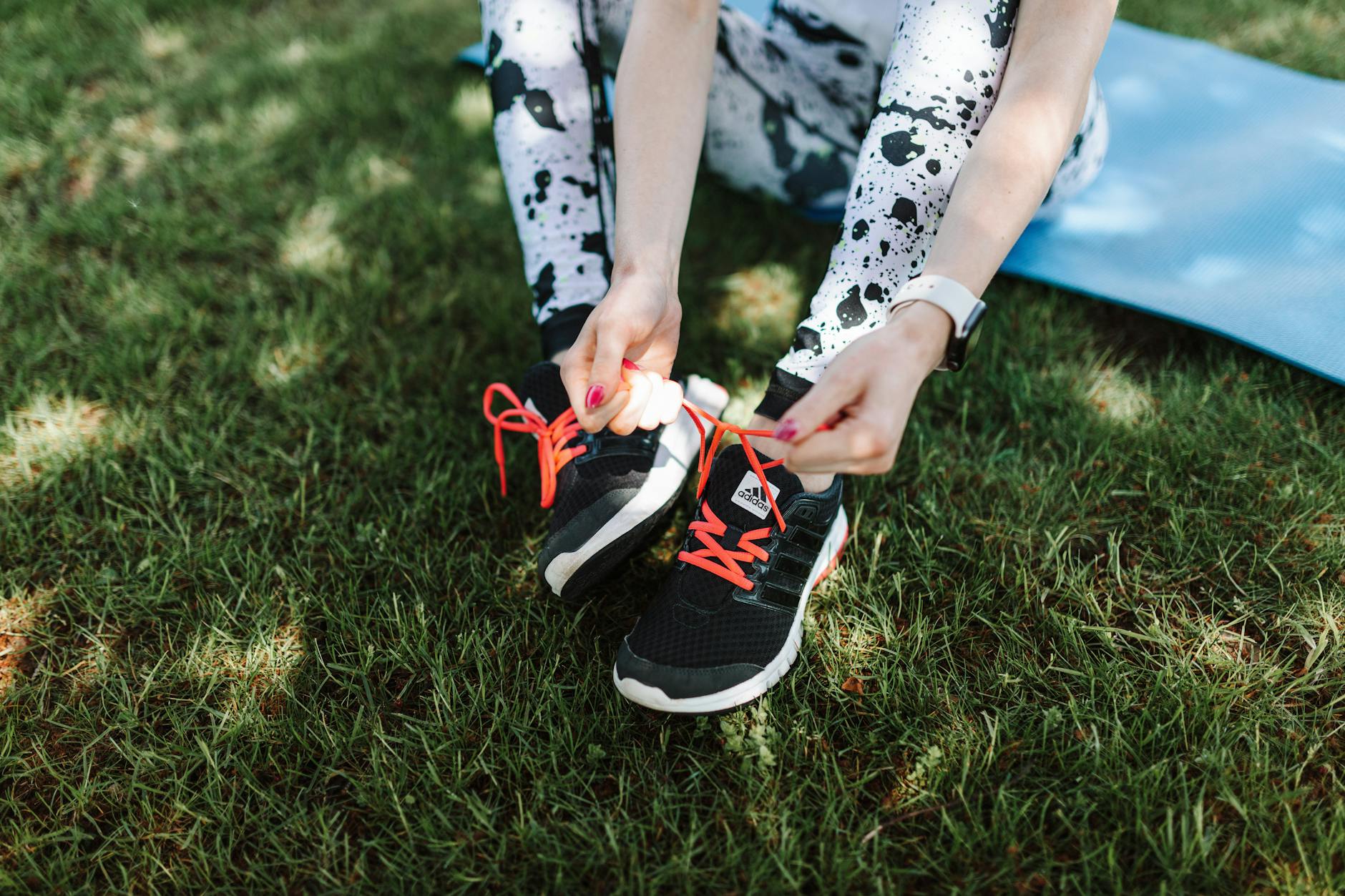
For road running, brisk walks, or general outdoor fitness sessions, a lightweight, cushioned trainer can be ideal. Many brands now offer models with enhanced breathability and water-repellent treatments, making them perfect for spring conditions. Consider something with good shock absorption, especially if you’re pounding pavement.
Hiking Boots: For Serious Exploration
If your spring plans include longer hikes, a sturdy pair of hiking boots is a must. They offer ankle support, superior traction, and protection against rocks and roots. The Spring Hiking Essentials: Pack Smart for Day Trips guide I read recently hammered home how much ankle support matters on longer treks.

Spring Workout Equipment: Expanding Your Outdoor Gym
Just because you're outside doesn't mean you can't incorporate resistance and variety into your workouts. The right portable equipment can elevate your sessions from simple cardio to full-body strength training.
Resistance Bands: The Unsung Heroes of Portable Strength
Resistance bands are, in my opinion, one of the most versatile and underrated pieces of spring workout equipment. They are incredibly lightweight, take up minimal space, and offer a fantastic way to build strength and endurance outdoors.
Bodyweight Augmentation
Loop a band around your thighs during squats or glute bridges to increase activation. Use them for assisted pull-ups or to add resistance to push-ups. The possibilities are endless for augmenting your existing bodyweight exercises.
Standalone Exercises
You can perform a full-body workout using just resistance bands. Think rows, chest presses, bicep curls, triceps extensions, and even core work like Pallof presses. The constant tension bands provide is excellent for muscle engagement. I've seen people get incredible results using just a set of bands and a park bench for their entire workout.
Jump Ropes: Cardio Powerhouse in Your Pocket
A jump rope is another fantastic piece of spring training gear that offers an incredible cardiovascular workout in a tiny package. It’s portable, affordable, and can be used almost anywhere.
Interval Training Bliss
Jump rope intervals are brilliant for boosting your heart rate quickly. Try 30 seconds of intense jumping followed by 30 seconds of rest, repeating for several rounds. This type of high-intensity interval training is incredibly effective for burning calories and improving cardiovascular health. If you’re looking to burn calories fast outdoors, check out Outdoor HIIT Spring: Burn Calories Fast Outdoors! for some great ideas.
Coordination and Agility
Beyond just cardio, jumping rope also improves coordination, agility, and footwork. Mastering different jumping techniques can add a fun challenge to your routine.
Foam Rollers and Massage Balls: Recovery on the Go
While not strictly 'workout' equipment, recovery tools are vital for any consistent fitness routine, especially as you increase your outdoor activity. A compact foam roller or a lacrosse ball can work wonders for releasing muscle tension after a tough session.
Targeted Muscle Relief
You can use these tools to target specific tight spots in your legs, back, or shoulders. Rolling out your quads after a long run or your lats after a band-assisted pull-up session can significantly improve flexibility and reduce soreness. This is part of the overall Spring Body Reset: Gentle Moves for a Fresh Start philosophy I’ve been exploring.
Hydration and Sun Protection: Essential Outdoor Fitness Essentials
As the weather warms up, staying hydrated and protecting yourself from the sun become critical. These are not optional extras; they are fundamental to your safety and performance.
Hydration Packs: Your Mobile Water Source
For longer runs, hikes, or intense outdoor workouts, a hydration pack is a game-changer. It allows you to sip water on the go without breaking stride or fumbling with bottles.
Convenience and Capacity
Modern hydration packs come in various sizes, from small vests for short runs to larger backpacks for all-day adventures. They distribute weight evenly and keep your hands free, which is a huge plus. I’ll be real with you, I used to just carry a water bottle, but after a particularly long and hot bike ride where I ran out of water miles from anywhere, I understood the necessity of a proper hydration pack.
Electrolyte Replenishment
Remember that as you sweat more, you lose electrolytes. Consider carrying electrolyte tablets or powders to add to your water, especially for workouts exceeding an hour. Staying properly hydrated is crucial for preventing fatigue and heat-related illnesses, as noted by World Health Organization research on spring training gear.
Sun Protection Gear: Shielding Your Skin
Don't let the pleasant warmth fool you; the sun's UV rays can be strong, even on cooler days. Protecting your skin is a non-negotiable part of your outdoor fitness routine.
High-SPF Sunscreen
Apply a broad-spectrum sunscreen with an SPF of 30 or higher to all exposed skin at least 15-20 minutes before heading out. Reapply every two hours, or more frequently if you're sweating heavily or swimming. Look for sweat-resistant formulas designed for athletes.
Hats and Sunglasses
A good quality baseball cap or a wide-brimmed hat will protect your face, ears, and neck from sunburn and reduce glare. Similarly, sunglasses with UV protection are essential for safeguarding your eyes and preventing squinting, which can lead to headaches. This is part of what the Mayo Clinic research on spring training gear emphasizes for long-term skin health.
UPF Clothing
For extra protection, consider investing in clothing with an Ultraviolet Protection Factor (UPF) rating. These garments are specifically designed to block a significant percentage of UV rays. While not always necessary for shorter workouts, they are invaluable for extended outdoor sessions.
The Best Spring Training Gear: Making Smart Choices
Navigating the world of spring training gear can feel overwhelming. There are so many options! But focusing on quality, functionality, and your specific needs will lead you to the best choices.
Focus on Versatility
The best gear is often the most versatile. A good pair of running shoes can double for brisk walks. A lightweight, windproof jacket can be worn for running, cycling, or hiking. Think about how many different activities you can use an item for before you buy.
Invest in Durability
While it’s tempting to go for the cheapest option, investing in higher-quality gear will pay off in the long run. Durable items last longer, perform better, and often offer superior comfort and protection. This is where the real value of spring training gear lies.
Consider Your Specific Activities
What are you planning to do this spring? If it’s mostly road running, your needs will differ from someone planning to tackle challenging mountain trails. Tailor your purchases to your primary activities. For example, if cycling is your jam, you’ll want to look into specific cycling gear spring options.
Read Reviews and Seek Recommendations
Don't be afraid to do your research. Read online reviews, ask friends for their favorite brands, and check out reputable fitness blogs. This one surprised me: I found an amazing lightweight jacket after reading a detailed review on a small outdoor gear site, something I would have completely overlooked otherwise.
Embrace the Outdoors: Your Spring Fitness Awaits
The arrival of spring is an invitation. It’s a call to step outside, breathe in the fresh air, and move your body with renewed vigor. Having the right spring training gear isn't about accumulating stuff; it's about empowering yourself to fully embrace the season's potential. It’s about feeling comfortable, safe, and confident as you explore the world and push your fitness boundaries. Think about the last time you felt truly invigorated by an outdoor workout – that feeling is amplified when your gear supports, rather than hinders, your efforts. So, as the days lengthen and the temperatures rise, don't let outdated or inadequate equipment hold you back. Equip yourself with the essentials, venture out, and let the vibrant energy of spring fuel your fitness journey. The trails, the parks, the open roads are calling.