The Spring Sports Hydration Secret Everyone's Missing
You've probably noticed it. The air is crisper, the sun feels warmer, and suddenly, the fields are alive with activity. Spring sports are in full swing! But here's the thing: there's a pervasive myth that you only need to worry about hydration when the mercury truly soars. That's a dangerous misconception, especially when it comes to spring sports hydration. Honestly, I used to think the same way. I’d pack extra water for summer soccer games, but for that early April baseball practice? Not so much. Big mistake. The reality is, even in milder temperatures, your body is working overtime, and staying properly hydrated is absolutely crucial for peak performance and, more importantly, for your health.
Why Spring Demands a Fresh Hydration Strategy
It's easy to be lulled into a false sense of security by a pleasant spring breeze. But the truth is, your body loses water constantly, through sweat, respiration, and even just existing. When you’re out there sprinting, jumping, and pushing your limits, that loss accelerates dramatically. Ignoring it isn't just about feeling thirsty; it's about setting yourself up for a performance nosedive and potentially serious health issues. This is where a dedicated focus on hydration for athletes becomes non-negotiable.
The Deceptive Cool Air
Cooler temperatures can trick you into thinking you're not sweating as much as you are. You might not feel that sticky, oppressive heat of summer, but the physiological demands of your sport are still there. Your muscles need fluid to function efficiently, and your body temperature still needs regulating.
Increased Outdoor Activity
Spring is synonymous with getting back outside. Whether it's track and field, lacrosse, or a weekend hiking adventure, the shift to more frequent and intense outdoor activity means a greater need for consistent fluid intake. This is the very essence of effective outdoor sports hydration.
Understanding the Silent Drain: Dehydration's Impact
Dehydration doesn't announce itself with a blaring siren. It creeps in, subtly eroding your capabilities. You might just feel a bit "off" or blame fatigue on a poor night's sleep. But the symptoms of dehydration in athletes are often mistaken for other issues. Recognizing these signs is your first line of defense.
The Subtle Signals You Can't Ignore
Early signs of dehydration can include a dry mouth, slight headache, and a decrease in urine output. As it progresses, you might notice muscle cramps, dizziness, and a significant drop in energy. I once saw a teammate in a late-season softball game start to look visibly pale and disoriented. We later found out he hadn't had a sip of water all afternoon, thinking the cloudy sky meant he was fine. This is precisely why understanding dehydration symptoms athletes face is so vital.
Performance Plummets Faster Than You Think
Even a 1-2% loss of body weight due to dehydration can impair aerobic performance, reduce strength, and decrease cognitive function. That means slower reaction times, less power, and an increased risk of injury. You're not just playing at a lower level; you're actively putting yourself at greater risk.
The Cornerstone of Spring Sports Hydration: Water, Water, Everywhere
Let's start with the absolute foundation. Water. It’s the most critical nutrient for life, and for athletes, it’s the bedrock of performance. But knowing you need water and knowing *how much* and *when* to drink are two entirely different things. This is where solid sports nutrition spring principles come into play.
How Much is Enough? It's Not One-Size-Fits-All
The general guideline of eight glasses a day? Forget it. For athletes, especially during training or competition, your water intake for sports needs are significantly higher. A good starting point is to drink consistently throughout the day, aiming for pale yellow urine. A more personalized approach involves monitoring your sweat rate during activity. Weigh yourself before and after a typical practice, and for every pound lost, aim to replace about 16-20 ounces of fluid.
Timing is Everything: Before, During, and After
Hydration isn't just about chugging a bottle on the sidelines. It's a strategic, ongoing process.
- Pre-hydration: Start hydrating hours before your activity. Don't wait until you're thirsty to begin.
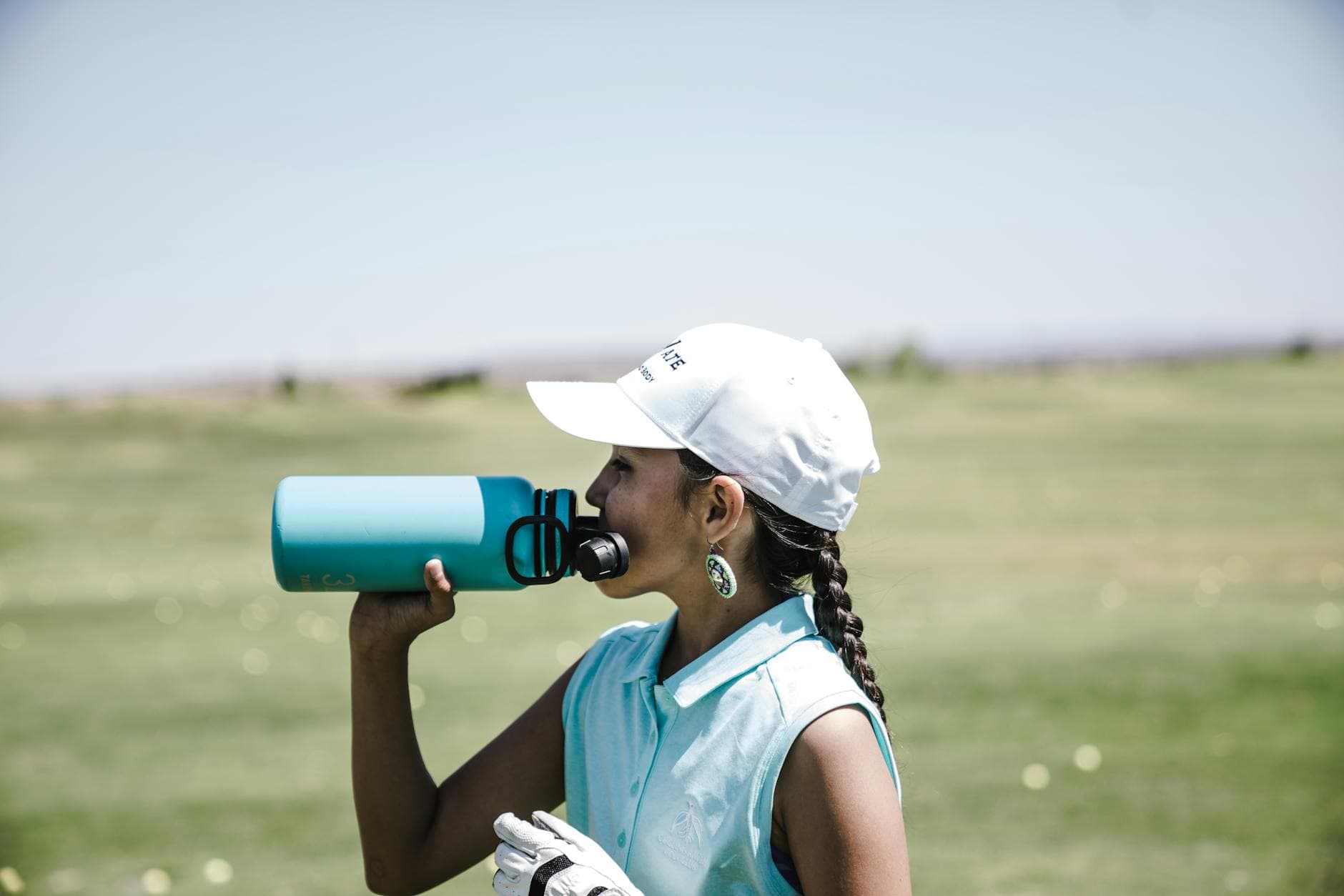
- During-activity hydration: Sip fluids regularly, even if you don't feel parched. Aim for small, frequent amounts. This is a key element of our comprehensive Spring Hydration Plan: Boost Your Performance Now.
- Post-hydration: Replenish fluids lost during your workout to aid recovery.
Beyond Water: The Power of Electrolytes
While water is king, it's not the whole story, especially for longer or more intense sessions. When you sweat, you lose not just water but also essential electrolytes – minerals like sodium, potassium, and magnesium. These play a vital role in nerve function, muscle contraction, and fluid balance. This is where understanding electrolyte replacement sports becomes crucial.
When Water Isn't Enough
For activities lasting longer than an hour, or in conditions where you're sweating heavily, plain water might not be sufficient. Your body needs those lost electrolytes to function optimally. Without them, you can experience cramps, fatigue, and even more serious issues like hyponatremia (low blood sodium).
The Best Drinks for Athletes: What to Reach For
This is where sports drinks shine, but not all are created equal. Look for options that contain a balanced blend of electrolytes and carbohydrates for energy. Coconut water is a natural alternative, offering potassium. For those who prefer a DIY approach, mixing water with a pinch of salt and a splash of fruit juice can provide a quick electrolyte boost. This is also a core component of effective Spring Training Hydration Hacks: Energize & Recover Faster.
Fueling for Outdoor Activity: A Holistic Approach
Hydration is intrinsically linked to overall nutrition and preparation for outdoor endeavors. You can't separate them. Think of it as a complete system working together for your success and well-being. This is the essence of smart fueling for outdoor activity.
The Role of Carbohydrates
Carbohydrates are your body's primary fuel source. Consuming them before and during prolonged activity provides the energy needed to perform at your best. Combining carbs with fluids and electrolytes creates a powerful trifecta for sustained effort.
Nutrient-Dense Foods for Hydration Support
Certain foods also contribute to your hydration status. Fruits and vegetables with high water content, like watermelon, cucumbers, and oranges, can be excellent additions to your diet. They provide fluids, vitamins, and minerals, supporting your overall hydration goals. This dietary strategy is a key aspect of preparing for events like a Spring Marathon Training: Your Intermediate Plan.
Staying Hydrated Outdoors: Practical Tips for Spring
The transition to outdoor training and competition in spring brings unique challenges and opportunities. Armed with the right knowledge, you can make the most of the season. This is more than just drinking; it's about mastering the art of staying hydrated outdoors.
Listen to Your Body, But Don't Wait for Thirst
Thirst is a late indicator of dehydration. Learn to recognize your body's subtle cues. Pay attention to your energy levels, urine color, and any twinges of fatigue or cramping. Your body is constantly sending you messages; it's up to you to interpret them.
Make Hydration a Habit, Not an Afterthought
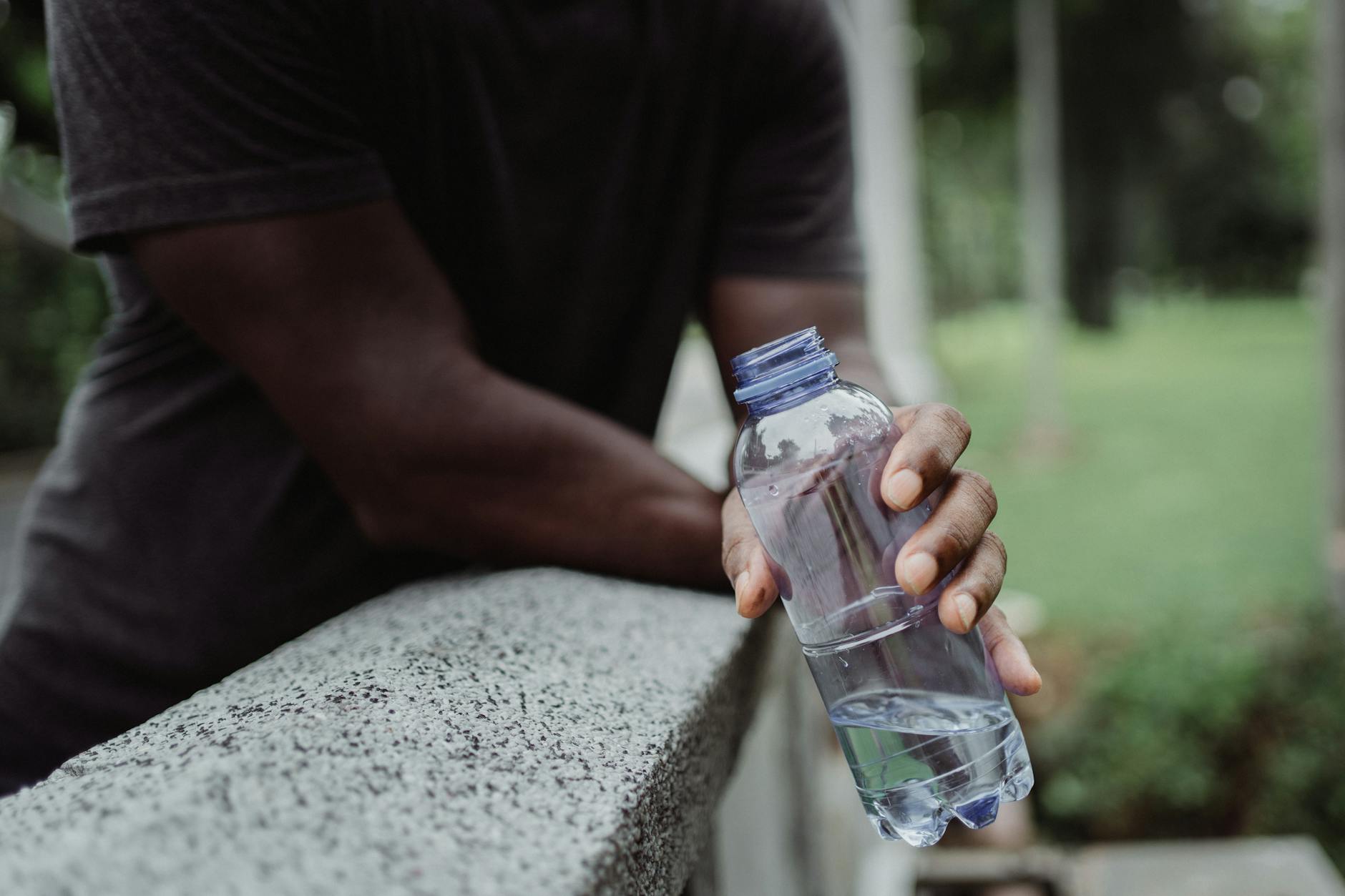
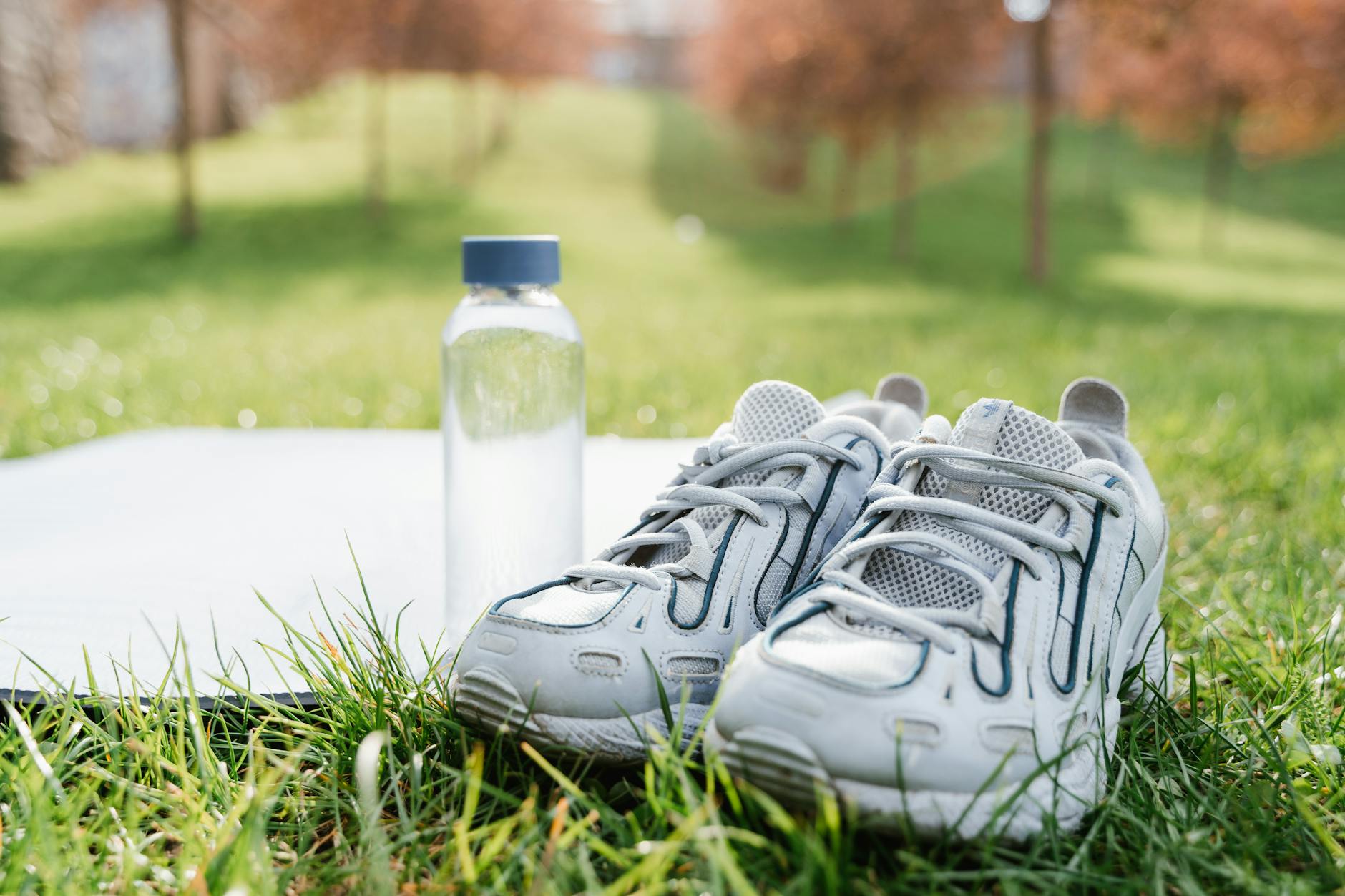
Carry a water bottle with you everywhere. Set reminders on your phone. Make it as routine as lacing up your cleats or putting on your running shoes. This consistent approach is fundamental to successful outdoor workout hydration.
Consider the Environmental Factors
Even on a cool spring day, wind can increase insensible water loss through respiration. Higher altitudes can also increase fluid needs. Factor these elements into your hydration plan. Remember, effective Outdoor Workout Hydration: Spring Hacks for Peak Performance involves constant adaptation.
The Long-Term Benefits of Prioritizing Hydration
Focusing on spring sports hydration isn't just about getting through the next game or practice. It's about building a foundation for long-term health and athletic longevity. The habits you build now will serve you well throughout the year, and indeed, throughout your life.
Enhanced Recovery and Reduced Injury Risk
Proper hydration aids in muscle recovery, reduces inflammation, and helps prevent muscle cramps. This translates to less downtime and a lower risk of nagging injuries. The Mayo Clinic research on spring sports hydration consistently highlights these benefits.
Improved Cognitive Function and Mood
Dehydration can significantly impact your focus, concentration, and even your mood. Staying well-hydrated can lead to sharper mental clarity, better decision-making on the field, and a more positive outlook. This is often overlooked but is a critical aspect of athlete well-being, supported by National Institutes of Health research on spring sports hydration.
Building Sustainable Athletic Performance
When you consistently prioritize hydration, you unlock your body's true potential. You'll find you have more energy, better endurance, and the ability to push your limits safely and effectively. This commitment to well-being is echoed by the World Health Organization research on spring sports hydration, emphasizing its universal importance.
So, as you head out for your next spring training session, whether it's a rigorous practice or a leisurely hike, remember the power of proper hydration. It’s not just about quenching your thirst; it’s about fueling your performance, protecting your health, and truly enjoying the vibrancy of the season. Don't let a cool breeze fool you – your body is working hard, and it deserves the best.