
The sun was just kissing the horizon, painting the sky in hues of orange and pink, and I was already out the door. The air, crisp and cool, promised a perfect morning for a run. I laced up my shoes, grabbed my water bottle – a habit I’ve meticulously built over years of trail running and park workouts – and headed out. This ritual, this simple act of preparing for outdoor workout hydration, is more critical than most people realize. It’s the silent guardian of our performance and, frankly, our well-being when we push ourselves under the open sky.
The Unsung Hero of Outdoor Fitness: Fluid Intake
You’re out there, feeling the burn, the wind in your hair, the sheer joy of movement. But are you thinking about what’s happening inside? Your body is working overtime, and it’s sweating. A lot. This isn't just about quenching thirst; it’s about maintaining the delicate balance that allows your muscles to contract, your brain to signal, and your body to regulate its temperature. I’ll be real with you, I used to be terrible at this. I’d just grab a bottle and go, only realizing I was parched halfway through a grueling hill climb. That’s a fast track to feeling sluggish, dizzy, and frankly, miserable. Proper workout fluid intake is the bedrock of any successful outdoor session.
Why Water Isn't Always Enough
We all know water is king. It’s the most basic and essential component of our hydration strategy. But when you’re really pushing it, especially during longer sessions or in warmer weather, plain water might not cut it. Think about the last time you felt that deep fatigue, that cramping that seemed to come out of nowhere. Chances are, you were losing more than just water; you were losing electrolytes.
The Electrolyte Equation
These vital minerals – sodium, potassium, chloride, magnesium – are like the oil in your body’s engine. They’re crucial for nerve function, muscle contractions, and maintaining fluid balance. When you sweat, you lose them. For shorter, less intense workouts, your regular diet might replenish them sufficiently. But for anything that gets you really working up a sweat, like a long hike or an intense interval session, you need to be more mindful. This is where understanding hydration for exercise becomes more nuanced.

Mastering Your Outdoor Workout Hydration Strategy
So, how do we get this right? It’s not as complicated as it might sound, but it does require a bit of forethought. The goal is to stay ahead of the curve, not play catch-up. I’ve experimented with countless approaches, and here’s what I’ve found to be the most effective way to stay hydrated outdoors.
Pre-Hydration: Laying the Groundwork
This is perhaps the most overlooked phase. You wouldn’t start a long drive with an almost empty gas tank, right? Your body is the same. Start hydrating well before you even think about stepping outside. Aim to drink fluids consistently throughout the day leading up to your workout. This isn't about chugging gallons right before you leave; it's about building up a good reserve.
The Day Before Matters
Seriously, what you do the day before your big outdoor adventure or tough training session can make a huge difference. Ensure you’re consistently sipping water, herbal teas, or other healthy fluids. This sets you up for optimal performance and reduces the risk of dehydration-related issues.
During the Workout: The Constant Flow
This is where many people falter. The temptation is to wait until you feel thirsty. Bad idea. Thirst is actually a signal that you’re *already* starting to dehydrate. For workouts lasting longer than 60 minutes, or in hot and humid conditions, sipping fluids regularly is key. Aim for small, frequent sips rather than large gulps.
Running and Hydration: A Delicate Dance
For those of you pounding the pavement or trails, water intake during running needs to be strategic. If you’re running for less than an hour, water is usually sufficient. For longer runs, especially in warmer weather, consider carrying an electrolyte drink. Many runners plan their routes around water fountains or stash bottles at designated points. It sounds like a lot of planning, but it’s worth it for comfort and performance.
Post-Workout Recovery: Replenish and Rebuild
Don’t stop hydrating just because the workout is over! Your body needs to replenish the fluids and electrolytes lost. This is crucial for muscle recovery and preventing post-exercise fatigue. Continue sipping fluids for a few hours after your session.
The Rehydration Rush
Think of this as the crucial final step in your outdoor workout hydration plan. Rehydrating effectively helps your body repair itself and prepares it for your next challenge. It’s not just about feeling better; it’s about optimizing your recovery.
When Things Go Wrong: Recognizing Dehydration Symptoms
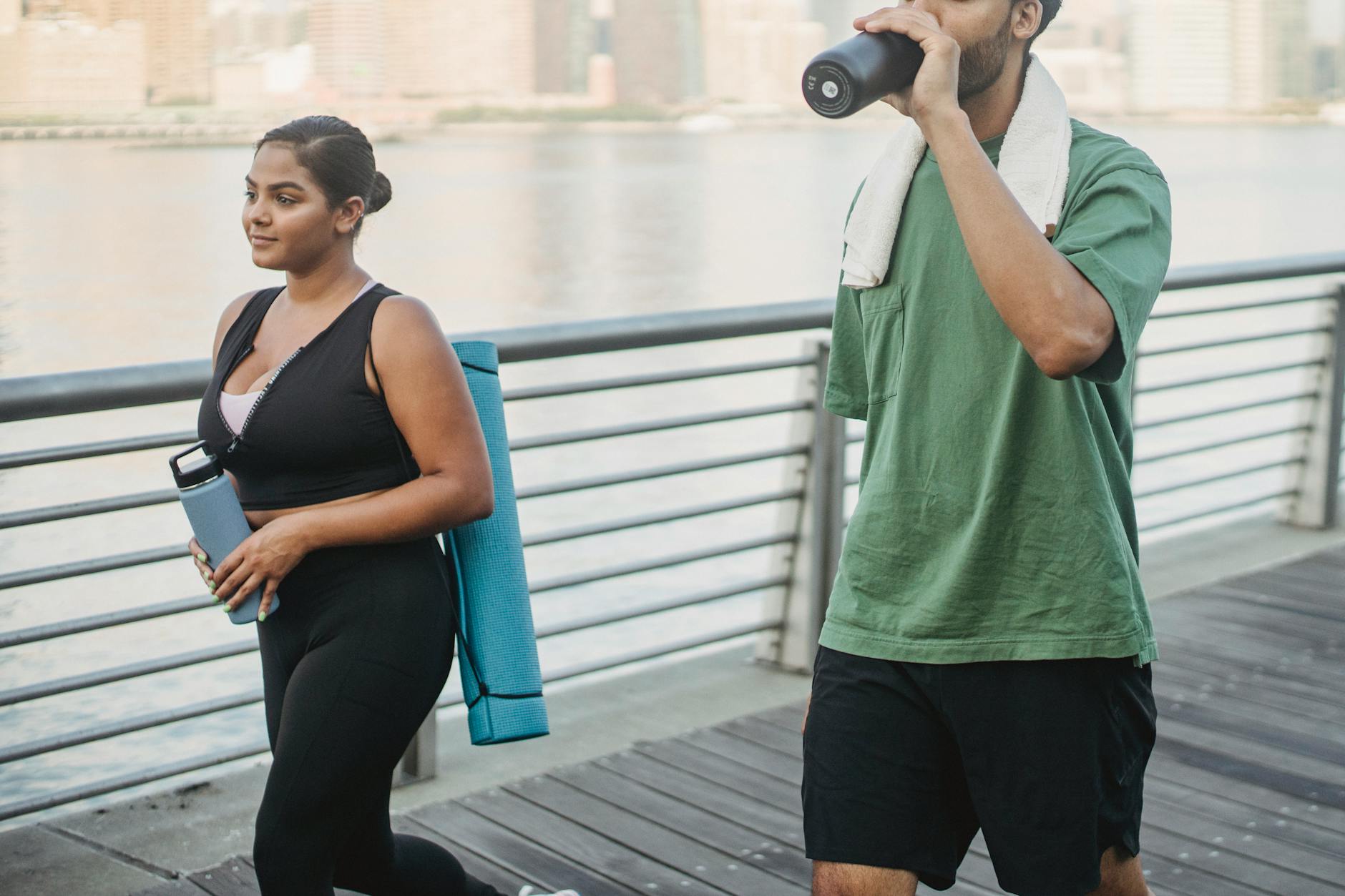
Even with the best intentions, sometimes we push too hard or underestimate the conditions. Knowing the signs of dehydration is vital for preventing serious issues. I’ve seen people push through, thinking they’re just tired, only to realize later they were severely dehydrated. This is where understanding dehydration symptoms exercise can be a lifesaver.
The Early Warning Signs
These are the subtle cues your body gives you. Increased thirst is the most obvious, but also pay attention to dry mouth, fatigue, headache, and decreased urine output (and color – it should be pale yellow). If you notice any of these, it’s time to slow down and rehydrate immediately.
The More Serious Red Flags
As dehydration progresses, symptoms can become more severe. This includes dizziness, confusion, rapid heartbeat, muscle cramps, and lack of sweating. If you or someone you’re with experiences these, it’s a medical emergency. This is where heat exhaustion prevention becomes paramount.
When to Seek Help
Don’t be a hero. If symptoms are severe, or if they don’t improve with rest and rehydration, seek medical attention. The World Health Organization emphasizes the importance of recognizing and treating dehydration promptly to avoid more severe complications. You can find more information on their site regarding proper fluid management. World Health Organization research on outdoor workout hydration offers critical insights.
Choosing Your Hydration Arsenal: What to Drink
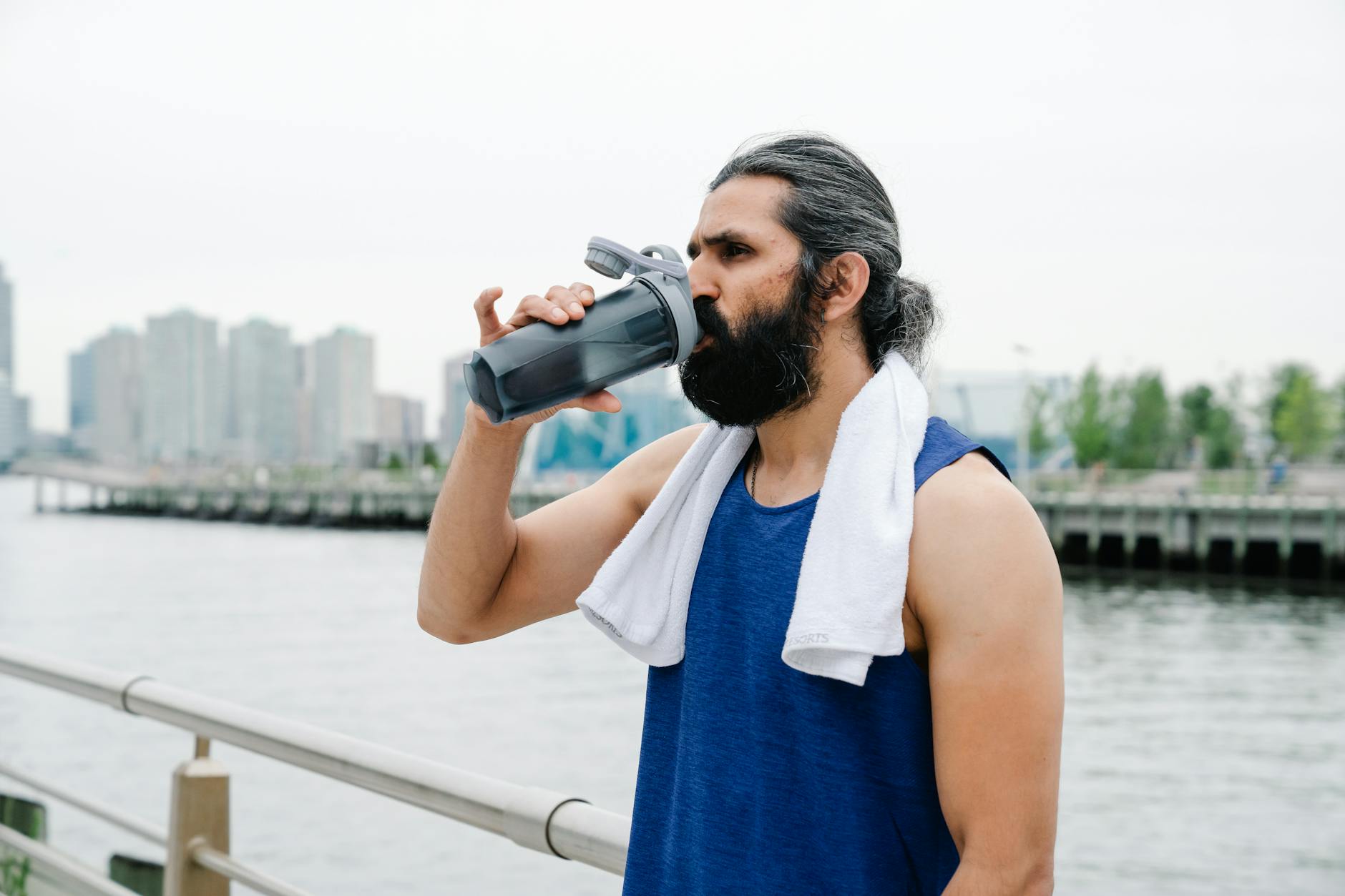
When it comes to fueling your outdoor adventures, your drink choice matters. While water is the foundation, other options can boost your performance and recovery. This is where learning about the best drinks for workouts comes into play.
Beyond the Bottle: Sports Drinks and Beyond
For longer or more intense workouts, sports drinks can be beneficial. They provide carbohydrates for energy and electrolytes to replace what you lose through sweat. However, watch out for high sugar content. Many athletes find success with a balanced approach.
Electrolytes: Your Performance Partners
If you’re an athlete who sweats a lot, or if you’re training for events like a spring marathon training, focusing on electrolyte replenishment is crucial. You can find electrolyte tablets, powders, or even natural sources like coconut water (in moderation, as it can be high in natural sugars). The National Institutes of Health has a wealth of information on the role of electrolytes in athletic performance. National Institutes of Health research on outdoor workout hydration provides detailed scientific backing.
When to Stick to the Basics
For shorter, less intense outdoor sessions, like a brisk walk or a light yoga class, plain water is usually perfectly adequate. Don’t overcomplicate things if it’s not necessary. The key is to listen to your body and understand the demands of your specific activity.
The Bigger Picture: Hydration for Outdoor Longevity
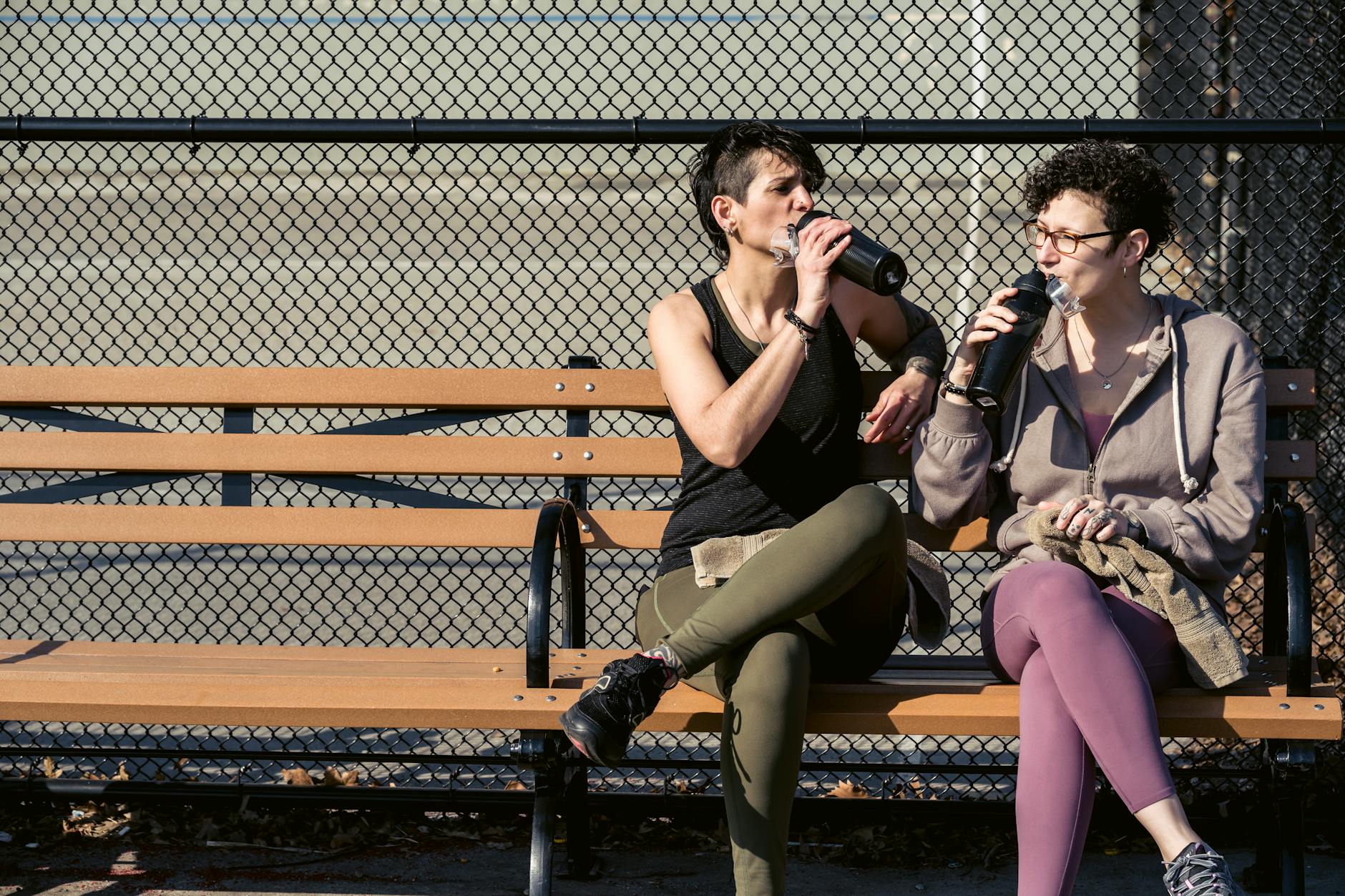
Thinking about outdoor workout hydration isn't just about the immediate workout. It’s about building sustainable habits that support your overall health and fitness journey. When you consistently nail your hydration, you’re not just performing better; you’re recovering faster, reducing your risk of injury, and feeling more energized throughout your day. It’s a foundational element for anyone who loves to move outside.
Making it a Habit
The best performance hydration strategies are the ones you can stick to. For me, it started with small changes: keeping a water bottle on my desk, setting reminders, and planning my hydration around my workouts. It’s like building any other fitness habit, like sticking to a daily workout plan or incorporating plyometric exercises for spring power – consistency is everything.
Listen to Your Body, Always
This is the most important piece of advice I can give. While general guidelines are helpful, your individual needs will vary based on your body, the climate, and the intensity of your activity. Pay attention to how you feel. Are you feeling sluggish? Is your urine consistently dark? These are signals. The Mayo Clinic offers excellent resources on fluid intake and its impact on health. Mayo Clinic research on outdoor workout hydration can help you understand individual needs.
So, the next time you head out for that run, that hike, or that outdoor fitness class, remember the silent, powerful force that will determine your success: your hydration. It’s not just about drinking water; it’s about a mindful, strategic approach that fuels your body and allows you to truly enjoy the incredible benefits of exercising in the great outdoors. Don't let dehydration be the reason you cut your adventure short or feel less than your best. Embrace smart outdoor workout hydration, and unlock your full potential.