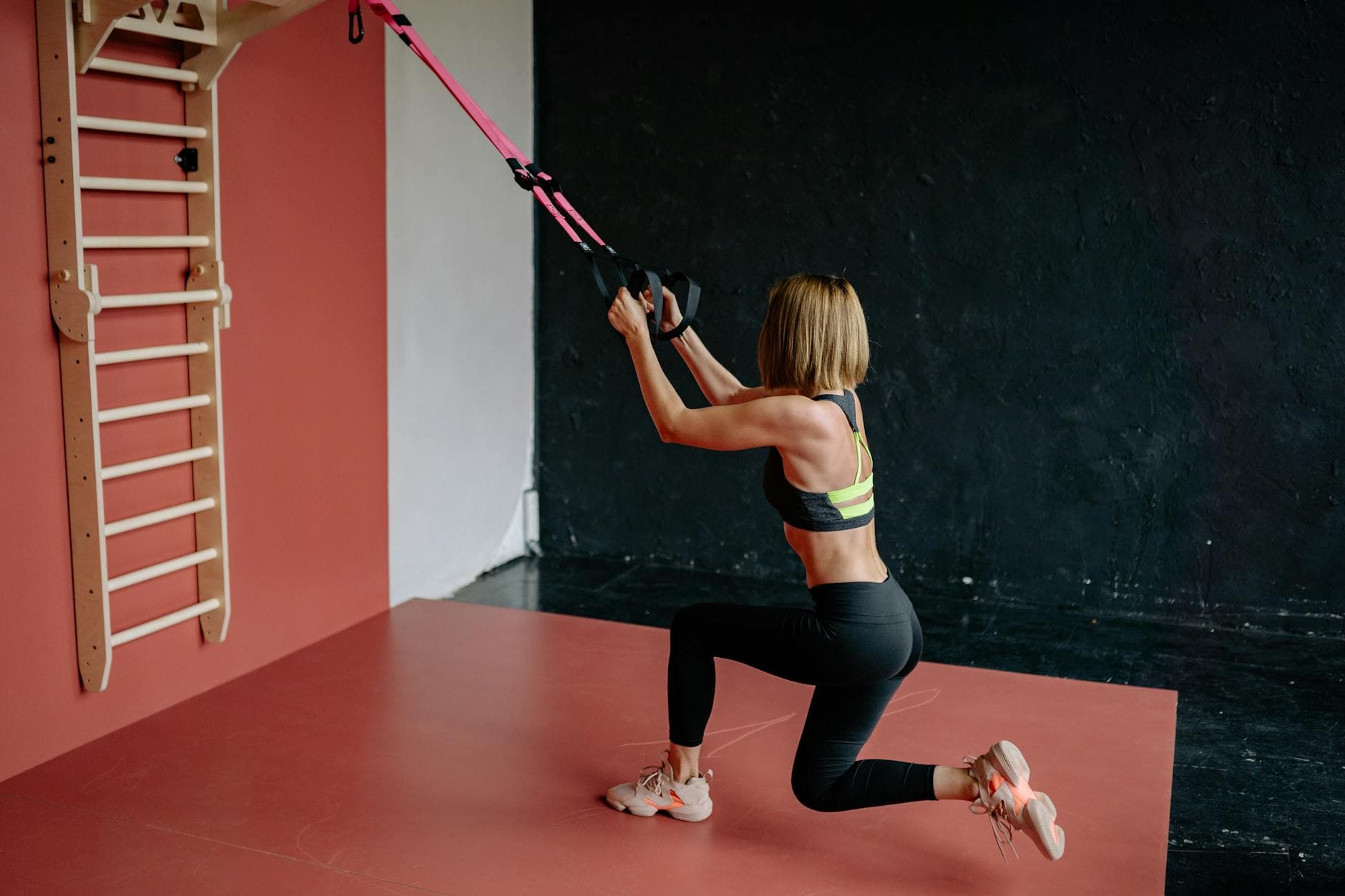
The air is thick with the smell of chalk and effort. You’re hanging from a bar, legs straight, trying to pull them up to your chest. It feels impossible. Your lower back screams, your hips feel glued, and the imagined six-pack is still just that – imagined. This is the moment where many hit a wall with their core work. They’ve mastered the plank, crushed endless crunches, and maybe even dabbled in some leg raises. But they’re ready for more. They’re ready for **advanced core training**.
Beyond the Basics: What Advanced Core Training Really Means
Forget the idea that advanced core training is just about doing more crunches or holding a plank for longer. That’s like saying advanced cooking is just chopping more onions. It’s about complexity, control, and integration. It’s about understanding that your core isn’t just your abs; it’s a 360-degree system that includes your obliques, lower back, glutes, and even your diaphragm.
The Core as a Kinetic Chain Link
Your core acts as the crucial link between your upper and lower body. Think about throwing a ball, swinging a golf club, or even just walking. None of these movements would be powerful or efficient without a strong, stable core to transfer force. Advanced core training focuses on building this transfer capability, not just brute strength in isolation.
Progressive Overload for Your Midsection
Just like any other muscle group, your core needs progressive overload core to continue adapting and getting stronger. This means gradually increasing the demands placed upon it. For the core, this can mean adding weight, increasing range of motion, changing leverage, or introducing unstable surfaces.
The Goal: Functional Strength and Stability
The ultimate aim of advanced core training is to improve your functional core strength. This translates to better performance in sports, fewer injuries in everyday life, and a more resilient body overall. It’s about building a core that can handle the demands of life, not just look good on the beach.

When to Level Up: Recognizing Your Readiness
You might be asking yourself, "Am I ready for this?" It’s a fair question. Jumping into advanced core work too soon can lead to frustration and, worse, injury. Here’s how to tell if you’ve outgrown your current routine.
Mastering the Foundational Movements
Before you even think about advanced core training, you need to have a solid foundation. This means you can comfortably perform basic exercises with good form.
- Plank: Can you hold a solid plank for at least 60 seconds, maintaining a straight line from head to heels without your hips sagging or rising?
- Bird-Dog: Can you extend opposite arm and leg with control, keeping your torso completely stable and preventing any rotation?
- Dead Bug: Are you able to keep your lower back pressed into the floor while extending opposite arm and leg, demonstrating excellent control?
- Glute Bridge: Can you activate your glutes and lift your hips without arching your lower back excessively?
Feeling the Difference in Everyday Life
Your body tells you a lot. If you’re experiencing nagging lower back pain, a general sense of instability, or your movements feel disconnected, it’s a sign your core might need more sophisticated attention. You might be noticing that your strength training core work feels like it’s plateauing, and you’re not seeing the improvements you once did.
Seeking a New Challenge
Honestly, sometimes it’s just about wanting more. You’ve conquered the basics, and your body is craving a new stimulus. This desire for a greater challenge is a powerful indicator that it’s time to explore advanced core training.
The Pillars of Advanced Core Training
Once you’re ready, it’s time to build. Advanced core training isn't a single exercise; it's a philosophy built on several key principles.
1. Anti-Rotation: The Unsung Hero
This is where I’ll be real with you: anti-rotation exercises are often overlooked, but they are absolutely critical for a truly robust core. Think about it – life constantly throws asymmetrical forces at you. You’re carrying a heavy bag on one shoulder, picking up a child, or even just walking on uneven terrain. Your core’s job is to prevent unwanted rotation.
- Pallof Press: This is the gold standard. Using a cable machine or resistance band, stand perpendicular to the anchor point and press the handle straight out in front of you, resisting the pull that wants to twist your torso. Focus on bracing your entire core.
- Suitcase Carry: Simply holding a heavy dumbbell or kettlebell in one hand and walking with perfect posture. It forces your obliques on the opposite side to work overtime to keep you upright. I used to think this was too simple, but the burn is intense and the carryover to real-life strength is huge.
- Renegade Rows: Starting in a plank position with hands on dumbbells, perform a row with one arm, then the other. The instability of balancing on your hands while rowing is a massive anti-rotation challenge.
2. Rotational Power: Controlled Explosiveness
While anti-rotation is about stability, rotational core strength is about generating power through rotation. This is vital for any sport involving swinging or throwing.
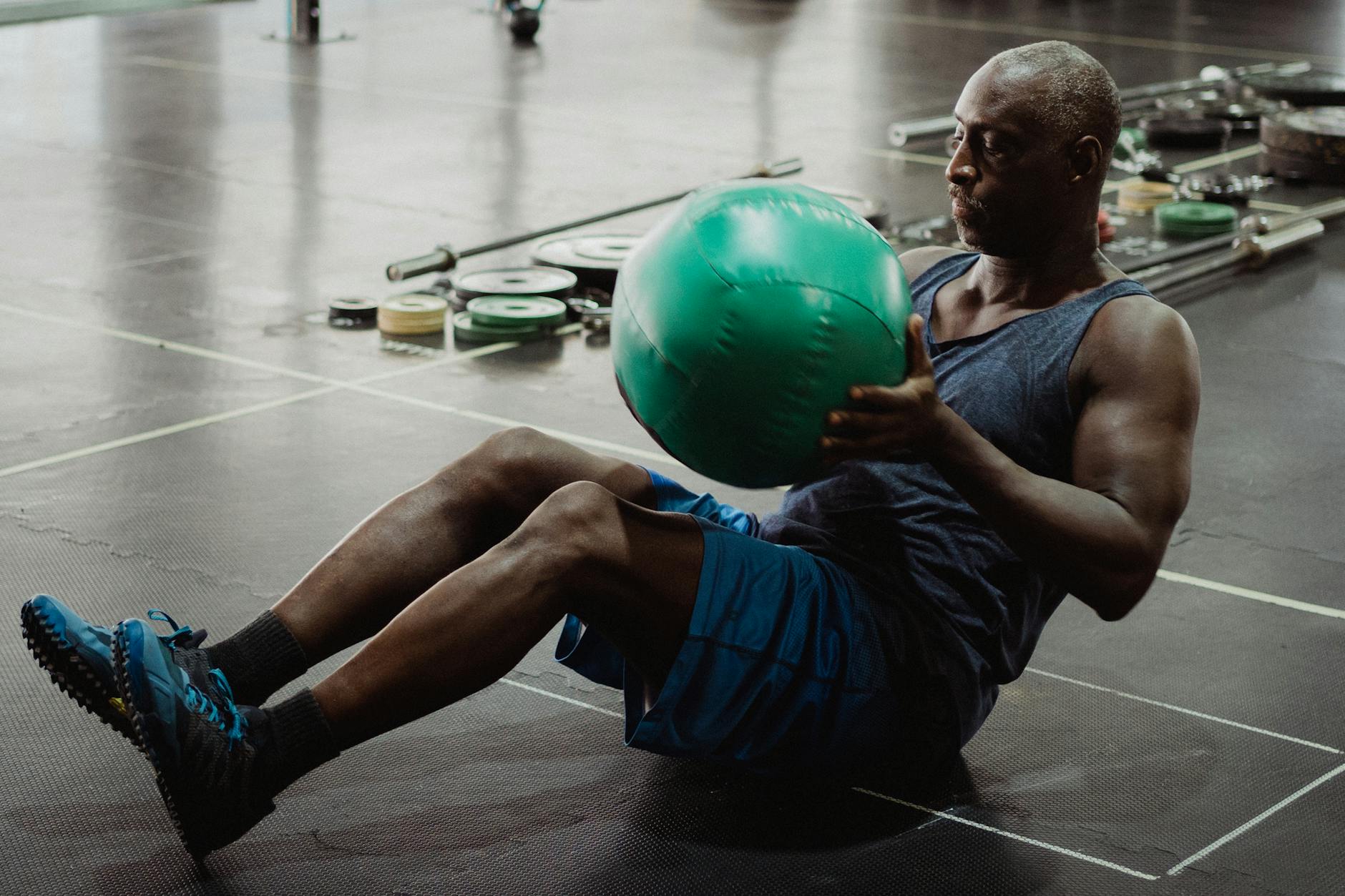
- Medicine Ball Throws: Standing with your side to a wall, rotate your torso and explosively throw a medicine ball against it. Focus on using your hips and core to generate the power, not just your arms.
- Cable Wood Chops: Similar to the medicine ball throws, but using a cable machine for consistent tension. Vary the angle – high to low, low to high – to hit different planes of motion.
- Russian Twists (with weight): While many do these incorrectly, when performed with controlled hip rotation and a deliberate twist through the torso, they can be effective. Keep your feet planted or slightly elevated for increased difficulty.
3. Loaded Carries and Grinds: The Functional Powerhouses
Loaded carries aren't just for strongmen. They are arguably some of the best **advanced core training** exercises you can do because they mimic real-life demands.
- Farmer's Walk: Gripping heavy dumbbells or kettlebells in each hand and walking. This is a full-body exercise that lights up your core, traps, forearms, and grip strength.
- Overhead Carry: Holding a weight overhead with locked-out arms. This challenges your shoulder stability and forces your core to work incredibly hard to prevent your torso from arching or collapsing.
- Bear Crawls (weighted): Adding a weight vest or placing a light plate on your back during bear crawls significantly increases the core challenge, demanding constant stabilization.
4. Spinal Flexion and Extension with Load
While we often focus on anti-rotation and flexion/extension for stability, controlled movement through these planes with added load is also key.
- Hanging Leg Raises (to bar): Going beyond just bringing your knees to your chest, aim to bring your toes to the bar. This requires significant abdominal strength and control.
- Good Mornings: With a barbell on your back, hinge at the hips, keeping your back straight, and lower your torso until it’s parallel to the floor, then return to the start. This is a fantastic exercise for the posterior chain, including the lower back and glutes, which are vital core muscles.
- Hyperextensions (weighted): Performed on a 45-degree or horizontal bench, this exercise targets the erector spinae muscles of the lower back. Adding a weight plate to your chest increases the intensity.

Designing Your Advanced Core Training Program
So, how do you put all this together? It’s not about doing every exercise every day. It’s about smart programming.
Integrating into Your Existing Routine
You don't need a separate "core day." In fact, I’d argue against it. Your core should be involved in most of your strength training.
- Post-Strength Training: Add 1-2 advanced core exercises to the end of your weightlifting sessions. Focus on exercises that complement your workout. If you did squats, maybe some anti-rotation work. If you did overhead presses, focus on loaded carries.
- Warm-up Activation: Incorporate some dynamic core movements like bird-dogs or dead bugs into your warm-up to prime your core for the heavier lifts to come. This is a great way to prepare for movements like those in Outdoor HIIT Spring where explosive power is key.
The Role of Progressive Overload Core
Remember, progression is paramount. Don't get stuck doing the same thing week after week.
Increasing Weight or Resistance
This is the most obvious form of progression. If you’re doing Pallof presses with a 20lb band, move to a 30lb band when it feels manageable. For suitcase carries, increase the dumbbell weight.
Increasing Volume or Density
If you can’t increase weight, increase reps, sets, or decrease rest times. For example, instead of 3 sets of 10 reps, try 4 sets of 8 reps with shorter rest.
Increasing Time Under Tension
Slow down the eccentric (lowering) portion of movements. For a renegade row, take 3 seconds to lower the dumbbell back down. This significantly increases the challenge.
Changing Leverage or Instability
This is where things get really interesting. Try performing a Pallof press from a kneeling position, or a plank with your feet elevated. This forces your core to work harder to maintain stability.
Sample Spring Core Progression (Adaptable for Any Season)
Let’s say you’re looking to build a stronger core as the weather warms up, perhaps preparing for more active pursuits. You could adapt some of these ideas into a Low Impact Spring Workouts routine or even a more intense Outdoor HIIT Spring session.
Here’s a sample approach to a spring core progression:
Week 1-2: Foundation & Activation
- Pallof Press (band): 3 sets x 10-12 reps per side
- Suitcase Carry: 3 sets x 30 seconds per side
- Bird-Dog: 3 sets x 10-12 reps per side (focus on control)
Week 3-4: Introducing Load & Rotation
- Pallof Press (band or light cable): 3 sets x 10-12 reps per side
- Suitcase Carry (increase weight): 3 sets x 30-45 seconds per side
- Medicine Ball Rotational Throws (light ball, focus on form): 3 sets x 8-10 reps per side
- Hanging Knee Raises: 3 sets x 10-15 reps
Week 5-6: Higher Intensity & Complexity
- Pallof Press (cable, moderate weight): 3 sets x 8-10 reps per side
- Farmer's Walk (heavier weight): 3 sets x 45-60 seconds
- Renegade Rows (bodyweight or light dumbbells): 3 sets x 5-8 reps per side
- Cable Wood Chops (moderate weight): 3 sets x 10-12 reps per side
This is just an example, of course. The key is to listen to your body, gradually increase the challenge, and always prioritize form. You might find that incorporating these advanced core training principles helps you push through plateaus in other areas of your strength training.

Common Pitfalls to Avoid
Even with the best intentions, people often stumble when trying to advance their core training. Here’s what to watch out for.
Overemphasizing Spinal Flexion
Endless crunches and sit-ups can be problematic. They put a lot of repetitive stress on your spine and often don't engage the deep core stabilizers as effectively as other methods. Research from institutions like the Harvard Health research on advanced core training often highlights the importance of a balanced approach.
Ignoring the Posterior Chain
Your core isn't just your abs. Your glutes and lower back are integral parts of your core musculature. Neglecting exercises like glute bridges, good mornings, or hyperextensions will leave your core incomplete and potentially vulnerable. This is a crucial aspect of overall core conditioning program.
Sacrificing Form for More Weight or Reps
This is a cardinal sin in any training, but especially with the core. When your form breaks down, you’re not just reducing the effectiveness of the exercise; you’re actively increasing your risk of injury. This applies whether you’re doing a simple Spring Body Reset movement or a complex lift.
Lack of Consistency
The most advanced core training program in the world won't work if you don't stick to it. Consistency is key to seeing results and achieving peak core performance. Even a few well-chosen exercises done consistently are better than a comprehensive program done sporadically.
The Long-Term Benefits of a Strong Core
Investing in advanced core training isn't just about aesthetics or immediate performance gains. The benefits ripple through your entire life.
Injury Prevention
A strong, stable core acts as a natural brace for your spine and pelvis. This dramatically reduces your risk of lower back pain, strains, and other common injuries that can arise from daily activities or athletic endeavors. This is a core stability exercises benefit that truly pays dividends.
Improved Athletic Performance
Whether you’re a runner, a swimmer, a weightlifter, or a weekend warrior playing tennis, a powerful core translates to better force transfer, increased power output, and improved balance and agility. It’s the foundation upon which all other athletic movements are built.
Enhanced Everyday Functionality
Think about carrying groceries, lifting your kids, or even just sitting at your desk for long periods. A well-trained core makes all these tasks easier and more comfortable. You’ll feel more stable, stronger, and less prone to fatigue.
Better Posture and Reduced Pain
A weak core often leads to poor posture, which can cause chronic pain in your back, neck, and shoulders. By strengthening your core, you can improve your alignment, alleviate pressure on your spine, and stand taller with more confidence.
The journey to advanced core training is a rewarding one. It requires patience, dedication, and a willingness to move beyond the basics. But the payoff – a stronger, more resilient, and more capable body – is absolutely worth the effort. So, next time you’re in the gym, or even just thinking about your next workout, remember that your core is your powerhouse. Give it the attention it deserves, and you’ll unlock a level of strength and stability you never thought possible.