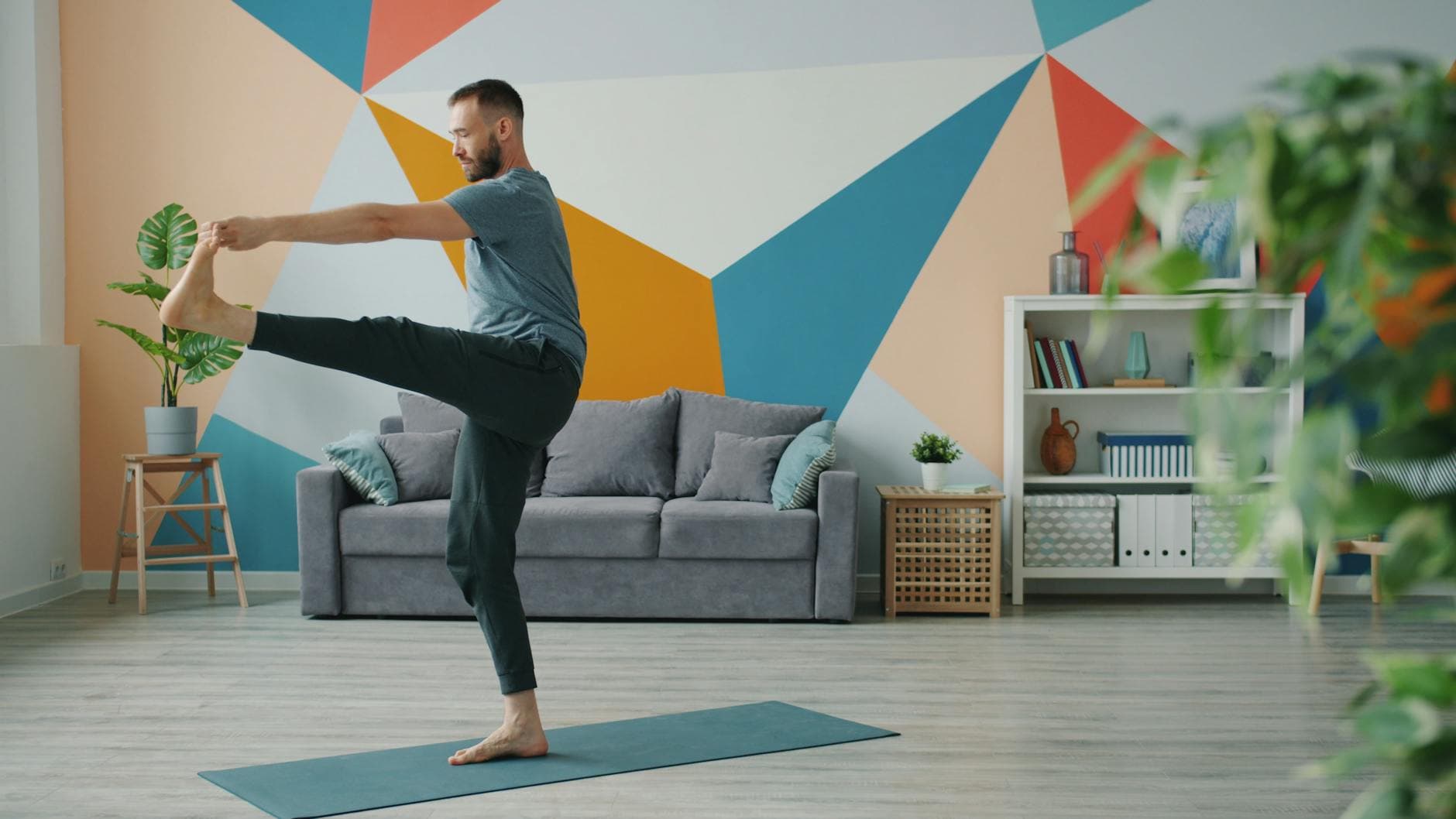
Ever stumbled when you weren't expecting to? Or maybe you've noticed yourself feeling a bit wobbly getting out of a chair lately? Honestly, most of us don't give our balance much thought until it starts to falter. But here's the thing: maintaining good balance isn't just about avoiding embarrassing moments; it's a fundamental part of our physical well-being, impacting everything from athletic performance to our ability to live independently as we age. That's where the magic of balance exercises comes in.
Why You Should Care About Your Balance
Think about it. Every single movement you make, from walking across a room to reaching for something on a high shelf, relies on your ability to stay upright and stable. Your brain, inner ear (your vestibular system), and your body's sensory feedback (proprioception) all work together in a complex dance to keep you grounded. When one of these systems is a little off, or simply not trained, you're going to feel it.
The Silent Deterioration
It's a slow creep, isn't it? You might not notice it day-to-day, but over time, our natural balance can decline. This isn't just an "old person" problem, though it certainly becomes more pronounced with age. A sedentary lifestyle, certain medical conditions, or even just a lack of targeted training can lead to a gradual weakening of the muscles and systems responsible for maintaining postural stability.
Beyond Just Not Falling
Improving your balance does so much more than just help prevent falls. It can significantly enhance your athletic capabilities. Athletes across all disciplines, from runners and basketball players to golfers and dancers, benefit immensely from dedicated balance training. Better balance means better control, more power transfer, and reduced risk of injury. It’s a foundational skill that underpins almost every physical activity you can imagine.
Building a Better Balance Foundation: The Core Connection
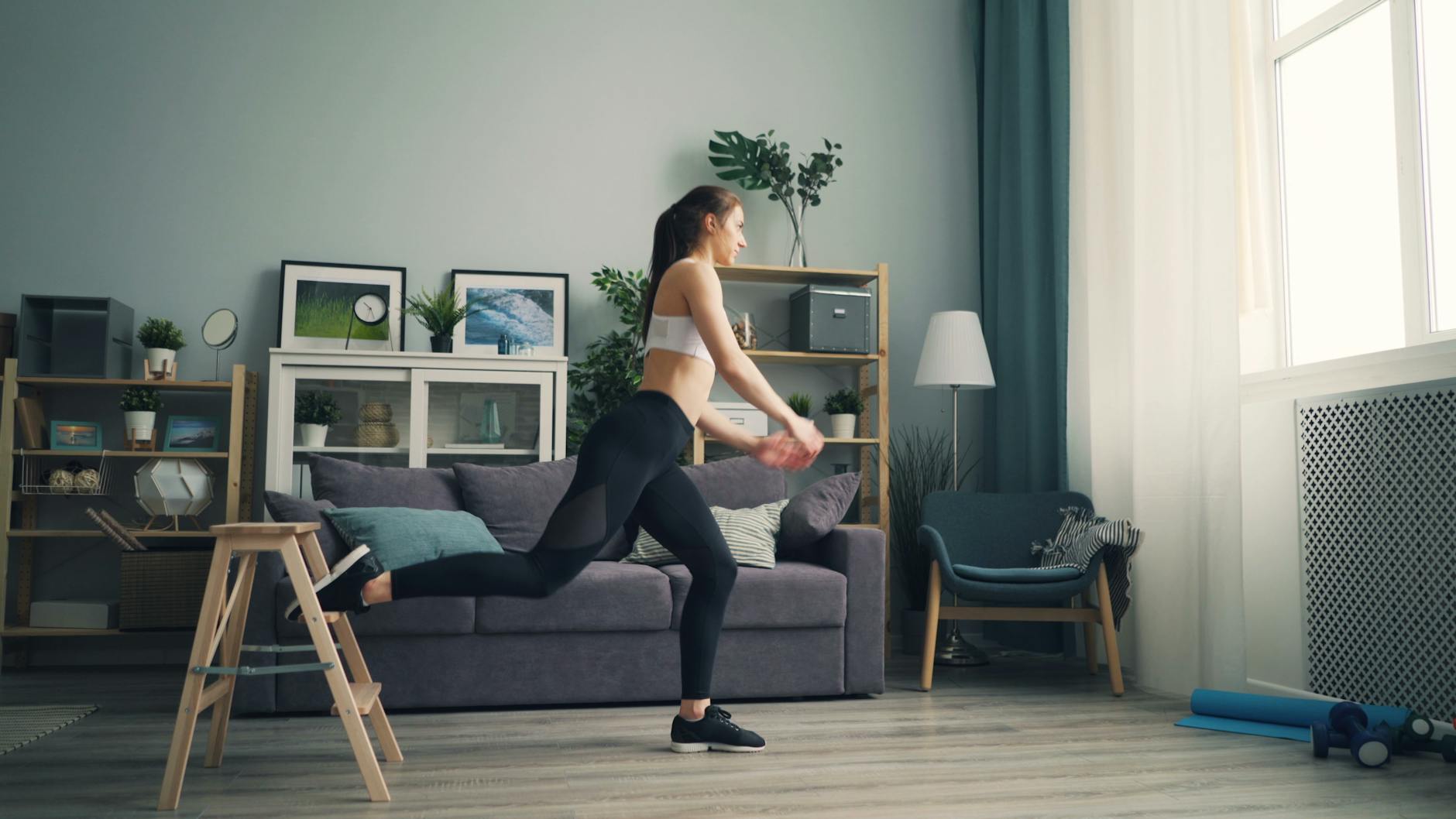
If you want to improve your balance, you absolutely have to talk about your core. This isn't just about getting a six-pack, though that's a nice side effect. Your core muscles – the ones in your abdomen, back, and pelvis – act like a natural brace for your entire body. They are crucial for stabilizing your spine and pelvis, which are the central pillars of your entire structure.
The Core's Role in Stability
When you stand on one leg, for example, your core has to work overtime to keep you from tipping over. Without a strong, engaged core, that single leg balance exercise becomes significantly harder, and much less effective. Think of your core as the engine room of your balance system. If that engine isn't running smoothly, the rest of the ship is going to sway.
Exercises to Strengthen Your Core for Balance
There are so many fantastic ways to build a bulletproof core. While I'm a huge fan of dedicated core work, you'll find that many balance exercises naturally engage these muscles. However, if you want to give yourself an extra edge, consider incorporating exercises like planks (all variations!), bird-dogs, and dead bugs. These are excellent for building endurance and control in your deep core muscles. For a more comprehensive approach, check out some great fat burning abs routines that focus on functional core strength.
Mastering the Single Leg Stance
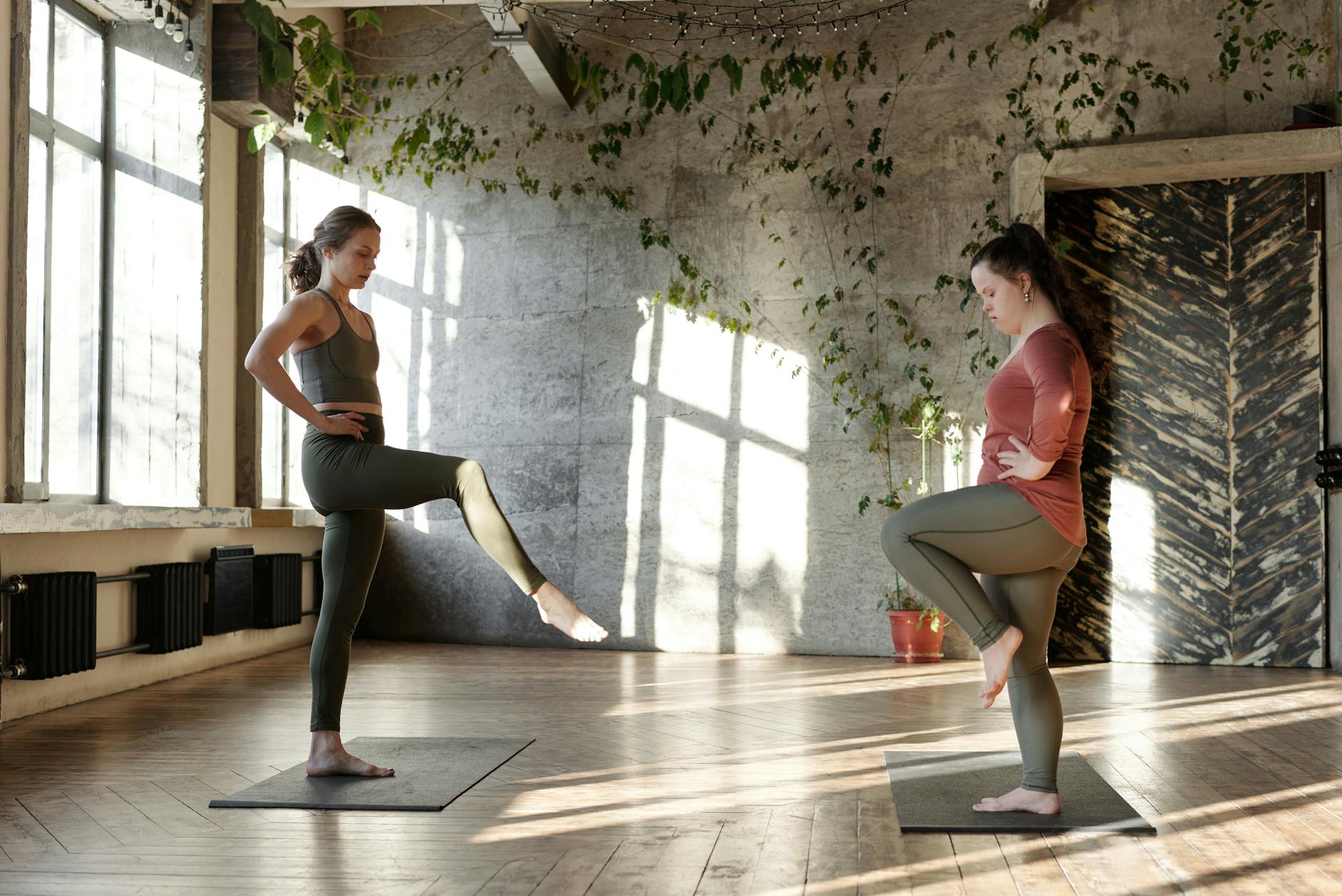
This is where the rubber meets the road for many balance exercises. Standing on one leg is a surprisingly challenging yet incredibly effective way to improve your stability. It directly targets the muscles in your ankles, knees, and hips, as well as forcing your core to work harder to keep you upright.
The Basic Single Leg Stand
Start simple. Stand near a wall or sturdy piece of furniture you can grab if needed. Lift one foot a few inches off the ground, keeping your standing leg slightly bent (not locked). Focus on a spot in front of you for a visual anchor. Hold for 20-30 seconds, then switch legs. Don't worry if you wobble; that's the point!
Progression is Key
Once the basic single leg stand feels comfortable, it's time to level up. Try closing your eyes for a few seconds (use caution here!). Or, stand on an unstable surface like a folded towel or a pillow. You can also add movement: try gently kicking your lifted leg forward and backward, or reaching your arms overhead. These variations significantly increase the challenge and recruit more stabilizing muscles. This is fundamental to effective yoga poses for beginners as well, where grounding and stability are paramount.
Beyond Standing: Dynamic Balance Drills
Static holds are great, but life isn't static. We're constantly moving, shifting our weight, and adjusting. That's why incorporating dynamic balance drills into your routine is so crucial. These exercises mimic real-world movements and challenge your body's ability to maintain balance while in motion.
Walking on a Line
Imagine you're walking a tightrope. Stand with your feet together, then take a step forward, placing your heel directly in front of your toes. Continue walking in a straight line, focusing on controlled, deliberate movements. You can make this harder by walking heel-to-toe backwards, or by turning your head side to side as you walk. This is a simple yet effective way to improve coordination exercises.
Leg Swings and Reaches
While standing on one leg, gently swing your free leg forward and backward. Then, try side to side. The key is to control the movement, not to swing wildly. Another great drill is to stand on one leg and reach your opposite hand towards the floor, as if you're picking something up. This requires significant torso and hip stability. These types of movements are also excellent for improving Harvard Health research on balance exercises often highlights the importance of such functional movements.
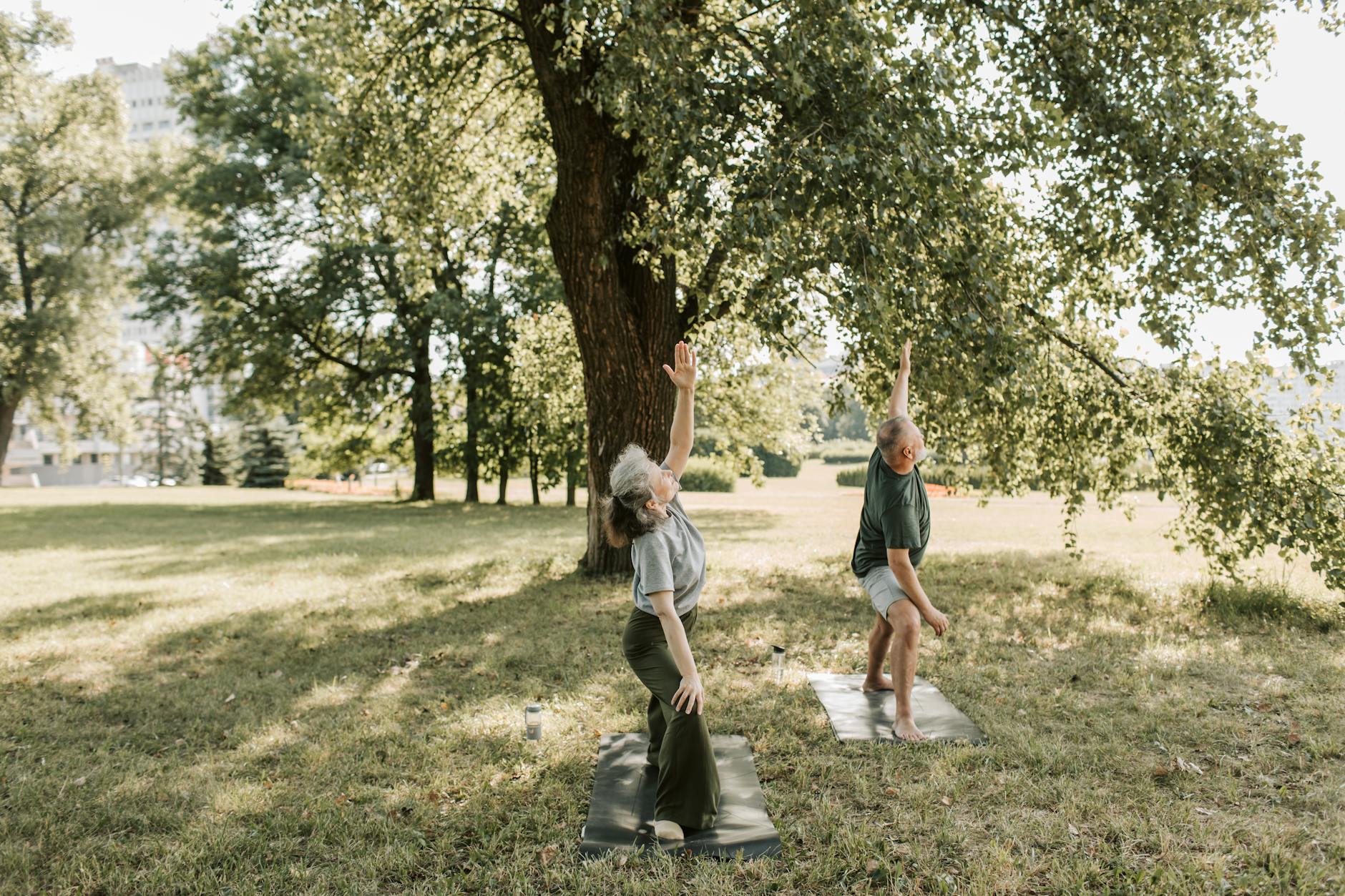
Balance Exercises for Seniors: Staying Independent and Active
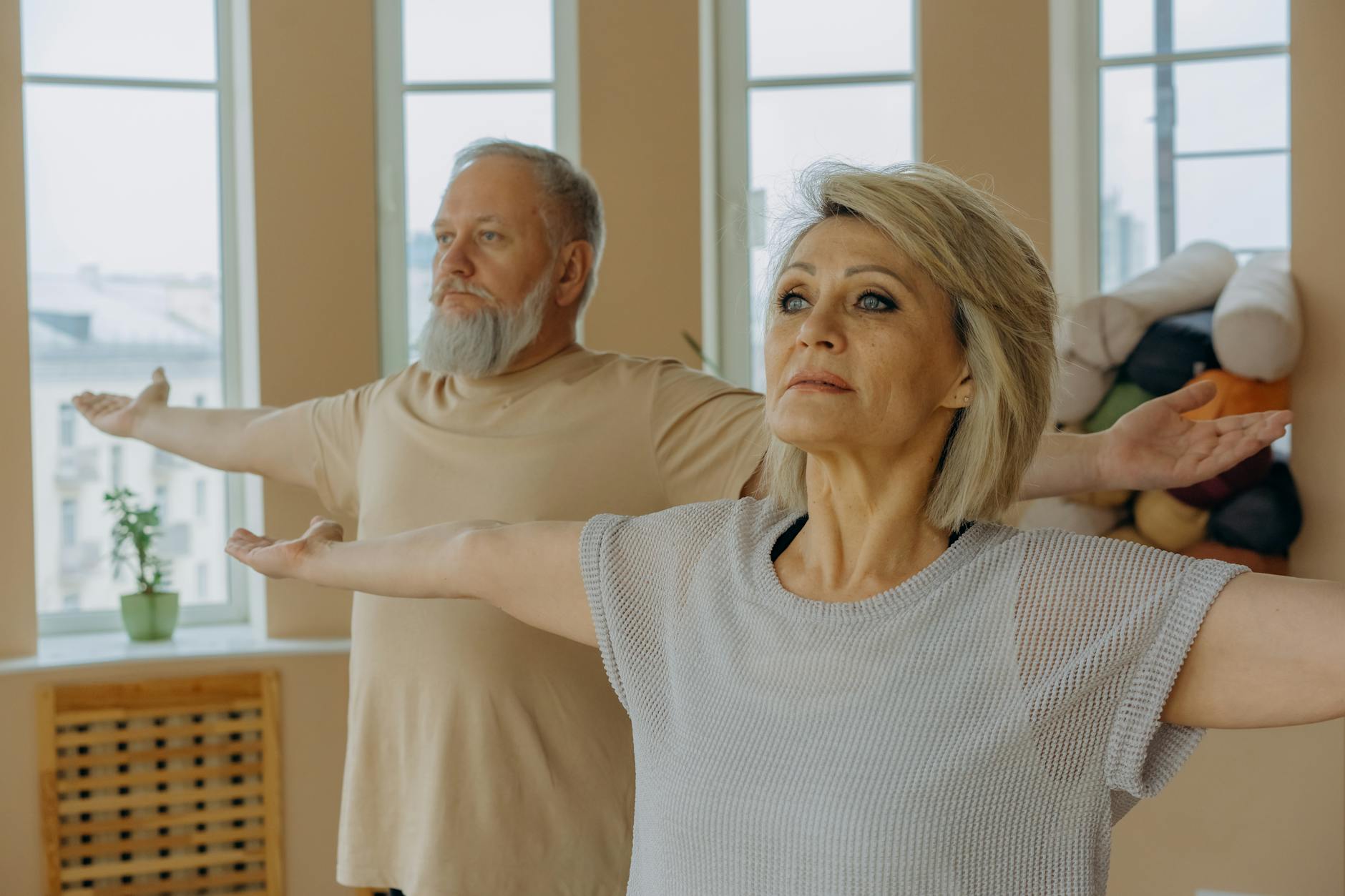
This is a huge one. For our older population, maintaining good balance isn't just about quality of life; it's about safety and independence. Falls are a leading cause of injury among seniors, and many of these falls can be prevented with consistent training. The good news is, it's never too late to start improving your balance.
Tai Chi and Gentle Movement
Practices like Tai Chi are phenomenal for seniors. The slow, flowing movements, combined with deep breathing, improve balance, flexibility, and strength, all with a very low risk of injury. Even simple chair-based exercises that involve controlled leg lifts and arm movements can make a significant difference. The Centers for Disease Control and Prevention research on balance exercises consistently points to the benefits for older adults.
Focus on Functional Movements
Think about everyday activities: getting up from a chair, walking up stairs, reaching for something. Balance exercises for seniors should mimic these tasks. Simple exercises like standing up and sitting down repeatedly without using your hands, or practicing stepping over small objects, can build confidence and capability. It's about building the physical resilience to navigate daily life safely.
Proprioception: Your Body's Internal GPS
Have you ever walked into a dark room and been able to navigate it without bumping into everything? That's your proprioception at work. It's your body's ability to sense its position, movement, and balance in space without relying solely on sight. When your proprioception is sharp, your balance is naturally better.
Exercises to Boost Proprioception
Many balance exercises inherently improve proprioception. Standing on one leg, especially with your eyes closed, forces your body to rely more on the sensory feedback from your feet and ankles. Other proprioception exercises include walking on different surfaces (sand, grass, uneven terrain), or using balance boards and wobble cushions. These challenge your sensory system to adapt and become more responsive. You're essentially training your body's internal GPS to be more accurate.
The Vestibular System Connection
Your inner ear, your vestibular system, plays a massive role in balance. It detects motion and orientation relative to gravity. When this system is functioning well, it sends clear signals to your brain, contributing to excellent postural stability. Certain vestibular exercises, often guided by a physical therapist, can be incredibly effective for improving balance, especially if you experience dizziness or vertigo. These often involve specific head movements or eye-tracking drills.
Putting It All Together: A Sample Balance Routine
So, how do you actually start incorporating these balance exercises into your life? Here’s a simple, effective routine you can try a few times a week. Remember to listen to your body and modify as needed.
Warm-up (5 minutes)
- Light cardio: Marching in place, gentle arm circles.
- Dynamic stretches: Leg swings (forward/back, side-to-side), torso twists.
Main Balance Drills (10-15 minutes)
- Single Leg Stand: 30 seconds each leg, repeat 2-3 times.
- Heel-to-Toe Walk: Walk 10-15 steps forward, then backward. Repeat 2-3 times.
- Single Leg Reach: Stand on one leg, reach opposite hand to floor. 10-12 reps each side, repeat 2 times.
- Calf Raises: Stand with feet hip-width apart, rise onto balls of feet. 15-20 reps, repeat 2 times. This also builds strength, a key component of resistance training benefits.
Cool-down (5 minutes)
- Static stretches: Hold hamstring, quad, and calf stretches for 20-30 seconds each.
This routine provides a solid foundation for HIIT Workout Plan: Burn Fat Fast & Get Fit can be a great addition for overall fitness, but don't neglect the importance of dedicated balance work.
The Long Game: Consistency is Your Best Friend
Look, you're not going to become a balance master overnight. It takes consistent effort. Even just 10-15 minutes a few times a week can make a world of difference. Think about the last time you felt truly stable and confident in your movements – that's the feeling you're working towards, and it's absolutely attainable. The National Institutes of Health research on balance exercises consistently shows that regular practice yields the best results.
Making it a Habit
Find what works for you. Maybe it's doing your balance exercises while watching TV, or first thing in the morning. Integrate them into your existing fitness routine. If you're already doing strength training, remember the weight training benefits you're gaining also contribute to better stability. The goal is to make these movements a natural part of your life, not a chore.
Embrace the Wobble
Here's my final piece of advice: don't get discouraged by wobbling. That wobble is your body's signal that it's being challenged, and that's exactly where the improvement happens. Each time you feel unstable and correct yourself, you're strengthening the neural pathways and muscle responses that keep you upright. So embrace the wobble, stay consistent, and you'll be amazed at how much more grounded and confident you feel in your everyday movements. It's a journey, and one that's incredibly rewarding.