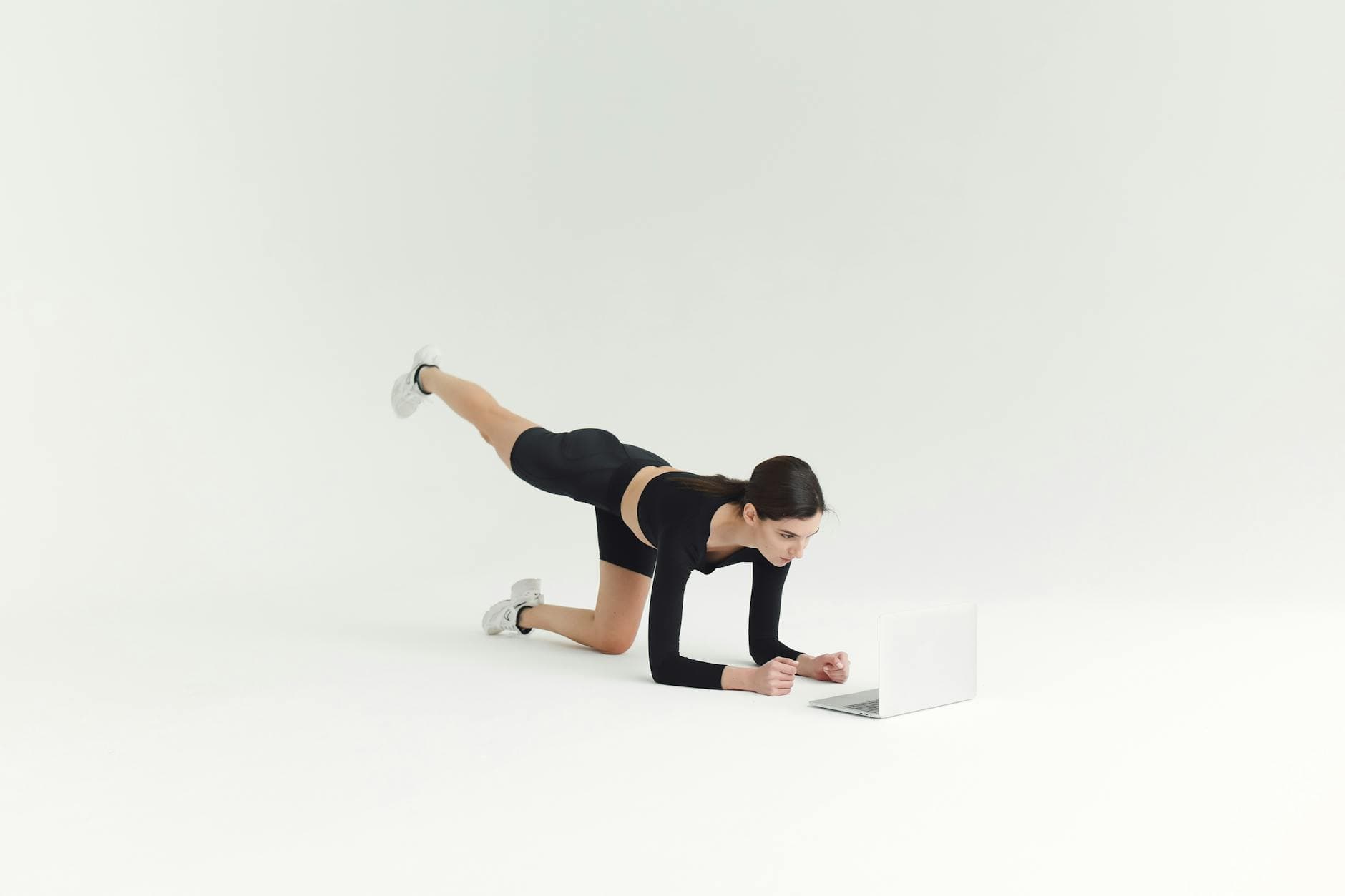
Honestly, for years, I got it wrong. Completely wrong. I used to think a strong core meant visible abs – that six-pack look everyone chases. So, I'd grind out hundreds of crunches, sit-ups, and leg raises, all focused on the front of my body. I'd feel that burn, see some definition, and pat myself on the back, convinced I had a rock-solid core. Here’s the thing, though: my lower back would ache after long runs, I felt stiff getting out of bed, and functional movements like lifting a heavy grocery bag felt surprisingly awkward. That's when I had my big realization: a true core workout at home, or anywhere for that matter, is about so much more than just your abs.
My entire approach to fitness shifted once I understood that the core isn't just the rectus abdominis, the muscle that gives you a six-pack. It's a complex system of muscles that wrap around your entire midsection – front, sides, and back – connecting your upper and lower body. Think of it as your body's central powerhouse, the foundation for almost every movement you make. Neglecting any part of it, as I did for too long, creates imbalances that can lead to pain, poor posture, and a general feeling of weakness. This understanding truly revolutionized how I approached my own training and, more importantly, how I help others strengthen their body from the inside out.
My Big Mistake: Why Abs Aren't Everything (And What Your Core Really Is)
I'll be real with you, the fitness industry, with its endless focus on aesthetics, often misleads us. We see images of perfectly sculpted midsections and automatically equate them with strength and health. This narrow view, I believe, is one of the biggest roadblocks to truly developing a powerful, functional core. It certainly was for me. I spent years chasing a look, not true strength.
Beyond the Six-Pack: A Holistic View
Your core is a 360-degree cylinder of muscles. It includes the deep transverse abdominis, which acts like a natural corset; the obliques, running along your sides for twisting and bending; the multifidus, tiny muscles along your spine for stability; and the muscles of your pelvic floor and diaphragm. It even extends to your glutes and hip flexors. All these muscles work together to stabilize your spine, transfer power between your limbs, and maintain balance. When you think about it this way, the idea of just doing crunches for a strong core seems almost laughable.
The True Power of a Strong Core
A properly trained core isn't just about looking good; it's about feeling good and moving well. It protects your spine, improves your posture, enhances athletic performance, and prevents injuries. Think about the last time you bent down to pick something up, twisted to reach for something in the back seat of your car, or even just stood upright for an extended period. All these actions rely heavily on your core. According to Harvard Health research, a strong core is fundamental to almost everything you do, and strengthening it can significantly reduce common issues like lower back pain. It’s not just an aesthetic pursuit; it’s a cornerstone of overall health.
Why an At-Home Core Workout is a Game Changer
You might be wondering if you really need a gym to get a strong core. My emphatic answer is: absolutely not. In fact, some of the most effective core exercises require nothing more than your own bodyweight and a bit of floor space. An at-home core workout can be incredibly powerful, offering benefits that extend far beyond simply saving you a gym membership fee.
Convenience & Consistency: Your Secret Weapons
Life gets busy, right? Work, family, commitments – it’s easy to let fitness slide when you have to factor in travel time to a gym. This is where the beauty of a no equipment core workout shines. You can literally roll out of bed, spend 15-20 minutes focused on your core, and be done. This ease of access dramatically increases the likelihood that you’ll actually stick with it. Consistency, not intensity, is the true king when it comes to building lasting strength and seeing real results.
No Equipment? No Problem!
Forget fancy machines or expensive dumbbells for a moment. Your body is the most sophisticated piece of equipment you own. A bodyweight core workout leverages gravity and your own mass to create resistance, challenging your muscles in incredibly effective ways. Many of the best core exercises at home require zero gear, making them accessible to everyone, regardless of their budget or living situation. I've seen incredible transformations from people who started with nothing but a yoga mat and dedication.
Saving Time and Money
Let's be honest, gym memberships and specialized equipment can add up. Opting for a core workout at home eliminates these costs entirely. Plus, you save precious time by cutting out commutes and waiting for machines. Imagine what you could do with an extra 30 minutes in your day, all while still getting a fantastic workout. This efficiency is a huge motivator for many of my clients, allowing them to prioritize their health without sacrificing other important aspects of their lives.
Building Your Foundation: Essential Core Exercises At Home
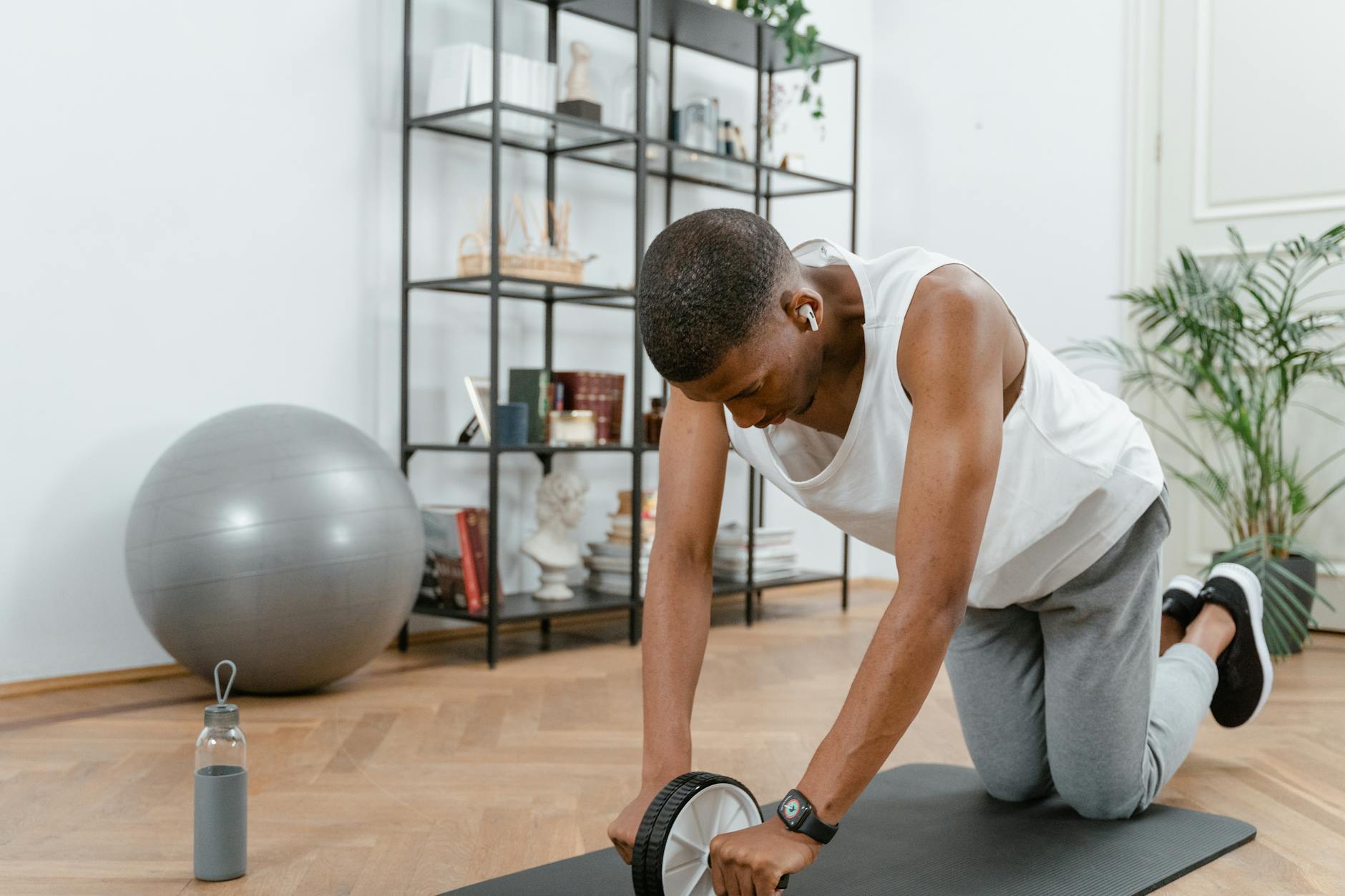
Alright, let's get into the practical stuff. When you're just starting out, or even if you've been working out for a while but haven't focused on holistic core strength, it's crucial to build a solid foundation. These core exercises at home are accessible, effective, and target the key areas of your core without needing any special gear. Focus on form over speed; that's my golden rule.
Front-Line Stability: Mastering the Plank
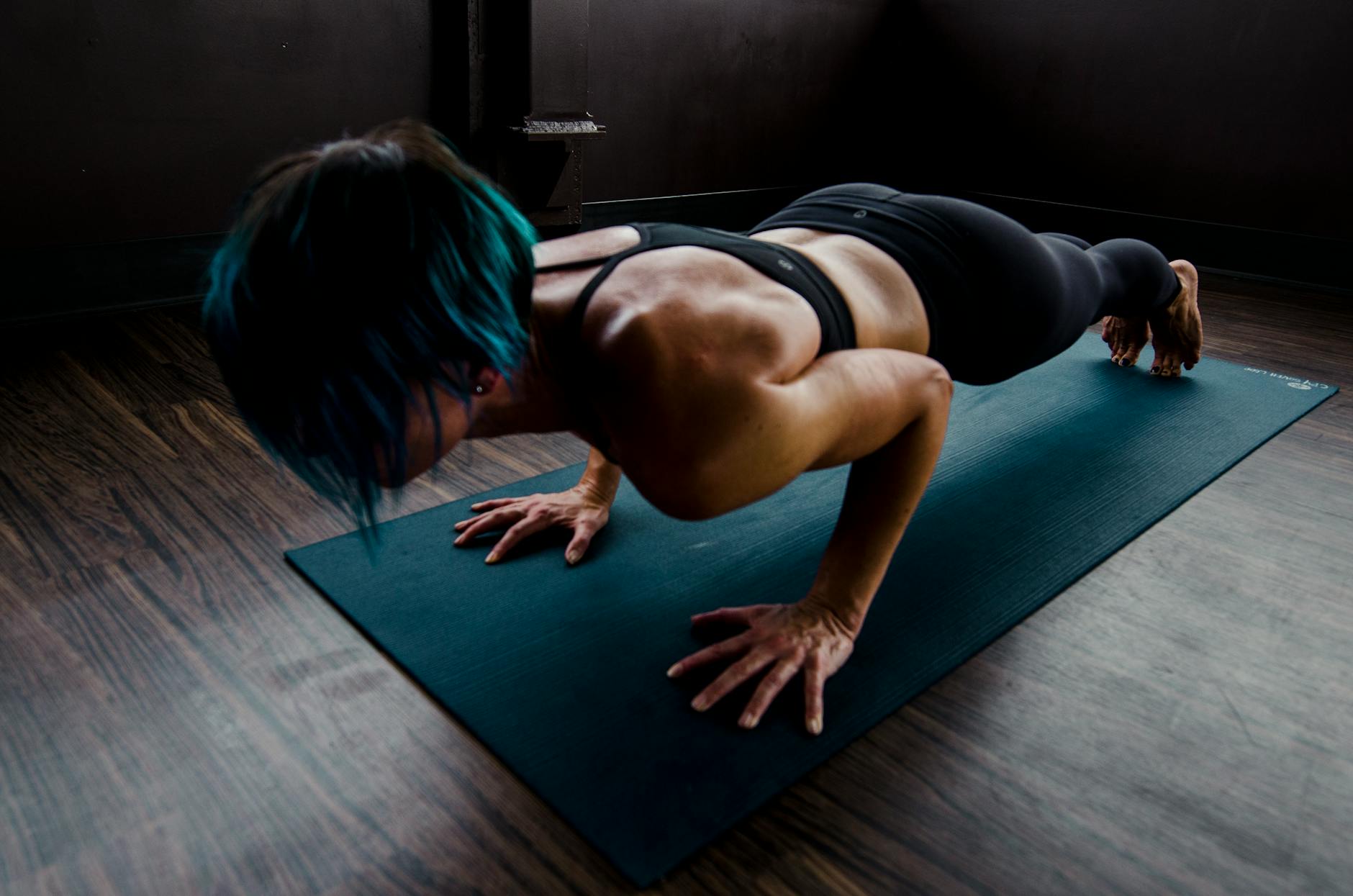
The plank is, in my opinion, the undisputed king of bodyweight core workout exercises. It's simple, yet incredibly powerful for engaging your entire anterior core, including the deep transverse abdominis. Get into a push-up position, then lower onto your forearms, keeping your body in a straight line from head to heels. Don't let your hips sag or pike up too high. Engage your glutes and quads. Hold this position for 30-60 seconds, or as long as you can maintain perfect form. It's a full-body tension exercise that teaches you true core stability exercises, not just isolated ab contraction.
Side-Line Strength: Oblique Powerhouses
Your obliques are vital for twisting, bending, and preventing unwanted rotation. Neglecting them is a common mistake. Side planks are fantastic for this. Lie on your side, supporting your body on one forearm and the side of your foot. Lift your hips off the ground, forming a straight line from head to heels. Keep your core tight and don't let your hips drop. Hold for 30-60 seconds per side. If that's too tough, try dropping your bottom knee to the floor for support. Remember, quality over quantity always wins.
Back-Line Support: Protecting Your Spine
Many people focus solely on the front of their core, forgetting the crucial role of the posterior chain. Your lower back muscles, glutes, and hamstrings are integral components of your core. Strengthening these areas is paramount for preventing lower back pain and improving overall stability. I've seen countless individuals alleviate chronic back issues by incorporating these types of movements into their routine.
Bridging the Gap
The glute bridge is a simple yet effective exercise for your glutes and lower back, both critical for a strong core. Lie on your back with knees bent, feet flat on the floor hip-width apart. Press through your heels and lift your hips towards the ceiling until your body forms a straight line from shoulders to knees. Squeeze your glutes at the top. Lower slowly. Aim for 3 sets of 10-15 repetitions. This movement helps strengthen core at home by activating muscles that often get lazy from prolonged sitting.
Leveling Up Your Core Workout: Plank Variations & Dynamic Moves
Once you've mastered the basics, it's time to challenge your core in new ways. Progression is key to continued growth, and there are countless ways to make your full body weight workout, especially your core, more demanding without adding external weights. This is where dynamic flexibility exercises and more complex movements come into play, pushing your stability and strength boundaries.
Dynamic Planks for Added Challenge
Static planks are great, but adding movement turns them into a whole new beast. Try plank shoulder taps: from a high plank position, tap your opposite shoulder with one hand, keeping your hips as still as possible. Or, for an even greater challenge, try plank commando rolls, moving from a high plank to a forearm plank and back up. These plank variations demand more from your stabilizers and anti-rotational muscles, making your core work harder to maintain form. I recommend 3 sets of 8-12 reps for shoulder taps, alternating sides.
Rotational Power: Integrating Movement
Our bodies move in multiple planes, and a truly strong core can handle rotation. Russian twists (without weights initially) are a good starting point. Sit on the floor, lean back slightly with knees bent and feet lifted (or on the floor for an easier version). Twist your torso from side to side, tapping your hands on the floor next to your hips. Another excellent option is the bicycle crunch, which engages your obliques dynamically. Lie on your back, hands behind your head, and bring one elbow to the opposite knee while extending the other leg. Alternate sides in a controlled, fluid motion. These types of movements are vital for developing a robust, functional core that supports you in real-world activities.
Progressive Overload Without Weights
You don't need heavier weights to achieve progressive overload with a no equipment core workout. You can increase the duration of holds, perform more repetitions, reduce rest times, or increase the complexity of the exercise. For example, instead of a regular plank, try a single-arm plank or a plank with one leg lifted. These small adjustments dramatically increase the demand on your core. It's about finding ways to make the same movement harder, not just doing more of the same easy thing. This one surprised me when I first started experimenting; the simple act of lifting a limb creates immense instability, forcing your core to engage far more intensely.
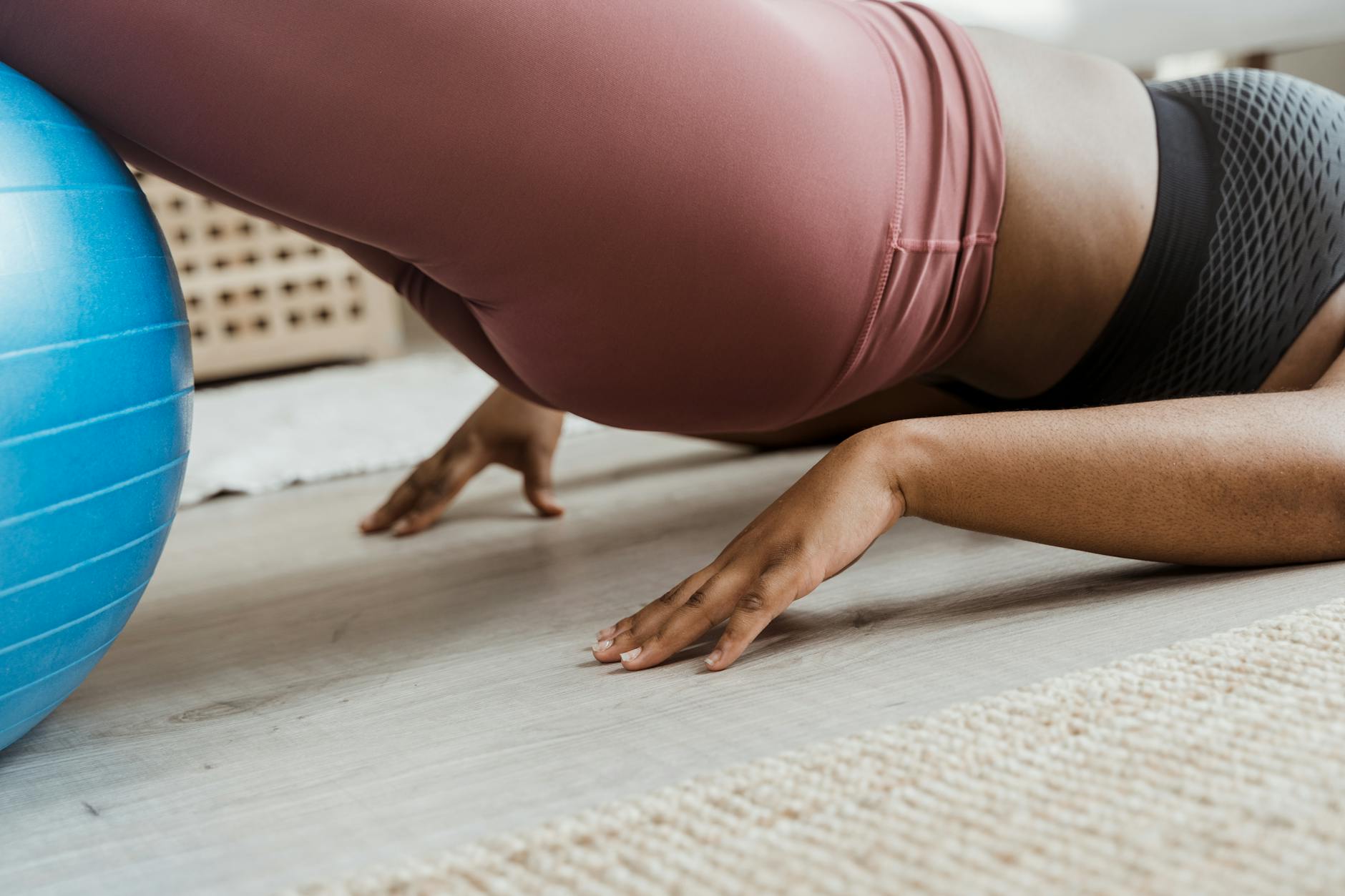
Crafting Your Personalized At-Home Core Workout Routine
Putting it all together into a routine that works for you is the next step. There's no single "perfect" routine, because everyone's body and schedule are different. The goal is to create something sustainable and effective that you'll actually stick with. This is where your individual commitment to strengthening your core at home truly pays off.
Frequency and Duration: Finding Your Rhythm
For most people, aiming for 3-4 core workout at home sessions per week is a great starting point. Each session doesn't need to be long – 15-20 minutes of focused, high-quality movement is far more effective than an hour of half-hearted effort. Remember, your core is involved in almost every other exercise you do, so you don't need to dedicate an excessive amount of time solely to it. Listen to your body; if you're sore, take an extra rest day or opt for some types of flexibility exercises instead.
Listen to Your Body: Avoiding Injury
This is paramount. If something hurts, stop. There's a difference between muscle fatigue and sharp, joint pain. Pay close attention to your body's signals. Proper form is always more important than pushing through pain or trying to do too many reps. If you're unsure about your form, record yourself or use a mirror. It's better to do fewer reps perfectly than many reps incorrectly and risk injury. The Centers for Disease Control and Prevention (CDC) consistently emphasizes the importance of proper form to prevent exercise-related injuries, a principle that applies just as much to an ab workout at home as it does to heavy lifting according to their research.
Integrating with Your Overall Fitness
Don't view your core workout at home as an isolated event. It should complement your broader fitness goals. If you're running, a strong core will improve your stride and endurance. If you're lifting weights, it will provide stability and power. Think of your core work as the glue that holds all your other physical activities together. It's a foundational element of any comprehensive fitness plan, enhancing everything else you do.
Common Mistakes and How to Fix Them
Even with the best intentions, people often fall into common traps when trying to strengthen their core. I've made these mistakes myself, and I've guided countless clients away from them. Recognizing these pitfalls is the first step toward a more effective and safer core workout at home.
The "Crunch Obsession" Fallacy
As I mentioned, I was guilty of this for years. Over-reliance on crunches and sit-ups targets primarily the rectus abdominis, neglecting the deeper stabilizing muscles and the posterior chain. This can lead to imbalances, poor posture, and even neck strain. Instead, prioritize compound movements like planks, bird-dogs, and glute bridges that engage your entire core. If you do include crunches, make sure they are controlled and integrated into a balanced routine. Aim for quality, not just quantity.
Ignoring Your Lower Back
This is a huge one. Many people focus solely on the "abs" and completely forget about the muscles of the lower back, which are equally vital for core stability and spinal health. A strong lower back helps counteract the forces of daily life, especially if you sit a lot. Exercises like supermans, bird-dogs, and glute bridges directly address this. Think of your core as a cylinder; if one side is weak, the whole structure is compromised. The National Institutes of Health (NIH) consistently highlights the role of balanced core strength in preventing and managing lower back issues.
Rushing Through Movements
When you rush through core exercises, you often use momentum instead of muscle activation. This cheats your body of the true benefits and increases the risk of injury. Every repetition, especially in a beginner core workout, should be slow, controlled, and intentional. Focus on feeling the muscles work. For example, during a plank, consciously brace your core, squeeze your glutes, and push through your heels. This mindful approach makes a significant difference in results.
Ultimately, your core is your body's anchor. It's the silent hero that supports every step, every lift, every twist you make. By committing to a consistent, well-rounded core workout at home, you're not just chasing a look – you're investing in a stronger, more resilient, and pain-free life. Forget the endless crunches and start building a truly functional core. You'll thank yourself for it, I promise.