Picture this: you've just finished a busy day. Your shoulders feel like they're permanently hunched, your back is a tight knot, and even reaching for the remote feels like a Herculean effort. You scroll through social media, seeing people effortlessly flowing through yoga poses or boasting about their newfound flexibility. It’s easy to feel intimidated, right? Like you’ve missed some secret handshake to a more limber life. But I'm here to tell you, that feeling is completely normal, and the solution is far more accessible than you might think. It all starts with a simple, foundational beginner stretching routine.
The Astonishing Power of a Simple Stretch
Honestly, the first time I truly embraced stretching, it wasn't about some grand fitness goal. It was purely about alleviating the daily aches and pains that had become my unwelcome companions. I used to think stretching was just for athletes or people who were naturally bendy. Oh, how wrong I was! The magic of a well-designed beginner stretching routine lies in its ability to gently coax your body back into balance, releasing tension you didn't even realize you were holding. It’s like giving your muscles a much-needed sigh of relief.
Why Bother with Stretching? The Undeniable Benefits
You might be wondering if it’s really worth the time. Let me assure you, the benefits of incorporating simple stretching exercises into your life are profound and far-reaching. Beyond just feeling less stiff, stretching can genuinely transform how you move and feel every single day. It’s not just about touching your toes; it's about unlocking a more vibrant, pain-free existence.
Enhanced Mobility and Range of Motion
Think about the last time you struggled to reach for something on a high shelf or felt a twinge when bending down. Regular stretching helps to lengthen your muscles and improve the elasticity of your connective tissues. This directly translates to a greater range of motion in your joints, making everyday activities feel effortless. It’s a pathway to a more capable and agile you.
Reduced Muscle Soreness and Injury Prevention
This one surprised me. I always associated muscle soreness with intense workouts, but I learned that tight, inflexible muscles are often more prone to injury. By regularly loosening up those tight muscles, you create a more resilient system. Studies, like those discussed by Harvard Health research on beginner stretching routine, highlight how consistent stretching can decrease the risk of strains and sprains.
Improved Posture and Reduced Back Pain
So many of us spend hours hunched over desks or staring at screens. This posture wreaks havoc on our spines. A good full body stretch routine can specifically target the muscles that become tight from prolonged sitting, like the hip flexors and chest muscles. Releasing this tension can dramatically improve your posture and alleviate that nagging lower back pain.
Getting Started: The Art of "How to Stretch Properly"
This is where many beginners stumble. It's not about forcing yourself into painful positions. The key to "how to stretch properly" is gentleness, consistency, and listening to your body. Pushing too hard can do more harm than good, leading to injury and a negative association with stretching. We want to build a positive relationship with movement, not a fearful one.
The Golden Rule: Breathe!
Seriously, this is non-negotiable. Your breath is your best friend when stretching. As you inhale, your body can prepare. As you exhale, allow yourself to sink a little deeper into the stretch. Never hold your breath; this tenses your muscles. Deep, controlled breaths signal to your nervous system that it's safe to relax. It’s a fundamental aspect of any good stretching for flexibility program.
Hold and Release, Don't Bounce
Dynamic stretching (like leg swings) has its place, often before a workout, but for a beginner stretching routine focused on flexibility, static stretching is your go-to. This means holding a stretch for a sustained period, typically 15-30 seconds. Avoid bouncing or jerky movements, as this can trigger a muscle's stretch reflex, causing it to contract and potentially leading to injury. Think of it as a gentle, sustained invitation for your muscles to lengthen.
Pain vs. Discomfort: Know the Difference
This is crucial. You should feel a gentle pull or tension, a sensation of your muscle lengthening. You should NOT feel sharp, stabbing, or intense pain. If you do, ease back immediately. It’s better to hold a stretch for a shorter duration or a less intense version than to push through pain. This is a vital part of developing a healthy relationship with stretching, especially when you’re focusing on stretching for tight muscles.
Your First Full Body Stretch Routine: Simple Yet Effective
Now, let's get to the good stuff! This beginner stretching routine is designed to be accessible, requiring no special equipment and can be done right in your living room. It’s a fantastic starting point for anyone looking for easy stretching for beginners. Remember to move slowly and with intention through each movement.
Morning Wake-Up: Gentle Activation
Starting your day with a few simple stretches can set a positive tone. It’s a wonderful way to transition from sleep to wakefulness and activate your muscles without jarring them.
1. Cat-Cow Pose
Get on your hands and knees, with your wrists directly under your shoulders and your knees directly under your hips. As you inhale, drop your belly towards the floor, arch your back, and look up (Cow pose). As you exhale, round your spine towards the ceiling, tuck your chin to your chest, and draw your navel towards your spine (Cat pose). Flow between these two poses for 5-10 breaths.
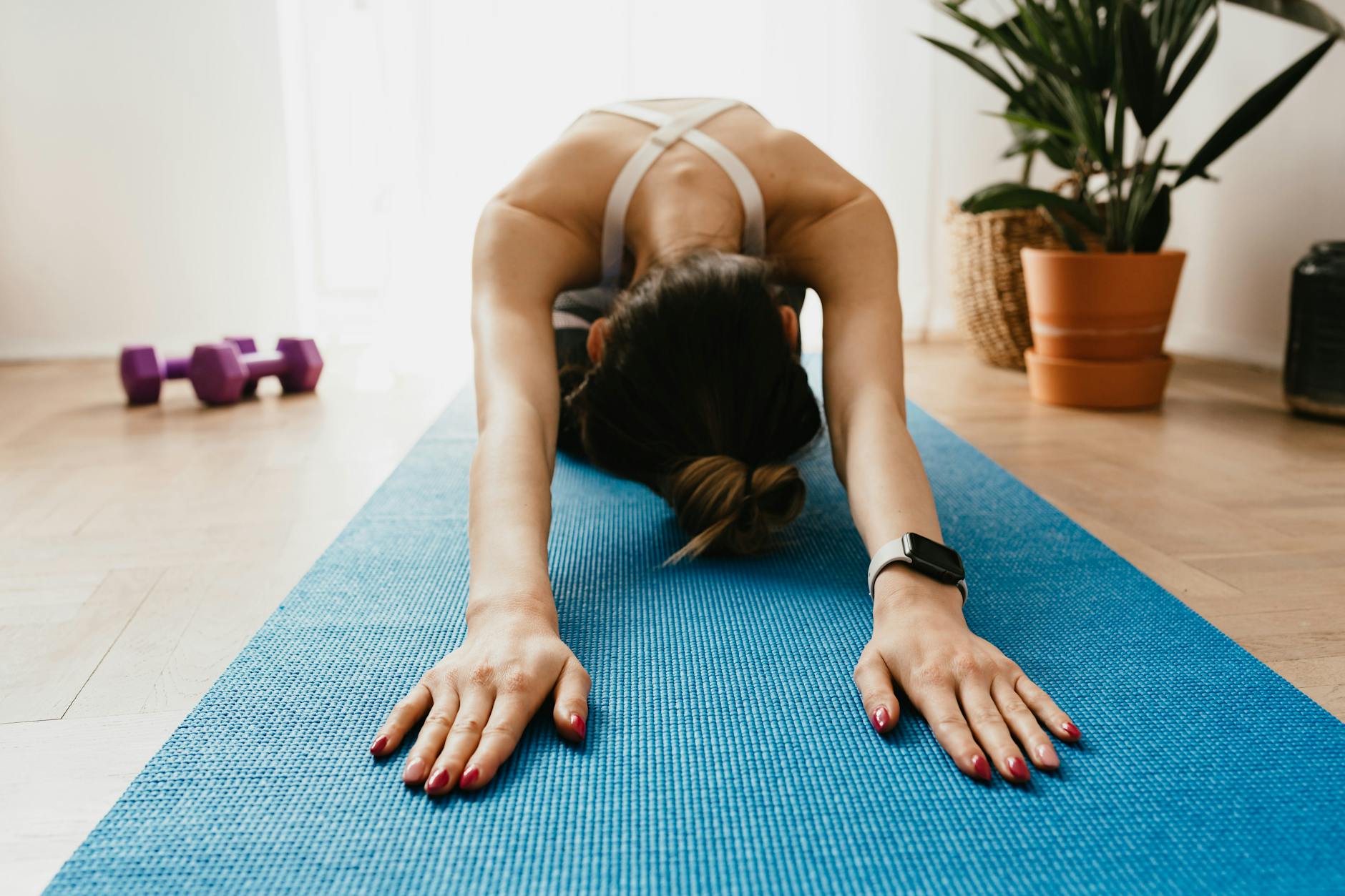
2. Child's Pose
From hands and knees, bring your big toes to touch and widen your knees. Sink your hips back towards your heels and rest your forehead on the floor. Extend your arms forward or let them rest alongside your body. Breathe deeply here for 30-60 seconds. This is a wonderfully restorative pose.
Midday Release: Combating Sedentary Stiffness
If you sit for long periods, your body will thank you for these. They are perfect for a quick break during your workday, helping to counteract the effects of prolonged sitting.
1. Seated Spinal Twist
Sit on the floor with your legs extended. Bend your right knee and place your right foot flat on the floor outside your left thigh. Place your right hand on the floor behind you for support. Inhale and lengthen your spine. As you exhale, twist your torso to the right, hooking your left elbow outside your right knee or hugging your knee. Look over your right shoulder. Hold for 15-30 seconds, then repeat on the other side. This is a great stretch for your back and obliques.
2. Seated Forward Fold
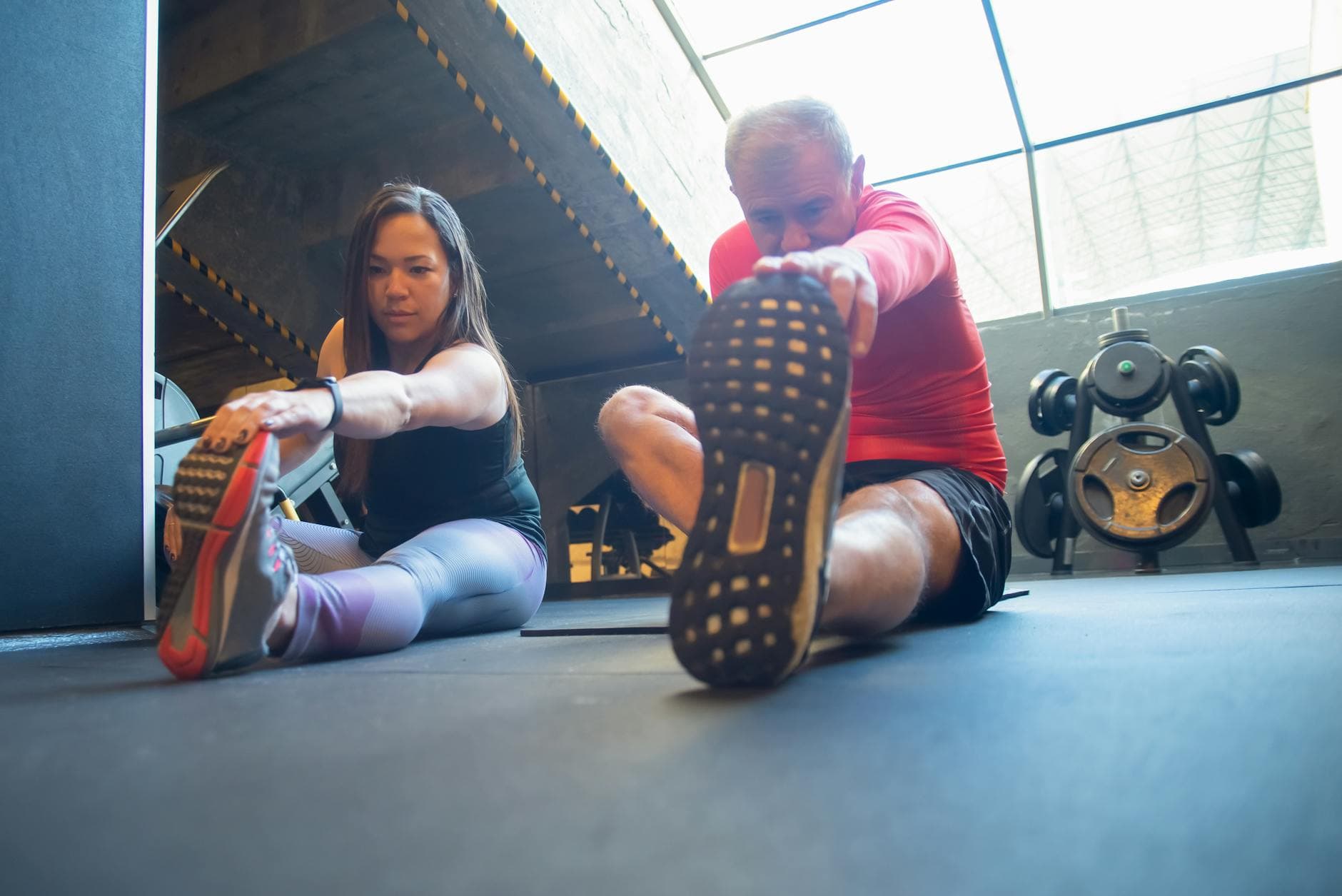
From a seated position with your legs extended in front of you, hinge at your hips and fold your torso forward over your legs. It’s okay if your knees are bent and you don’t touch your toes. Focus on lengthening your spine and feeling a stretch in your hamstrings and lower back. Hold for 30 seconds. You’ll feel this one working its magic on those tight hamstrings.
Evening Wind-Down: Preparing for Rest
These stretches are ideal for the end of the day, helping to release accumulated tension and promote relaxation. This is where you really embrace the concept of a daily stretching routine.
1. Supine Hamstring Stretch
Lie on your back with your legs extended. Bend your right knee and bring it towards your chest. Loop a towel or strap around the ball of your right foot (or simply hold behind your thigh if you can’t reach your foot). Gently extend your right leg towards the ceiling, keeping a slight bend in the knee if needed. Hold for 30 seconds, feeling the stretch in your hamstring. Repeat on the left leg.
2. Knees-to-Chest Pose
Lying on your back, hug both knees into your chest. Gently rock side to side if that feels good, massaging your lower back. Hold for 30-60 seconds. This pose is incredibly soothing for the back and hips.
3. Reclining Bound Angle Pose (Supta Baddha Konasana)
Lie on your back and bring the soles of your feet together, letting your knees fall open to the sides. You can place blocks or pillows under your knees for support if this is too intense. Rest your arms by your sides or place one hand on your heart and the other on your belly. Breathe deeply and allow your hips and inner thighs to relax. Hold for 1-2 minutes.
Making Stretching a Habit: Consistency is Key
The most effective beginner stretching routine is the one you actually do. It's easy to get excited for a few days and then let it slide. Here’s how to make it stick. I'll be real with you, building a habit takes conscious effort, but the rewards are immense.
Start Small, Dream Big
Don't aim for an hour-long session on day one. Begin with 10-15 minutes. Even five minutes is better than nothing! The goal is to create a positive experience. As you feel the benefits, you'll naturally want to spend more time on your stretching for flexibility practice.
Integrate It Seamlessly
Find natural times in your day. Perhaps before your morning coffee, during your lunch break, or right before bed. Link it to an existing habit. For instance, "After I brush my teeth, I will do 5 minutes of stretching." This simple trick, often discussed in habit-building advice, can make a huge difference. Consider it part of your daily stretching routine.
Listen to Your Body, Not Just the Clock
Some days you’ll feel more flexible than others. Some days your muscles might feel particularly tight. Adjust your routine accordingly. If your hamstrings are screaming, focus more on those. If your shoulders are stiff from typing, give them extra attention. This mindful approach is fundamental to effective stretching at home.
Beyond the Basics: When to Seek More
While this beginner stretching routine is a fantastic starting point, there will come a time when you want to explore further. Perhaps you have specific areas of tightness, or you’ve noticed how improving your flexibility can enhance your workouts. For instance, understanding how to properly stretch your upper body can complement exercises like those found in a Resistance Band Upper Body Workout.
Targeting Specific Tight Muscles
If you consistently find certain areas of your body are tight, like your hip flexors from sitting or your chest from computer work, you can incorporate more targeted exercises. Resources from the National Institutes of Health research on beginner stretching routine often detail how to address common areas of tension.
The Journey to Greater Mobility
As you become more comfortable, you might explore different types of stretching or even consider classes. The goal is continuous improvement. This is where a comprehensive full body stretch routine can become even more beneficial, ensuring you’re working all major muscle groups. You might even find yourself wanting to explore a dedicated Flexibility Stretching Routine: Boost Your Mobility Today! or dive deeper into a variety of Stretching Exercises: Boost Flexibility & Reduce Pain Today.
So there you have it. The intimidating world of stretching, demystified. It’s not about being a contortionist; it’s about being kinder to your body, moving with more ease, and reclaiming a sense of physical well-being. Start with this beginner stretching routine, be patient with yourself, and I promise, you'll be amazed at the subtle yet profound changes you’ll feel. Your body is a remarkable machine, and giving it the gift of flexibility is one of the greatest acts of self-care you can offer. Go ahead, take a deep breath, and begin.