
Okay, confession time. For years, I thought packing a giant bag of trail mix was the ultimate strategy for any hike. Turns out, I was mostly wrong. I’d get to mile three, stomach rumbling, energy levels dipping faster than a poorly planned descent. It took a few spectacular bonks and some serious reflection over a lukewarm water bottle to realize that not all hiking energy snacks are created equal, and neither is *when* you eat them. You need smart fuel, not just… stuff.
The Real Deal with Hiking Energy Snacks
Look, hiking is awesome. It’s a chance to disconnect, breathe fresh air, and challenge yourself physically. But if you’re not fueling properly, you’re shortchanging the experience. You’ll be tired, grumpy, and probably not enjoying the views as much as you should be. The best hiking snacks are the ones that give you sustained energy, are easy to digest, and don't weigh you down.
Why Your Old Snack Habits Might Be Failing You
I used to grab whatever was convenient – a big bag of chips, a sugary granola bar that tasted like cardboard, maybe even a candy bar. Here’s the thing: those quick hits of sugar might feel good for about ten minutes, but they lead to a crash. You’re looking for something that provides a steady release of energy. Think complex carbs, healthy fats, and a decent amount of protein. This is where understanding the basics of nutrition becomes your best friend on the trail.
What Makes a Snack "Energizing" for the Trail?
It boils down to macronutrients. You need carbohydrates for immediate energy, but also fats and proteins to sustain you over longer periods. A snack that’s just pure sugar is like a sprinter’s fuel – great for a short burst, but not for a marathon. For hiking, you need endurance fuel.
Beyond Just "Calories": Nutrient Density Matters
You can eat a whole bag of jellybeans and get a lot of calories, but you won't feel great afterwards. Nutrient-dense foods pack a punch with vitamins, minerals, and fiber, which contribute to overall well-being and sustained energy. This is why focusing on whole foods is usually a win.
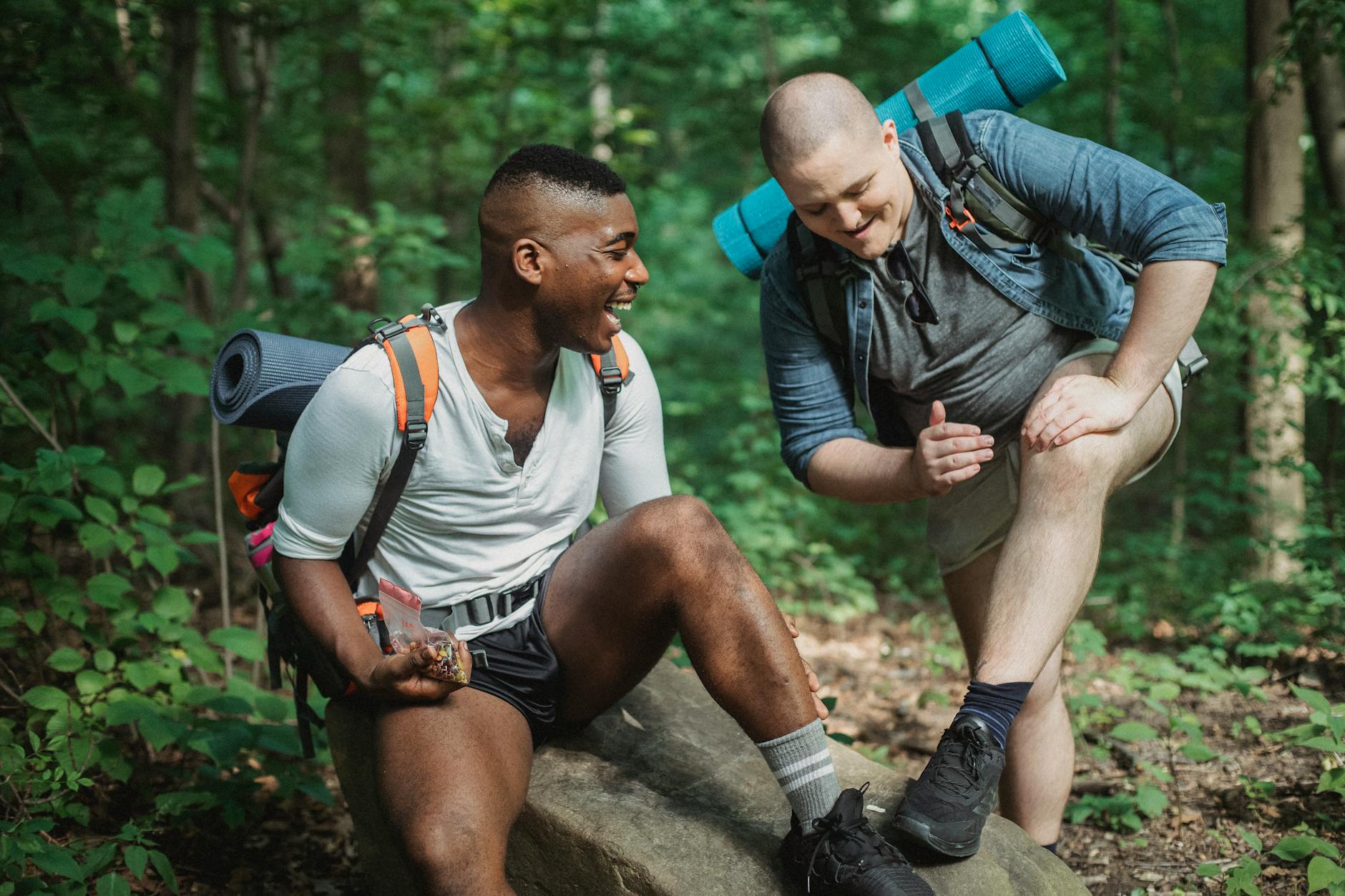
Crafting Your Perfect Trail Snack Arsenal
This is where we get into the good stuff. Forget the generic advice; let's talk about what actually works and why. It’s about balancing convenience with effectiveness. You want to be able to grab and go, but also know that what you’re grabbing is going to keep you moving.
The Power of Balanced Macros
When I’m putting together my pack, I’m always thinking about that balance. A handful of nuts (fats and protein) combined with a dried fruit (carbs) is a classic for a reason. It’s a simple equation that works. The fats and proteins slow down the absorption of the sugars from the fruit, giving you a more even energy release. It prevents that sharp spike and subsequent crash that can leave you feeling wiped out.
Pre-Hike Fuel: Setting Yourself Up for Success
What you eat *before* you even hit the trail is just as crucial as what you bring with you. This is where pre hike snacks come into play. Think about a meal that includes complex carbohydrates and some protein. Oatmeal is a personal favorite, or even a whole-wheat toast with avocado. You want to top off your glycogen stores without feeling overly full or sluggish. This is about building a solid foundation for your energy expenditure.
Mid-Hike Refueling: The Strategic Snacking Approach
This is where most people go wrong. They wait until they're starving. Big mistake. You should be snacking *before* you feel that intense hunger. Aim for every hour to hour and a half, depending on the intensity of your hike and your personal energy levels. Small, frequent snacks are better than one big one. This keeps your blood sugar stable and your energy levels consistent. It’s a marathon, not a sprint, and your trail snacks should reflect that.
Post-Hike Recovery: Replenishing What You’ve Used
Don't forget about your post hike snacks! Your body has been working hard, and it needs to recover. Within 30-60 minutes after finishing, aim for a combination of protein and carbohydrates to help muscle repair and replenish glycogen stores. A protein shake, a Greek yogurt with berries, or even a turkey sandwich can be great options. This is often overlooked, but it's key for long-term recovery and preventing next-day soreness.
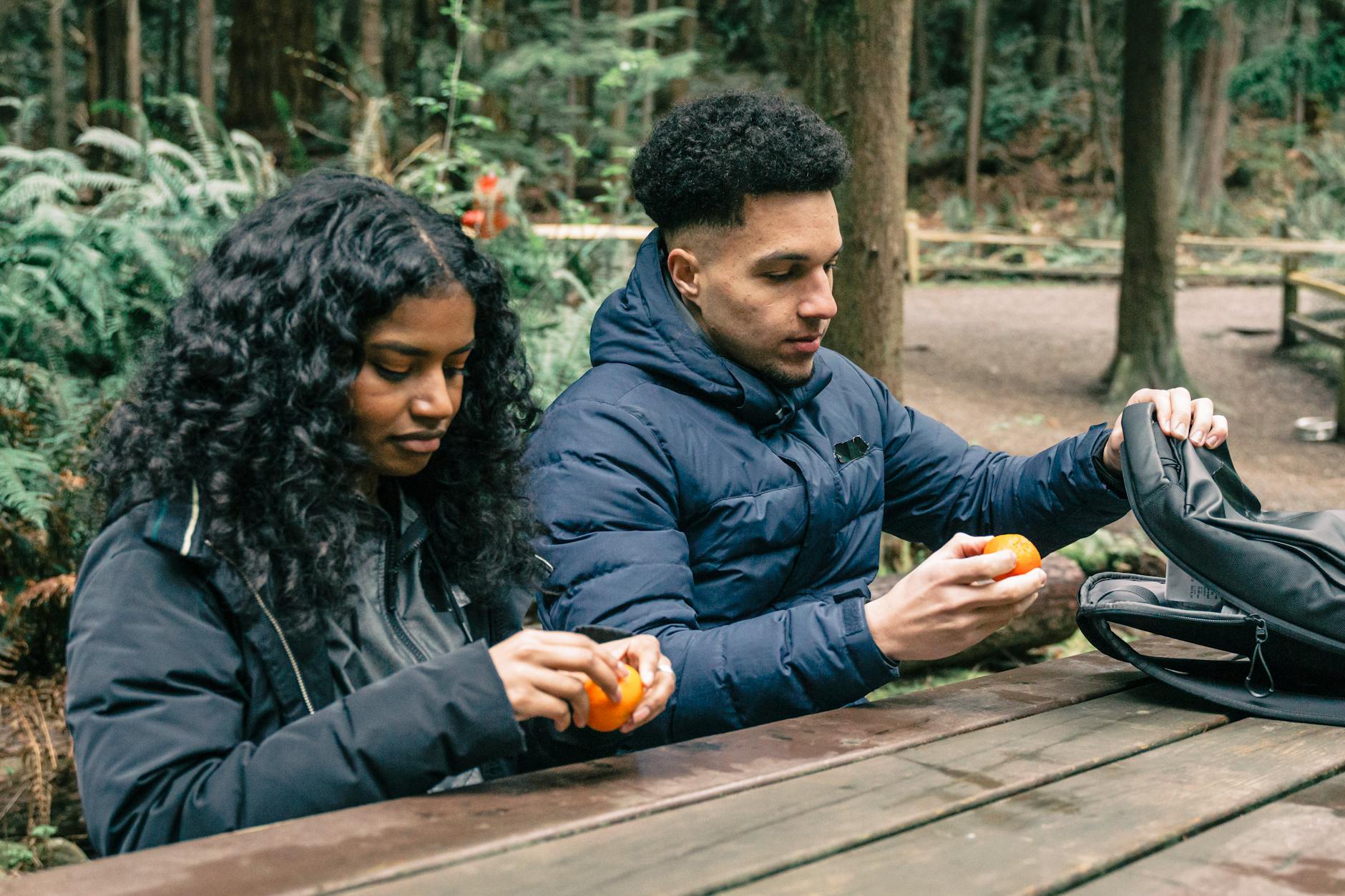
My Go-To Hiking Energy Snacks (and Why They Rock)
Alright, let’s get specific. These are the hiking energy snacks that have earned a permanent spot in my backpack. They’re tried, tested, and true. I’ll be real with you, some of these I’ve experimented with endlessly to find the perfect balance of taste, portability, and energy-giving power.
The Humble Nut Butter Packet
Seriously, these little packets of almond or peanut butter are gold. They’re packed with healthy fats and protein, easy to carry, and you can eat them straight from the packet or spread them on a cracker or piece of fruit. I’ve found that a single packet can provide a surprising amount of sustained energy. They’re also incredibly versatile, making them one of the best hiking snacks for a variety of situations.
Homemade Trail Mix Recipes: The Ultimate Customization
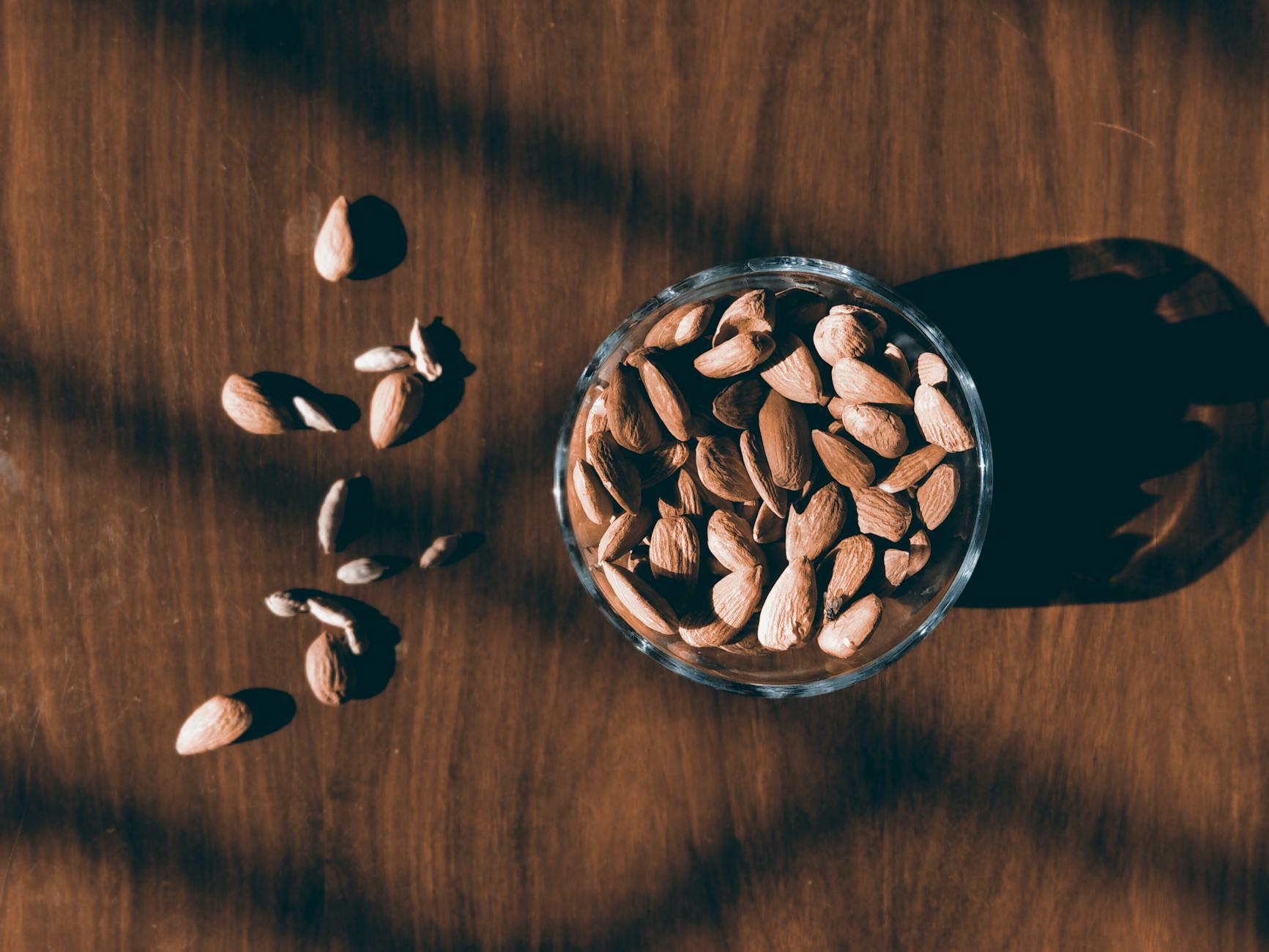
This is where you can really dial in your perfect blend of hiking energy snacks. Forget those pre-made mixes that are loaded with candy. My basic recipe usually includes raw almonds, walnuts, pumpkin seeds, dried cranberries (unsweetened if possible!), and a few dark chocolate chips for a treat. Sometimes I’ll add some roasted chickpeas for extra crunch and protein. The beauty of homemade trail mix recipes is that you control the ingredients and the ratios. You can tailor it to your taste and your nutritional needs.
- Nuts and Seeds: Almonds, walnuts, cashews, pumpkin seeds, sunflower seeds. These provide healthy fats and protein for sustained energy.
- Dried Fruit: Raisins, cranberries, apricots, mango. These offer quick-releasing carbohydrates. Choose unsweetened varieties when possible.
- Something Extra: Dark chocolate chips, roasted chickpeas, unsweetened coconut flakes. A little treat can go a long way mentally!
Energy Bars for Hiking: Choosing Wisely
The market is flooded with energy bars, but not all of them are created equal. I look for bars with whole food ingredients, a good balance of carbs, protein, and healthy fats, and minimal added sugars. Brands that focus on things like oats, nuts, seeds, and dried fruit are usually a good bet. Avoid those that are essentially candy bars in disguise. Some of my favorites are made with dates, nuts, and a bit of sea salt. They offer a good chew and a satisfying flavor profile.
Dried Fruit and Jerky: A Classic Combo
This is a simple, effective combination. Dried fruits like apricots, mango, or apple slices provide quick energy from natural sugars, while jerky (beef, turkey, or even plant-based options) offers protein to keep you feeling full and satisfied. It’s a great way to get both fast and slow-releasing energy sources. Remember to check the sodium content on jerky, especially if you’re sweating a lot.
Hard-Boiled Eggs: A Protein Powerhouse
Okay, I know what you might be thinking – eggs? On a hike? Hear me out. If you hard-boil them the night before and keep them cool (in a small insulated bag or with an ice pack for longer hikes), they are an incredible source of high-quality protein. They’re incredibly filling and provide sustained energy. Just make sure you pack them out, of course! This is a fantastic option for those who prefer savory snacks and want a solid protein boost. You can even sprinkle a little salt and pepper on them before you go.
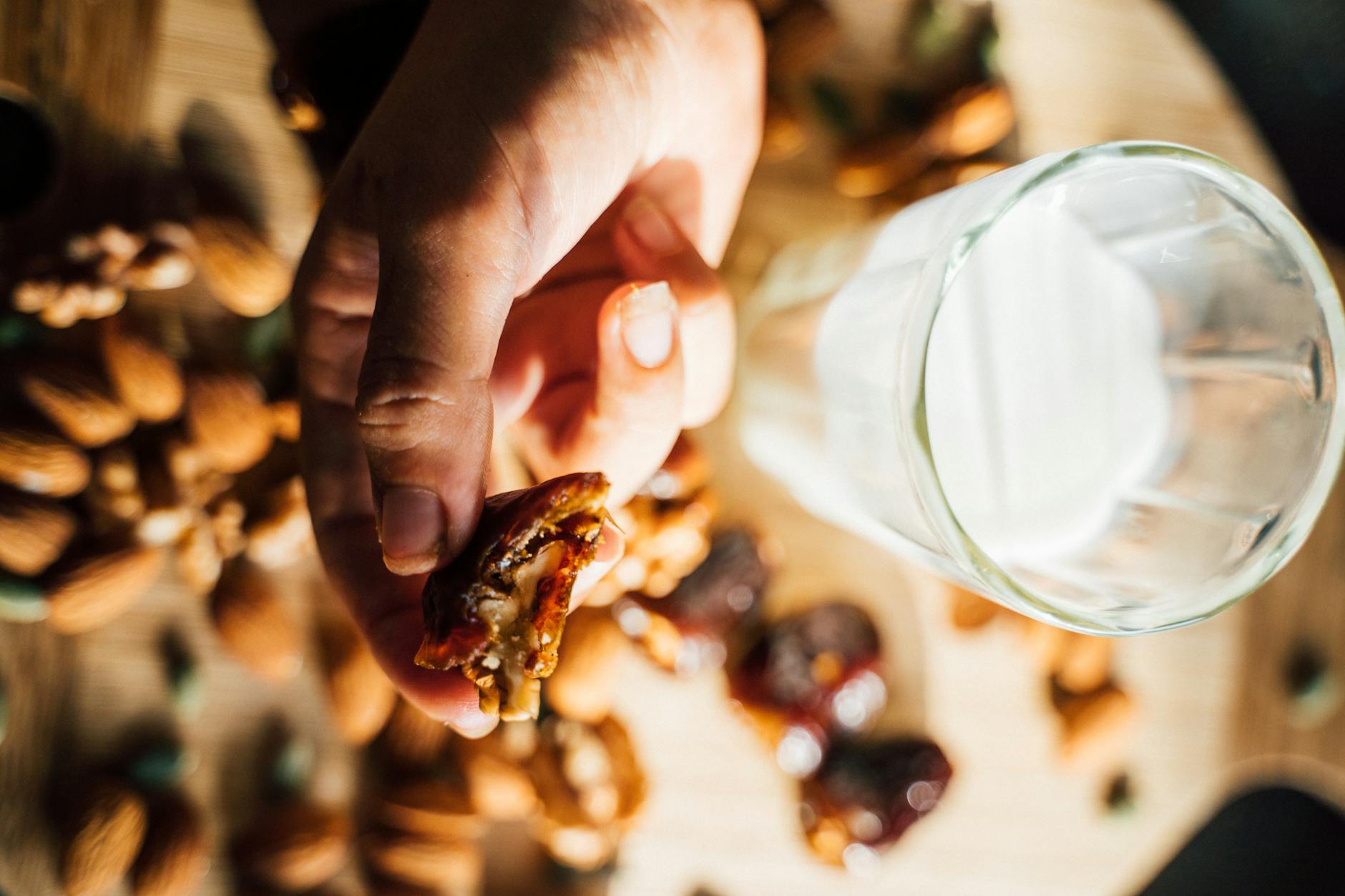
Beyond the Snacks: Hydration is Key
You can have the best hiking energy snacks in the world, but if you’re dehydrated, you’re still going to feel terrible. Hydration for hiking is non-negotiable. Dehydration can mimic the symptoms of low blood sugar, leading you to feel tired, dizzy, and unfocused. It's a huge energy drain.
Why Water Isn't Always Enough
For longer or more strenuous hikes, especially in hot weather, you’ll lose electrolytes through sweat. Simply drinking plain water might not be enough to replenish what you’re losing. This is where electrolyte drinks or tablets can be incredibly beneficial. They help your body absorb water more effectively and maintain that crucial fluid balance. I always make sure to have a way to replenish electrolytes on longer treks, and you can find some great options for spring sports hydration that translate well to hiking.
Electrolytes: The Unsung Heroes of Endurance
Electrolytes like sodium, potassium, and magnesium are vital for muscle function and nerve signaling. When you sweat them out, your performance suffers. Carrying an electrolyte powder or tablet to add to your water can make a significant difference in how you feel, especially on challenging ascents or extended periods of exertion. This is something I learned the hard way during a particularly brutal summer hike where I felt sluggish and crampy, only to realize I hadn't replenished my electrolytes.
Planning Your Water Intake
Don’t wait until you’re thirsty to drink. Thirst is actually a sign that you’re already starting to become dehydrated. Sip water consistently throughout your hike. A good rule of thumb is to drink about half a liter of water per hour of moderate activity. For more intense hikes or hotter conditions, you’ll need more. Consider using a hydration reservoir with a hose for easy access – it makes sipping much more convenient than fumbling with a water bottle. For more tips on staying hydrated outdoors, check out this guide on outdoor workout hydration.
Making Smart Choices for the Trail
Ultimately, finding the best hiking snacks is a personal journey. What works for me might not be your absolute favorite, and that’s okay. The most important thing is to experiment, pay attention to how your body feels, and prioritize nutrient-dense, easily digestible foods. It’s about fueling your adventure so you can enjoy every step, every view, and every moment you’re out there.
Listen to Your Body
You are your own best indicator. If a certain snack makes you feel heavy or sluggish, ditch it. If you find yourself crashing an hour after eating something, re-evaluate. This is why I love the variety that best hiking trail snacks offer – there are so many options to try and find what truly works for you. Pay attention to the signals your body is sending you. It's a continuous learning process.
The Long-Term Benefits of Healthy Hiking Food
Choosing healthy hiking food isn't just about immediate energy; it's about supporting your overall health and fitness. By consistently making good choices on the trail, you’re reinforcing healthy eating habits that can extend beyond your outdoor adventures. This aligns with broader health recommendations from organizations like the World Health Organization, which emphasizes the importance of a balanced diet for overall well-being.
Embrace the Process
Don’t get discouraged if you don’t find your perfect snack lineup overnight. It takes practice and a bit of trial and error. Think of it as part of the adventure. Preparing your own snacks, like those delicious homemade trail mix recipes, can be a fun pre-hike ritual. And remember, even quick hiking fuel can be healthy and effective. If you’re short on time, there are plenty of readily available options, but always read the labels. You've got this!