
I'll be real with you. For years, I championed the idea of a strict water fast cleanse as the ultimate reset button for your body. I'd read the testimonials, seen the dramatic before-and-after photos, and honestly, I believed it was the fastest way to shed pounds and feel… well, *clean*. But after witnessing a few people go through it, and frankly, experiencing some of my own less-than-glorious moments with extreme dietary restrictions, I had to re-evaluate. The truth is, while a water fast can offer some benefits, it’s not the magic bullet many believe it to be, and it certainly comes with significant risks if not approached with caution and knowledge. This isn't about demonizing fasting; it's about understanding it realistically and prioritizing your well-being above all else.
The Allure of the Water Fast Cleanse: What's the Draw?
Understanding the Basic Concept
At its core, a water fast cleanse involves abstaining from all food and beverages except water for a specified period. The idea is to give your digestive system a complete break, allowing your body to focus its energy on repair and elimination processes. This is often framed as a way to "detox" the body, flushing out accumulated toxins and resetting metabolic functions. It’s a concept that taps into our desire for quick fixes and a fresh start.
Perceived Benefits and Why They're Appealing
The perceived benefits are compelling. People often report increased mental clarity, improved energy levels (after the initial phase, of course), and significant weight loss. The simplicity of "just drinking water" is also attractive to many who feel overwhelmed by complex diet plans. The notion of a body detox is particularly powerful, suggesting a way to undo the damage of modern lifestyles, poor eating habits, and environmental stressors.
My Own Journey and What I Learned
I used to think that more extreme was always better. I remember recommending a 7-day water fast to a friend who was struggling with fatigue. While she did lose weight, she also experienced severe headaches, dizziness, and felt utterly depleted afterward. It took her weeks to fully recover, and she ended up gaining some of the weight back because she was so ravenous. That experience was a wake-up call. It made me realize that pushing the body to such extremes without proper preparation and support can be counterproductive and even dangerous. This is why exploring the nuances of a water fast cleanse is so crucial.
The Science (and Lack Thereof) Behind a Water Cleanse
Autophagy: The Body's Housekeeping
One of the most scientifically supported aspects of fasting, including water fasting, is the induction of autophagy. This is a cellular "clean-up" process where the body breaks down and recycles old, damaged cell components. It's like your cells are doing their own internal spring cleaning. Studies, such as those reviewed by National Institutes of Health research on water fast cleanse, suggest that autophagy can play a role in cellular health and longevity. This is a genuine biological process that fasting can help trigger.
Detoxification: Is it Really Happening?
The term "detox" is often used loosely in the wellness world. Our bodies are remarkably efficient at detoxifying themselves through organs like the liver and kidneys. While fasting might reduce the burden on the digestive system, allowing these organs to work more efficiently, the idea that a water fast cleanse specifically "flushes out toxins" in a way that these organs can't is largely unsubstantiated. The body has its own sophisticated systems. You've probably noticed how much better you feel after a good night's sleep or a brisk walk; those are also forms of natural cleansing.
Weight Loss: What You're Really Losing
Yes, you will lose weight on a water fast cleanse. However, a significant portion of this initial loss is water weight and glycogen stores, not just fat. When you reintroduce food, especially carbohydrates, your body will replenish these stores, leading to rapid weight regain. Sustainable weight loss comes from consistent, balanced nutrition and lifestyle changes, not just short-term extreme measures. Think about the last time you went on a crash diet; the results are rarely permanent.
How to Approach a Water Fast Cleanse Safely
Preparation is Paramount
Jumping into a water fast cleanse without preparation is a recipe for disaster. Start by gradually reducing your intake of processed foods, sugar, caffeine, and alcohol in the week leading up to your fast. Focus on whole, unprocessed foods like fruits, vegetables, and lean proteins. This helps ease your body into the fasting state and minimizes withdrawal symptoms like headaches and fatigue. You might even consider a "transition diet" of cooked vegetables and broths for a day or two before starting.
During the Fast: Hydration and Listening to Your Body
The most critical rule during a water cleanse is to drink plenty of pure water. Aim for at least 8-10 glasses a day, or more if you feel thirsty. Electrolyte balance can be a concern, so some people opt for a small amount of high-quality sea salt in their water, though this technically moves it away from a pure water fast. Listen intently to your body. Dizziness, extreme weakness, or fainting are signs you need to stop immediately. I cannot stress this enough: your health comes first.
Breaking the Fast: The Most Crucial Step
This is where many people go wrong. After abstaining from food, your digestive system is essentially asleep. Reintroducing food too quickly can cause severe digestive upset, bloating, and discomfort. Start with small portions of easily digestible foods like fresh fruit juices, blended smoothies, or steamed vegetables. Gradually increase the complexity and quantity of your meals over several days. A good rule of thumb is to break your fast with foods that are roughly equivalent in duration to the length of your fast. A 24-hour fast might require a day of reintroduction; a 3-day fast, three days.
Alternatives to Consider: Beyond the Pure Water Fast
The Juice Cleanse vs. Water Cleanse Debate
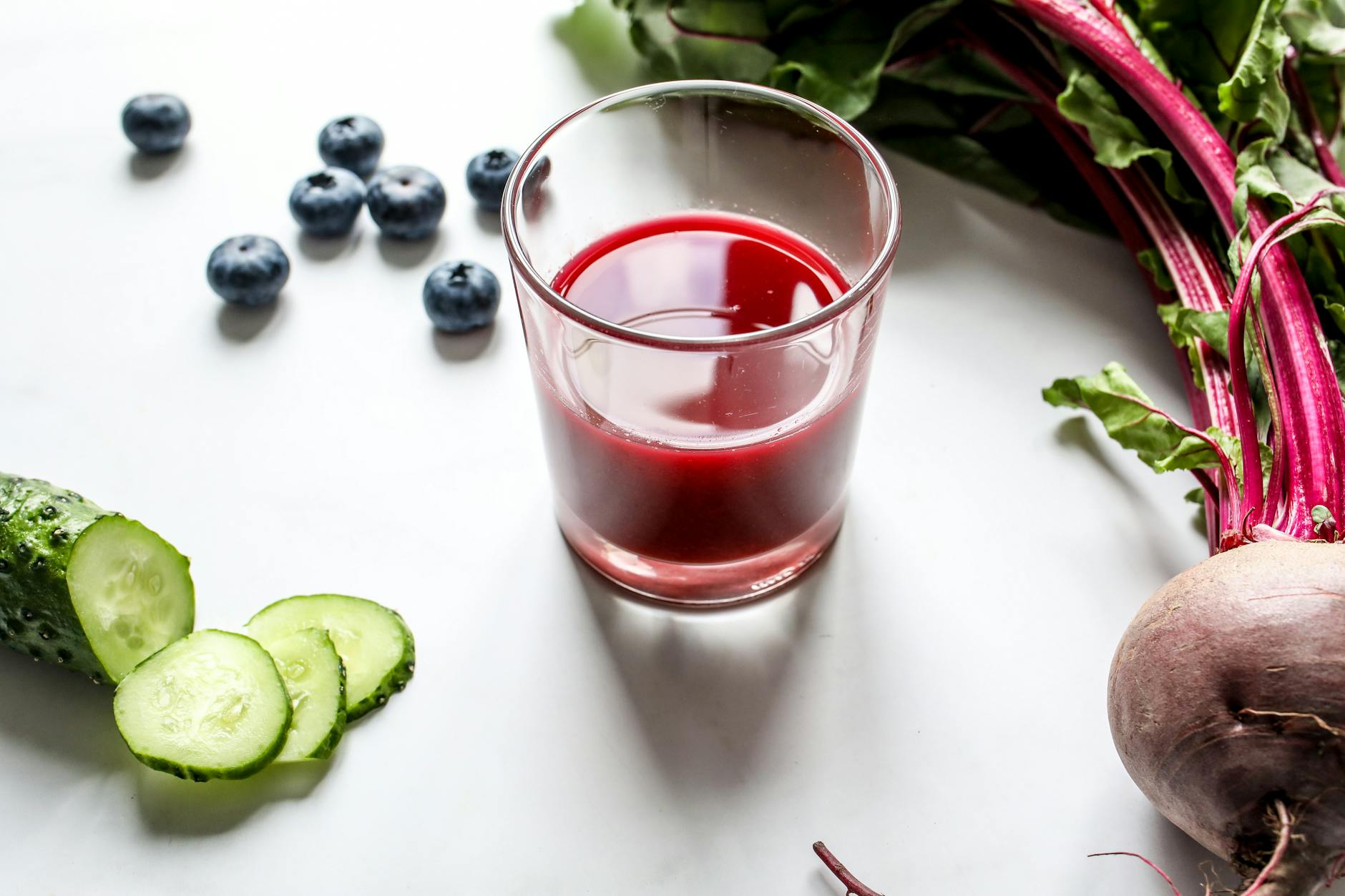
A juice cleanse involves consuming only fruit and vegetable juices. This provides some nutrients and fiber that are absent in a pure water fast. While still restrictive, it can be less taxing on the body and offers more in terms of vitamins and minerals. However, the sugar content in some juices can be a concern, and it still requires careful reintroduction of solid foods. A Harvard Health research on water fast cleanse and other dietary interventions often highlight the importance of nutrient density, which a juice cleanse can offer more of than water alone.
The Lemon Water Cleanse: A Gentler Approach
The lemon water cleanse is a much milder form of cleansing. It typically involves drinking warm water with fresh lemon juice, sometimes with a touch of honey or cayenne pepper, first thing in the morning. This is often used as a gentle morning ritual to kickstart digestion and rehydrate after sleep. It's not a fasting protocol in the traditional sense but can be a beneficial part of a daily routine for many. It’s a great way to incorporate a "water cleanse diet" without the extreme deprivation.
The Salt Water Cleanse: A Specific Purpose
A salt water cleanse, often referred to as an "internal bath," is used primarily for colon cleansing. It involves drinking a solution of warm water and non-iodized salt. The goal is to induce a bowel movement to clear out the digestive tract. This is a very specific type of cleanse with a particular purpose and is not generally recommended for overall body detox or weight loss. It can be quite intense and should be approached with caution and awareness of potential side effects like dehydration or electrolyte imbalance.
Who Should Absolutely Avoid a Water Fast Cleanse
Medical Conditions and Contraindications
This is non-negotiable. If you have any pre-existing medical conditions, especially diabetes, kidney disease, heart problems, or a history of eating disorders, a water fast cleanse is absolutely not for you. Pregnant or breastfeeding women should also steer clear. Anyone taking medications should consult their doctor, as fasting can interfere with drug absorption and efficacy. Never embark on such a restrictive regimen without professional medical guidance. Your doctor's input is critical here.
The Importance of Professional Guidance
Even if you are generally healthy, it’s wise to discuss your intentions with a healthcare professional or a qualified nutritionist. They can help you assess if a water fast cleanse is appropriate for your individual health status, guide you on the safest duration, and provide personalized advice for preparation and reintroduction. This isn't about being fearful; it's about being informed and responsible. I wish I had emphasized this more early on.
When "Too Much of a Good Thing" Applies
Fasting can be a powerful tool, but like any powerful tool, it can be misused. For some, the desire for rapid results can lead to obsessive behavior or a cycle of restriction and overeating. If you find yourself constantly thinking about food, feeling overly anxious about your diet, or using fasting as a punishment, it's a sign that you might need to step back and explore more balanced approaches to wellness. There are many mental wellness practices and mindfulness exercises that can support a healthier relationship with food and your body.
The Long-Term View: Sustainable Wellness
Beyond the Quick Fix
While a water fast cleanse might offer a temporary sense of reset, true wellness is built on sustainable habits. Think about incorporating more whole foods into your daily diet, staying consistently hydrated with pure water throughout the day (not just during a fast), getting adequate sleep, managing stress through practices like mindfulness for sleep, and engaging in regular physical activity. These are the pillars of long-term health and vitality, offering more lasting benefits than any short-term cleanse.
Building a Balanced Cleanse Diet Plan
If you're looking for a "cleanse diet plan," consider one that focuses on nourishing your body with nutrient-dense foods rather than depriving it. This might involve incorporating plenty of fruits, vegetables, lean proteins, and healthy fats for a period, while temporarily reducing processed foods, sugar, and alcohol. This approach supports your body's natural detoxification processes without the harshness of a water-only fast. Perhaps explore mindful nature walks for a gentle, natural way to boost your well-being.
My Final Take: Listen to Your Body, Wisely
The desire for a clean slate is understandable, and the concept of a water fast cleanse taps into that. But here's the thing: your body is incredibly resilient and capable of healing itself when given the right conditions. For some, a short, medically supervised water fast might be beneficial. For many others, gentler approaches that focus on consistent, healthy habits will yield far more profound and lasting results. My biggest lesson has been that true wellness isn't about extreme measures, but about consistent, mindful care. Prioritize your health, be informed, and always listen to your body's wisdom.