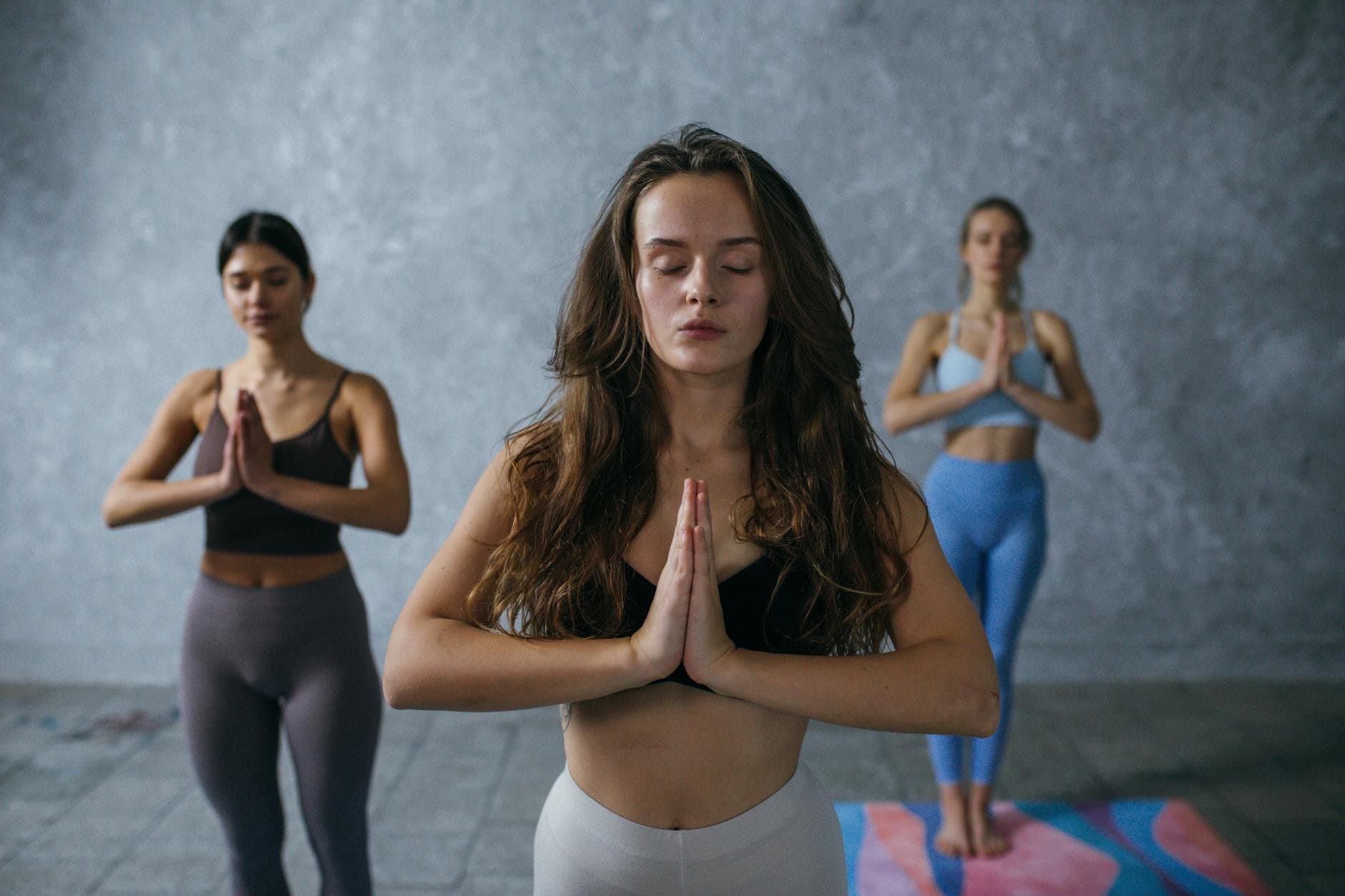
I used to think mindfulness was just for hippies in incense-filled rooms. Honestly, I dismissed it for years. I was a busy guy, always chasing the next deadline, the next achievement. My brain felt like a browser with 50 tabs open, and none of them were loading properly. I thought being "present" was a luxury I couldn't afford. Then, a particularly rough patch hit – burnout, anxiety that felt like a constant hum, and a general sense of being disconnected from myself. That’s when I finally decided to try some actual mindfulness exercises, and it wasn't what I expected at all. It was practical. It was grounding. And it actually worked.
This isn't about achieving some mystical state of enlightenment overnight. It's about simple, actionable steps you can weave into your day. These mindfulness techniques are tools, like a hammer or a screwdriver, to help you build a more resilient, calmer, and more focused life. Whether you're dealing with daily stress, struggling with anxiety, or just want to feel more connected to your own life, there's a mindfulness practice for you.
The Core of Mindfulness: What It Really Means
Mindfulness, at its heart, is about paying attention. It's about deliberately bringing your awareness to the present moment, without judgment. This sounds simple, right? But in our constantly distracted world, it's incredibly difficult. We’re often lost in thought about the past or worried about the future, missing what’s happening right now.
Understanding Present Moment Awareness
Think about the last time you were eating a meal. Were you truly tasting your food, or were you scrolling through your phone, planning your next meeting, or replaying a conversation? That’s the opposite of present moment awareness. Mindfulness exercises help you gently bring your focus back to the here and now.
Why Judgment-Free Observation Matters
The "without judgment" part is crucial. When you notice a thought pop up – say, a worry about a work project – the mindful approach isn't to push it away or beat yourself up for having the thought. It's to observe it, acknowledge it ("Ah, there's that worry again"), and then let it pass like a cloud in the sky. This non-judgmental stance is a game-changer for reducing anxiety.

Practical Mindfulness Exercises for Daily Life
You don't need an hour of quiet time every day to practice mindfulness. Many effective mindfulness techniques can be integrated into your existing routine. The key is consistency, not duration.
The Power of Mindful Breathing
This is probably the most accessible of all mindfulness practices. When your mind is racing, your breath is always there, a constant anchor to the present.
Simple Breathing Exercise
Find a comfortable seated position. Close your eyes or soften your gaze. Simply bring your attention to your breath. Notice the sensation of the air entering your nostrils, filling your lungs, and then leaving your body. Don't try to change your breath; just observe its natural rhythm. If your mind wanders, and it will, gently guide your attention back to your breath. Do this for just one to five minutes. It's a fantastic way to reset your nervous system. These breathing exercises for anxiety are surprisingly effective.
Engaging Your Senses: A Grounding Technique
Our senses are powerful anchors to the present. When you feel overwhelmed, tuning into what you can see, hear, smell, taste, and touch can bring you back to reality.
The 5-4-3-2-1 Method
This is a classic and incredibly effective stress relief exercise.
- Identify 5 things you can see around you.
- Notice 4 things you can touch (the texture of your clothes, the chair you're sitting on).
- Listen for 3 things you can hear (traffic outside, the hum of a refrigerator, your own breathing).
- Identify 2 things you can smell (coffee, fresh air, or even just the scent of your own skin).
- Name 1 thing you can taste (if you've recently eaten or had a drink, or just the natural taste in your mouth).
This exercise pulls your attention out of your head and into your immediate physical environment.
Mindfulness Practices Beyond Formal Meditation
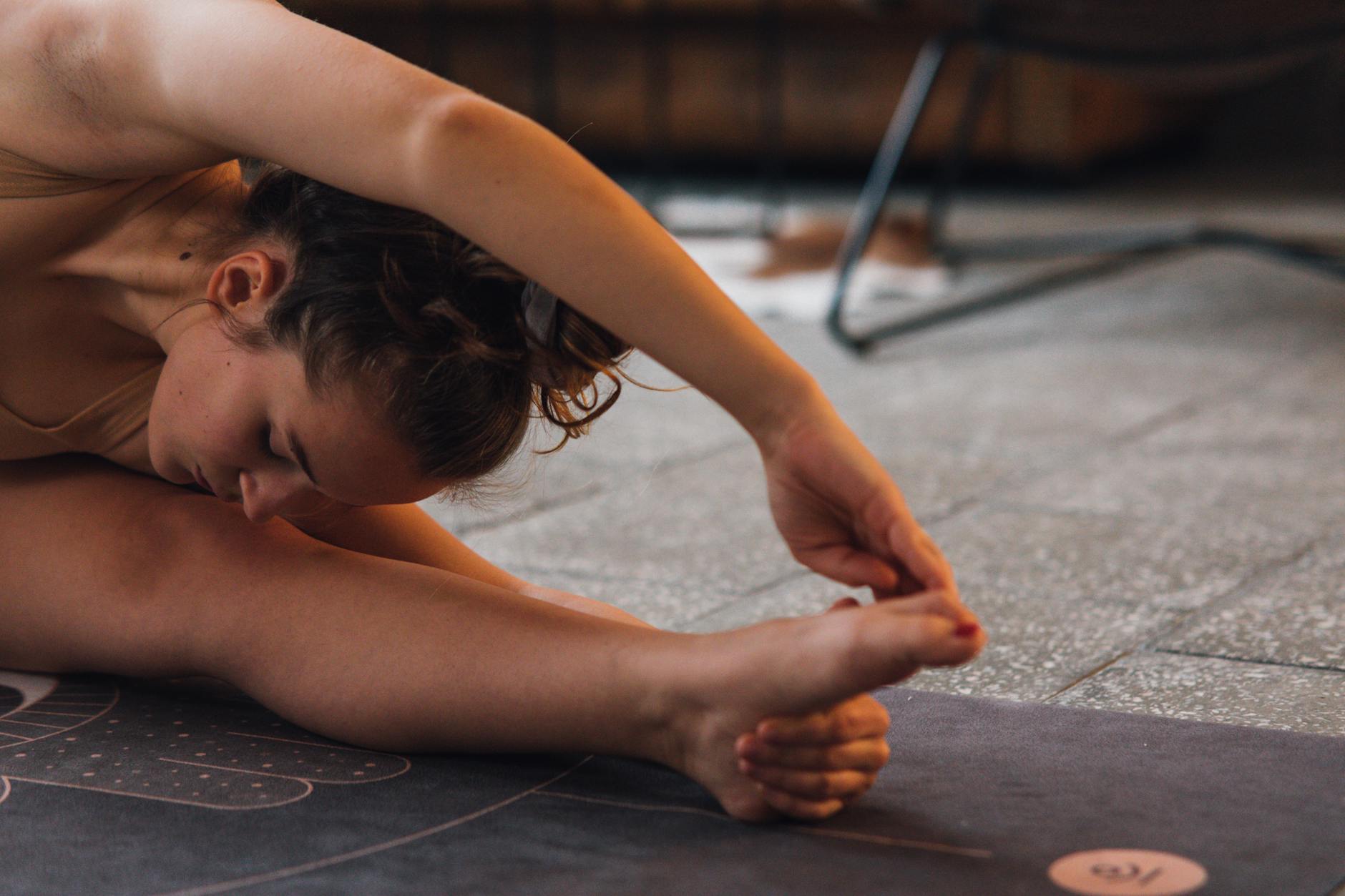
Formal mindfulness meditation is wonderful, but it's not the only way to cultivate mindfulness. Integrating mindfulness into everyday activities can be just as powerful.
Mindful Eating: Savoring Every Bite
We often eat on autopilot, barely registering what we're consuming. Mindful eating transforms a mundane act into a rich sensory experience and a powerful self-care activity.
How to Practice Mindful Eating
Before you take a bite, look at your food. Notice the colors, shapes, and textures. Smell it. As you chew, pay attention to the flavors and how they change. Notice the sensation of the food in your mouth and as you swallow. This simple practice can increase your enjoyment of food, help you recognize hunger and fullness cues better, and even improve digestion.
Mindful Movement: Connecting Body and Mind
Whether it's a brisk walk or a gentle yoga session, mindful movement encourages you to be aware of your body's sensations.
Walking Meditation
This is a fantastic mindfulness practice for those who find sitting still challenging. As you walk, pay attention to the sensation of your feet hitting the ground, the movement of your legs, the swing of your arms. Notice the sights and sounds around you without getting lost in thought. You can do this on your commute, during a break, or even just around your house.

Body Scan Meditation: A Deep Dive into Self-Awareness
The body scan meditation is a cornerstone of many mindfulness programs. It’s a systematic way to bring awareness to different parts of your body, noticing sensations without trying to change them. This is a profound way to connect with your physical self and release tension.
The Process of a Body Scan
You typically lie down for this practice. You begin by bringing your attention to your toes, then slowly move your awareness up through your feet, ankles, calves, knees, thighs, hips, and so on, all the way up to the crown of your head.
Noticing Sensations
As you scan each body part, you're simply observing any sensations present: warmth, coolness, tingling, pressure, or even a lack of sensation. If you notice discomfort, you acknowledge it without judgment and continue to breathe into that area. This practice can be incredibly effective for stress relief exercises and for understanding how stress manifests physically. National Institutes of Health research on mindfulness exercises often highlights the benefits of practices like the body scan for overall mental well-being.
Mindfulness for Stress and Anxiety Reduction
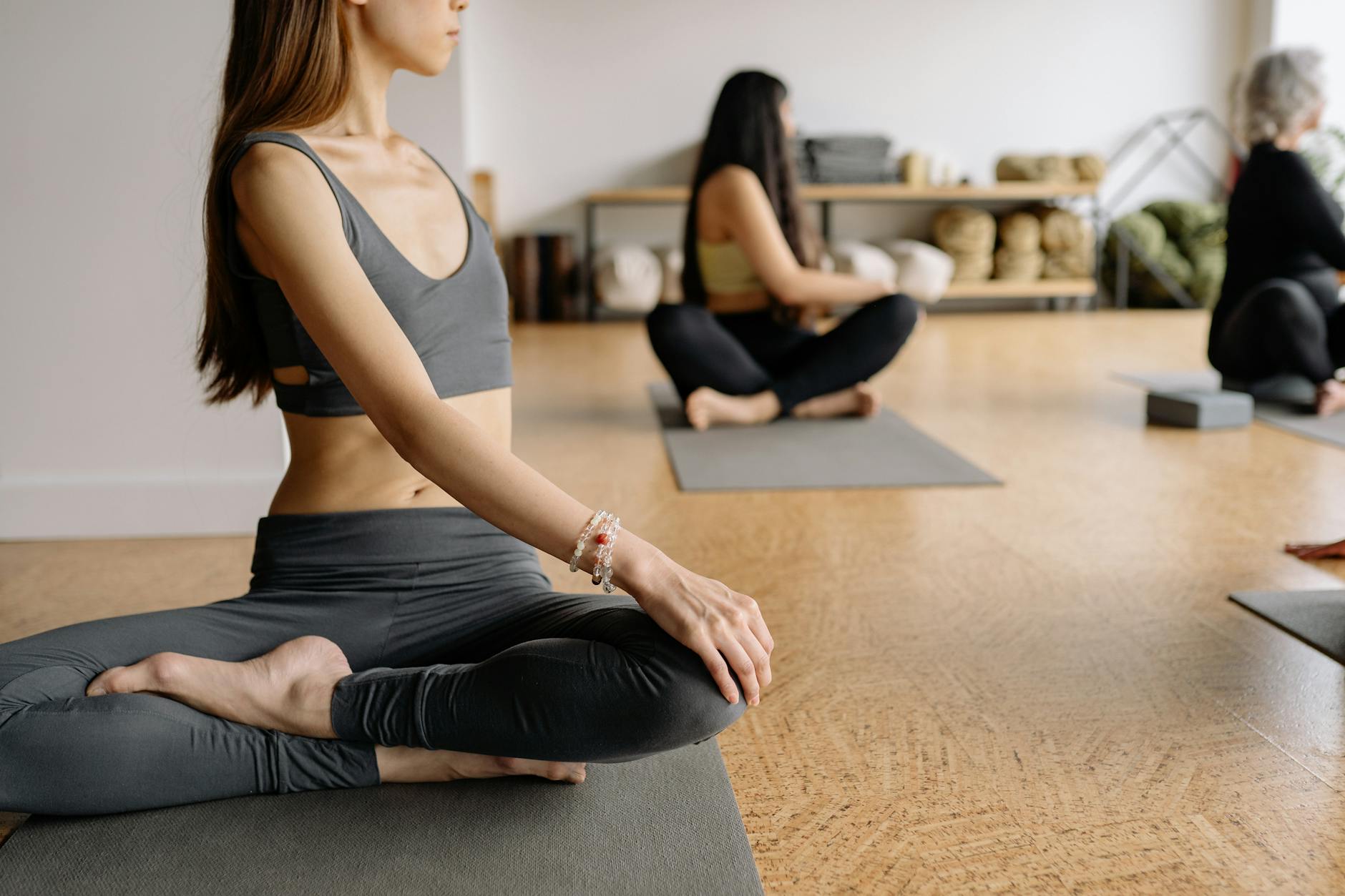
If you're struggling with stress or anxiety, mindfulness exercises can feel like a lifeline. They offer a way to interrupt the cycle of anxious thoughts and overwhelming emotions.
Interrupting the Worry Cycle
Anxiety often involves getting caught in loops of "what if" thoughts. Mindfulness techniques help you recognize these thought patterns as just that – thoughts, not necessarily reality.
The Power of "Observing" Thoughts
When you notice yourself worrying, you can practice observing the thought without engaging with it. Imagine it's a leaf floating down a stream. You see it, acknowledge it, but you don't jump in after it. This detachment is a learned skill, and mindfulness practices are how you build it. The Mayo Clinic research on mindfulness exercises consistently points to its effectiveness in managing anxiety symptoms.
Building Resilience Through Daily Mindfulness
Regularly engaging in daily mindfulness can build a stronger foundation of emotional resilience. You become better equipped to handle life's inevitable challenges.
Small Steps, Big Impact
It's not about achieving perfect calm instantly. It's about consistently showing up for yourself, even for just a few minutes each day. Think of it like building muscle; small, consistent efforts lead to significant strength over time. Consider exploring healthy morning habits that incorporate a brief mindfulness practice.
Making Mindfulness a Sustainable Practice
The biggest hurdle for many people isn't understanding mindfulness, but actually sticking with it. Here are a few tips that have helped me and countless others.
Finding Your "Why"
Why do you want to practice mindfulness? Is it for stress relief, better focus, improved relationships, or to feel more joy? Connecting with your deeper motivation will help you persevere when things get tough.
Personal Goals Drive Consistency
For me, my "why" was the sheer exhaustion of living in a constant state of mental overdrive. I wanted to feel more peace and have more energy for the things I actually cared about. This personal connection makes the effort feel worthwhile.
Integrating Mindfulness into Your Schedule
Don't wait for the "perfect" time to practice; it never arrives. Look for opportunities to weave mindfulness into your existing day.
Anchoring to Existing Habits
Use existing routines as cues for mindfulness. For instance, take three mindful breaths before you open your email each morning. Practice mindful eating during your lunch break. Do a quick body scan before you go to sleep. These small anchors make it easier to remember and integrate these practices. You might even consider a Spring Reset Challenge to kickstart a more consistent mindfulness routine.
The Role of Self-Compassion
Be kind to yourself. There will be days when your mind feels like a wild stallion, and you can't seem to focus for more than ten seconds. That's okay. Acknowledge it without judgment, pick yourself up, and try again. This self-compassion is a vital part of the mindfulness journey.
Mindfulness exercises aren't a magic bullet, but they are incredibly effective tools for navigating the complexities of modern life. They offer a path back to ourselves, a way to find calm amidst the chaos, and a method to truly appreciate the richness of each moment. Start small, be consistent, and be gentle with yourself. The rewards are profound. The National Institutes of Health research on mindfulness exercises continues to expand, showing its broad applicability for a range of conditions. Even just a few minutes of mindful meditation benefits can start to shift your perspective.