
What if I told you that the secret to a truly restful night wasn't a fancy new supplement or a prescription, but something you already possess? Imagine drifting off effortlessly, your mind calm and your body relaxed, instead of tossing and turning with a thousand thoughts buzzing. This isn't a fantasy; it's the promise of mindfulness for sleep.
Taming the Racing Mind for Deeper Sleep
You've probably noticed how your brain can become a relentless chatterbox when your head hits the pillow. It replays conversations, worries about tomorrow, or replays that embarrassing moment from years ago. This mental gymnastics is a huge roadblock to sleep. Mindfulness, at its core, is about paying attention to the present moment without judgment. When applied to sleep, it's like gently guiding a runaway train back onto its tracks, one mindful breath at a time.
The Science Behind the Snooze
It's not just woo-woo stuff. There's solid science showing how meditation for sleep can genuinely help. When we're stressed or anxious, our bodies release cortisol, the stress hormone. This keeps us in a state of alert, making it incredibly hard to wind down. Mindfulness techniques activate the parasympathetic nervous system, our body's "rest and digest" mode. This counteracts the stress response, lowering heart rate, blood pressure, and quieting that internal alarm system.
Why Your Brain Fights Sleep
Here's the thing: our brains are wired for survival. In ancient times, being awake and alert at night was crucial for spotting predators. While we don't have sabre-toothed tigers lurking outside our windows anymore, our brains haven't quite gotten the memo. They still default to vigilance when they perceive a threat, and that threat can be as simple as a looming deadline or a disagreement with a loved one.

Mindfulness Sleep Meditation: Your New Bedtime Ritual
This is where mindfulness sleep meditation shines. It's not about emptying your mind, which is a common misconception and frankly, impossible for most of us. Instead, it's about learning to observe your thoughts without getting swept away by them. Think of your thoughts like clouds drifting across the sky. You can see them, acknowledge them, but you don't have to climb onto each one and go for a ride.
The Power of the Breath
Your breath is your anchor. It's always with you, and it's a simple yet profound tool for grounding yourself. When you focus on the sensation of your breath – the rise and fall of your chest, the cool air entering your nostrils, the warm air leaving – you're bringing your attention back to the present. This practice, repeated consistently, helps retrain your brain to find calm instead of chaos when you lie down.
Body Scan for Deep Relaxation
Another fantastic technique is the body scan. It involves bringing your awareness to different parts of your body, noticing any sensations without trying to change them. You might start with your toes, then move up to your ankles, calves, knees, and so on, all the way to the crown of your head. Often, we hold tension without even realizing it. This practice helps release that physical tightness, which is often linked to mental stress. I used to think I was relaxed until I did a body scan and realized how clenched my jaw was!
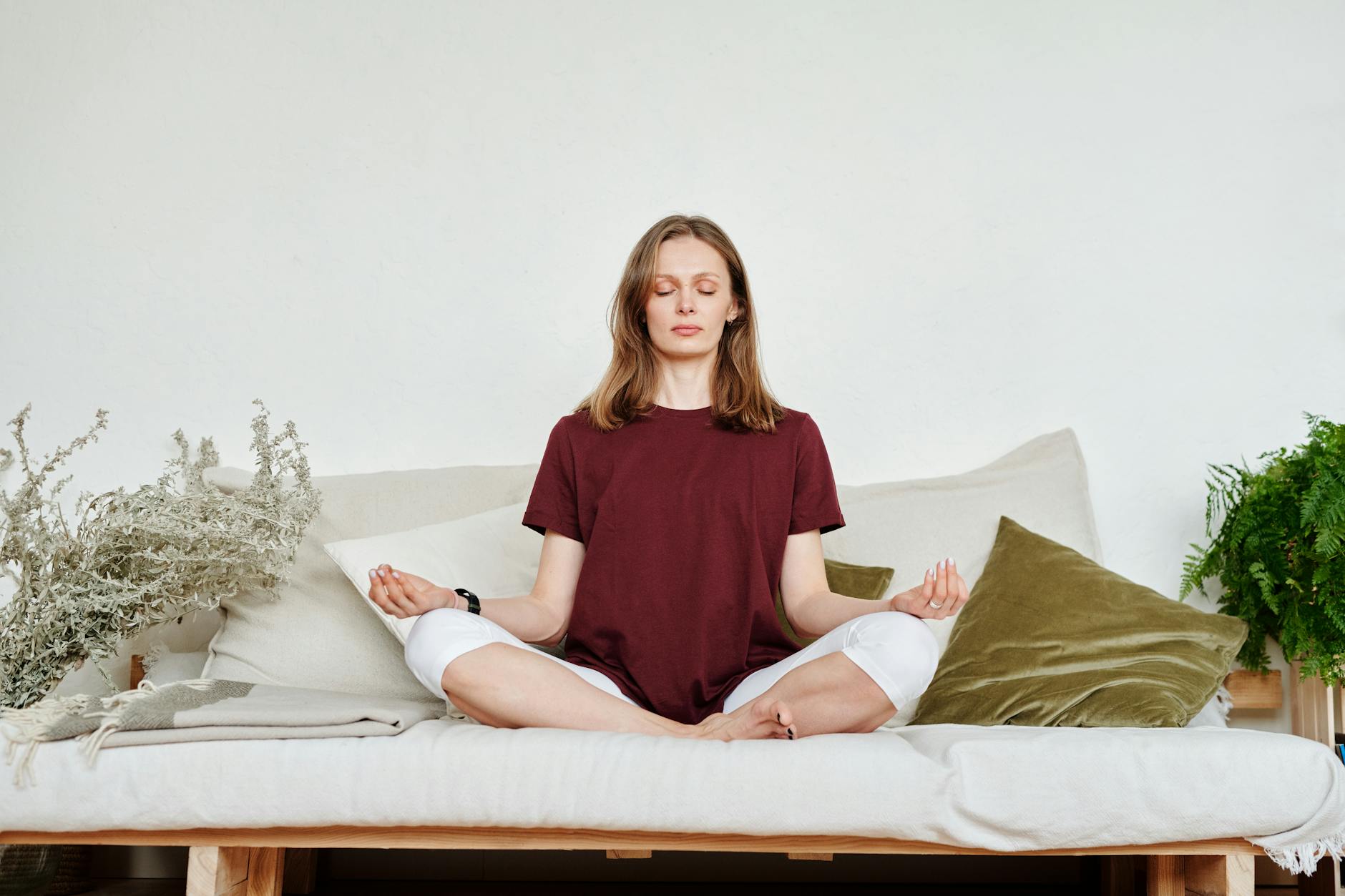
Practical Mindfulness Sleep Techniques to Try Tonight
You don't need hours of practice or special equipment to start reaping the benefits of mindfulness for sleep. These are simple, actionable strategies you can integrate right away.
The 4-7-8 Breathing Technique
This one is a game-changer for many. It’s incredibly simple:
- Inhale quietly through your nose for a count of 4.
- Hold your breath for a count of 7.
- Exhale completely through your mouth, making a "whoosh" sound, for a count of 8.
Mindful Awareness of Sounds
Instead of getting annoyed by external noises – a car horn, a neighbor’s TV – try to mindfully notice them. Acknowledge the sound without labeling it as "good" or "bad." Just hear it. Then, gently bring your attention back to your breath or the feeling of your body on the mattress. This practice helps detach you from the frustration that often accompanies sleep disturbances.
Guided Sleep Meditation
Sometimes, having a gentle voice guide you can be incredibly soothing. There are countless guided sleep meditation resources available online and through apps. These often combine breath awareness, body scans, and visualization to help you relax and drift off. It's like having a personal guide to lead you into dreamland. You can find some amazing resources through platforms that offer guided sleep meditation.

Beyond the Pillow: Integrating Mindfulness into Your Day
While specific meditation for sleep techniques are powerful, the real magic of mindfulness for sleep happens when you weave it into your daily life. The more you practice being present and managing stress during the day, the easier it will be to find peace at night.
Morning Mindfulness for Better Evenings
Starting your day with even five minutes of mindfulness can set a calmer tone for everything that follows. This could be as simple as savoring your morning coffee without distractions or taking a few deep breaths before you even get out of bed. It’s about cultivating that awareness from the get-go, which can prevent stress from snowballing later. Consider exploring some healthy morning habits that incorporate this.
Mindful Movement and Stress Management
Engaging in mindful movement, like walking or gentle yoga, can be incredibly beneficial. It helps release pent-up physical energy and allows you to connect with your body. When you're feeling overwhelmed, remember to use stress management techniques. The less stress you carry into the evening, the better your sleep will be. This is a crucial piece of the puzzle for anyone struggling with anxiety and sleep.
The Role of Sunlight
Don't underestimate the impact of natural light. Getting some exposure to sunlight, especially in the morning, helps regulate your circadian rhythm, your body's natural sleep-wake cycle. This can make a huge difference in how easily you fall asleep and how well you sleep through the night. Think of it as a natural cue to your body that it's time to be awake and alert, which paradoxically helps you wind down later. The connection between sunlight mood boost and overall well-being, including sleep, is significant.

Overcoming Obstacles to Better Sleep with Meditation
It's not always a smooth ride. There will be nights when your mind feels particularly stubborn, or you might feel like you're "doing it wrong." This is totally normal. The key is persistence and self-compassion.
When the Thoughts Won't Stop
If you find yourself getting frustrated because your mind won't quiet down, acknowledge that frustration. Then, gently redirect your attention back to your chosen anchor, whether it's your breath or a guided meditation. Remember, the goal isn't to stop thinking, but to change your relationship with your thoughts. This is a core principle behind the mindful meditation benefits you're aiming for.
Consistency Over Perfection
You don't need a perfect 30-minute session every single night. Even five minutes of focused breathing can make a difference. The cumulative effect of consistent, even short, practices is far more powerful than sporadic, long sessions. Think of it like building any habit; small, regular steps lead to big results. This is why I always encourage people to start small, perhaps as part of a Spring Reset Challenge, to build momentum.
Seeking Professional Help
If you're experiencing chronic insomnia or severe anxiety that's impacting your sleep, it's essential to consult with a healthcare professional. Mindfulness for sleep can be a powerful complementary tool, but it's not a replacement for medical advice. Resources from organizations like the Mayo Clinic research on mindfulness for sleep and the Centers for Disease Control and Prevention research on mindfulness for sleep offer valuable insights and guidance.
Honestly, I used to be skeptical. I thought mindfulness was something for people with tons of free time. But when sleep started eluding me more often than not, I decided to give it a real shot. The shift wasn't overnight, but gradually, I noticed a difference. My sleep wasn't just about being unconscious; it became a restorative process. The most surprising thing for me was how much calmer I felt throughout my *entire* day, not just at bedtime. If you're looking for a way to improve sleep habits and find true insomnia relief, start with mindfulness. It's a gentle, powerful path to better sleep, and it's available to you right now, with every single breath.