The Myth of the Grand Escape: Why Your Home Wellness Retreat Matters Most
There's this pervasive idea that a true wellness retreat has to involve a plane ticket, a fancy resort, and a hefty price tag. I used to buy into that wholeheartedly. The thought of escaping to a serene mountain top or a sun-drenched beach felt like the only way to truly hit the reset button. But after years of chasing those postcard-perfect getaways, I’ve learned a profound truth: the most impactful and sustainable wellness practices often bloom right where you are. Creating a home wellness retreat isn't a compromise; it's a powerful act of reclaiming your space and your well-being, on your own terms.
It’s easy to feel overwhelmed by the demands of daily life. The constant notifications, the endless to-do lists, the sheer mental load can leave you feeling depleted. We often tell ourselves that we'll get to self-care *later*, when things calm down, when we have more time, when we can afford that expensive spa weekend. But "later" has a funny way of never arriving. This is precisely why cultivating the ability to create a sanctuary at home is so crucial. It’s about building resilience, not just seeking temporary escape.
Designing Your Personal Sanctuary
Your home is more than just a roof over your head; it’s a reflection of your inner world. If it feels chaotic, cluttered, or simply uninspiring, it's going to be incredibly difficult to find peace. Think about the last time you walked into a space that just felt *right*. What was it about that space? Likely, it was a sense of calm, order, and intentionality. Bringing that feeling into your own home is the first step in building your personal sanctuary.
Decluttering with Intention
This isn't about a frantic weekend purge, though that can be a part of it. It's about a mindful approach to what you surround yourself with. Every item in your home holds energy. If you're holding onto things that no longer serve you, they can create mental clutter and drain your energy. Start small. Pick one drawer, one shelf, or one corner of a room. Ask yourself: does this bring me joy? Does it serve a purpose? If not, consider letting it go. It’s a surprisingly freeing experience.
Creating a Dedicated Space
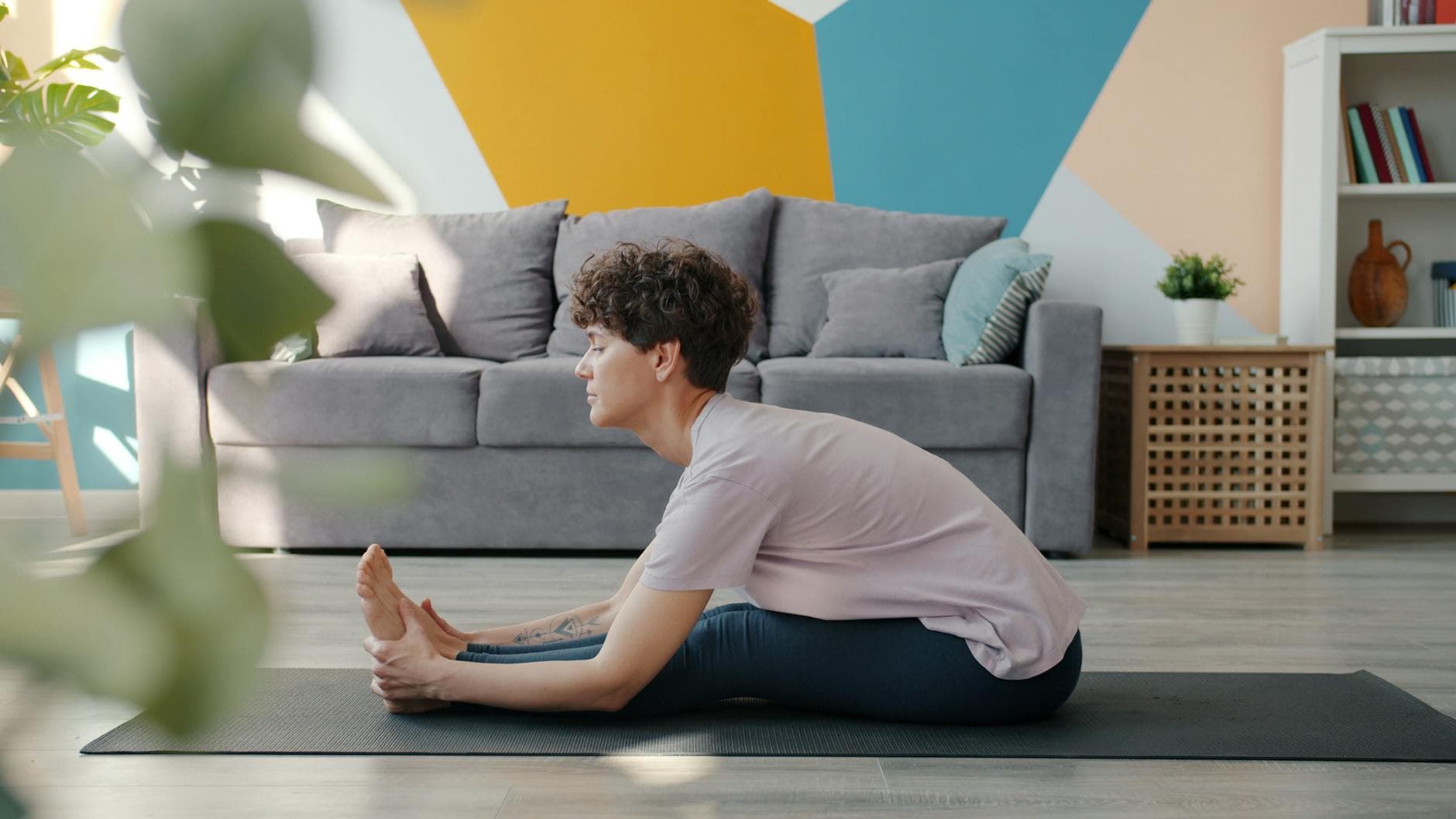
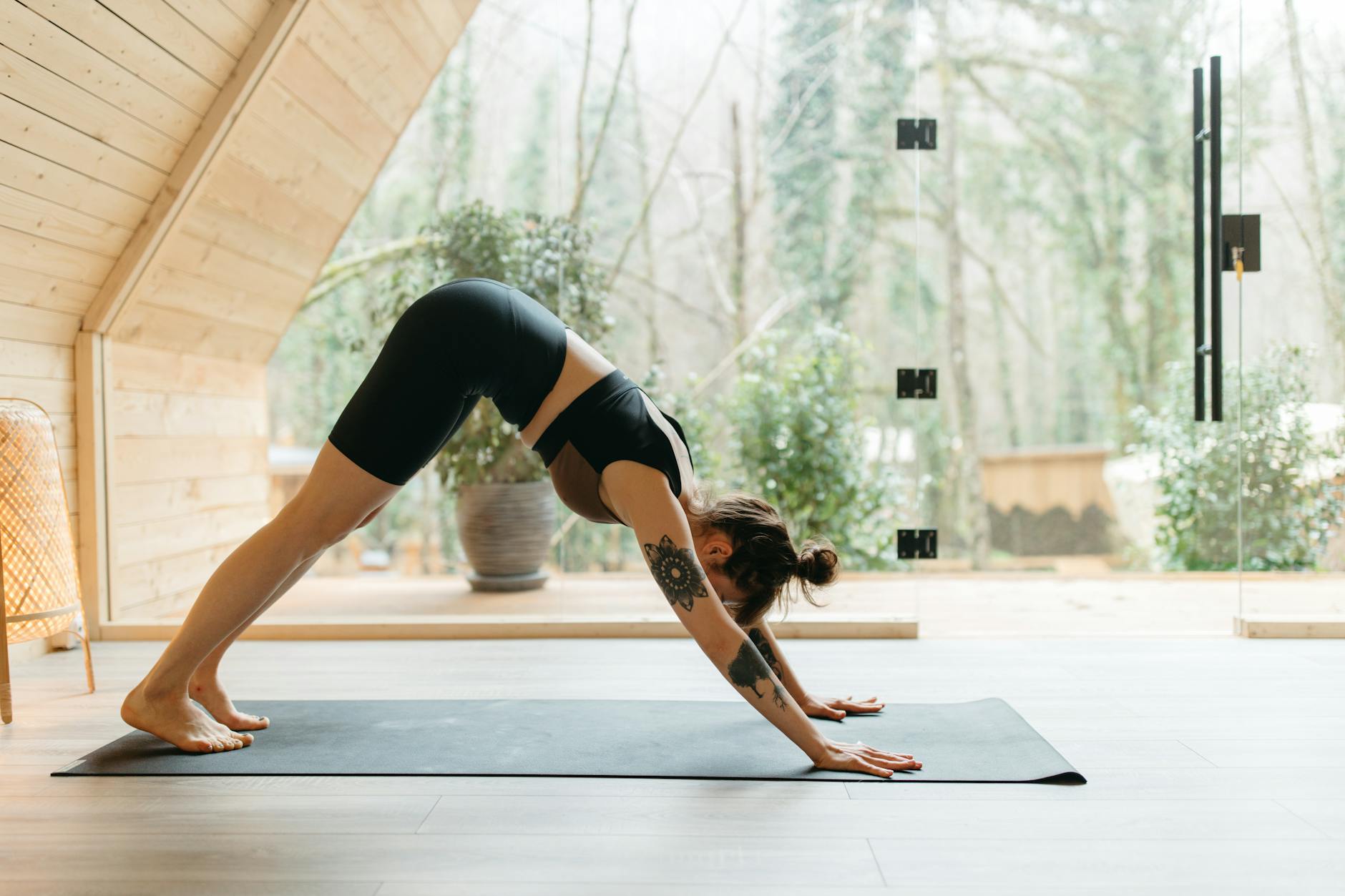
You don't need a whole extra room to create a dedicated wellness space. It could be a cozy corner of your living room, a peaceful spot by a window, or even just a comfortable mat you roll out for your morning practice. The key is to make it distinct, a place you associate with calm and rejuvenation. Keep it tidy, perhaps add a plant, a soft blanket, or a few favorite books. This intentionality signals to your brain that this is a place for rest and reflection.
Engaging Your Senses
A true sanctuary engages all your senses. Think about soft lighting – maybe some fairy lights or a dimmable lamp. Consider gentle, calming scents like lavender or chamomile through an essential oil diffuser. What about sounds? Curate a playlist of soothing music or nature sounds. Even the feel of things matters – a soft rug underfoot, a plush throw. These sensory anchors can powerfully shift your mood and create an immersive experience.
Crafting Your At-Home Retreat Schedule
One of the biggest mistakes people make with a home wellness retreat is not having a plan. Without structure, it’s easy to fall back into old habits and let the day slip away. But this isn't about rigid military-style scheduling; it's about gentle guidance, creating pockets of peace throughout your day or weekend. Think of it as a menu of restorative activities you can choose from.
Morning Rituals for a Fresh Start
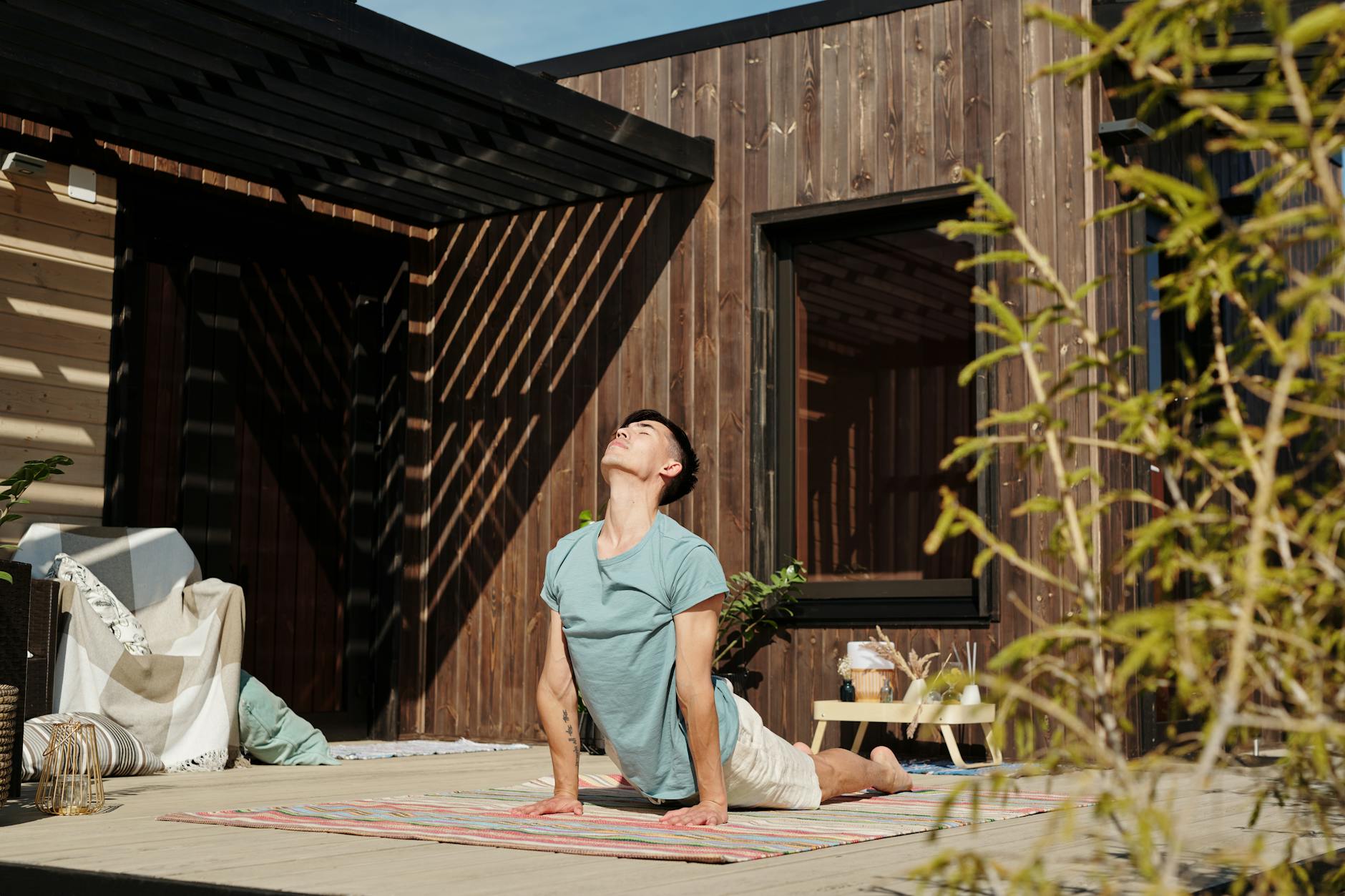
How you begin your day sets the tone for everything that follows. Instead of reaching for your phone immediately, try a gentle morning ritual. This could be as simple as drinking a large glass of water, followed by a few minutes of quiet reflection or journaling. Some find a short, mindful movement practice like stretching or a few sun salutations incredibly beneficial. I’ll be real with you, for years I was a slave to my alarm and immediately checking emails. Shifting to a quiet, mindful morning was a game-changer for my overall mental health.
Mindful Movement and Stillness
Movement is medicine, but it doesn't have to be an intense workout. Incorporate gentle yoga poses, a brisk walk in nature (if accessible), or even just some simple stretching. The goal is to connect with your body, release tension, and boost circulation. Complement this with periods of stillness. This is where mindfulness at home practices truly shine. Dedicate time for meditation, deep breathing exercises, or simply sitting in silence, observing your thoughts without judgment. What is Mindfulness? Discover Its Benefits & Practice is a great resource for getting started.
Nourishing Your Body and Soul
What you eat has a profound impact on how you feel, both physically and mentally. During your retreat, focus on whole, nourishing foods. Think vibrant salads, hearty vegetable soups, and plenty of fruits. Prepare meals mindfully, savoring each bite. This is also a fantastic time to experiment with healthy habits for spring, incorporating seasonal produce. Hydration is key too; keep water, herbal teas, and infused water readily available.
Embracing Digital Detox and Reconnection
In our hyper-connected world, a digital detox at home is almost non-negotiable for a true reset. The constant barrage of information, social media comparisons, and endless notifications can be incredibly draining. Stepping away, even for a short period, allows your nervous system to calm down and your mind to clear.
Setting Boundaries with Technology
This might sound daunting, but it's incredibly liberating. Designate specific times or even full days where you put your phone away. Turn off notifications for non-essential apps. If you need to be reachable for emergencies, set clear expectations with loved ones about when and how you'll respond. Consider leaving your phone in another room during meals or dedicated relaxation periods. The initial urge to check might be strong, but the peace you gain is immense.
Reconnecting with the Physical World
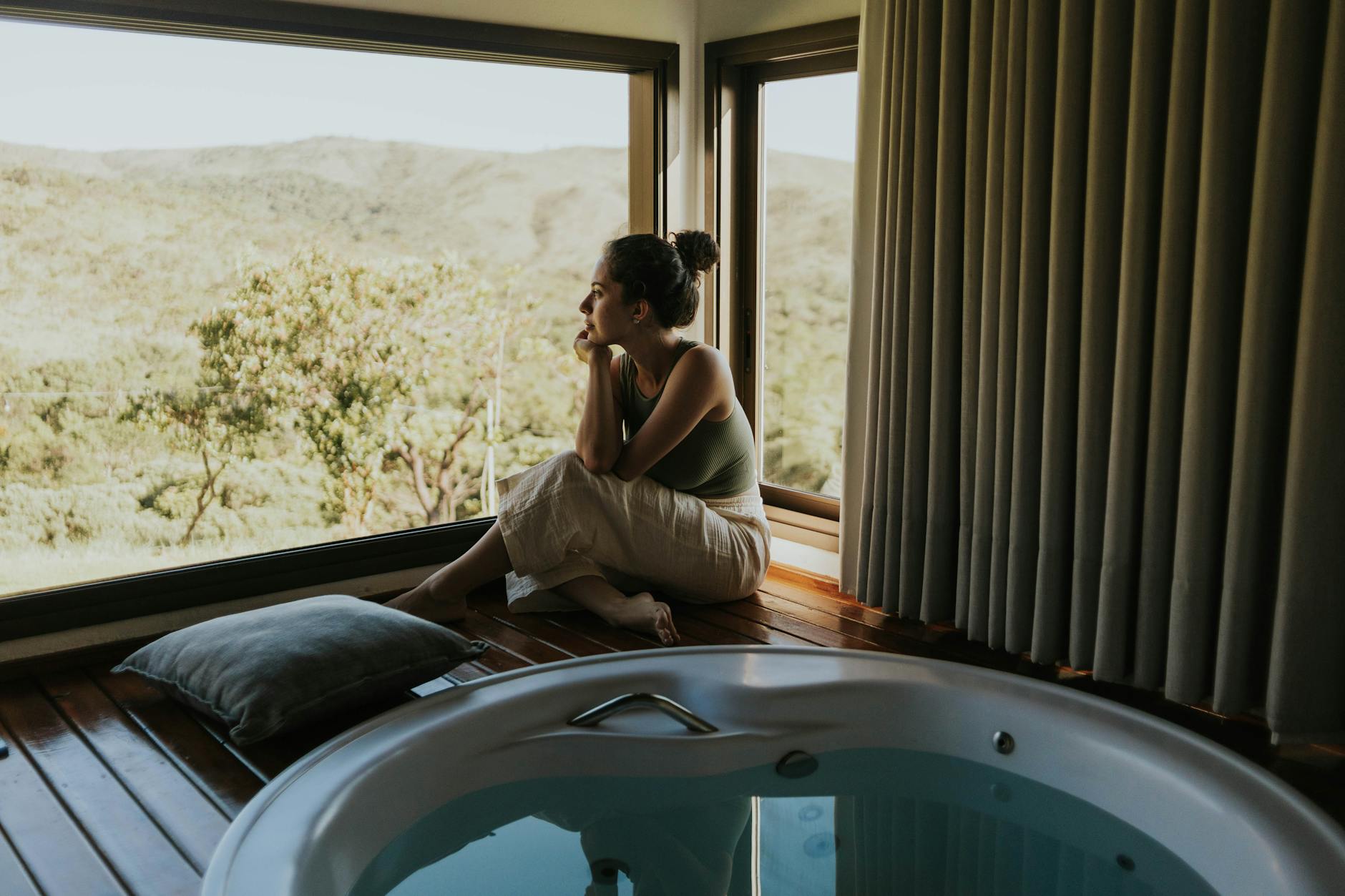
When you reduce screen time, you open yourself up to the richness of the physical world around you. Engage in activities that ground you. This could be reading a physical book, spending time in your garden, listening to a podcast without multitasking, or simply observing the world outside your window. For me, this also means reconnecting with my physical self through skincare. Using a best natural moisturizer, for instance, feels like a small act of self-love that enhances the experience.
Journaling for Self-Discovery
A journal is a powerful tool for processing thoughts and emotions, especially during a time of intentional rest. Use it to explore your feelings, brainstorm ideas, or simply document your experiences. Prompts like "What am I grateful for today?" or "What is one thing I can do to bring more peace into my life?" can be incredibly illuminating. This is a deeply personal form of self-discovery, and the insights you gain can be profound.
DIY Spa Day and Sensory Delights
You don't need to book a spa appointment to experience the restorative power of pampering. A diy spa day at home can be just as luxurious and effective, allowing you to tailor every element to your preferences. It’s about creating a ritual of self-care that feels indulgent and deeply relaxing.
Soothing Baths and Body Treatments
A warm bath is a classic for a reason. Elevate it with Epsom salts to ease muscle tension, a few drops of your favorite essential oils (lavender for relaxation, eucalyptus for clearing), or even some flower petals. Follow up with a luxurious body scrub – you can make your own with sugar or coffee grounds mixed with a carrier oil. Then, slather on a rich, nourishing body butter or lotion. This is a great time to experiment with natural anti aging skin secrets revealed now by using high-quality natural ingredients.
Facial Rejuvenation at Home
Your face deserves some special attention. A gentle cleanser, followed by a hydrating or purifying mask (depending on your skin's needs), can work wonders. You can create simple masks at home using ingredients like honey, yogurt, or avocado. Don't forget to treat your eye area with a gentle serum or cream. A facial massage, even just a few minutes of gentle upward strokes, can boost circulation and promote a healthy glow.
Aromatherapy and Sound for Deep Relaxation
Amplify your spa experience with aromatherapy. Light a beautifully scented candle or use an essential oil diffuser with calming blends. Pair this with a curated playlist of ambient music, guided meditations, or even nature sounds. The combination of pleasant scents and soothing sounds can help to quiet the mind and deepen your state of relaxation. This holistic approach is often overlooked but is incredibly powerful for stress relief techniques at home.
Sustaining the Glow: Bringing Retreat Home
The magic of a home wellness retreat isn't confined to the hours you dedicate to it. The true success lies in integrating the lessons and feelings you cultivate back into your everyday life. Think of it as planting seeds of peace that you can nurture long after the retreat officially ends.
Integrating Practices into Daily Life
Identify one or two practices from your retreat that resonated most deeply with you. Perhaps it was the morning meditation, the mindful eating, or the evening journaling. Commit to incorporating these into your regular routine, even if it's just for 5-10 minutes a day. Consistency is far more impactful than sporadic grand gestures. You might find that these small, intentional moments make a significant difference in your overall well-being.
Recognizing Seasonal Shifts
Just as nature undergoes cycles, so too do our own bodies and minds. Paying attention to these shifts can inform your wellness practices. For example, as spring arrives, you might feel a natural inclination towards renewal and increased energy. Embracing spring wellness rituals can help you harness this energy. Understanding seasonal mood changes can also empower you to proactively support your mental health during different times of the year.
Prioritizing Self-Compassion
There will be days when you fall off track, when the demands of life feel overwhelming, and when your carefully planned retreat practices seem impossible. This is where self-compassion is paramount. Instead of berating yourself, acknowledge the challenge with kindness. Treat yourself as you would a dear friend who is struggling. Remind yourself that perfect adherence isn't the goal; consistent effort and self-awareness are. Research from organizations like the Centers for Disease Control and Prevention research on home wellness retreat consistently highlights the importance of mental well-being and self-care.
Ultimately, a home wellness retreat is not about perfection or escaping reality. It’s about cultivating a deeper connection with yourself, your environment, and the present moment. It’s about building a sustainable foundation of well-being that supports you through life’s inevitable ups and downs. By embracing the power of your own space and intentionality, you can discover a profound sense of peace and rejuvenation, right where you are. The journey inward is often the most rewarding adventure of all.