Imagine this: you're rushing through your morning, a whirlwind of to-do lists, unanswered emails, and the nagging feeling you've forgotten something crucial. Your coffee is lukewarm, your toast is burnt, and the car keys are nowhere to be found. Your mind is a frantic hamster wheel, spinning with anxieties about the day ahead and regrets about yesterday. You take a gulp of that sad, cold coffee and think, "Is this it? Is this what life feels like now?" If this scenario resonates, then understanding what is mindfulness is not just a helpful concept, it's a lifeline.
Understanding the Core of Mindfulness
Beyond the Buzzword: A Practical Definition
Let's cut through the noise. At its heart, what is mindfulness? It's the practice of paying attention, on purpose, in the present moment, non-judgmentally. This isn't about emptying your mind or achieving some mystical state of bliss. It's about becoming aware of what's happening right now, both internally and externally, without getting swept away by it. Think of it as gently anchoring yourself in the here and now, rather than being tossed about by the waves of your thoughts and emotions.
The Non-Judgmental Aspect: A Key Differentiator
This "non-judgmental" part is crucial, and honestly, it's often the hardest for people to grasp. We're conditioned to evaluate everything. "This thought is good," "That feeling is bad," "I shouldn't be thinking this." Mindfulness asks us to observe these judgments as just that – thoughts, not necessarily truths. It's about noticing the grumpy thought without *becoming* the grumpy person. This shift can be incredibly liberating.
Mindfulness vs. Meditation: What's the Difference?
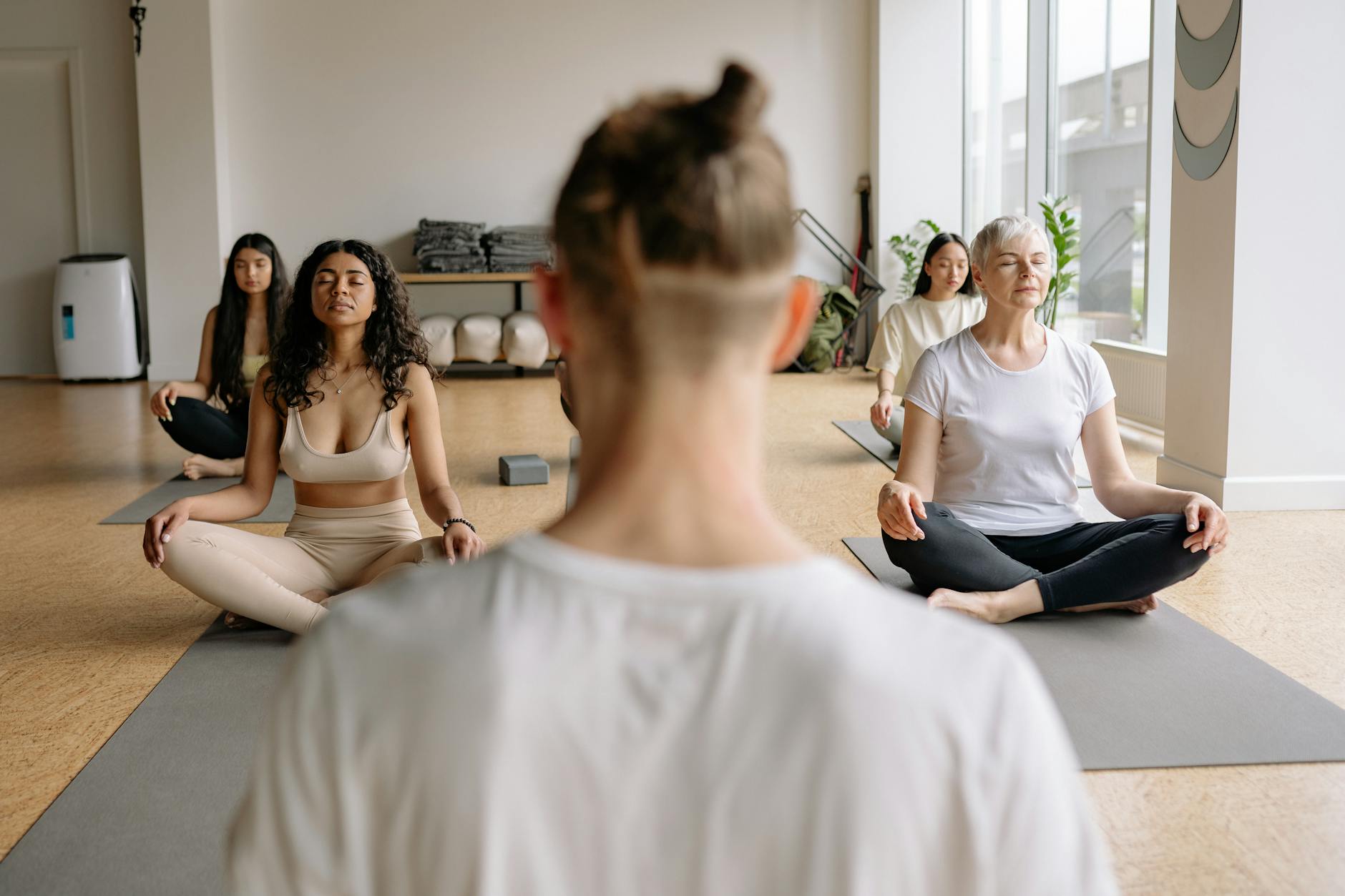
Many people confuse mindfulness with meditation, and while they are closely related, they aren't identical. Meditation is a formal practice, a structured way to cultivate mindfulness. Think of mindfulness as the quality you're developing, and meditation as the gym where you train that quality. You can be mindful without formally meditating, but formal meditation is a powerful tool for deepening your mindfulness practice.
The Profound Benefits of Mindfulness Practice
More Than Just Stress Reduction Techniques
The immediate benefit most people seek when exploring what is mindfulness is stress reduction. And yes, the research backs this up. Studies, like those supported by the National Institutes of Health research on what is mindfulness, show significant decreases in perceived stress and anxiety among regular practitioners. But the mindfulness meditation benefits go far beyond just feeling a bit calmer.
Boosting Emotional Regulation and Self-Awareness
When you're more aware of your thoughts and feelings as they arise, you gain a crucial space between stimulus and response. This space is where true emotional regulation happens. Instead of automatically snapping when someone cuts you off in traffic, you might notice the surge of anger, acknowledge it, and choose a more constructive response. This increased self-awareness exercises are a cornerstone of the practice.
Enhancing Focus and Cognitive Function
Think about the last time you were truly focused on a task. It's a rare and pleasant experience for many. Mindfulness trains your attention muscle. By repeatedly bringing your focus back to the present moment, you strengthen your ability to concentrate and resist distractions. This can lead to improved productivity and a greater sense of accomplishment in your daily tasks. This one surprised me when I first started practicing more consistently.
Cultivating Deeper Connections and Well-being
When you're more present, you're more available to the people around you. You listen better, you connect more authentically. On a personal level, this means a richer inner life. You start to appreciate the small joys, notice the beauty in everyday moments, and develop a more compassionate relationship with yourself. It contributes significantly to overall mental well-being.

Exploring Different Mindfulness Techniques
The Breath as Your Anchor: A Foundational Practice
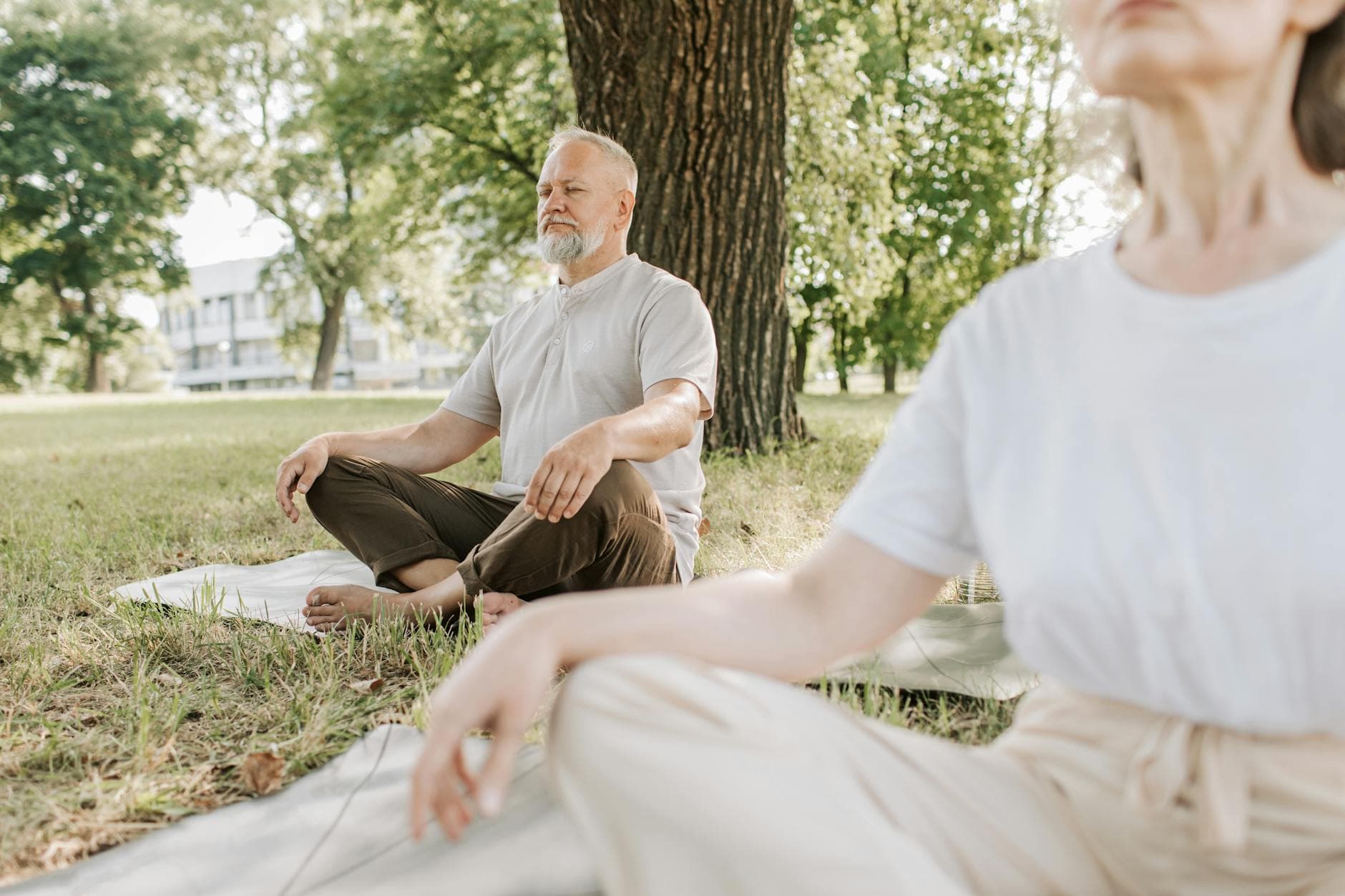
The simplest, most accessible of all mindfulness techniques is focusing on your breath. It's always with you. Find a comfortable position, close your eyes if you like, and simply notice the sensation of your breath entering and leaving your body. You don't need to change it, just observe. When your mind wanders (and it will!), gently guide your attention back to the breath. This is the essence of meditation for beginners.
Body Scan: Connecting with Your Physical Self
The body scan is a wonderful way to cultivate present moment awareness of your physical sensations. You systematically bring your attention to different parts of your body, noticing any sensations like warmth, coolness, tingling, or pressure, without judgment. It helps you become more attuned to your body's signals, which can be incredibly useful for identifying stress before it becomes overwhelming.
Mindful Walking: Bringing Awareness to Movement
You don't need to be sitting cross-legged on a cushion to practice mindfulness. Mindful walking is a fantastic way to integrate it into your daily life. As you walk, pay attention to the sensations in your feet as they connect with the ground, the movement of your legs, the feeling of the air on your skin. It turns a mundane activity into an opportunity for presence. This is particularly helpful when dealing with mindfulness for anxiety, as it offers a gentle physical outlet.
Mindful Eating: Savoring Every Bite
How often do you eat while scrolling through your phone or watching TV? Mindful eating is about engaging all your senses with your food. Notice the colors, the textures, the smells, and the tastes. Chew slowly and savor each bite. You might be surprised by how much more you enjoy your food and how much more satisfied you feel, even with smaller portions.

Integrating Mindfulness into Your Daily Life
Starting Small: The Power of Micro-Practices
You don't need to commit to an hour of meditation every day to experience the benefits. Start with just 5 minutes. Set a timer and dedicate that time to focusing on your breath. Or choose one activity a day, like brushing your teeth or washing the dishes, and try to be fully present for it. Consistency trumps duration, especially when you're beginning your mindfulness practice.
Leveraging Technology: Apps and Guided Meditations
For many, guided meditations are a game-changer. Apps like Calm, Headspace, or Insight Timer offer a vast library of guided meditation sessions for various purposes, from sleep to focus to stress relief. These can provide structure and support as you learn to quiet your mind and cultivate presence. I've found them incredibly valuable in my own journey.
Mindfulness in Challenging Moments
This is where mindfulness truly shines. When you feel a wave of anxiety or frustration rising, can you pause? Can you notice the physical sensations in your body? Can you acknowledge the thought without believing it as absolute truth? This ability to meet difficult emotions with awareness rather than automatic reaction is a profound skill that mindfulness helps develop. It's a powerful tool for stress reduction techniques that goes deeper than surface-level coping.
The Long-Term Journey: Patience and Self-Compassion
Look, mindfulness isn't a quick fix. It's a practice, a journey. There will be days when your mind feels like a wild stallion, and days when it feels calmer. The key is to approach it with patience and self-compassion. Celebrate the small victories and don't get discouraged by the "off" days. This journey is about progress, not perfection. The Mayo Clinic research on what is mindfulness consistently highlights the long-term positive impacts.
Embracing a Mindful Existence
Beyond the Technique: A Shift in Perspective
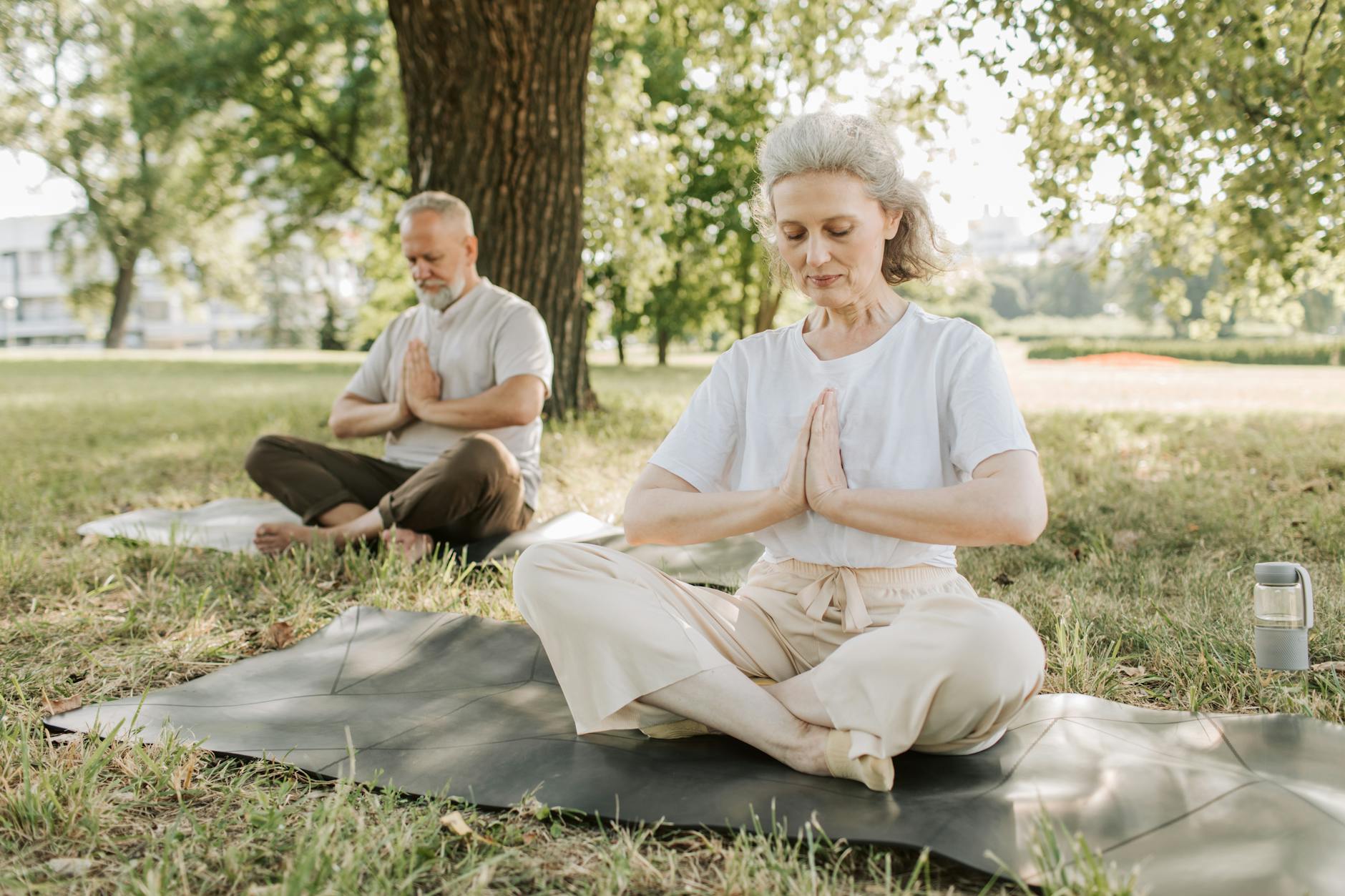
Ultimately, understanding what is mindfulness is about cultivating a different way of being in the world. It's about shifting from a life lived on autopilot to one lived with intentionality and awareness. It's about noticing the beauty in the ordinary, finding peace amidst chaos, and connecting more deeply with yourself and others. It’s a practice that can profoundly impact your mental well-being and your overall quality of life.
Your Invitation to Presence
So, the next time you find yourself caught in the whirlwind, remember the breath. Remember the simple act of paying attention. You have the power, right now, to choose presence over preoccupation. It's a skill that can be learned, honed, and integrated into every aspect of your life, leading to a more grounded, peaceful, and fulfilling existence. The journey begins with a single, conscious breath.