The Real Truth About Weight Loss for Women
Did you know that for every ten women who start a weight loss program, only one will achieve sustainable results? That’s a staggering statistic, and it’s one that many of you have likely felt in your own lives. For years, we’ve been fed a narrative that’s often too simplistic, too generic, and frankly, not very effective when it comes to weight loss for women. The truth is, female bodies are complex, hormonal, and respond differently to diet and exercise than male bodies. Understanding these nuances isn’t about making excuses; it’s about unlocking a more effective, sustainable, and even enjoyable path to reaching your health and weight goals.
Why the Standard Advice Falls Short
It’s frustrating, isn’t it? You cut calories, you hit the gym, you do all the "right" things, and yet, the scale barely budges, or worse, it creeps back up the moment you ease up. This isn't a failure on your part. Here's the thing: much of the general weight loss advice out there is based on a male physiology model or assumes a one-size-fits-all approach. Women have different hormonal cycles, bone density considerations, and metabolic rates that significantly impact how we process food and store fat.
Hormones Aren't the Enemy, They're the Key
This is where things get really interesting. I used to think of hormones as just something that caused mood swings and period pain. But in the context of weight loss for women, they are absolutely central. Estrogen, progesterone, cortisol, insulin – these aren’t just biological buzzwords; they are powerful drivers of our metabolism and appetite. When these hormones are out of balance, it can feel like you're swimming upstream against a powerful current when trying to lose weight.
The Metabolic Maze Women Navigate
Women generally have a lower resting metabolic rate than men, meaning we burn fewer calories at rest. This isn't a flaw; it's just a biological reality. Coupled with hormonal fluctuations throughout the month, this means that a rigid, calorie-counting approach might not be the most effective strategy. Instead, we need to think about nutrient timing, food quality, and how our bodies respond to different types of macronutrients at different points in our cycle. This is a cornerstone of effective weight loss strategies for women.
Unlocking Sustainable Weight Loss for Women: A New Perspective
So, if the old rules don't quite fit, what does work? It’s about shifting our focus from quick fixes to building healthy weight loss habits that become a natural part of our lives. It’s about listening to our bodies and understanding what they need, rather than forcing them into a mold that wasn't designed for them. This is the essence of sustainable weight loss.
The Power of the Plate: Nourishing Your Body
Let's talk about food. When we say "diet," many of us immediately think of deprivation. But for women, it’s much more about nourishment. This isn't about eating bland, boring meals. It's about understanding how to create a healthy diet plan that supports hormonal balance and provides sustained energy. Think vibrant, whole foods that make you feel good from the inside out.
Prioritizing Protein and Healthy Fats
This one surprised me when I first learned about it. For women, adequate protein intake is crucial not just for muscle repair but also for satiety, helping to curb those pesky cravings. Healthy fats, like those found in avocados, nuts, and olive oil, are vital for hormone production and can actually help with fat metabolism. Don't fear the fat; learn to embrace the right kinds!
The Crucial Role of Fiber
Fiber is your best friend when it comes to managing appetite and promoting gut health, which is intrinsically linked to overall well-being and weight management. Aim for plenty of fruits, vegetables, legumes, and whole grains. They fill you up, stabilize blood sugar, and keep your digestive system happy. This is a simple yet powerful tool for anyone looking to lose weight women can rely on.
Movement That Motivates: Exercise for Women's Weight Loss
Exercise is non-negotiable, but the *type* of exercise matters immensely for women. While intense cardio has its place, we often benefit more from a balanced approach that includes strength training and mindful movement. This isn't about getting "bulky"; it's about building lean muscle mass, which is a metabolic furnace, and improving bone density.
Strength Training: Your Secret Weapon
I cannot stress this enough: lifting weights is transformative for women. It boosts your metabolism long after your workout is done. Think about the last time you felt strong and capable – that feeling can be amplified by incorporating regular strength training. It’s a fantastic way to build a body that’s not just leaner, but also more resilient.
Cardio with Purpose
When it comes to cardio, variety is key. While a brisk walk or a jog is great, exploring different options can keep you engaged. Consider trying interval training or finding a cardio activity you genuinely enjoy. For example, if you're looking to maximize calorie burn, understanding the principles behind Treadmill Fat Burn: Maximize Your Calorie Burn Fast can be incredibly beneficial.
The Importance of Recovery
This is an area many women overlook. Overtraining can actually be counterproductive, leading to increased cortisol levels and hindering weight loss. Listening to your body and incorporating rest days, stretching, and even activities like yoga are crucial for recovery and overall progress. This supports the concept of healthy weight loss habits.
Addressing Common Challenges in Female Weight Loss
There are specific hurdles many women face that deserve dedicated attention. Understanding these challenges is the first step to overcoming them.
How to Lose Belly Fat Women Struggle With
Ah, belly fat. It's a common concern, and for women, it can be particularly stubborn due to hormonal influences, especially after childbirth or during perimenopause. The good news is that targeted strategies can make a difference. It’s not just about crunches; it’s a holistic approach.
Stress and Cortisol: The Unseen Culprit
High stress levels lead to elevated cortisol, a hormone that can signal your body to store fat, particularly around the abdomen. Finding effective stress management techniques – whether it's meditation, deep breathing exercises, spending time in nature, or engaging in a hobby – is paramount for losing that stubborn belly fat.
The Power of a Stomach Fat Workout: Burn Belly Fat Fast with This Routine
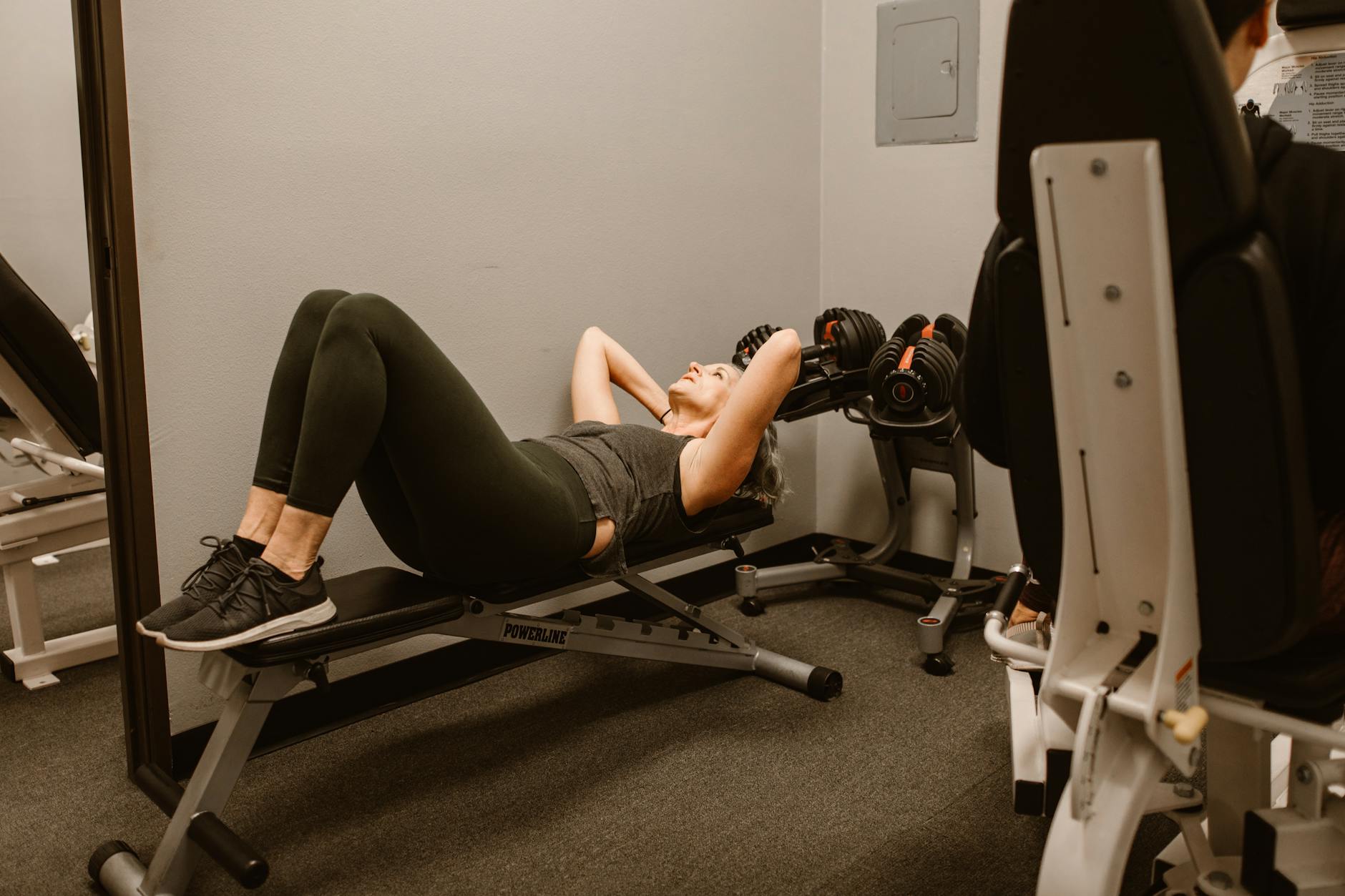
While spot reduction is a myth, a comprehensive exercise routine that includes strength training, cardio, and core-focused movements can significantly help in reducing overall body fat, which will naturally include abdominal fat. It’s about building a strong, metabolically active body.
Navigating Weight Loss for Women Over 40
This life stage brings its own unique set of considerations. As estrogen levels shift, our metabolism can slow down, and fat distribution patterns can change. This is where finding the best diet for women over 40 becomes crucial, focusing on nutrient density and hormonal support.
Metabolic Shifts and Hormonal Changes
During perimenopause and menopause, women often experience changes in muscle mass and a redistribution of fat towards the abdomen. This isn't inevitable, but it does require a more nuanced approach to diet and exercise. Focusing on protein, strength training, and managing stress becomes even more important.
Bone Health and Weight Management
Bone density naturally decreases with age, making strength training and adequate calcium and Vitamin D intake essential. A focus on whole, nutrient-rich foods supports both weight management and skeletal health, creating a synergistic effect for overall well-being.
Postpartum Weight Loss Tips: A Gentle Approach
After bringing a new life into the world, your body has been through immense change. Postpartum weight loss should be approached with patience, self-compassion, and a focus on nourishing your body as it recovers and adapts. Rushing this process can be detrimental.
Nourishment Over Restriction
Your body needs fuel to heal and, if you’re breastfeeding, to produce milk. Prioritize nutrient-dense foods that provide sustained energy. Think lean proteins, healthy fats, and plenty of fruits and vegetables. This is not the time for drastic calorie cuts.
Gentle Movement and Listening to Your Body
Start with gentle exercises like walking and pelvic floor rehabilitation. Gradually increase intensity as your body allows. The key is to listen to your body and avoid pushing yourself too hard too soon. Postpartum weight loss tips emphasize a gradual, mindful return to fitness.
The Foundation: Building Healthy Weight Loss Habits
Ultimately, the secret to successful weight loss for women isn't a magic pill or a fad diet. It's about building habits that stick. It’s about creating a lifestyle that supports your health and well-being long-term.
Mindful Eating: Connecting with Your Food
This is about more than just what you eat; it's about how and why you eat. Pay attention to your hunger and fullness cues. Eat slowly, savor your food, and try to minimize distractions. This practice can help prevent overeating and foster a healthier relationship with food. It’s a vital component of healthy weight loss habits.
Sleep and Stress: The Unsung Heroes
I can't overstate the importance of sleep. Chronic sleep deprivation disrupts hormones that regulate appetite, leading to increased hunger and cravings. Similarly, managing stress is critical, as high cortisol levels can promote fat storage. Prioritizing sleep and finding effective stress-reduction techniques are foundational for female weight loss.
Understanding the Calorie Deficit for Weight Loss
While hormones and metabolism play significant roles, the fundamental principle of weight loss still involves a calorie deficit for weight loss. This means consuming fewer calories than your body burns. However, for women, achieving this deficit needs to be done intelligently, focusing on nutrient-dense foods that provide satiety and support hormonal balance, rather than simply slashing calories indiscriminately.
Patience and Persistence: The Long Game
Sustainable weight loss for women is a marathon, not a sprint. There will be ups and downs, plateaus, and moments of frustration. The key is to stay persistent, celebrate small victories, and adjust your approach as needed. Remember, you are not alone in this journey. The research from institutions like the National Institutes of Health research on weight loss for women consistently highlights the importance of personalized, sustainable strategies over quick fixes.
I truly believe that by understanding the unique physiology of women and adopting a holistic, compassionate approach, we can move beyond the frustration of failed diets and embrace a path to lasting health and well-being. This is about empowering yourself with knowledge and making choices that honor your body.