I used to think that a healthy diet plan was all about deprivation. You know, the kind where you stare longingly at a pizza while munching on a sad, dry rice cake. Honestly, for years, that’s what I believed. I’d start a new diet, feel miserable, and then inevitably fall off the wagon, feeling like a failure. It wasn't until I truly understood that healthy eating is about nourishment and sustainability, not just restriction, that things started to click. This isn't about punishing yourself; it's about fueling yourself for a vibrant life.
Building Your Foundation: What a Truly Healthy Diet Plan Looks Like
Beyond the Fad Diets: Focusing on Real Nutrition
You’ve probably seen them all – the juice cleanses, the cabbage soup diets, the ones that promise miracles in a week. They rarely work long-term because they’re not built on sound principles. A genuine healthy diet plan is about creating a balanced intake of macronutrients (protein, carbs, fats) and micronutrients (vitamins, minerals) that your body craves. It’s about understanding what truly nourishes you, not just what temporarily sheds a few pounds.
The Pillars of a Sustainable Eating Strategy
What to eat for weight loss doesn't have to be complicated. It boils down to a few key things:
Prioritizing Whole Foods
Think of foods that come directly from the earth or animal, with minimal processing. This includes fruits, vegetables, lean proteins, whole grains, and healthy fats. These foods are packed with the nutrients your body needs to function optimally and keep you feeling full and satisfied.
Understanding Macronutrient Balance
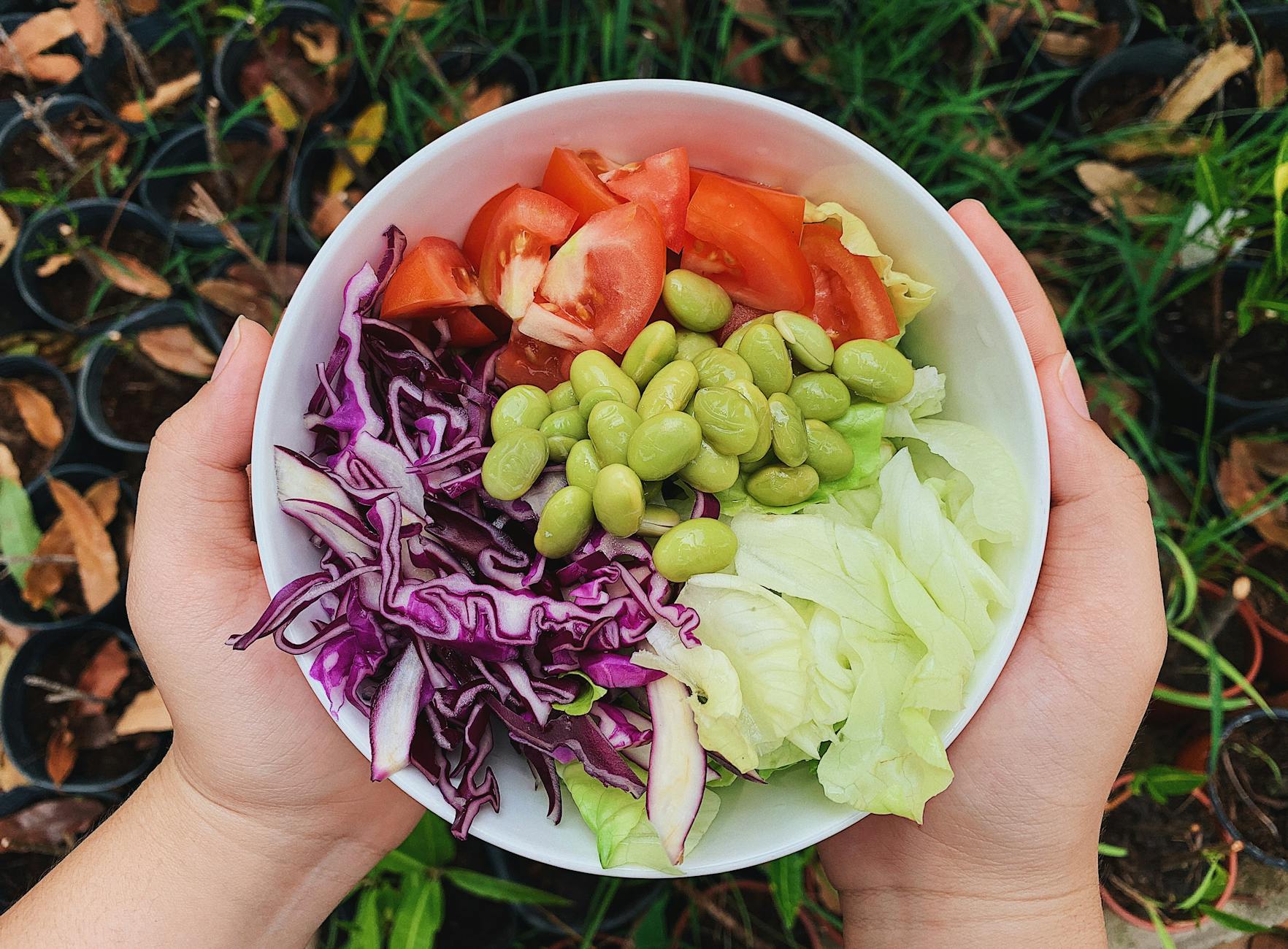
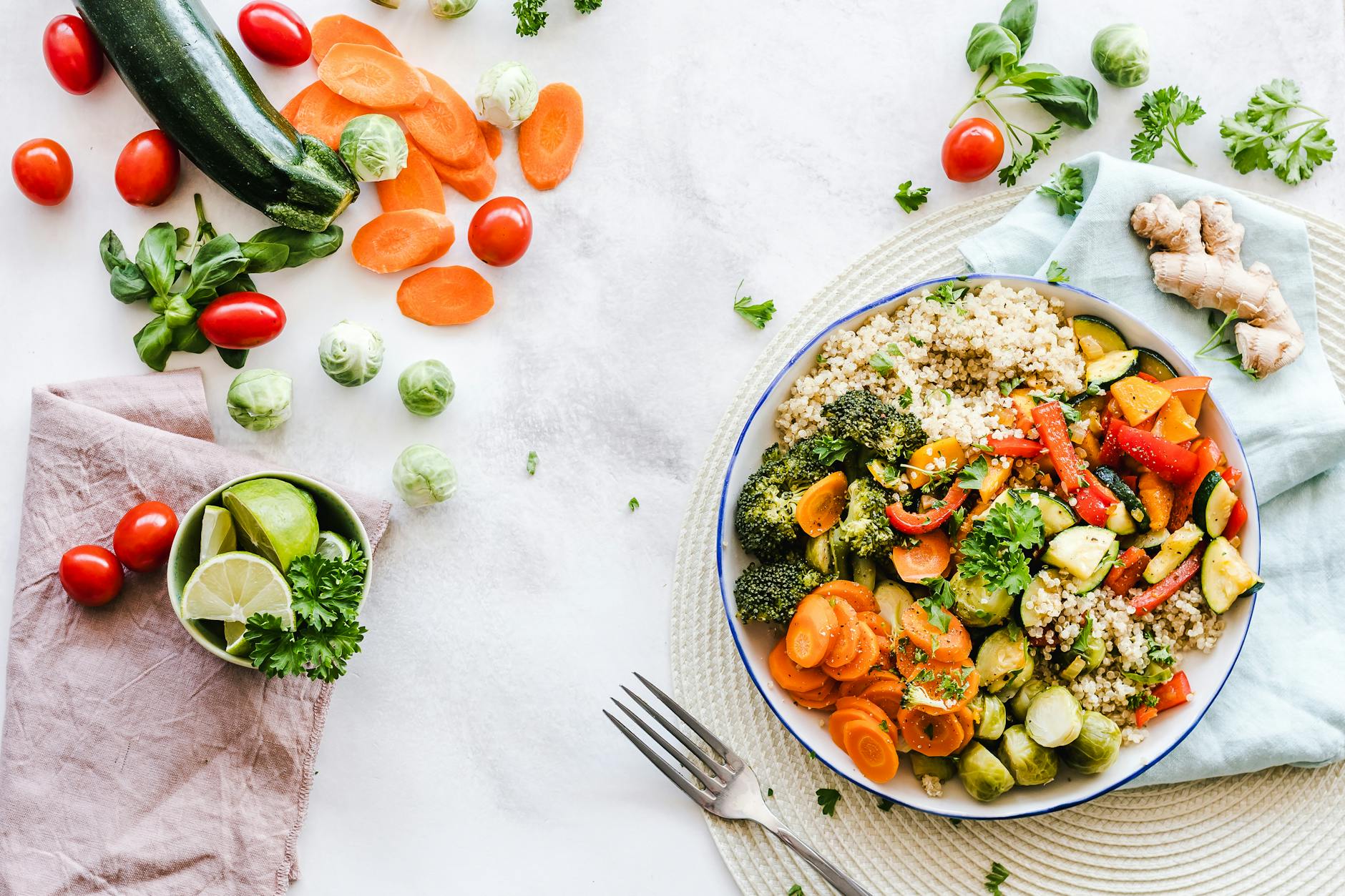
This isn't about cutting out entire food groups. It’s about finding the right ratio. A good starting point is to fill about half your plate with non-starchy vegetables, a quarter with lean protein, and a quarter with complex carbohydrates. Healthy fats should be incorporated in moderation.
Hydration is Key
Water is crucial for metabolism, energy levels, and even satiety. Don't underestimate its power. Aim for at least 8 glasses a day, more if you're active.

Crafting Your Personalized Healthy Diet Plan: A Step-by-Step Approach
Assessing Your Needs and Goals
Before you even think about what to put on your plate, take a moment to reflect. What are your genuine goals? Are you looking to lose weight, gain muscle, improve energy, or manage a health condition? Understanding your 'why' is the first step to creating a weight loss diet plan that actually sticks. I'll be real with you, if your goal is just a quick fix, you're likely setting yourself up for disappointment.
The Importance of Realistic Expectations
This one surprised me when I first started taking weight loss seriously. Dramatic, unsustainable changes rarely lead to lasting results. A study published by the Mayo Clinic research on healthy diet plan highlights that gradual changes are more effective for long-term success. Aiming to lose 1-2 pounds per week is a much healthier and more achievable target than trying to shed 10 pounds in a week.
Creating Your Meal Plan Diet Framework
This is where the rubber meets the road. How do you translate principles into actual meals? Here's how I approach it:
Step 1: Determine Your Caloric Needs (Roughly)
You don't need to be a mathematician, but having a general idea of your daily calorie target is helpful for weight loss. Online calculators can give you a starting point, but remember these are estimates. Listen to your body.
Step 2: Structure Your Daily Meals
A common and effective structure is three main meals and one or two snacks. This helps regulate hunger and prevent overeating. Think about your typical daily schedule and when you'll have time to eat.
Step 3: Populate Your Plan with Balanced Meals
This is the fun part! Choose a protein source for each meal (chicken, fish, beans, tofu), a complex carbohydrate (quinoa, brown rice, sweet potato), and plenty of non-starchy vegetables. For snacks, opt for things like fruit, a handful of nuts, or Greek yogurt.
Step 4: Plan for Variety
Eating the same thing every day gets boring fast. Rotate your protein sources, vegetables, and carbs. Try new recipes. This also ensures you're getting a wider range of nutrients. This is a crucial part of making it an easy diet plan to follow.
Sample Daily Meal Plan Diet: Putting It All Together
Breakfast: Fueling Your Morning
Start your day strong. A good breakfast should provide sustained energy without a sugar crash. Think about something that includes protein and fiber.
Option 1: Greek Yogurt Parfait
1 cup plain Greek yogurt, 1/2 cup berries, 2 tablespoons chopped nuts or seeds. This provides protein, healthy fats, and antioxidants.
Option 2: Oatmeal with Fruit and Nuts
1/2 cup rolled oats cooked with water or unsweetened almond milk, topped with 1/4 cup sliced banana or apple and 1 tablespoon of walnuts. This offers complex carbs and fiber.
Lunch: Sustaining Your Afternoon
Your midday meal should keep you going without making you feel sluggish. Aim for a good balance of protein, carbs, and vegetables.
Option 1: Large Salad with Grilled Chicken or Chickpeas
Mixed greens, cucumber, tomatoes, bell peppers, 4-6 ounces grilled chicken breast or 1 cup chickpeas, with a light vinaigrette dressing. This is a classic for a reason – it's nutrient-dense and satisfying.
Option 2: Lentil Soup with Whole-Wheat Bread
A hearty bowl of lentil soup (homemade or low-sodium canned) served with one slice of whole-wheat bread. Lentils are a fantastic source of plant-based protein and fiber.
Dinner: Nourishing Your Evening
Dinner is a great opportunity to enjoy a flavorful, balanced meal. Focus on lean proteins and plenty of vegetables.
Option 1: Baked Salmon with Roasted Broccoli and Quinoa
4-6 ounces baked salmon, 1-2 cups roasted broccoli, and 1/2 cup cooked quinoa. This meal is rich in omega-3s, vitamins, and fiber.
Option 2: Stir-fry with Tofu or Lean Beef
Stir-fry with 4-6 ounces of firm tofu or lean beef strips, loaded with colorful vegetables like broccoli, snap peas, carrots, and bell peppers, served with 1/2 cup brown rice. Use a low-sodium soy sauce or tamari for flavor.
Snacks: Bridging the Gaps
Snacks are optional but can be helpful if you get hungry between meals. Choose wisely to avoid derailing your progress.
Healthy Snack Ideas
An apple with a tablespoon of almond butter, a small handful of almonds, a hard-boiled egg, or a cup of vegetable sticks with hummus.
Navigating Common Challenges with Your Healthy Diet Plan
Dealing with Cravings: Strategies for Success
Cravings are normal! The key is not to fight them with brute force, but to understand them and have strategies in place. Often, a craving for something sweet can be satisfied by fruit. If it's a salty craving, a handful of olives or some air-popped popcorn might do the trick. Sometimes, simply drinking a large glass of water can curb a perceived craving. Research from the National Institutes of Health research on healthy diet plan suggests that consistent healthy eating can actually reduce the intensity of cravings over time.
Eating Out and Social Situations
This used to be my biggest hurdle. Going out with friends often meant derailing my entire week. The trick is to plan ahead. Look at restaurant menus online before you go. Choose places with healthier options. Don't be afraid to ask for modifications – grilled instead of fried, dressing on the side, extra vegetables. Remember, you can still enjoy social occasions without abandoning your healthy diet plan. It's about making conscious choices, not about being perfect.
The Role of Exercise in Your Plan
While this is about a healthy diet plan, exercise is its indispensable partner. You can't out-exercise a bad diet, but you also can't achieve optimal health without movement. Incorporate activities you enjoy, whether it's brisk walking, dancing, swimming, or hitting the gym. For weight loss, pairing a good diet with activities like Treadmill Fat Burn: Maximize Your Calorie Burn Fast can make a significant difference.

Making It Stick: Long-Term Healthy Eating Habits
Consistency Over Perfection
Here's the thing: you're going to have off days. You might eat a piece of cake at a birthday party or indulge in a less-than-ideal meal. That's okay. The goal isn't to be perfect; it's to be consistent. One 'bad' meal doesn't ruin your progress. Just get back on track with your next meal. This mindset shift is crucial for building lasting healthy eating habits. Think of it like this: if you miss one day of brushing your teeth, do you just stop brushing altogether? Of course not.
Listening to Your Body's Signals
As you get more in tune with a nutrition plan for weight loss, you'll start to understand your body better. You'll recognize when you're truly hungry, when you're full, and what foods make you feel energized versus sluggish. This intuitive eating approach is a powerful tool for long-term success. It's about building a relationship with your body, not just following a set of rigid rules. This is part of what makes the Best Diet Plan: Find Your Perfect Healthy Eating Strategy truly personal.
Seeking Support and Staying Motivated
You don't have to do this alone. Share your goals with a supportive friend or family member. Consider joining online communities or forums, like those you might find on Weight Loss Tumblr: Top Tips & Tricks for Your Journey, where people share their experiences and offer encouragement. Sometimes, professional guidance from a registered dietitian or nutritionist can be invaluable, especially if you have specific health concerns or are looking for a structured Intermittent Fasting Weight Loss: Your Ultimate Guide or a comprehensive diet plan for beginners.
Ultimately, a healthy diet plan isn't a temporary fix; it's a lifestyle. It’s about making choices that honor your body, nourish your mind, and empower you to live your life to the fullest. Forget the quick-fix mentality. Embrace the journey of learning what works for you, and celebrate every small victory along the way. Your health is your most valuable asset, and investing in it through good nutrition is the best decision you'll ever make.