I remember a time, not so long ago, when weight loss felt like a constant uphill battle. I’d try diet after diet, cutting calories, feeling perpetually hungry, and ultimately, giving up. My energy would crash, my mood would plummet, and the weight, inevitably, would creep back on. It was a vicious cycle, and honestly, I thought I was just lacking willpower. Then, I stumbled upon a game-changer, something that revolutionized my approach to food and finally helped me shed the extra pounds for good: focusing on high protein foods, specifically protein foods for weight loss.
It wasn't about deprivation; it was about smart nutrition. Once I understood the power of protein, everything clicked. I started feeling full, energized, and surprisingly, the cravings that used to derail me simply faded away. This isn't just theory for me; it's genuine experience. And I'm here to share exactly how you can harness this power too.
Why Protein Isn't Just for Bodybuilders – It's Your Weight Loss Ally
For years, I associated protein with gym bros and massive muscle gains, thinking it wasn't really for "normal" people trying to lose a few pounds. Boy, was I wrong. Protein is absolutely fundamental for anyone looking to manage their weight effectively and sustainably. It plays several critical roles that directly impact your ability to shed fat and keep it off.
The Satiety Factor: Feeling Full, Longer
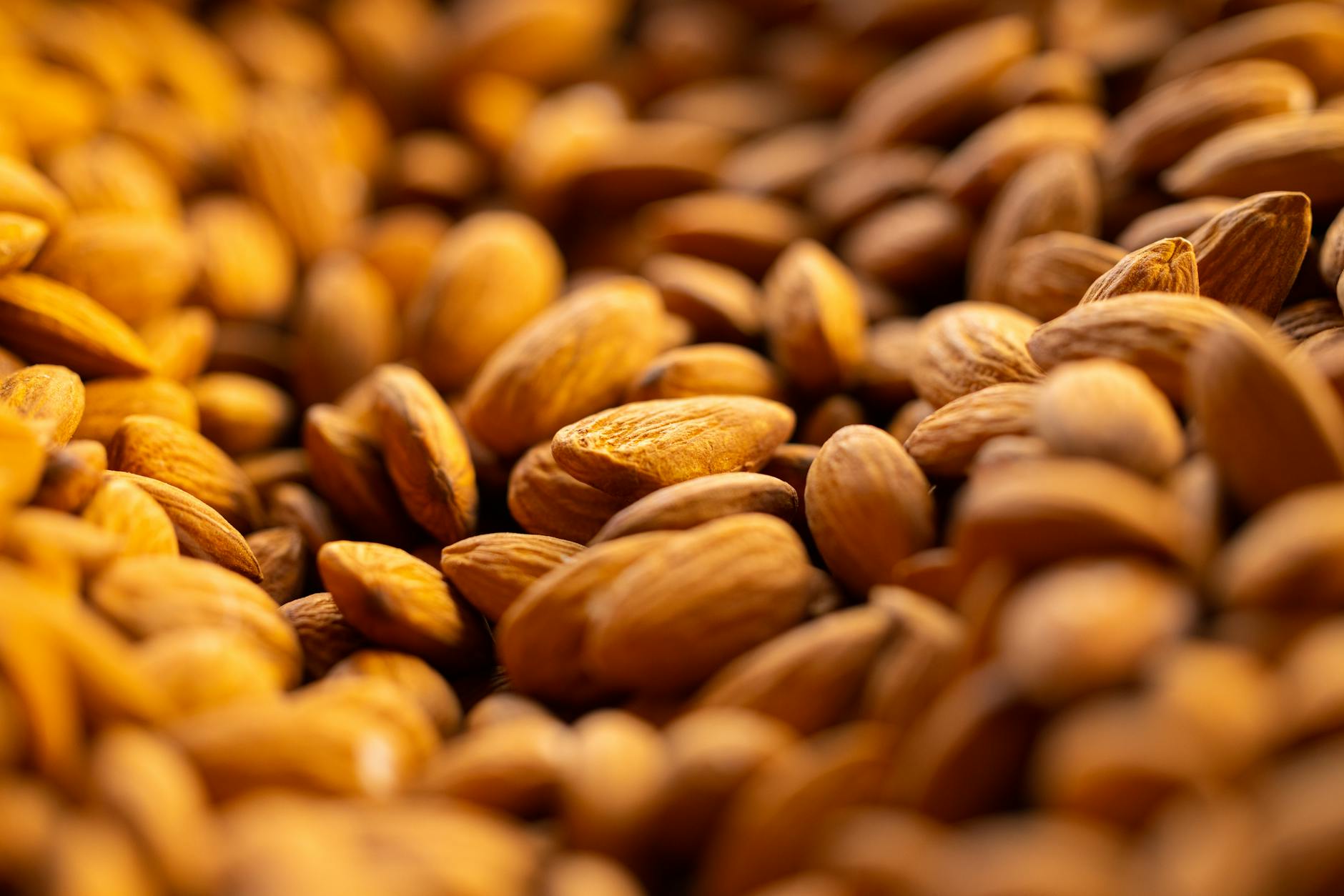
This is probably the biggest immediate benefit you'll notice. Think about the last time you had a sugary donut versus a handful of almonds or a chicken breast. The donut might taste great for a minute, but an hour later, you're starving again. Protein, on the other hand, takes longer to digest, sending signals to your brain that you're satisfied. This means fewer cravings, less mindless snacking, and ultimately, a natural reduction in your overall calorie intake without feeling deprived. It’s like magic, but it’s just good science, as Mayo Clinic research on protein foods for weight loss often highlights.
Boosting Your Metabolism: The Thermic Effect
Here's a cool fact: your body actually burns calories just to digest food. This is called the thermic effect of food (TEF). And guess which macronutrient has the highest TEF? You guessed it – protein. Digesting protein can burn significantly more calories than digesting fats or carbohydrates. So, by simply increasing your protein intake, you're giving your metabolism a little bump throughout the day, helping you burn more calories without even trying. It's not a huge jump, but every little bit helps, especially when you're looking for effective weight loss tips that add up.
Protecting Your Muscles While Losing Fat
When you restrict calories to lose weight, your body doesn't always discriminate; it can burn both fat and muscle. Losing muscle is bad news for your metabolism because muscle tissue burns more calories at rest than fat tissue does. A higher protein intake helps preserve that precious muscle mass, ensuring that the weight you're losing is primarily fat, not muscle. This maintains your metabolic rate, making it easier to keep the weight off in the long run. You want to be a fat-burning machine, not a muscle-wasting one.
The Best Protein Foods for Weight Loss: My Go-To List
Alright, let's get down to brass tacks. What exactly should you be eating? The good news is, there's a huge variety of delicious, accessible protein sources out there. I'm going to share my absolute favorites, the ones that have been staples in my own journey and that I recommend to everyone.
Lean Meats and Poultry: The Classics for a Reason
When most people think of protein, chicken breast often comes to mind, and for good reason. It’s lean, versatile, and packed with protein. But don't stop there!
Chicken and Turkey Breast
These are incredibly versatile and relatively low in calories. A 4-ounce serving of cooked chicken breast, for example, can provide around 35 grams of protein for about 165 calories. I use it in stir-fries, salads, sandwiches, and even just baked with some veggies. It's a cornerstone of high protein foods for weight loss.
Lean Beef and Pork
Don't be afraid of red meat! Opt for lean cuts like sirloin, tenderloin, or extra-lean ground beef. A 4-ounce serving of lean beef can offer about 30 grams of protein. Just trim any visible fat and cook smart. Pork loin is another excellent, often overlooked, lean option. I'll be real with you, a good steak once a week was crucial for my sanity and still fit my goals.
Fish and Seafood: Ocean's Bounty
This one surprised me initially; I used to think fish was just for fancy dinners. But fish like cod, tilapia, and tuna are fantastic lean protein sources, often with fewer calories than poultry. Salmon, while fattier, provides healthy omega-3s and is still a great choice. Shrimp and scallops are also incredibly low in calories and high in protein, making them perfect additions to your meals. I love a quick sheet pan dinner with cod and roasted vegetables.
Eggs and Dairy: Everyday Essentials
These are budget-friendly and incredibly versatile, offering some of the best protein for weight loss.
Whole Eggs and Egg Whites
Eggs are a complete protein, meaning they contain all nine essential amino acids. One large egg has about 6 grams of protein. If you're watching calories, egg whites are almost pure protein with very few calories. I start most days with eggs; sometimes a whole egg omelet, sometimes just scrambled whites with a ton of veggies. They are foundational high protein foods.
Greek Yogurt and Cottage Cheese
These dairy powerhouses are fantastic. A cup of plain, non-fat Greek yogurt can pack 15-20 grams of protein, often with less sugar than regular yogurt. Cottage cheese is similar, with about 25 grams of protein per cup. They’re excellent for breakfast, snacks, or even savory dishes. I used to think cottage cheese was bland, but with some everything bagel seasoning, it's a revelation for healthy snacks for weight loss.
Plant-Based Proteins: Delicious and Nutritious Options
You absolutely do not need to eat meat to get enough protein for weight loss. There are incredible vegetarian protein for weight loss options available.
Lentils, Beans, and Chickpeas
These legumes are fiber-rich, meaning they also contribute to satiety, and are excellent sources of plant-based protein. A cup of cooked lentils has about 18 grams of protein and 16 grams of fiber. I use them in soups, salads, and even make my own hummus with chickpeas. They’re incredibly filling and affordable.
Tofu, Tempeh, and Edamame
These soy-based products are complete proteins and incredibly versatile. Tofu can absorb flavors beautifully, tempeh has a firmer, nuttier texture, and edamame makes a fantastic snack. A 3-ounce serving of firm tofu provides around 8 grams of protein. They’re staples in many Reddit weight loss success stories for plant-based eaters.
How Much Protein Do You Really Need for Weight Loss?
This is a question I get asked all the time, and it's a good one. There’s no one-size-fits-all answer, but we can definitely nail down some solid guidelines. Forget the generic recommendations you might see on food labels; for weight loss, you'll want to aim a bit higher.
General Guidelines for Optimal Intake
Look, the standard recommendation for protein is usually around 0.8 grams per kilogram of body weight. But for active individuals or those specifically trying to lose weight, that's often not enough. I typically recommend aiming for 1.2 to 1.6 grams of protein per kilogram of your target body weight. So, if you're aiming for 70 kg (about 154 lbs), you'd be looking at roughly 84 to 112 grams of protein per day. This amount, supported by World Health Organization research on protein foods for weight loss, helps maximize satiety and muscle preservation.
Spreading It Out: The Power of Distribution
Here’s the thing: it’s not just about the total amount, but also how you distribute it. Your body can only efficiently utilize so much protein in one sitting. Instead of trying to cram all your protein into one huge dinner, aim to include 20-40 grams of protein at each main meal and even in your snacks. This steady supply keeps you feeling full throughout the day, supports muscle synthesis, and prevents those dreaded hunger pangs. Think about incorporating protein foods for weight loss into every eating opportunity.
Putting It All Together: Meal Ideas and Smart Snacks
Knowing which foods are high in protein is one thing; actually incorporating them into your daily life is another. This is where the rubber meets the road. I've found that planning ahead, even just a little, makes a huge difference.
Crafting Your High-Protein Meals
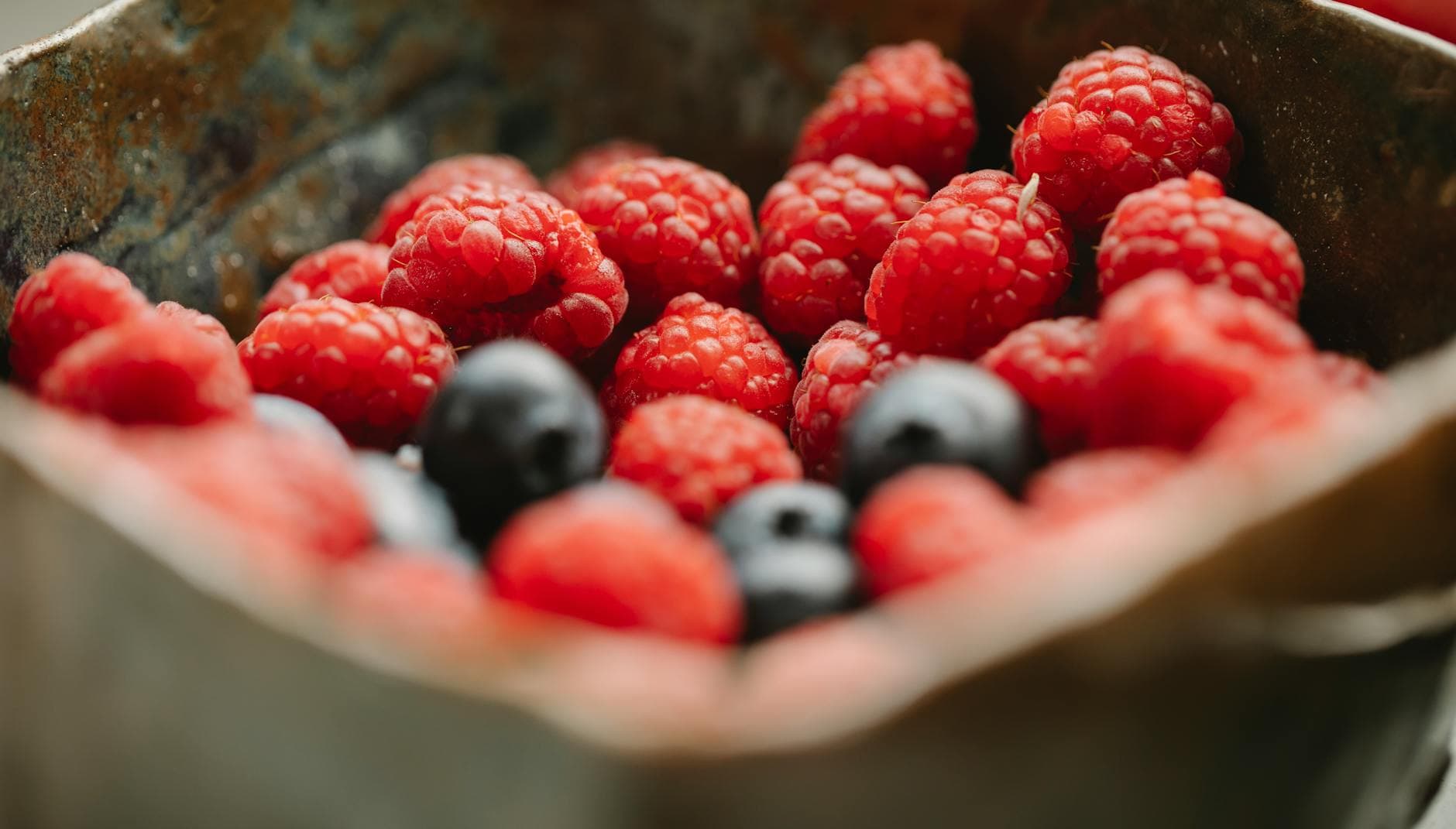
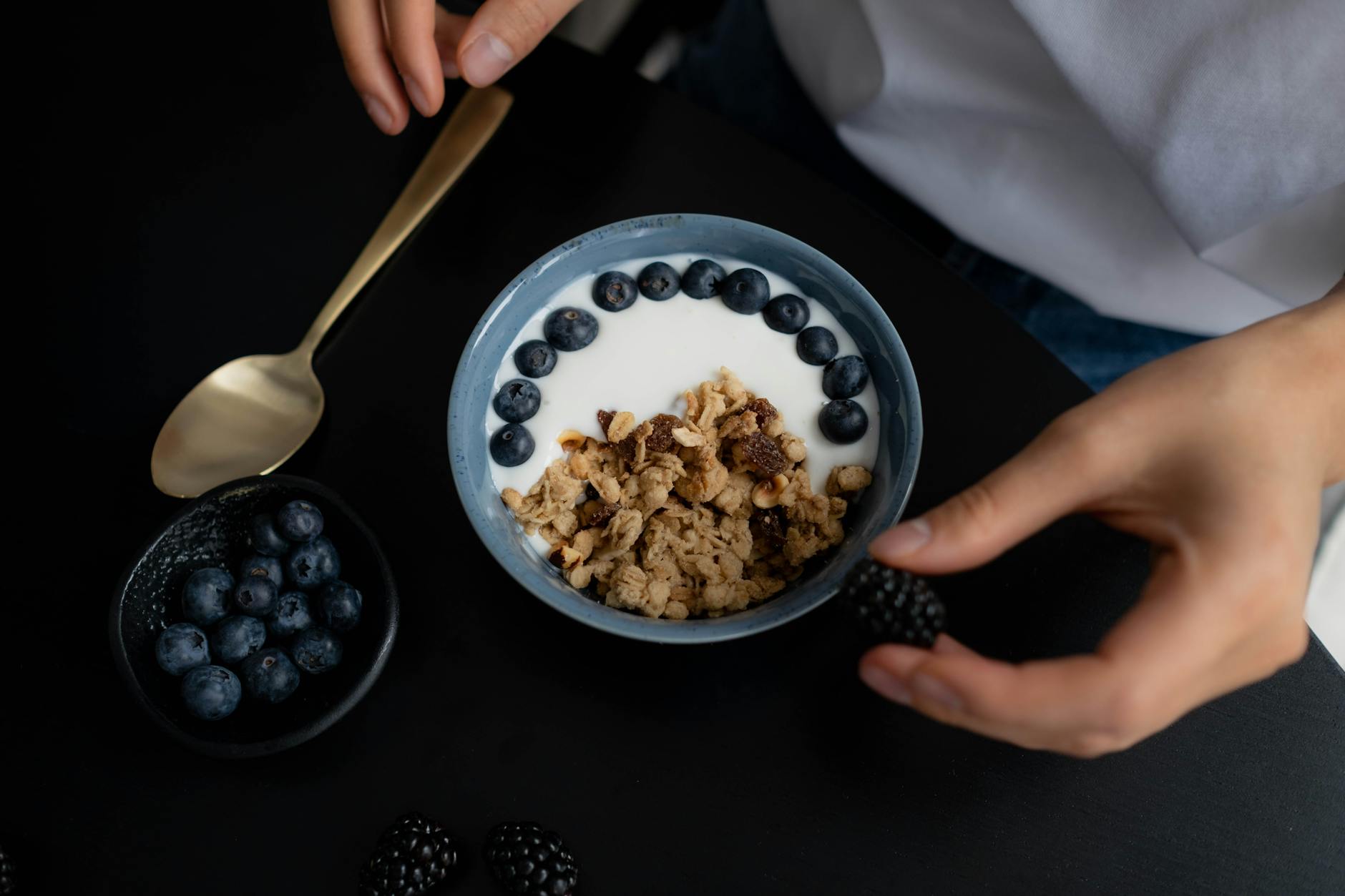
My strategy is simple: start with your protein source, then build around it with plenty of vegetables and some healthy carbs. For breakfast, instead of just toast, try scrambled eggs with spinach and a side of whole-wheat toast, or a bowl of Greek yogurt with berries and a sprinkle of nuts. Lunch could be a big salad with grilled chicken or chickpeas, or a hearty lentil soup. Dinner might be baked salmon with roasted broccoli and quinoa. This approach ensures you're consistently getting those beneficial protein foods for weight loss.
Smart Snacking: Your Secret Weapon
Snacks can either make or break your weight loss journey. Instead of reaching for chips or cookies, opt for healthy snacks for weight loss that are packed with protein. Hard-boiled eggs, a small container of cottage cheese, a handful of almonds, beef jerky (check for low-sugar options), or even a small protein shake can tide you over between meals without sabotaging your efforts. These high protein snacks for weight loss keep hunger at bay and prevent overeating at your next meal.
Protein Shakes: A Convenient Boost
While whole foods should always be your priority, protein shakes for weight loss definitely have their place. They’re incredibly convenient for busy mornings, post-workout recovery, or when you simply can't get a solid meal in. Just choose a high-quality protein powder (whey, casein, or a plant-based blend) with minimal added sugars. I often mix mine with water or unsweetened almond milk and a handful of spinach – you won’t even taste it!
Common Protein Pitfalls (And How to Avoid Them)
Even with the best intentions, it's easy to fall into some common traps when trying to increase your protein intake. I’ve made these mistakes myself, so I want to help you steer clear.
Neglecting Variety: Don't Get Stuck in a Rut
Eating chicken and broccoli every single day is a recipe for boredom and eventual burnout. Variety isn't just about keeping things interesting; it ensures you're getting a wider range of nutrients. Experiment with different types of fish, explore plant-based options like tempeh or edamame, and try different preparation methods. Your taste buds, and your body, will thank you for it.
Overlooking Hidden Fats and Sugars
Sometimes, what looks like a good protein source can come with hidden extras. Fried chicken, sugary protein bars, or heavily processed deli meats can pack a caloric punch you don't need. Always check labels, especially for sauces, marinades, and processed foods. Opt for grilled, baked, or steamed options, and choose whole, unprocessed protein foods for weight loss whenever possible. This is crucial for a successful weight loss detox water alongside your meals.
Solely Relying on Supplements
As I mentioned, protein shakes have their place, but they shouldn't replace whole foods. Whole protein foods offer fiber, vitamins, minerals, and other beneficial compounds that supplements often lack. Think of supplements as just that – a supplement to your diet, not the foundation of it. Your body thrives on real food.
Forgetting About Other Macronutrients
While protein is king for weight loss, it’s not the *only* thing. You still need healthy fats for hormone production and satiety, and complex carbohydrates for energy and fiber. A balanced approach, often seen in Reddit weight loss communities that focus on sustainable habits, is always best. This isn't about a restrictive low carb high protein foods diet; it's about smart choices within a balanced framework. The National Institutes of Health has extensive National Institutes of Health research on protein foods for weight loss that supports a holistic view of nutrition.
My Personal Takeaway: It's More Than Just a Macro
If there’s one thing I want you to remember from my experience, it’s this: embracing protein foods for weight loss isn't just a temporary diet strategy. It’s a fundamental shift in how you approach your nutrition. It’s about feeling truly satisfied after meals, having consistent energy throughout the day, and supporting your body’s ability to burn fat and build strength.
I genuinely believe that focusing on high protein foods for weight loss is one of the most powerful changes you can make. It empowers you to take control of your hunger, fuels your body effectively, and sets you up for long-term success, not just a quick fix. Start small, make conscious choices, and watch how quickly your body and your mindset transform. You’ve got this.