Here's a little secret about protein that most people miss: It's not just about building big muscles or fueling hardcore workouts. Honestly, I used to think of protein primarily in terms of gym bros and bodybuilders, but that's just scratching the surface. The truth is, protein is the unsung hero of your everyday health, deeply impacting everything from your mood to your metabolism, and a surprising number of us aren't getting enough. We walk around feeling sluggish, battling cravings, or struggling with energy, and often, the answer lies right in our food choices, specifically in embracing more high protein foods.
I'll be real with you, understanding protein changed my entire approach to nutrition. It’s not just another macronutrient; it's fundamental. Think about it: every cell in your body needs protein to function, repair, and thrive. It's involved in hormone production, enzyme activity, immune function, and even the structure of your hair and nails. Neglecting your protein intake is like trying to build a house without enough bricks. You might get something up, but it won't be strong, and it certainly won't stand the test of time.
Why Protein is the Unsung Hero (Beyond Just Muscles)
You’ve probably heard protein is good for you, but do you really grasp just how vital it is? Many of us associate protein solely with strength training, which is a huge benefit, don't get me wrong. But its influence extends far beyond the gym, touching almost every aspect of your well-being. It plays a critical role in keeping your body humming along efficiently, day in and day out.
Fueling Your Body's Daily Grind
Forget the mid-afternoon slump. Protein provides a steady, sustained release of energy, unlike quick-burning carbs that can leave you crashing. It helps stabilize blood sugar levels, preventing those rollercoaster highs and lows that make you reach for another coffee or a sugary snack. This steady energy is crucial for mental clarity and focus, not just physical stamina. When I started prioritizing protein at every meal, I noticed a dramatic difference in my ability to stay sharp and productive throughout the day.
The Satiety Secret and Weight Management
Here's the thing: if you're constantly hungry, you're probably not eating enough protein. Protein is incredibly effective at promoting satiety, that wonderful feeling of fullness and satisfaction after a meal. This isn't just a comfort thing; it's a powerful tool for weight management. When you feel full, you're less likely to overeat or snack mindlessly between meals. This is why incorporating more protein rich foods can be a game-changer for anyone looking to manage their weight without feeling deprived. It helps curb cravings and naturally reduces your overall calorie intake by keeping you satisfied for longer periods.
Bone Health and Aging Gracefully
This one surprised me when I first learned it, but protein isn't just for muscles; it's essential for strong bones too. Adequate protein intake works hand-in-hand with calcium and vitamin D to maintain bone density, which becomes increasingly important as we age. Preventing bone loss is a huge part of staying active and independent later in life. Plus, protein helps maintain muscle mass, which is critical for balance and preventing falls. It's all connected, you see – a holistic approach to keeping your body resilient.
How Much Protein Do You Really Need? (It's More Than You Think)
This is where things can get a little fuzzy for people. The recommended daily protein intake often feels abstract, and honestly, many of us underestimate our actual needs. It's not a one-size-fits-all number, but there are some excellent guidelines to help you figure out what's right for you.
The Baseline: A General Guideline
For most sedentary adults, the general recommendation is around 0.8 grams of protein per kilogram of body weight. So, if you weigh 70 kg (about 154 lbs), that's roughly 56 grams of protein per day. But look, this is truly a minimum to prevent deficiency, not necessarily an optimal amount for thriving, especially if you're active or have specific health goals. National Institutes of Health research on high protein foods often suggests higher amounts for various populations.
Tailoring Your Intake: Activity Levels and Goals
If you're active, regularly exercising, or trying to build muscle, you'll definitely need more. Athletes or those engaged in consistent resistance training might aim for 1.2 to 2.2 grams per kilogram of body weight. For someone looking for protein for weight loss, a higher intake (around 1.0 to 1.6 g/kg) can be incredibly beneficial due to its satiety effects and ability to preserve lean muscle mass during calorie restriction. Even if you're just looking for general wellness and energy, bumping up your protein can make a significant difference. You might be wondering, "How do I even track that?" It's easier than you think once you know your best sources of protein.
My Personal Take on Daily Protein Intake
From my own experience, and seeing it with countless people I've helped, I think aiming for closer to 20-30 grams of protein at each main meal is a fantastic starting point for most active adults. This ensures a consistent supply throughout the day and helps maximize those satiety and muscle-preserving benefits. For example, a 6-ounce chicken breast has about 50 grams of protein, a cup of Greek yogurt around 20 grams, and a serving of lentils can offer 18 grams. Spreading it out is key, rather than trying to get it all in one sitting.
The Best Sources: Diving into High Protein Foods
Okay, so now you know why protein is important and roughly how much you need. The next logical step is figuring out where to get it! Luckily, the world is full of delicious and nutritious high protein foods, whether you prefer animal products or lean towards a plant-based diet. Variety is truly the spice of life here, ensuring you get a full spectrum of amino acids and other essential nutrients.
Animal-Based Powerhouses
When most people think of protein, their minds often jump straight to meat, and for good reason. Animal products are complete proteins, meaning they contain all nine essential amino acids your body can't produce on its own.
Lean Meats and Poultry
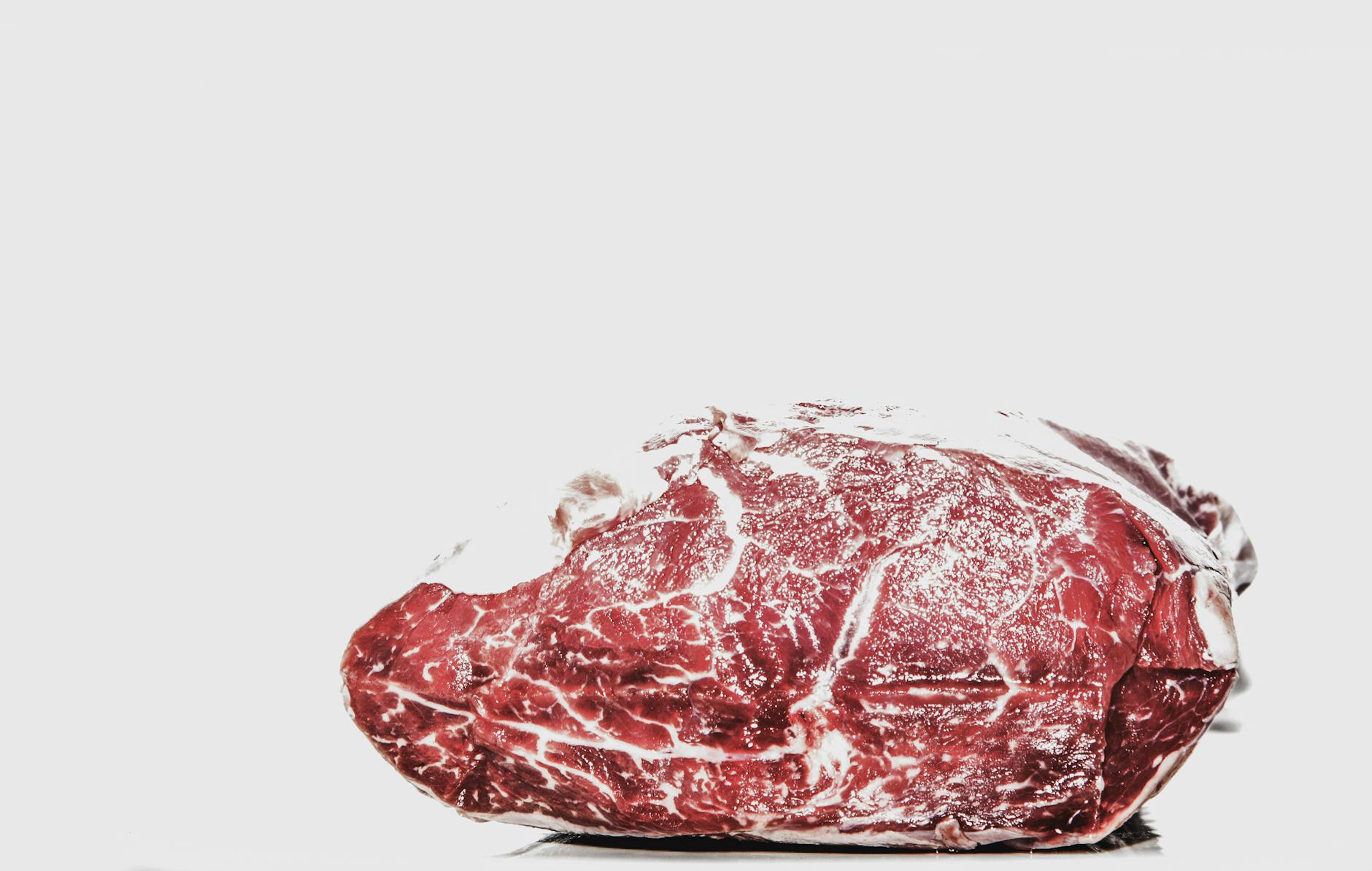
Chicken breast, turkey, and lean cuts of beef or pork are classic examples of lean protein foods. A 3-ounce serving of cooked chicken breast, for instance, provides about 25 grams of protein with very little fat. These are incredibly versatile and can be incorporated into countless meals, from stir-fries to salads to hearty stews. Just remember to opt for leaner cuts and cooking methods like grilling, baking, or roasting.
Eggs and Dairy Delights
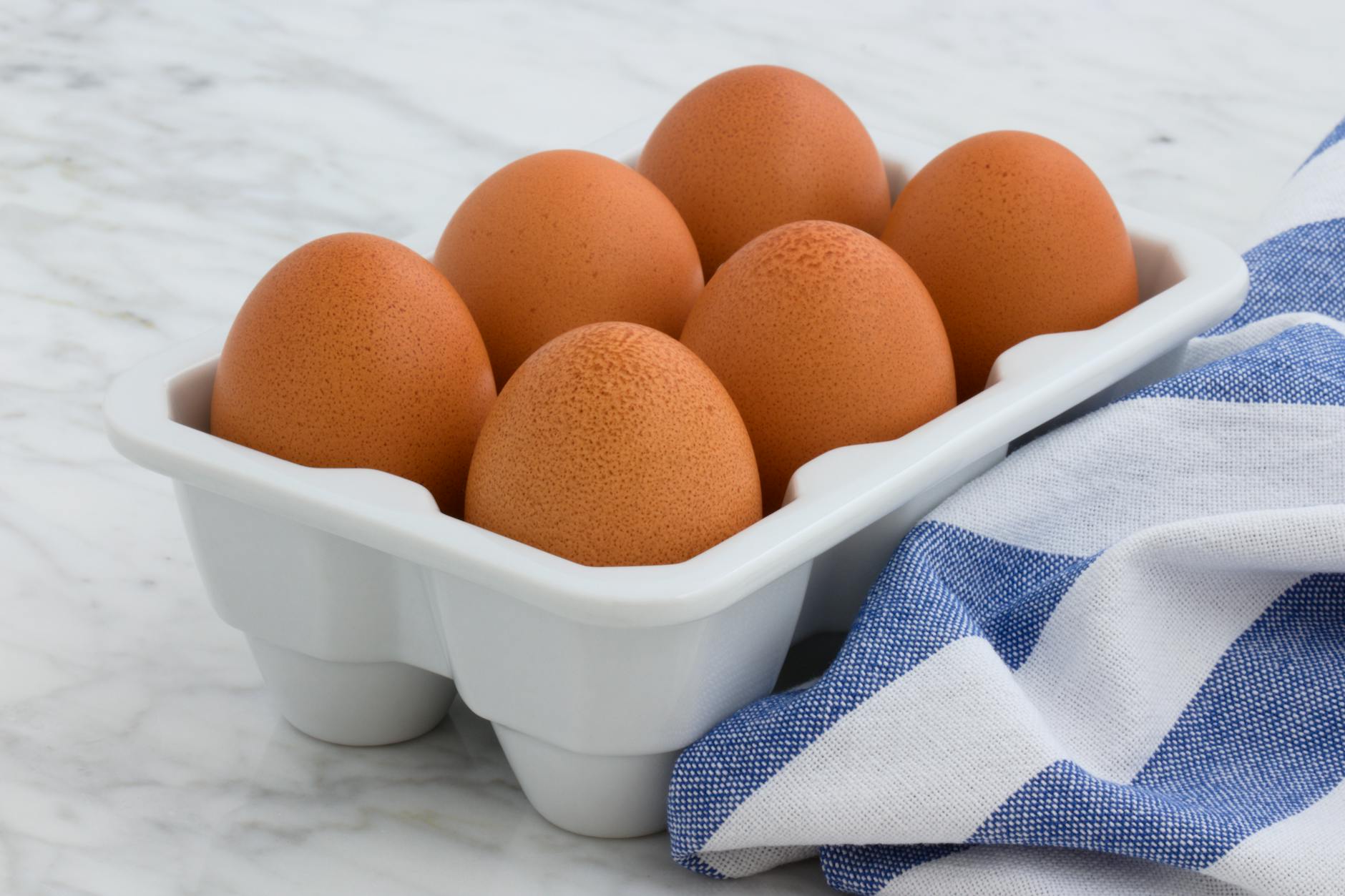
Eggs are a nutritional marvel, often called nature's multivitamin. One large egg contains about 6 grams of high-quality protein, along with essential vitamins and minerals. They're quick, affordable, and incredibly versatile – perfect for any meal of the day. And let's not forget dairy! Greek yogurt is a fantastic option, packing around 15-20 grams of protein per serving, often more than regular yogurt. Cottage cheese is another excellent choice, offering significant protein and calcium. Even milk contributes valuable protein, which is great for a post-workout shake or simply enjoying with your cereal.
Fish and Seafood Wonders
Fish like salmon, tuna, cod, and shrimp are not only excellent sources of protein but also provide beneficial omega-3 fatty acids, which are fantastic for heart and brain health. Salmon, for example, gives you roughly 22 grams of protein per 3-ounce serving, plus a healthy dose of those good fats. Incorporating fish into your diet a couple of times a week is a smart move for overall wellness. I love grilling up some cod with lemon and herbs; it’s so simple yet incredibly satisfying.
Incredible Plant-Based Protein Foods
For those following a vegetarian, vegan, or simply flexitarian diet, there's a wealth of plant based protein options available. While many plant proteins aren't "complete" on their own, combining different sources throughout the day easily provides all essential amino acids. Don't let anyone tell you it's hard to get enough protein without meat; it's absolutely doable and delicious!
Legumes and Lentils
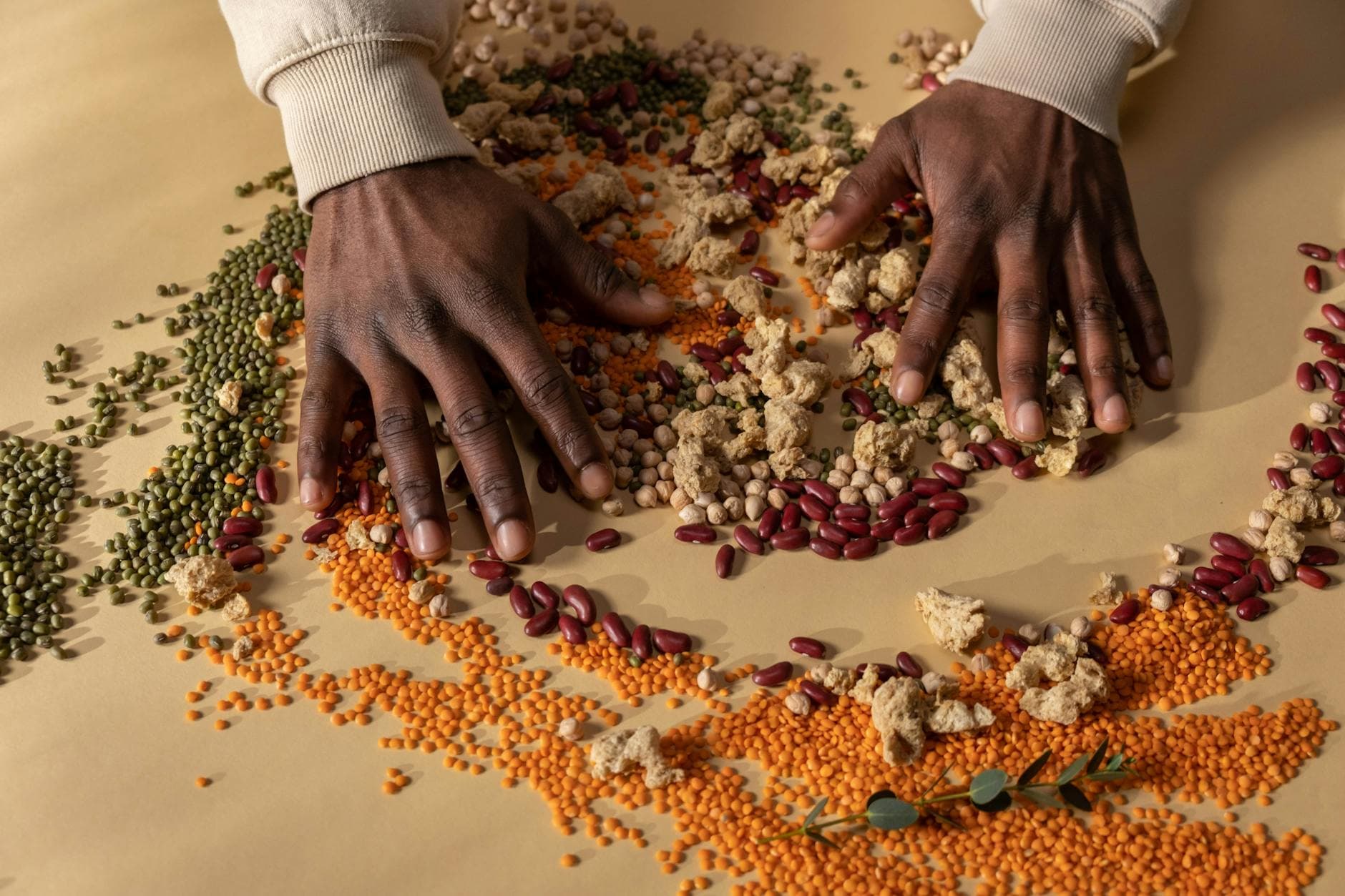
Black beans, chickpeas, kidney beans, and lentils are protein powerhouses, also loaded with fiber, which aids digestion and further boosts satiety. A cup of cooked lentils can provide around 18 grams of protein and 16 grams of fiber! These are incredibly affordable and can be used in soups, stews, salads, or even as a base for veggie burgers. For some fantastic ideas, check out some Free Keto Recipes, which can often be adapted with legumes.
Nuts, Seeds, and Grains
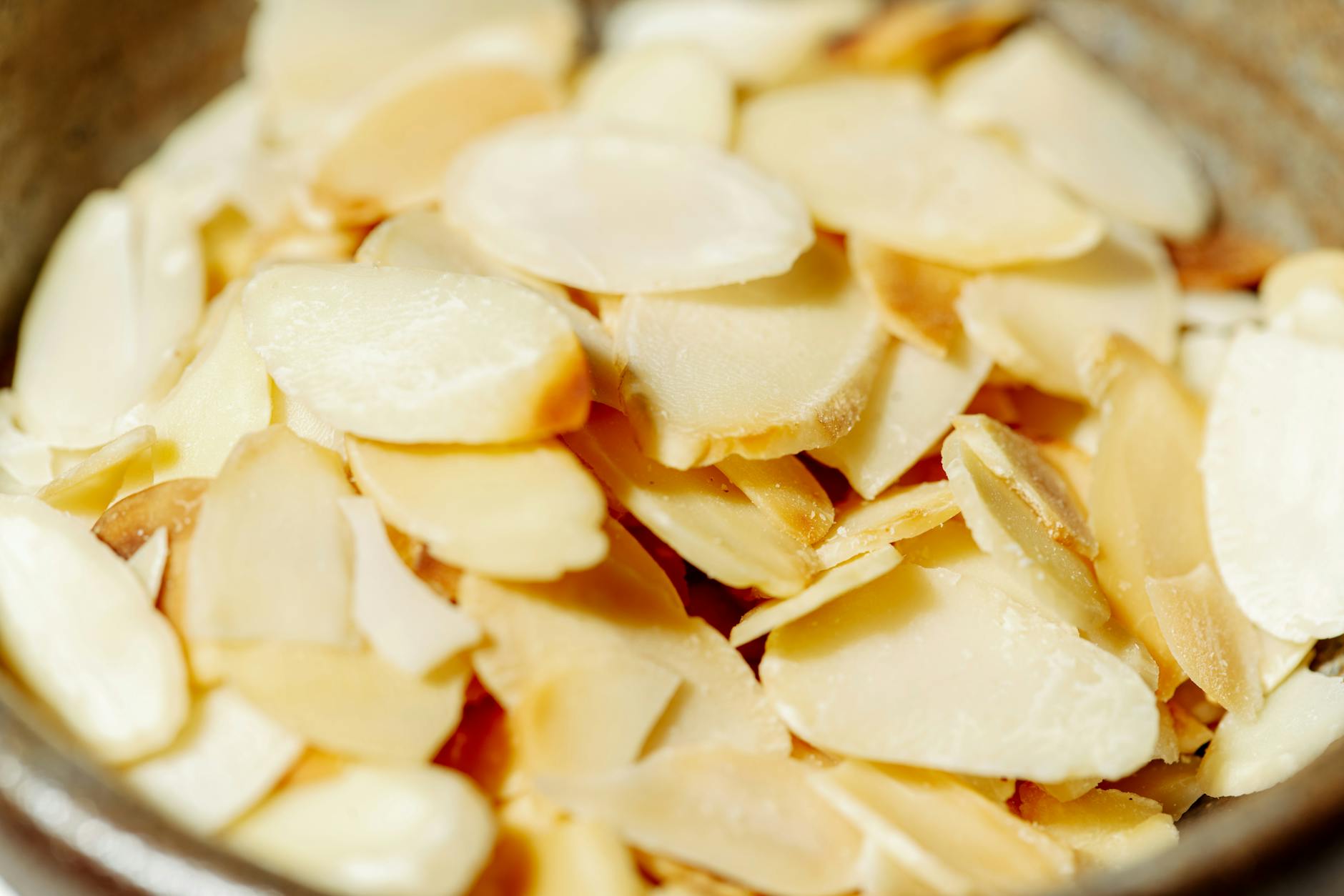
Almonds, peanuts, chia seeds, flax seeds, and pumpkin seeds all contribute valuable protein and healthy fats. Quinoa stands out among grains, as it's one of the few plant-based complete proteins, offering about 8 grams per cooked cup. Oats are another great option, especially for breakfast. Adding a spoonful of chia seeds to your oatmeal or a handful of almonds to your snack can significantly boost your protein intake. You'll find these in many Keto Recipes for Beginners too.
Soy Products and Meat Alternatives
Tofu, tempeh, and edamame are fantastic protein rich foods derived from soy. Tofu and tempeh are incredibly versatile and can absorb flavors beautifully, making them great meat substitutes. A half-cup serving of firm tofu packs around 10 grams of protein. Edamame, whether in pods or shelled, makes for a delicious and easy snack with about 11 grams of protein per cup. Many plant-based meat alternatives also offer competitive protein counts, making them convenient choices for those transitioning to more plant-forward eating.
Making High Protein Foods a Seamless Part of Your Day
Knowing what foods high in protein are available is one thing; actually incorporating them into your daily routine is another. It doesn't have to be complicated or require gourmet cooking skills. Small, consistent changes can lead to huge results.
Breakfast: Starting Strong
This is where many people fall short. Skipping breakfast or just grabbing a sugary muffin sets you up for an energy crash. Instead, aim for protein-packed options. Think scrambled eggs with spinach, Greek yogurt with berries and a sprinkle of nuts, or a smoothie made with Bloom Greens Benefits, protein powder, and unsweetened almond milk. Even a slice of whole-wheat toast with avocado and an egg is better than nothing!
Lunch and Dinner: Creative Combinations
The key here is to build your meals around a protein source. Instead of making pasta the main event, make grilled chicken or lentils the star, with pasta as a side. Add beans to your salads, throw some leftover salmon into a wrap, or make chili with extra ground turkey. Planning ahead can make a huge difference; batch cooking chicken or lentils on a Sunday means quick protein additions for days.
Smart Snacking for Sustained Energy
Snacks are a perfect opportunity to boost your protein intake and keep hunger at bay between meals. Instead of chips or cookies, reach for a handful of almonds, a hard-boiled egg, cottage cheese, a protein bar, or some jerky. These choices provide sustained energy and can be especially helpful if you're looking for energy boosting foods for women to power through a busy day or before hitting the gym. For more specific guidance, consider a Pre Workout Nutrition Guide: Fuel Your Workouts Effectively! to ensure your snacks support your fitness goals.
My Take: The Protein Puzzle I Finally Solved (Personal Reflection)
I remember a time when I was always hungry, no matter how much I ate. I’d finish a meal, and within an hour, my stomach would be rumbling again. I was eating what I thought was "healthy" – lots of fruits, veggies, and whole grains – but I was missing a crucial piece of the puzzle: consistent, adequate protein. This wasn't just about feeling full; it impacted my mood, my energy levels, and even my ability to recover from workouts.
My Own Journey with Protein
It sounds simple now, but it took me years to truly understand the power of protein. I used to grab a bagel for breakfast, a big salad with minimal protein for lunch, and then a carb-heavy dinner. Of course, I was always hungry! Once I started intentionally adding 20-30 grams of protein to each meal, it was like flipping a switch. My cravings diminished dramatically. I stopped grazing all day, and my energy became so much more stable. It wasn't about deprivation; it was about thoughtful nourishment. This fundamental shift made me realize how much misinformation is out there, or at least how easily we can misunderstand our body's basic needs.
The Unexpected Benefits I Experienced
Beyond the obvious benefits like feeling fuller and having more energy, I noticed other changes. My hair and nails seemed stronger, my skin looked healthier, and my mood swings became less frequent. I felt more resilient, both physically and mentally. It wasn't a magic bullet for everything, but it was a foundational change that allowed other healthy habits to fall into place more easily. Prioritizing protein made me feel genuinely cared for from the inside out, and that's a feeling I truly wish for everyone.
So, here’s my challenge to you: don't just skim this article and move on. Take a moment to honestly assess your own daily protein intake. Are you getting enough? Are you spreading it throughout your day? Start small. Add an extra egg to your breakfast, a handful of almonds to your snack, or make sure your dinner plate features a generous serving of one of those fantastic high protein foods we talked about. Your body will thank you, and you might just discover an unsung hero in your own kitchen.