The Elusive "Best Diet Plan"
I'll be real with you. For years, I chased the "best diet plan" like a mirage in the desert. I'd jump from keto to paleo, from intermittent fasting to low-fat, convinced *this* was the one, the magic bullet that would finally unlock sustainable weight loss. I’d meticulously track macros, count calories until my eyes glazed over, and feel a crushing sense of failure when the scale didn't budge or, worse, crept back up. It was exhausting, disheartening, and frankly, I was doing it all wrong. The truth I eventually stumbled upon, through a lot of sweat and a few tears, is that there isn't a single, universally perfect "best diet plan" for everyone. It's a much more personal, nuanced journey.
Why the "One Size Fits All" Approach Fails
We’re bombarded with headlines and advertisements touting the latest miracle diet. They promise rapid results and simplified living, but they often overlook the fundamental truth: our bodies are unique.
Genetics and Metabolism
What works wonders for your friend might do nothing for you. Our genetic makeup influences how we process food, how we store fat, and how our hormones respond to different nutrients. Acknowledging this is the first step to finding what truly works for your individual physiology.
Lifestyle and Preferences
Are you a night owl who needs a substantial evening meal, or an early bird who thrives on a lighter dinner? Do you detest broccoli or have a passion for salmon? A diet plan that clashes with your daily rhythm or culinary dislikes is doomed from the start. This is where the idea of the healthiest diet plan starts to shift from a rigid set of rules to a flexible framework.
Psychological Factors
Restriction breeds rebellion. If a diet feels like punishment, you're unlikely to stick with it long-term. The mental toll of deprivation is often underestimated in the pursuit of the best diet for weight loss.
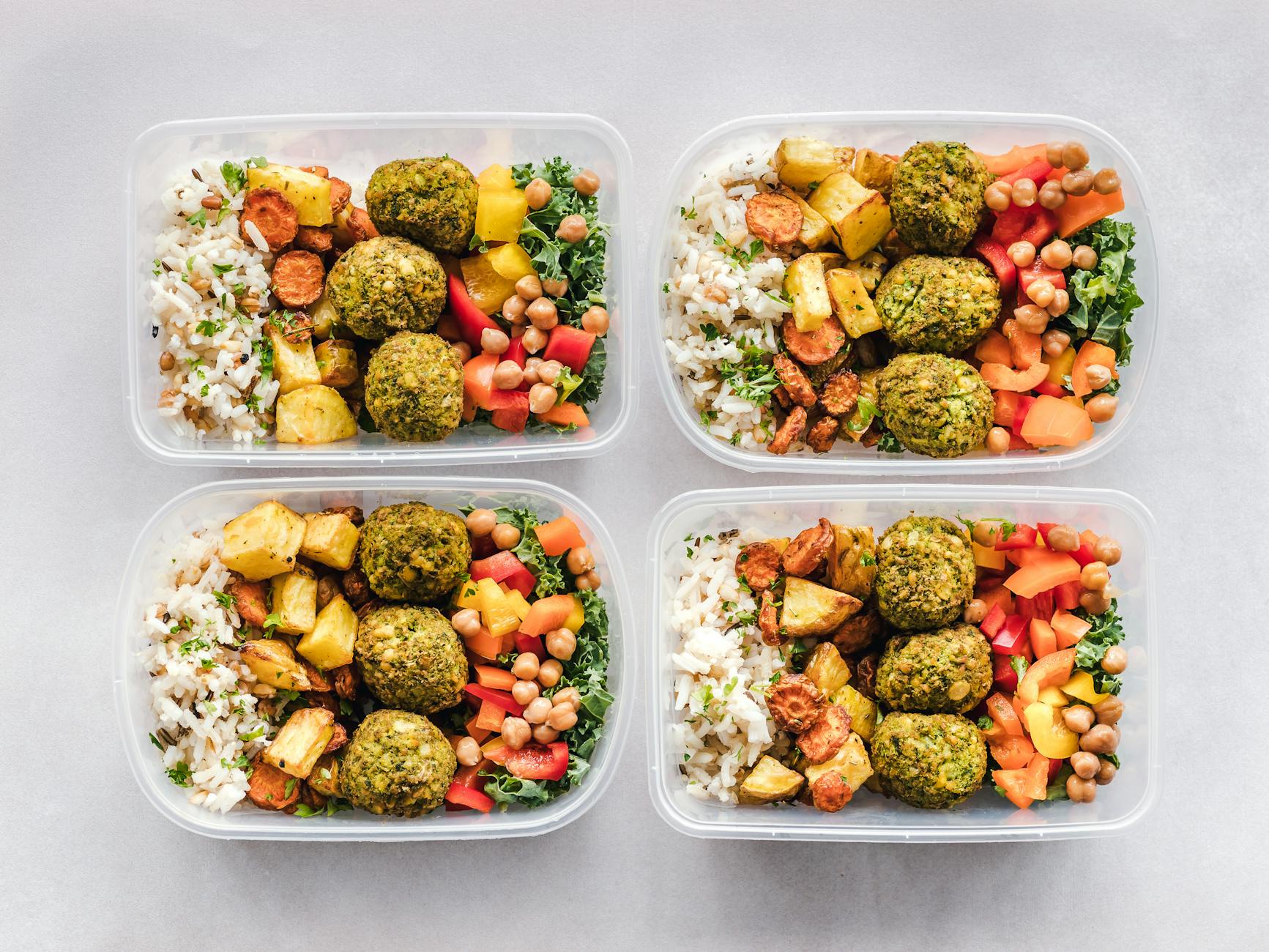
Beyond the Fad: Principles of Sustainable Weight Loss
After all my yo-yo dieting, I realized that focusing on temporary fixes was the biggest mistake. True, sustainable weight loss comes from building healthy eating habits that become second nature, not a chore. It’s about nourishing your body with balanced nutrition, not depriving it.
The Power of Whole Foods
This one surprised me. I used to think “diet food” meant bland, boring meals. But the reality is, focusing on whole, unprocessed foods – fruits, vegetables, lean proteins, whole grains, and healthy fats – is incredibly satisfying and nutrient-dense. These foods keep you fuller for longer, stabilize blood sugar, and provide the vitamins and minerals your body craves.
Understanding Macronutrients
Proteins, carbohydrates, and fats. They all play vital roles. A high protein diet, for instance, is often praised for its satiating effects and muscle-building potential, which can boost metabolism. But that doesn't mean you should ditch all carbs or fats. It's about finding the right balance for *you*. Research from the National Institutes of Health research on best diet plan often highlights the importance of varied macronutrient intake.
Hydration: The Unsung Hero
Seriously, I can't stress this enough. Drinking enough water is crucial for metabolism, appetite control, and overall bodily function. Sometimes, what feels like hunger is actually thirst. Aim for at least eight glasses a day, and more if you're active.

Effective Diet Strategies: What Actually Works
So, if there's no single "best diet plan," what are the effective strategies that lead to lasting results? It boils down to a few core tenets, woven into a plan that’s adaptable.
Calorie Deficit: The Foundation of Weight Loss
Let's not shy away from the science: to lose weight, you need to consume fewer calories than you burn. This is the fundamental principle behind all successful weight loss. However, how you achieve this deficit matters. Low calorie diets can be effective, but they must be nutritionally sound to avoid deficiencies and muscle loss.
Creating a Moderate Deficit
Aiming for a deficit of 500-750 calories per day typically leads to a healthy weight loss of 1-1.5 pounds per week. This is far more sustainable than drastic cuts that leave you feeling depleted. Think about the last time you tried to cut out 1000 calories overnight – how long did that last?
Tracking Your Intake (Wisely)
Using a food diary or an app can be incredibly insightful. It helps you become aware of your eating patterns, portion sizes, and hidden sources of calories. But don't let it become an obsession. Use it as a tool for learning, not for self-punishment.
Prioritizing Protein and Fiber
These two are powerhouses for satiety. Protein helps you feel full and preserves muscle mass, while fiber adds bulk to your meals and aids digestion. Combining them is a recipe for long-term success.
Protein Sources
Think lean meats, fish, eggs, dairy, legumes, and plant-based protein powders. Incorporating a protein source into every meal is a game-changer.
Fiber-Rich Foods
Load up on vegetables, fruits, whole grains, nuts, and seeds. They’re not just good for your gut; they’re essential for keeping hunger pangs at bay.
The Role of Exercise
While diet is paramount for weight loss, exercise plays a crucial supporting role. It helps increase your calorie expenditure, builds muscle (which boosts your metabolism), and offers a wealth of mental and physical health benefits.
Cardiovascular Exercise
Activities like brisk walking, running, swimming, or cycling are excellent for burning calories and improving heart health. Even a simple belly fat workout can make a difference.
Strength Training
Building muscle is key. The more muscle you have, the more calories you burn at rest. Don’t be afraid of lifting weights; it’s one of the most effective ways to transform your body composition.

Meal Plan Examples and Practical Tips
The theoretical knowledge is one thing, but putting it into practice is another. Here are some examples of how you can structure your meals, focusing on simplicity and deliciousness.
Breakfast Ideas
Start your day strong. A balanced breakfast sets the tone for the rest of your day and can prevent overeating later.
Example 1: Greek Yogurt Parfait
1 cup plain Greek yogurt, 1/2 cup berries, 1/4 cup granola, a sprinkle of chia seeds. This offers protein, fiber, and healthy fats.
Example 2: Scrambled Eggs with Veggies
Two eggs scrambled with spinach, mushrooms, and a small amount of cheese. Serve with a slice of whole-wheat toast.
Lunch and Dinner Strategies
Focus on lean protein, plenty of vegetables, and a moderate portion of complex carbohydrates.
Example 1: Baked Salmon with Roasted Asparagus and Quinoa
A classic for a reason. Rich in omega-3s, fiber, and complete protein.
Example 2: Lentil Soup with a Side Salad
Hearty, filling, and packed with plant-based protein and fiber. You can find fantastic skinny recipes that are perfect for meal prep.
Snacking Smart
Snacks can be beneficial for managing hunger, but choose wisely.
Healthy Snack Options
A handful of almonds, an apple with peanut butter, a hard-boiled egg, or a small portion of cottage cheese. Even a delicious weight loss smoothie can be a great option.
The Psychology of Eating: Mindset Matters
I can’t emphasize enough how much your mindset impacts your weight loss journey. The external factors are important, but the internal landscape is where the real transformation happens.
Cultivating a Positive Relationship with Food
For so long, I viewed food as the enemy. It was something to be feared, controlled, and restricted. This created a cycle of guilt and bingeing. Shifting this perspective, understanding that food is nourishment and fuel, is critical. The Mayo Clinic research on best diet plan often touches on the psychological aspects of eating.
Mindful Eating Practices
Pay attention to your hunger and fullness cues. Eat slowly, savor your food, and avoid distractions like your phone or TV. This helps you recognize when you're truly satisfied.
Self-Compassion
You will have off days. You will indulge. It’s part of being human. Instead of beating yourself up, acknowledge it, learn from it, and get back on track with your next meal. Perfection is not the goal; progress is.
Setting Realistic Goals
Trying for extreme weight loss too quickly can be detrimental. It often leads to unsustainable practices and can be harmful to your health. Set small, achievable goals that build momentum and confidence.
Focusing on Non-Scale Victories
Did your clothes fit better? Do you have more energy? Are you sleeping soundly? These are all significant wins that deserve celebration, even if the scale hasn't moved much.
Long-Term Vision
Think about the kind of lifestyle you want to build, not just the number on the scale. Sustainable weight loss is about creating habits that will serve you for a lifetime.
Your Personalized Path to Health
After years of searching for the mythical "best diet plan," I've come to understand that the true answer lies within you. It's about listening to your body, understanding its unique needs, and building a sustainable eating pattern that nourishes you, energizes you, and brings you joy. Forget the fads, the quick fixes, and the rigid rules. Embrace a balanced approach, prioritize whole foods, cultivate a positive mindset, and remember that consistency, not perfection, is the key to lasting results. This journey is yours, and the most effective plan is the one you can genuinely live with, day in and day out. The Centers for Disease Control and Prevention research on best diet plan consistently emphasizes this personalized, long-term approach.